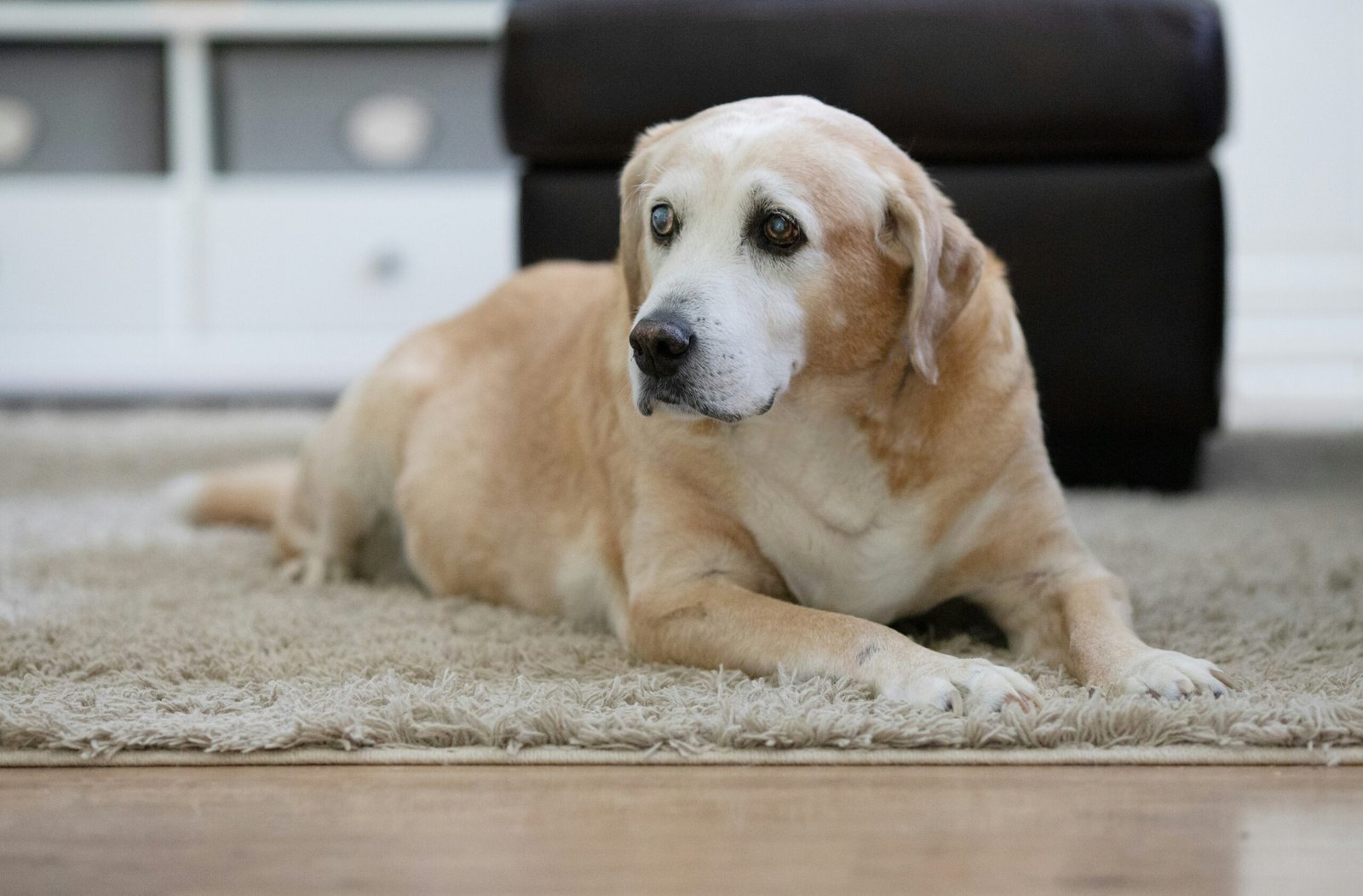
How to help senior dogs with arthritis at home is not about finding one solution that fixes everything. Arthritis is a progressive condition and the damage that has already happened cannot be reversed. What daily home care does is reduce the pain load, slow further deterioration, and keep the dog moving more comfortably for longer.
The owners who see the most meaningful improvement are the ones who address multiple aspects simultaneously: the sleeping surface, the daily movement, the joint support, the home environment, and the pain management. Each one contributes a piece. None of them alone produces the full result.
This guide covers what actually works, in order of impact.
Table of Contents
Understanding What Arthritis Does to a Senior Dog’s Body
The starting point is understanding what you are working with. Arthritis, or osteoarthritis, is the progressive breakdown of cartilage in the joints. Cartilage is the tissue that sits between bones and allows them to move without friction. As it deteriorates, bone moves against bone. The joint becomes inflamed, the surrounding tissue thickens, and movement becomes painful.
The process is slow and often invisible until it is not. Research consistently shows that up to 80% of dogs over age eight have some degree of osteoarthritis, but most owners do not notice until the signs are obvious. By that point the damage has been building for months or years.
What makes arthritis management at home meaningful is that several of the factors that accelerate cartilage loss and increase pain are directly addressable. Excess weight increases the mechanical load on every joint with every step. Inadequate sleep surface increases overnight joint pressure. Insufficient movement accelerates muscle loss, which then destabilises the joints further. Poor nutrition leaves the body without the raw materials for what cartilage maintenance capacity remains.
None of these factors cure arthritis. Addressing all of them consistently reduces the daily pain load in ways that become visible in how the dog moves, rises, and approaches daily activities.
Recognising the Signs That Home Care Is Needed
Most dogs mask pain well. The signs of arthritis are often subtle enough to be dismissed as normal aging until they are not.
Early signs to watch for: stiffness after rest that improves after a few minutes of movement, hesitation before jumping into the car or onto furniture the dog previously used without thought, shorter walks with less enthusiasm, and a slight change in gait that is most visible on hard floors. Morning stiffness that warms up is one of the most consistent early indicators of arthritis in senior dogs.
Later signs indicate the condition has progressed: refusal to use stairs, hind legs slipping on smooth surfaces, visible muscle loss along the spine and hindquarters, vocalising when moving or being touched around the joints, and a dog that chooses not to rise even for things that previously motivated them.
The earlier you start addressing arthritis at home, the more cartilage there is left to protect and the more the daily interventions can slow progression rather than just manage established damage.
The Weight Management: The Highest-Impact Single Change
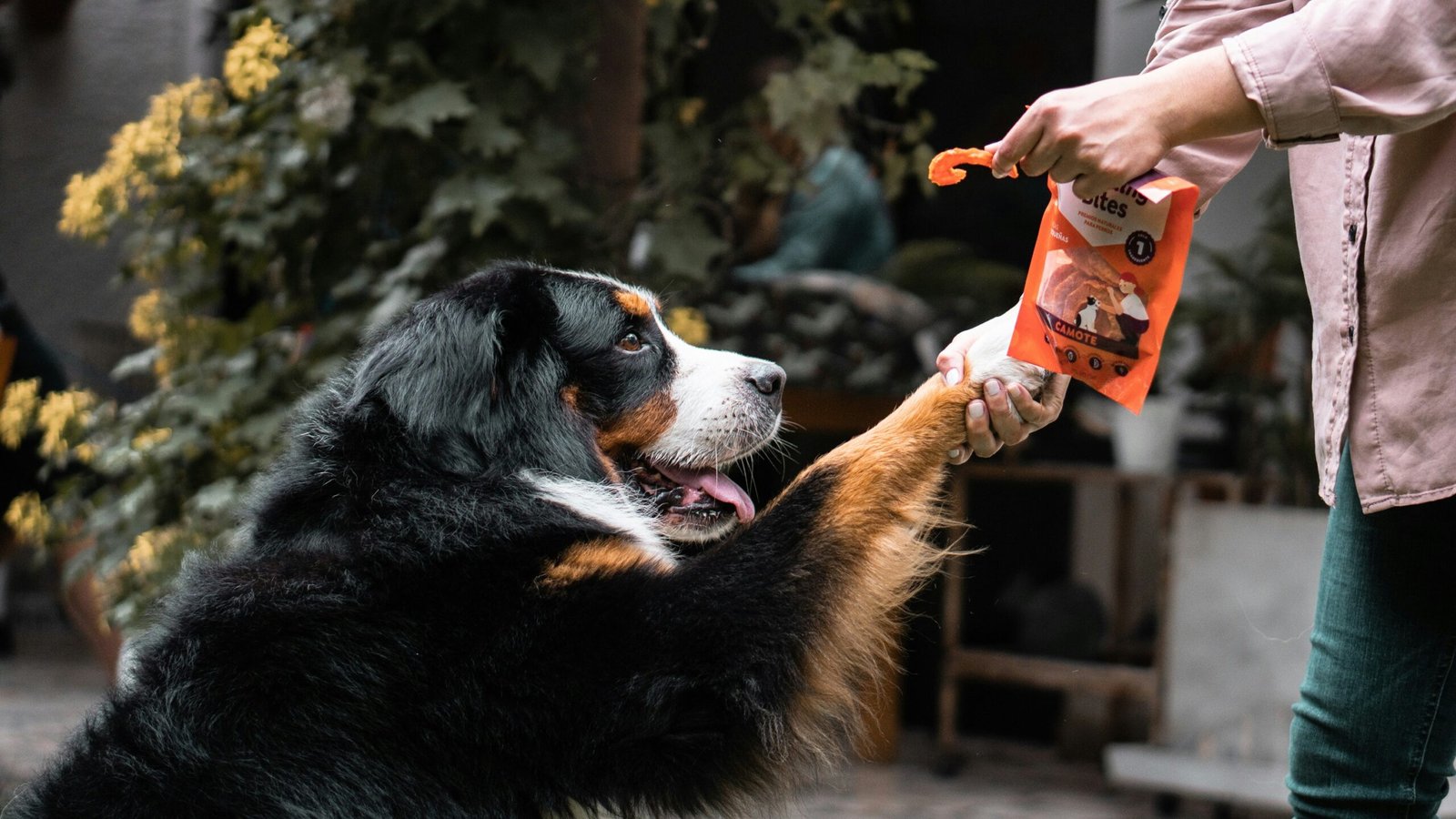
If your senior dog is carrying excess weight, reducing it is the single most impactful thing you can do for their arthritis. Every pound of excess weight adds disproportionate force to joint surfaces with every step. A dog that is 10% overweight is placing significantly more load on already damaged joints than the same dog at a healthy weight.
The practical effect is visible. Dogs that lose even a modest amount of excess weight typically show improved willingness to move, less hesitation on stairs, and reduced stiffness, often within weeks. This is not because the arthritis has improved. It is because the mechanical stress driving the pain has decreased.
Weight management in arthritic dogs requires reducing calories without reducing the protein and nutrient quality needed to maintain muscle mass. A lower-calorie food that maintains protein at 25% or above on a dry matter basis is the right direction. Reducing portion size on a food that is already low in protein will cause muscle loss alongside fat loss, which worsens joint stability. For guidance on appropriate senior dog foods, see the guide to best dog food for senior dogs.
Sleep Surface: The Lowest-Effort, High-Impact Intervention
An orthopedic bed reduces the pressure placed on joints during the hours a dog spends lying down, which for a senior dog with arthritis may be the majority of the day. A standard flat bed or a hard floor increases the pressure on already inflamed joints throughout the night. A memory foam or high-density orthopedic bed distributes that pressure evenly.
The clearest sign an orthopedic bed is making a difference is reduced morning stiffness. A dog that rises more easily and warms up faster after sleeping on an orthopedic surface is responding to the reduced overnight joint pressure. This is one of the most accessible interventions available because it works passively, continuously, without requiring anything from the owner beyond the initial purchase.
Size and foam density both matter. A bed too small forces the dog into a compressed position. Foam too soft provides inadequate support for heavier dogs. For specific product recommendations, see the guide to best orthopedic bed for dogs with arthritis.
Heat Therapy: Accessible and Underused
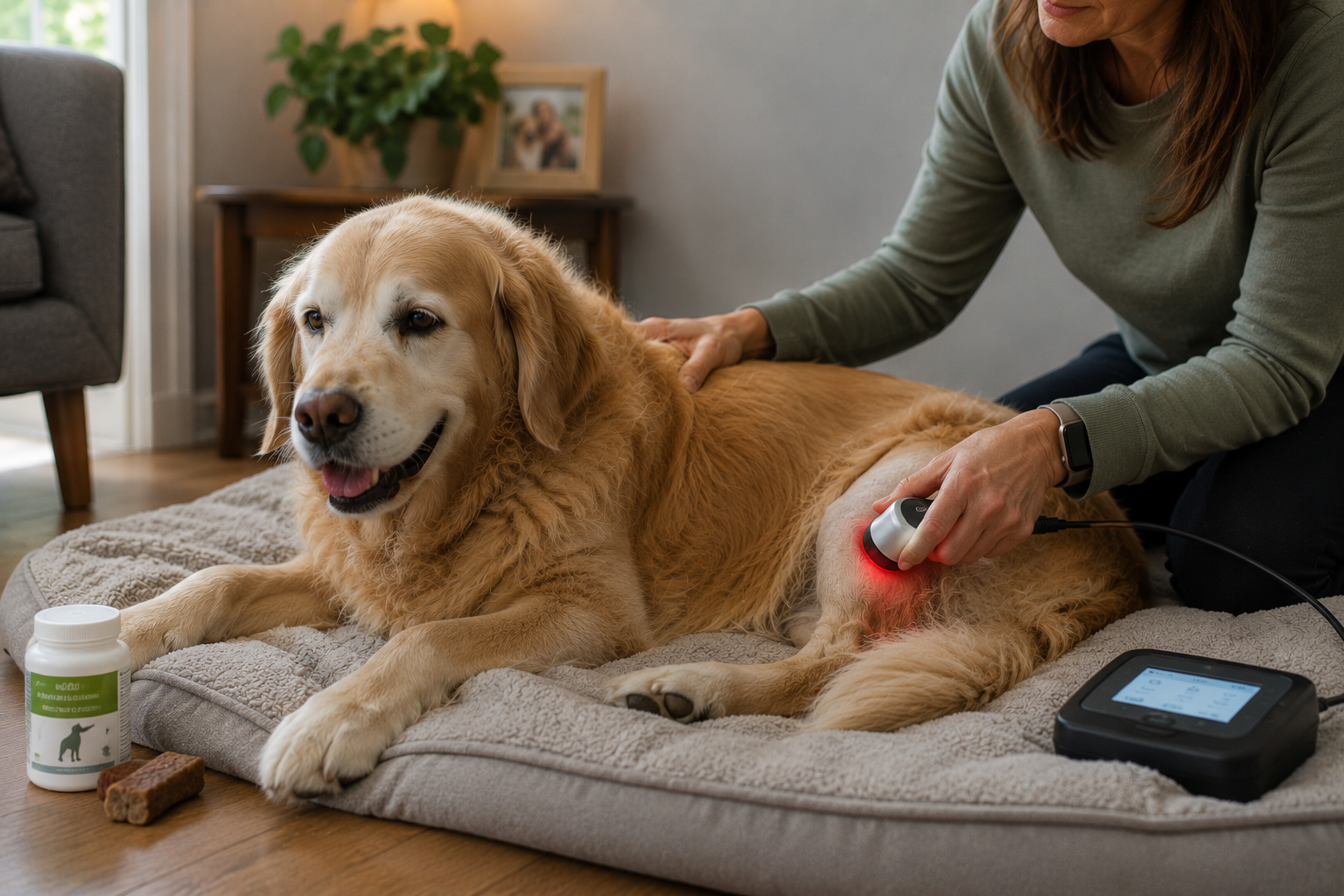
Heat applied to arthritic joints before movement increases blood flow, reduces stiffness, and provides direct pain relief. Ten to fifteen minutes of gentle heat on a stiff joint before a morning walk can visibly reduce the time the dog needs to warm up and move comfortably.
A heated pet pad set on low, used before the dog’s first activity of the day or during rest on a cold day, is one of the most practical tools available for daily arthritis management. It does not address the underlying condition but reduces the pain signal that determines how willingly the dog engages with movement.
Safety is important. Never leave a heating pad unattended with a dog that cannot move away from it easily, and always use a pad designed for pets rather than human heating pads, which often run too hot. For guidance on safe use, see the guide to are heating pads good for dogs with arthritis, and for a direct product comparison, see the best heating pads for dogs with arthritis.
Exercise: The Right Amount in the Right Way
The instinct many owners have when a dog is in pain is to reduce movement to protect them. This is counterproductive. Reduced movement in an arthritic dog leads to muscle loss, and muscle loss destabilises the joints further, increases pain, and accelerates the decline. Keeping an arthritic dog moving is one of the most important parts of home management.
The key is the type and consistency of movement rather than the quantity. Short, frequent walks on soft surfaces produce far better outcomes than long infrequent walks. Grass, dirt, and soft paths are easier on joints than concrete and tarmac. Twenty minutes twice a day is better than an hour once a day for most arthritic senior dogs.
Swimming and hydrotherapy are ideal for arthritic dogs where accessible. The buoyancy of water removes most of the mechanical load from the joints while allowing the muscles to work against resistance. Dogs that can no longer manage long walks on land often move freely and willingly in water. If your dog tolerates it, even paddling in shallow water provides meaningful muscle and joint benefit.
Avoid high-impact activity: jumping, rough play, chasing, and fast direction changes all produce the kind of impact force that accelerates cartilage damage. The goal is consistent gentle movement, not occasional bursts of higher activity.
Home Environment: Removing the Daily Obstacles
The home environment creates small repeated stresses on arthritic joints that accumulate significantly over a day. Addressing the most common ones reduces that load without requiring effort from the dog.
Non-slip flooring is the first priority. Smooth hard floors cause arthritic dogs to slip, which forces the muscles and joints to work harder to stabilise every step. Placing non-slip rugs or yoga mats along the dog’s main routes, at the food bowl, and at the base and top of any stairs removes this repeated instability. Grip socks designed for dogs provide the same benefit without modifying the floor.
Ramps replace the most damaging repeated movements. A car ramp eliminates the daily jump that sends impact through already inflamed joints. Indoor steps reduce the height the dog has to manage to reach a sleeping area or favourite spot. Both are passive interventions that work every time the dog uses them without any additional effort.
Raised food and water bowls reduce the strain on the neck, shoulders, and front legs that comes from bending to floor level to eat. For dogs with shoulder or neck arthritis this can make mealtimes noticeably more comfortable.
For a comprehensive guide to home modifications that support mobility, see how to create a mobility-friendly home for your dog.
Supplements: The Daily Foundation for Joint Support
Joint supplements do not reverse arthritis. What they do is slow further cartilage deterioration, reduce joint inflammation, and in some cases reduce the daily pain load enough to improve movement willingness. The effect builds over weeks and months rather than days, which is why consistency matters more than any individual dose.
Glucosamine and chondroitin are the most researched compounds for canine joint health. Glucosamine provides raw materials for cartilage maintenance. Chondroitin slows the enzymes that degrade cartilage. Together they address both sides of the cartilage balance equation. Results typically become visible after four to eight weeks of consistent daily use.
Omega-3 fatty acids from marine sources reduce systemic inflammation, which is the mechanism driving joint swelling and pain. A therapeutically meaningful dose for a medium-sized dog is 1,000 to 2,000 mg of combined EPA and DHA per day. Most cheaper fish oils are under-dosed relative to this threshold.
CBD has the most direct effect on pain signalling through the endocannabinoid system and typically produces earlier observable results than structural supplements. A 2018 Cornell University study showed measurable reduction in pain scores and improved mobility in dogs with osteoarthritis receiving CBD compared to placebo.
For a full breakdown of the supplements most worth using for an arthritic dog, including specific product recommendations, see the guide to best supplements for dogs with arthritis. For the broader joint supplement category including preventive options, see best joint supplements for senior dogs.
Support Harnesses: When the Dog Needs Physical Assistance
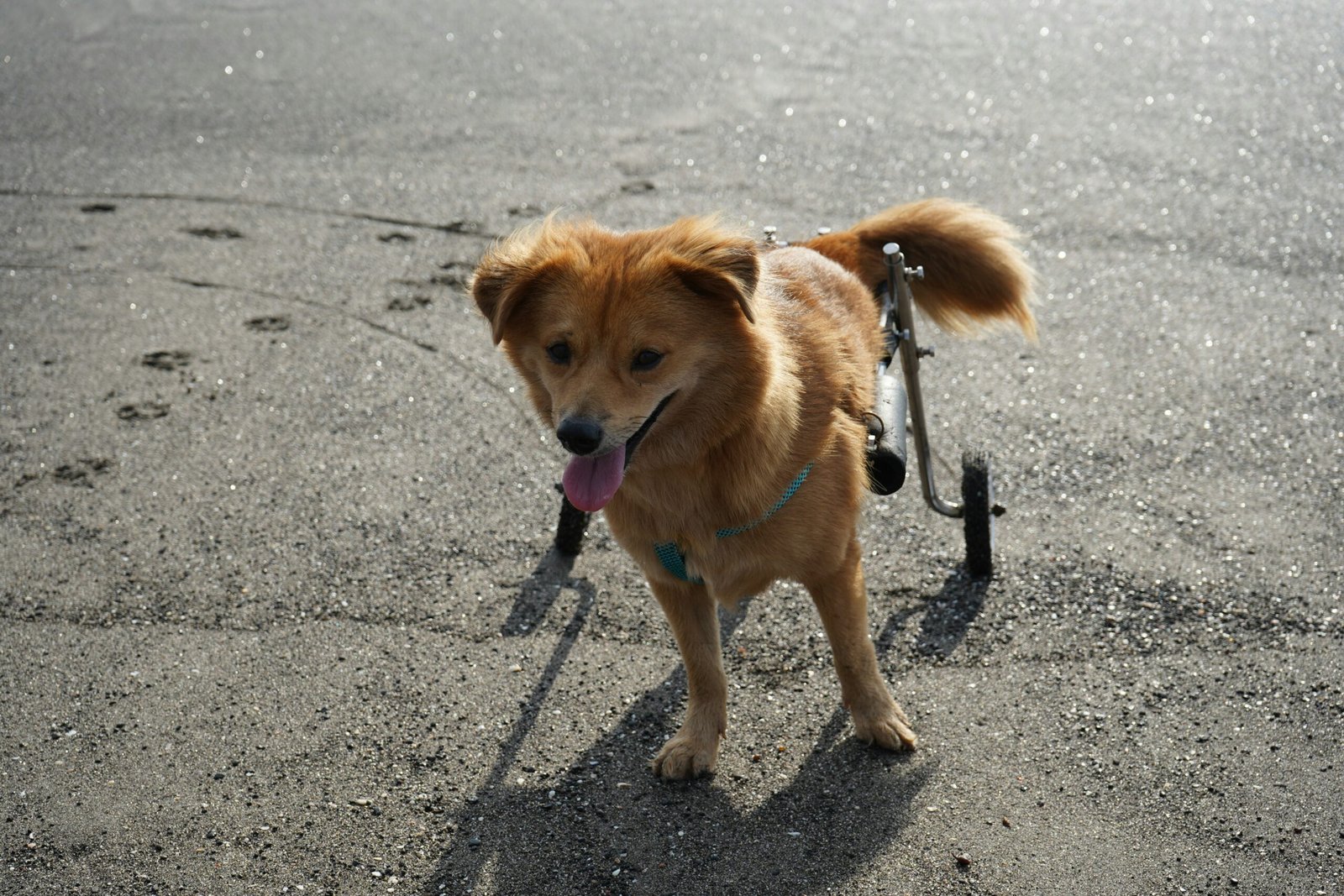
A point comes in the progression of arthritis where the dog needs physical help to rise, navigate stairs, or get in and out of the car. A support harness is the tool for this. It allows you to assist the dog’s movement without lifting their full weight unsupported, which protects both the dog’s joints and your own back.
Rear support harnesses address the most common problem: weakness and pain in the hind legs and hips. Full-body harnesses support both ends simultaneously and are appropriate for dogs with more widespread decline. The right choice depends on where the dog’s mobility is most limited.
For a detailed breakdown of the best harness options and how to choose between a harness and a sling, see the guide to best mobility aids for senior dogs.
Pain Relief: When Supplements Are Not Enough
For dogs with moderate to advanced arthritis, daily supplements and environmental modifications reduce the pain load but do not eliminate it. Pain relief products specifically formulated for dogs, including Boswellia-based chews, turmeric with piperine, and CBD, provide an additional layer of management that makes a meaningful difference in how the dog moves and behaves day to day.
These are not replacements for veterinary prescription pain medication when that is what the dog needs. They are a complement to the broader home management approach and are appropriate for dogs in the mild to moderate range or as an addition alongside veterinary treatment.
For specific product recommendations, see the guide to best pain relief chews for senior dogs.
When Home Care Is Not Enough
There is a point in the progression of arthritis where home management alone is insufficient. Knowing when to step beyond home care is as important as knowing what to do at home.
A dog that vocalises when moving, refuses to bear weight on a limb, stops eating due to pain, or shows significant distress needs veterinary assessment rather than more home management. These are signs that the pain is beyond what supplements and environmental adjustments can address.
Prescription NSAIDs provide a level of pain relief that no supplement or home remedy approaches. For dogs in significant daily pain, managing that pain medically first makes the home interventions more effective, not less. A dog that is not in pain will move more, maintain muscle, engage more with daily life, and respond better to everything else being done at home.
Other veterinary options worth discussing for advanced cases include physical therapy, acupuncture, cold laser therapy, and newer treatments such as Librela, a monthly injectable monoclonal antibody that targets a specific pain-signalling pathway in arthritic dogs. These are not home interventions but they change the baseline from which home care operates.
The general principle is that home care works best as part of a broader approach that includes veterinary oversight rather than as a substitute for it.
FAQ
What is the most important thing I can do at home for a dog with arthritis?
Weight management produces the most consistent improvement in arthritic dogs. Reducing excess weight reduces the mechanical load on every joint with every step, and the effect on pain and willingness to move is often visible within weeks. If your dog is already at a healthy weight, an orthopedic bed and consistent gentle exercise are the next highest-impact interventions.
How do I know if what I am doing at home is working?
Watch for the specific problems that were most visible before you started. Easier rising after rest, less hesitation at stairs, more willingness to walk, reduced morning stiffness, and a dog that initiates movement rather than waiting to be encouraged are all positive signs. These changes build over two to four weeks for most interventions. Supplements take longer, typically four to eight weeks.
Can I massage my arthritic dog at home?
Yes. Gentle massage of the muscles surrounding affected joints improves circulation, reduces muscle tension, and can be calming for a dog in chronic pain. Avoid direct pressure on the bones and joints themselves. Focus on the muscle tissue above and below the joint. Start with very light pressure and watch your dog’s response. A dog that relaxes and leans into the contact is tolerating it well. A dog that flinches, moves away, or vocalises needs lighter pressure or a different area.
Is cold or heat better for arthritis pain in dogs?
Heat is generally more appropriate for chronic arthritis management. It reduces stiffness, increases blood flow, and prepares the joint for movement. Cold is more appropriate immediately after an acute flare or after exercise when the joint is swollen and hot. Using heat before activity and cold after if needed is a reasonable approach. Never apply either directly to skin without a cloth barrier.
Should I stop my arthritic dog from going on furniture?
Only if getting on and off the furniture requires jumping. The jump down from a sofa or bed is the damaging movement, not the time spent there. Installing steps or a ramp next to furniture the dog uses regularly removes the jumping entirely and allows the dog to continue using their preferred spots without the joint impact.
At what point should I take my dog to the vet for arthritis?
If your dog is vocalising when moving, refusing to bear weight, showing significant behavioural changes due to pain, or not responding to home management after four to six weeks of consistent effort, a veterinary assessment is the right step. Arthritis that has progressed to the point where it limits basic daily function needs medical pain management alongside home care.
Final Thoughts
Helping senior dogs with arthritis at home is a long-term daily commitment rather than a one-time fix. The dogs that maintain the best mobility and comfort are those whose owners address multiple aspects simultaneously and consistently: weight, sleep surface, exercise quality, environment, supplements, and pain management.
No single intervention produces the full result. An orthopedic bed without weight management leaves excess mechanical load on the joints. Supplements without consistent movement lead to muscle loss that worsens joint stability. Each piece supports the others.
Start with the changes that have the highest impact for your specific dog’s situation. Add layers over the following weeks. Give each intervention enough time to show its effect before evaluating whether it is working. The goal is not to eliminate arthritis but to reduce its impact on your dog’s daily comfort and quality of life to the point where they engage with life rather than withdrawing from it.
Sources
- American Veterinary Medical Association — Osteoarthritis in Dogs
- Cornell University College of Veterinary Medicine — CBD and Osteoarthritis Study 2018
- VCA Animal Hospitals — Arthritis in Dogs
- Whole Dog Journal — How to Find Relief for Arthritis in Dogs
- PetMD — Dog Arthritis Treatment



Pingback: Best Orthopedic Dog Beds for Senior Dogs & Large Breeds (2025 Review)
Pingback: What Supplements Do Senior Dogs Need? (2026 Guide)
Pingback: Signs of Arthritis in Dogs – How to Recognize It Early
Pingback: What Causes Mobility Issues in Senior Dogs - seniordog-care
Pingback: How to Create a Mobility-Friendly Home for Your Senior Dog - seniordog-care
Pingback: The Ultimate Guide to Joint Health & Longevity for Your Senior Dog - seniordog-care
Pingback: Are Heating Pads Good for Senior Dogs with Arthritis? - seniordog-care