Most owners who want to know how to help your senior dog live longer start asking that question too late. By the time the stiffness is obvious, the walks are shorter, and the naps are longer, a lot of the damage is already done. I know this because I lived it. When my dog got sick at age 7, the two things I had gotten most wrong were his food and his sleeping setup. Not dramatic mistakes. Just the quiet, everyday kind that compound over years without you noticing.
The trap most owners fall into is assuming things are fine until they are visibly not. Senior dog health does not decline all at once. It erodes gradually, through small daily choices that either slow the process or speed it up. This article covers what the research actually shows and what practical changes make the biggest difference in how many good years your dog has.
Table of Contents
What It Actually Means to Help Your Senior Dog Live Longer
Helping your senior dog live longer is not just about lifespan. It is about healthspan. The difference matters. A dog can reach 14 and spend its final three years in pain, struggling to walk, eating poorly, and losing cognitive function. That is a long life. It is not a good one.
What you are working toward is extending the window in which your dog is mobile, comfortable, mentally sharp, and able to enjoy daily life. The Dog Aging Project, one of the largest ongoing scientific studies of aging in dogs, consistently shows that environmental factors, nutrition, and physical activity have a measurable impact on both how long dogs live and how well they live in those years.
Breed and genetics play a role you cannot change. Large breeds age faster than small breeds. Giant breeds are often considered senior at five or six, while a small breed may not reach that threshold until ten. But within those biological limits, lifestyle factors move the needle significantly. Those are the variables you can control.
The Biggest Mistake Most Senior Dog Owners Make
Most owners think their dog is fine. That assumption is exactly what costs them years.
Senior dog health does not decline because of obvious neglect. It declines through passive assumptions. The food has not changed in years, so it must still be adequate. The dog sleeps in the same spot it always has, so it must be comfortable. The walks are shorter now, but that is just aging.
Each of those assumptions has a cost. Older dogs have different nutritional requirements than younger ones. Their ability to absorb certain nutrients declines. Their joints need more support. Their digestive systems slow down. A food that was perfectly adequate at age three may be creating real deficiencies by age nine.
The same logic applies to sleep. Dogs spend between 12 and 18 hours a day resting as they get older. If the surface they rest on is putting pressure on already deteriorating joints, that adds up to hundreds of hours per year of low-level physical stress. The dog does not tell you it is uncomfortable. It just sleeps there because there is nowhere else to go.
Helping your senior dog live longer requires a proactive approach. You are not waiting for problems to appear. You are building the conditions that prevent them from developing in the first place.
Nutrition Is the Highest-Return Change You Can Make
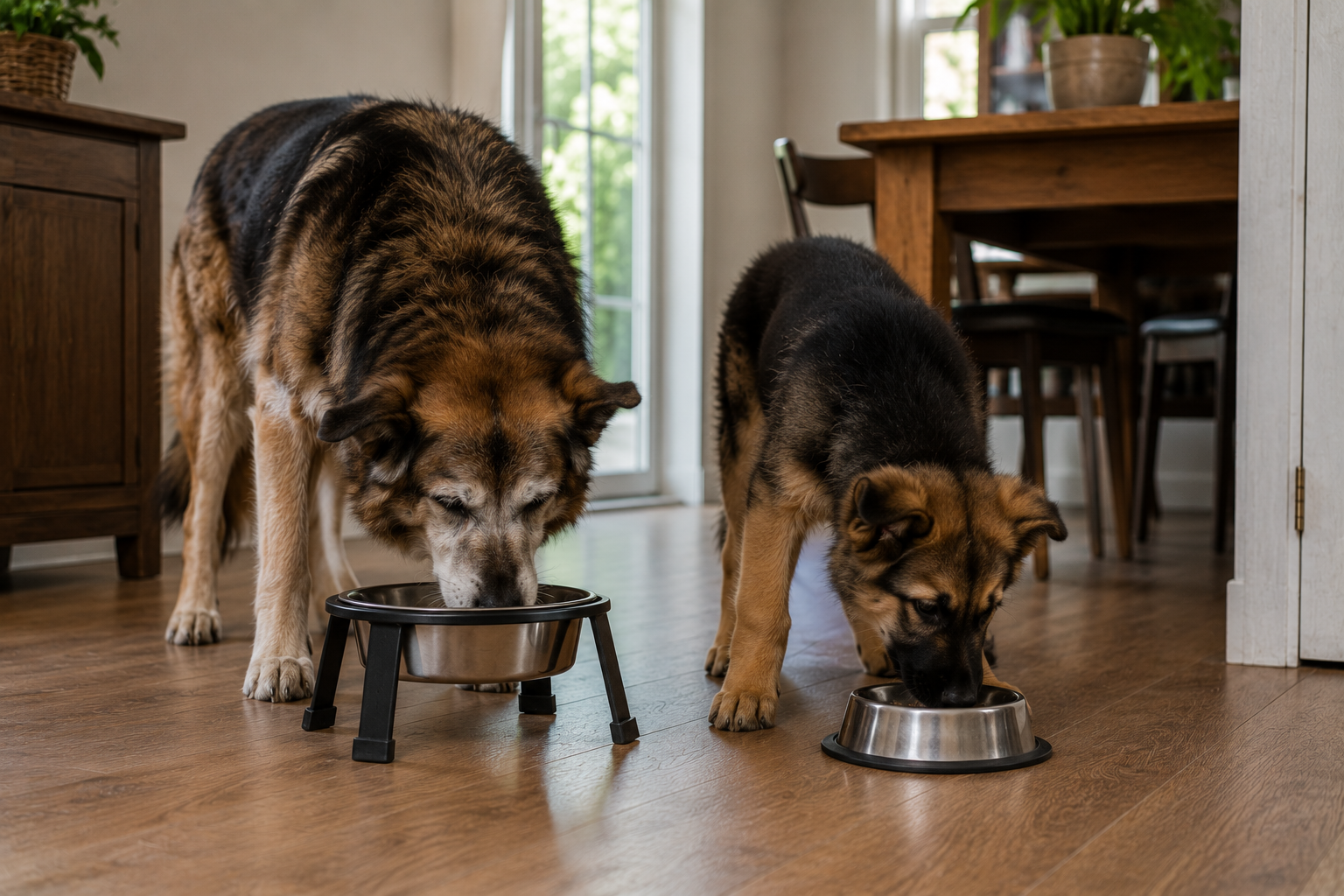
If there is one place to start when thinking about how to help your senior dog live longer, it is the food bowl. Nutrition is the most controllable variable in how well a dog ages, and it is also the area where most owners make the most avoidable mistakes.
Senior dogs need quality protein. One of the most persistent misconceptions in dog nutrition is that older dogs should have less protein to protect kidney function. Current veterinary nutritional research has reversed that position. Healthy senior dogs actually need higher quality protein to maintain muscle mass. Muscle loss, called sarcopenia, is one of the primary drivers of weakness and mobility decline in aging dogs. The kidney concern only applies to dogs already diagnosed with kidney disease. For healthy senior dogs, reducing protein is the wrong direction.
What older dogs need less of is empty calories. Many commercial adult dog foods are calorie-dense in ways that cause gradual weight gain over years. By the time a dog is nine or ten, it is carrying extra body weight on joints that are already starting to deteriorate. This is one of the most preventable causes of early mobility loss, and one of the most overlooked.
Research published in the Journal of the American Veterinary Medical Association found that dogs maintained at a lean body weight lived nearly two years longer on average than their overweight littermates. Two years. From one variable alone.
Senior dogs also benefit from specific nutritional additions. Omega-3 fatty acids from fish oil reduce systemic inflammation, which is one of the primary drivers of age-related decline. Glucosamine and chondroitin support joint cartilage health. Antioxidants including vitamin E and beta-carotene help counter oxidative stress at the cellular level.
The practical starting point is to look at what your dog is actually eating. Is it a food formulated for senior dogs, with appropriate protein levels and joint-relevant ingredients? Or is it the same adult maintenance food it has been eating since it was two years old? That question matters more than most owners realise.
For help picking the right food, the guide on the best food for senior dogs breaks down the top options by health need.
Sleep Quality Drives More Than You Think
You cannot help your senior dog live longer without addressing where and how it rests. Sleep is when the body repairs itself. For a dog spending 14 to 18 hours a day resting, the surface it sleeps on is not a comfort decision. It is a health decision.
An older dog resting on a thin mat, a worn-out cushion, or a folded blanket is sleeping on a surface that provides no real pressure relief. Over hours, that pressure creates low-level discomfort at the hips, elbows, and shoulders. The dog shifts position repeatedly. Less deep sleep. More joint stress. Slower recovery.
An orthopedic bed with quality memory foam distributes the dog’s weight evenly, reduces pressure on vulnerable joints, and allows longer periods of restorative rest. For dogs with early arthritis or joint stiffness, this is not a luxury item. It is one of the most cost-effective health interventions available, and its impact compounds over months and years.
The environment around the sleeping area matters too. Older dogs are more sensitive to cold. Hard floors in cool rooms pull heat away from the body, which stiffens muscles and joints overnight. A bed positioned away from drafts, on a non-slip surface, at floor level so the dog does not have to jump or climb, makes a real difference in how the dog moves and feels when it wakes up.
For more on setting up your home to support an aging dog physically, the guide on how to create a mobility-friendly home for your dog covers this in practical detail.
The Right Kind of Movement for an Aging Dog
Movement is essential if you want to help your senior dog live longer, but the type and amount of movement matters as much as the activity itself. The wrong approach accelerates the decline it is supposed to prevent. Exercise for Senior Dogs: How Much Is Enough
Older dogs need regular, consistent, low-impact activity. The goal is to maintain muscle mass, support joint mobility, and keep the cardiovascular system functioning without putting excessive load on already vulnerable structures. Short daily walks outperform infrequent long ones. A 20-minute walk every day does more for an aging dog than a 90-minute hike once a week followed by three days of stiffness.
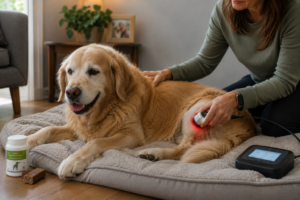
Swimming and hydrotherapy are among the most effective options for senior dogs. Water removes weight-bearing load from joints while still providing enough resistance to maintain muscle. Many veterinary physiotherapists now recommend hydrotherapy as a standard tool for dogs with arthritis, but it is equally valuable as a preventive measure before joint disease becomes severe.
What to reduce or eliminate: high-impact activities including jumping, sudden directional changes, and running on hard surfaces. These movements load joints at angles and forces that worn cartilage cannot handle as well. The cumulative effect shows up years before most owners expect it.
The clearest indicator to monitor is recovery time. After exercise, a healthy senior dog should not be noticeably stiffer or slower the following day. If post-exercise recovery consistently takes more than a few hours, the activity type or duration needs to change.
If your dog already struggles with movement, the best mobility aids for senior dogs covers the practical tools that help aging dogs stay active safely.

Supplements With Genuine Evidence Behind Them
Not every supplement marketed for aging dogs has meaningful research supporting it. A few do, and those are the ones worth knowing about if you are serious about helping your senior dog live longer.
Fish oil (EPA and DHA). The evidence here is consistent and strong across multiple studies. Omega-3 fatty acids reduce inflammatory markers, support joint health, protect cognitive function, and improve skin and coat condition. The dose matters: look for a product that specifies EPA and DHA content rather than total omega-3, and use a weight-based dosing guide.
For a full overview of which supplements are worth it for older dogs, read what supplements should senior dogs take.
Glucosamine and chondroitin. These compounds support the maintenance of joint cartilage. The evidence for prevention is stronger than for reversal, which means starting before arthritis becomes advanced produces better results than waiting. Many senior-specific foods include these ingredients, but supplemental doses are typically higher than what food alone provides.
Probiotics. Gut health declines with age in dogs. A compromised microbiome reduces nutrient absorption efficiency, which compounds the effects of every other nutritional effort you are making. Probiotic supplementation supports digestive function and immune health in older dogs.
Antioxidants. Vitamins E and C, along with coenzyme Q10, help neutralise oxidative stress at the cellular level. This is relevant to both cognitive aging and general tissue health. Worth checking whether your dog’s current food includes adequate levels.
For a more detailed breakdown of what the research supports on joint health specifically, the ultimate guide to joint health and longevity for your dog goes deeper into the evidence.
Veterinary Care as a Longevity Tool
Most dog owners treat vet visits as a response to visible problems. In the context of helping your senior dog live longer, that reactive approach is one of the most expensive mistakes you can make, in both money and time.
Senior dogs should have bloodwork done at least once a year, ideally twice. Kidney function, liver enzymes, thyroid levels, and blood glucose can all shift in ways that are not visible externally but are straightforward to detect through basic panels. Catching kidney disease at stage one rather than stage three gives you significantly more treatment options and more time.
Dental health is consistently underestimated. Periodontal disease is not only an oral health issue. Bacteria from infected gum tissue enter the bloodstream and have been directly linked to cardiac and kidney damage over time. Regular dental cleanings, combined with at-home brushing, prevent a low-visibility source of systemic inflammation that quietly shortens a dog’s life.
Weight assessments at veterinary visits catch gradual changes that owners normalise. A dog that gains half a kilogram per year looks the same to you because you see it every day. The vet who sees it every six months notices the difference. That external check matters.
Mental Stimulation and Cognitive Health
Canine cognitive dysfunction affects an estimated 14 to 35 percent of dogs over the age of eight. It is the dog equivalent of dementia, and it is more common and more gradual than most owners expect. Helping your senior dog live longer means addressing cognitive health, not just physical health.
The brain responds to use. Dogs that remain mentally engaged age better cognitively than dogs that spend most of their time inactive and unstimulated. Scent work is one of the most effective tools available because it engages a dog’s primary sense at high intensity without physical strain. Puzzle feeders, new walking routes, and regular social interaction with people and other dogs all contribute to keeping the brain active.
A consistent daily routine also matters more as dogs age. Older dogs show lower stress markers when their environment and schedule are predictable. Reduced chronic stress means lower cortisol levels, better sleep, and better immune function. The routine is not just convenience. It is a health input.
FAQ
At what age should I start making changes for my senior dog?
Most veterinarians classify dogs as senior from age seven, with large breeds often reaching that threshold at five or six. The practical answer is that the earlier you start, the more impact the changes have. Switching to senior-appropriate nutrition, improving the sleeping setup, and increasing veterinary monitoring frequency at age seven produces better outcomes than making the same changes at age ten.
How much does weight actually affect a dog’s lifespan?
Research consistently identifies body weight as one of the strongest modifiable predictors of lifespan in dogs. Studies have shown that lean dogs live up to two years longer on average than overweight dogs of the same breed. Excess weight accelerates joint deterioration, places strain on the heart and kidneys, and increases cancer risk. It is not a marginal factor.
Can I help an older dog that is already showing decline?
Yes. Dogs at ten or eleven still respond to improvements in nutrition, sleep surface quality, and activity level. The degree of benefit is smaller than if changes were made earlier, but meaningful improvement in comfort and quality of life is still possible. A dog that is well-nourished and comfortable at eleven is in a better position than one that is not, regardless of the underlying biology.
Is fish oil safe to give a senior dog daily?
Fish oil is generally considered safe for daily use in dogs at appropriate doses. The important variable is the EPA and DHA content, not total omega-3. Excessively high doses can affect platelet function, so using a product with clear dosing guidelines based on body weight is the right approach. Most veterinary nutritionists support fish oil as a baseline supplement for senior dogs.
What single change makes the biggest difference?
Based on the research and the most common gaps in senior dog care, the answer is usually nutrition. Moving from a generic adult maintenance food to a senior-specific formula with high-quality protein, omega-3 fatty acids, and joint-relevant nutrients addresses multiple health factors at once. The second most impactful change for most dogs is the sleeping surface.
Does stress shorten a dog’s life?
Chronic stress elevates cortisol, which suppresses immune function, disrupts sleep quality, and contributes to systemic inflammation over time. Dogs in unpredictable or high-conflict environments show accelerated aging markers compared to dogs with stable, low-stress routines. Consistency, calm, and regular social connection are not soft benefits. They are biological inputs that affect how long and how well a dog lives.
Final Thoughts
Knowing how to help your senior dog live longer comes down to one principle: stop waiting for visible problems and start building conditions that prevent them. The food in the bowl, the surface your dog sleeps on, the length and type of daily walks, the frequency of veterinary visits. None of these feel significant on their own. Together, they determine how many good years your dog has and how good those years actually are.
The research points consistently in the same direction. Lean body weight, quality nutrition with adequate protein and omega-3 support, regular low-impact movement, a proper sleeping surface, mental stimulation, and proactive veterinary monitoring all move the needle in a measurable way. Most owners know some of this. Fewer act on it early enough.
Start now. Every month of good daily care compounds into something your dog will feel years from now.
Sources
- https://dogagingproject.org
- https://pubmed.ncbi.nlm.nih.gov/12420780/
- https://www.akc.org/expert-advice/health/10-ways-to-extend-your-dogs-life/
- https://www.morrisanimalfoundation.org/article/canine-aging-research-update-senior-dog-health
- https://www.avma.org/resources/pet-owners/petcare/senior-pet-care-faq

Pingback: The Ultimate Guide to Joint Health & Longevity for Your Dog - seniordog-care
Pingback: How to Create a Mobility-Friendly Home for Your Dog 101
Pingback: Best Mobility Aids for Senior Dogs – 2026 Guide