
Understanding what causes mobility issues in senior dogs is the first step to helping a dog move comfortably again, since the right response depends entirely on which underlying cause is actually driving the decline. A dog that hesitates before jumping into the car, or takes longer to rise after resting, is showing a sign, not a diagnosis, and different causes call for genuinely different responses.
This guide covers the main medical causes behind mobility decline in senior dogs and how to recognise which one applies to your specific dog. For what to actually do once you know the cause, our guide on best mobility aids for senior dogs covers the full range of solutions, and our guide on how to help senior dogs with arthritis at home covers day-to-day home management specifically for the most common cause.
This post may contain affiliate links. If you buy through these links, I may earn a small commission at no extra cost to you. As an Amazon Associate, I earn from qualifying purchases.
Table of Contents
Common Causes of Mobility Issues in Senior Dogs
Mobility problems rarely appear overnight. They build gradually across years of movement, weight, and small injuries accumulating, and knowing the root cause helps you choose the right response rather than a generic one.
Arthritis is the most common reason older dogs struggle to move. The protective cartilage in the joints wears down over time, leading to stiffness, swelling, and pain, often most visible first thing in the morning or after a period of rest.
Hip dysplasia mostly affects larger breeds such as Labradors, Golden Retrievers, and German Shepherds. The hip joint does not fit properly into the socket, causing pain and limiting range of motion, and it can worsen with age even with good care.
Muscle loss, or sarcopenia, happens naturally with age and accelerates further when a dog moves less due to pain or stiffness. Less muscle means less support around the joints, which increases load on the joint surfaces themselves and can create a cycle where reduced movement worsens the very problem causing it.
Obesity places direct, disproportionate pressure on joints and bones already under strain. Many senior dogs slow down simply because they are carrying more weight than their frame can comfortably manage.
Old injuries can resurface later in life. A sprain or fracture from years earlier sometimes causes scar tissue and uneven movement patterns that become more sensitive and limiting as a dog ages.
Neurological conditions, including degenerative myelopathy and other spinal issues, affect mobility through the nervous system rather than the joints, disrupting communication between the brain and muscles and producing wobbling or dragging of the paws rather than joint pain specifically.
Each of these causes affects a dog differently, and recognising which one applies matters more than treating the symptoms generically.
Recognising the Early Signs
Mobility issues usually start slowly, and many owners initially assume their dog is simply slowing down with age. These small changes often signal something worth paying attention to rather than an inevitable part of getting older.
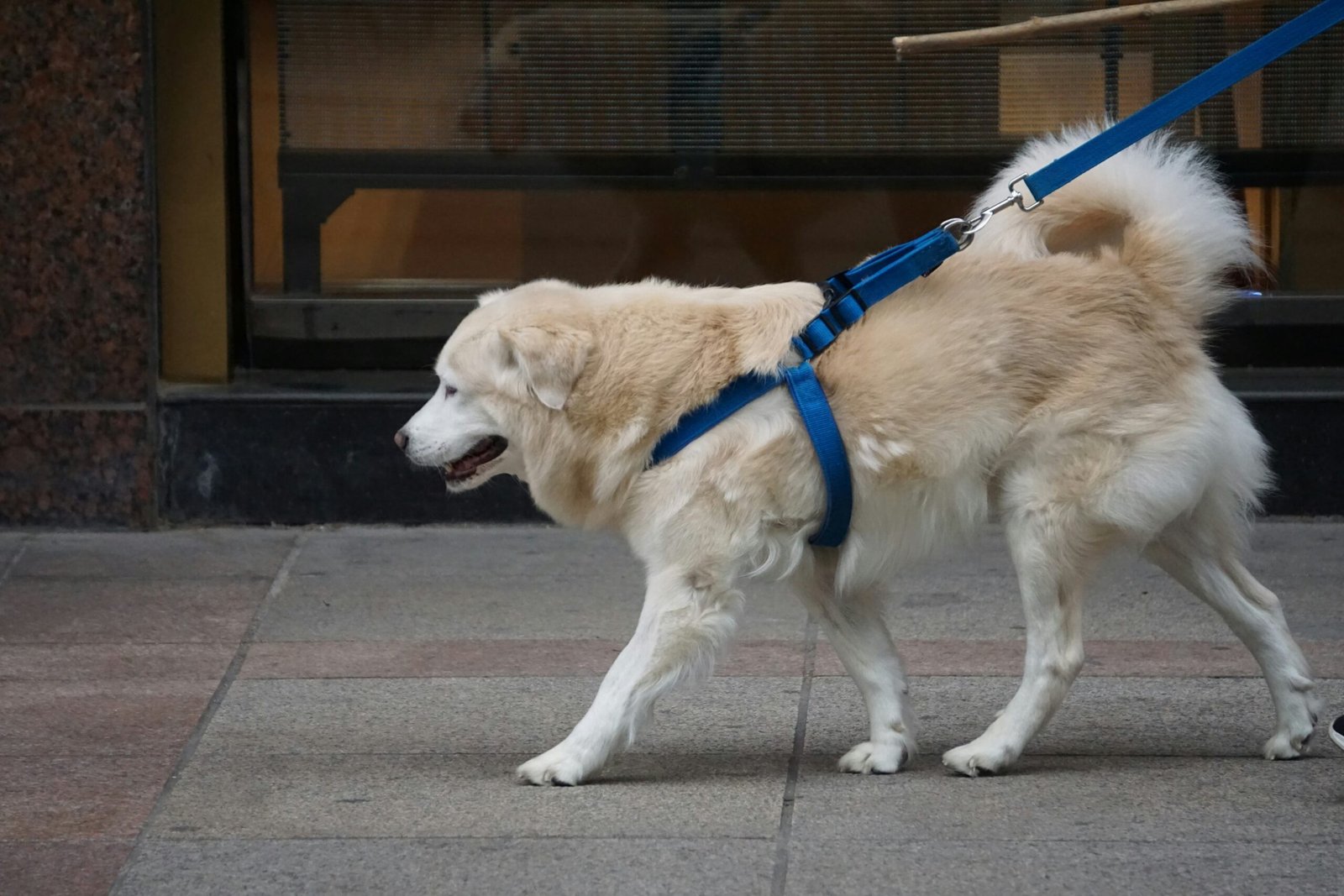
Watch for stiffness or slow movement after waking or resting, hesitation to climb stairs or jump into the car, shorter walks with less enthusiasm, difficulty standing up after lying down, slipping on smooth floors, and a drop in energy or enthusiasm during play. Catching these early, rather than dismissing them, means starting the right support before secondary problems, such as further muscle loss from reduced movement, have a chance to build on top of the original cause.
Matching the Cause to the Right Response
Different causes call for genuinely different priorities, which is exactly why identifying the cause matters more than jumping straight to a generic solution.
Arthritis and hip dysplasia both respond well to joint support, weight management, and appropriate movement, the core of what our how to help senior dogs with arthritis at home guide covers in depth. Sarcopenia responds specifically to maintaining muscle through appropriate exercise rather than rest, since reduced movement accelerates the muscle loss driving the problem. Our guide on exercise for senior dogs covers how much activity is genuinely right at this stage.
Neurological conditions such as degenerative myelopathy need a different emphasis entirely, since joint supplements do not address a problem originating in the nervous system. Rear support harnesses and, in more advanced cases, wheelchairs are the tools that directly support this specific type of decline, covered in our guide to best mobility aids for senior dogs.
Regardless of the specific cause, adapting the home itself, non-slip flooring, ramps, accessible bowls and bedding, reduces the daily physical cost of whatever is driving the decline. Our guide on how to create a mobility-friendly home covers this room by room.
When to See a Veterinarian
Some stiffness or slowing down is a normal part of ageing, but certain signs point toward something needing professional assessment rather than continued home observation. See a vet if your dog cries, whines, or growls when touched or lifted, suddenly limps or refuses to bear weight on a leg, shows visible swelling or heat in a joint, struggles to stand or collapses after short activity, drags the back legs or shows a loss of coordination, or shows a change in appetite or mood alongside the mobility change.
A vet can perform X-rays, blood work, or mobility tests to identify the specific cause, whether that is arthritis, nerve damage, or something else entirely, and early diagnosis can genuinely slow further joint degeneration rather than only managing symptoms after the fact.
Why Mobility Issues Often Get Missed Until They Are Advanced
One of the most consistent patterns in senior dog care is how long the gap can be between when a mobility problem actually begins and when an owner first notices it. Dogs are remarkably good at compensating for discomfort, shifting weight away from a sore joint, adjusting gait subtly, or simply becoming quieter rather than visibly limping, and these compensations can mask a genuine problem for months before it becomes obvious.
This matters because several of the causes covered above are progressive rather than static. Arthritis worsens as cartilage continues to break down. Sarcopenia accelerates once a dog starts moving less to protect a painful joint, which in turn removes the muscular support that joint needs, creating a cycle that becomes harder to reverse the longer it continues unaddressed. A dog that has quietly adjusted its entire movement pattern around a hip or knee problem for a year is starting from a considerably weaker position than one whose owner caught the same issue within the first few weeks.
This is part of why the early signs covered earlier in this guide deserve more attention than they typically get. A dog that hesitates once before jumping onto the couch is easy to dismiss as a one-off. A dog that has been hesitating consistently for three months, unnoticed because it happened so gradually, has usually already lost meaningful muscle tone and joint function in that time. Watching for a pattern rather than a single incident, and taking that pattern seriously rather than waiting for a dramatic, unmistakable symptom, is one of the most practical things an owner can do regardless of which underlying cause turns out to be responsible.
How Multiple Causes Can Overlap in the Same Dog
It is worth being clear that senior dogs rarely experience these causes in clean isolation from one another. A dog with arthritis frequently develops sarcopenia as a direct consequence of moving less to avoid joint pain. A dog carrying excess weight accelerates the cartilage breakdown that causes arthritis in the first place, while the resulting joint pain then discourages the very activity that would help manage the weight. These causes interact and reinforce each other rather than operating as separate, independent tracks.
This overlap explains why addressing only one factor sometimes produces disappointing results. An owner who adds a joint supplement but does not address significant excess weight is asking the supplement to work against a mechanical load it was never going to be strong enough to fully counteract. An owner who focuses entirely on weight loss but stops all exercise out of caution around joint pain accelerates the muscle loss that was already part of the underlying problem, working against their own goal in the process.
Recognising this overlap changes how a mobility issue should actually be approached. Rather than searching for the single cause and addressing it in isolation, it is often more accurate, and more useful, to think in terms of which combination of factors is most likely present for a specific dog, and to address the most significant contributors together rather than sequentially. A large, overweight senior dog with early joint stiffness is very likely dealing with some combination of early arthritis, weight-related joint stress, and the beginnings of muscle loss all at once, not just one of the three in isolation.

The Value of Tracking Changes Over Time Rather Than Single Observations
Because so many of these causes progress gradually, a single observation on any given day tells you considerably less than a pattern tracked over weeks or months. A dog that seems a little stiff on one particular morning could simply have slept in an awkward position, or could be showing the earliest visible sign of a developing joint problem, and there is genuinely no way to tell the difference from that single data point alone.
Keeping a simple, informal record, even just a few notes on your phone after a walk, of how quickly your dog warms up in the morning, how far a typical walk goes before enthusiasm drops, or how many attempts it takes to get onto a favourite piece of furniture, turns vague impressions into something genuinely comparable over time. This matters considerably more for catching gradual decline than any single vet visit can, since a vet examining your dog for ten minutes during an annual check-up has access to only a single snapshot, while you, as the owner observing daily behaviour, are in the best position to notice a slow trend developing across months.
This kind of tracking also makes conversations with your vet considerably more useful. Reporting that a dog has gone from managing a forty-minute walk to consistently wanting to turn back after fifteen, over a period of two months, gives a vet something concrete and specific to work with, in a way that a general impression that “he seems a bit slower lately” simply cannot match. The goal is not formal, clinical record-keeping, but enough consistent attention to notice the difference between a single off day and a genuine, ongoing trend worth addressing directly.
FAQ
What causes mobility issues in older dogs?
Most commonly arthritis, hip dysplasia, muscle loss, obesity, old injuries, or a neurological condition such as degenerative myelopathy. Each affects movement through a different mechanism, which is why identifying the specific cause matters for choosing the right response.
Can senior dog mobility actually improve?
Often, yes, at least partially. With appropriate exercise, weight management, joint support, and home adaptations matched to the actual cause, many senior dogs regain meaningful comfort and confidence in movement, even if they do not return to their younger pace.
How do I know if my dog’s mobility issue is arthritis or something else?
Watch for the specific pattern: stiffness that improves with movement points toward arthritis, while dragging paws or a loss of coordination points more toward a neurological cause. A vet can confirm this with a physical exam and, where needed, imaging.
Are there home adjustments that help regardless of the specific cause?
Yes. Non-slip flooring, ramps instead of jumping, accessible bowls, and a genuinely supportive orthopedic bed all reduce the daily physical cost of movement regardless of which underlying cause is driving the decline.
At what age should I start paying attention to this?
There is no fixed age. Large breeds often show early signs from six or seven, smaller breeds sometimes not until nine or ten. The specific signs your dog is showing matter more than the number itself.
Final Thoughts
Mobility issues in senior dogs are common, and understanding the specific cause, arthritis, hip dysplasia, muscle loss, or a neurological condition, is what determines the right response rather than a generic one. Early recognition and matching the response to the actual cause make the most meaningful difference to how comfortably a dog continues to move.
Sources
https://www.akc.org/expert-advice/health/degenerative-myelopathy-in-dogs/
https://www.avma.org/resources-tools/pet-owners/petcare/osteoarthritis-dogs
https://vcahospitals.com/know-your-pet/arthritis-in-dogs
https://www.petmd.com/dog/conditions/neurological/neurological-disorders-dogs


Pingback: How to Help Senior Dogs with Arthritis at Home (2025 Guide)
Pingback: Exercise for Senior Dogs: How Much Is Enough