
What supplements senior dogs need is one of the most common questions dog owners ask once their dog starts slowing down, getting stiffer after naps, or simply seeming less like themselves. There is no single universal answer, because the right supplements depend on what your specific dog’s body is actually struggling with, not on a generic list that applies equally to every ageing dog.
Supplements are not medication. They do not fix a diagnosed condition overnight, and they are not a replacement for veterinary care. For most senior dogs, supplements work as a support tool, something that helps the body function better from the inside rather than treating a single problem directly. Some dogs respond well enough that the difference feels dramatic. For most dogs, the benefit is steadier and builds gradually over weeks rather than days.
This guide explains why senior dogs benefit from supplements in the first place, what each major supplement category actually does inside the body, which supplements are commonly overhyped, and how to introduce a new supplement safely once you know what your dog needs. For the full product breakdown once you have identified the right category, our guide on best supplements for senior dogs covers specific recommendations across every type.
By Seniordog-care.
This post may contain affiliate links. If you buy through these links, I may earn a small commission at no extra cost to you. As an Amazon Associate, I earn from qualifying purchases.
Table of Contents
Why Senior Dogs Need Supplements in the First Place
As dogs age, their bodies become measurably less efficient at extracting and using nutrients from food, even food of genuinely high quality. Several biological systems shift at once, and supplements exist to support the specific systems that are struggling rather than to replace what a good diet should already be providing.
Joint cartilage wears down faster than it repairs itself once a dog passes into its senior years, which is why joint-related supplements are the single most searched-for category for ageing dogs. The immune system becomes less resilient, leaving senior dogs more vulnerable to infections and slower to recover from minor illness. The gut microbiome, the balance of bacteria that supports digestion, becomes less stable, which shows up as irregular stools, gas, or reduced nutrient absorption from otherwise good food. Muscle mass declines through a process called sarcopenia, which supplements alone cannot reverse but can help slow when combined with adequate dietary protein.
None of this means every senior dog needs every supplement available. It means identifying which of these systems is actually giving your dog trouble right now, and directing supplementation there specifically, rather than buying a long list of products because they are marketed at senior dogs in general.
Multivitamins: The Broadest Starting Point
A senior-specific multivitamin is often the most practical starting point for an otherwise healthy senior dog without one dominant, obvious problem. Rather than targeting a single issue the way a joint supplement or probiotic does, a well-formulated multivitamin supports several systems simultaneously: joints, coat condition, digestion, and immune function.
The distinction that matters here is between a multivitamin formulated specifically for senior dogs and one designed for adult dogs generally. Senior-specific formulas typically carry a different nutrient ratio, usually more joint-supporting ingredients, adjusted levels tied to a slower metabolism, and higher antioxidant content to support a less resilient immune system. A multivitamin built for a three-year-old dog is not calibrated for what a ten-year-old dog’s body actually needs.
A multivitamin is not a substitute for addressing a specific, active problem. A dog with diagnosed arthritis needs a joint-specific supplement at a therapeutic dose, not just the smaller amount of glucosamine that a general multivitamin might include as one ingredient among many.
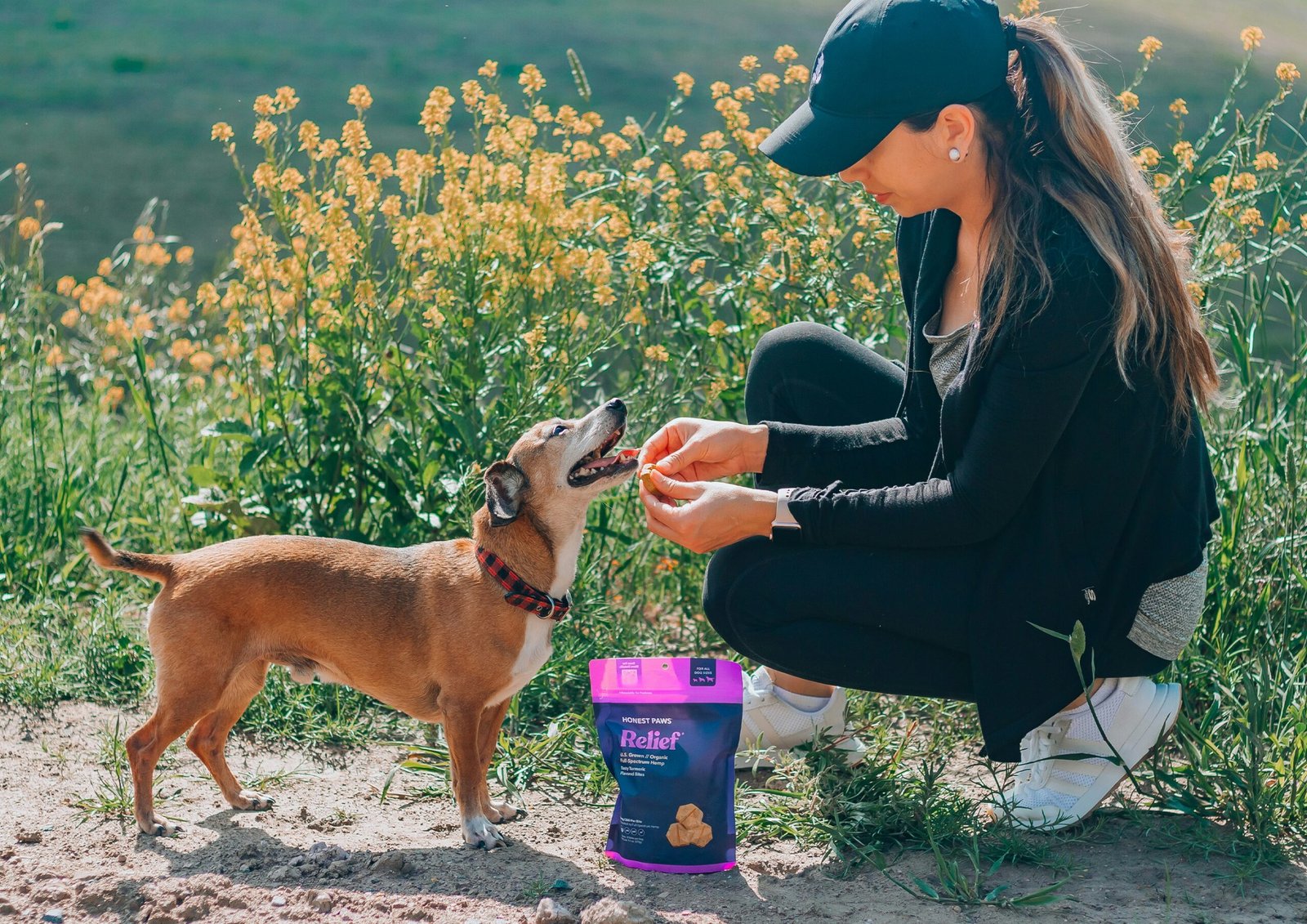
Glucosamine and Chondroitin: The Core Joint Supplement Combination
Glucosamine and chondroitin are the most evidence-backed supplement combination for dogs with joint stiffness or diagnosed arthritis, and they work through two related but distinct mechanisms.
Glucosamine supplies raw material the body uses to maintain and repair cartilage, the cushioning tissue that keeps bones from grinding against each other inside a joint. Chondroitin works alongside it by slowing the enzymatic breakdown of existing cartilage and helping cartilage retain water, which keeps it more resilient under the everyday pressure of standing, walking, and climbing stairs. The two ingredients are considerably more effective combined than either used alone, which is why almost every credible joint formula includes both rather than just one.
These supplements are not fast-acting. Results typically take four to eight weeks of consistent daily use before becoming noticeable, since the body needs that time to incorporate the additional building blocks into ongoing cartilage maintenance. Owners who stop after two weeks because nothing seems different are usually stopping before the supplement has had a real chance to work. For the full breakdown of doses, formats, and how to judge whether a specific product is actually effective, our guide on joint supplements for senior dogs covers this in depth.
Omega-3 Fatty Acids: Joints, Coat, and Cognitive Support
Omega-3 fatty acids, specifically EPA and DHA sourced from fish oil, do three distinct jobs well in a senior dog’s body. They reduce systemic joint inflammation through a different biological pathway than glucosamine and chondroitin, which is why the two are often combined rather than treated as interchangeable. They support skin and coat health, often producing a visibly shinier, less flaky coat within four to six weeks of consistent use. And they support cognitive function, an area of increasing research interest as more senior dogs live long enough to show age-related cognitive changes.
The source of the omega-3 matters considerably. Fish oil, delivering EPA and DHA directly, is significantly more effective in dogs than plant-based omega-3 sources such as flaxseed, which rely on ALA. Dogs convert ALA into usable EPA and DHA very inefficiently, which means a flaxseed-based supplement delivers only a fraction of the practical benefit that a fish oil supplement does, despite similar marketing language on the packaging.
Probiotics: Supporting a Less Stable Gut
Digestion becomes less efficient with age for reasons that go beyond diet alone. Senior dogs produce fewer digestive enzymes, gut motility slows, and the balance of bacteria in the digestive tract shifts in ways that reduce beneficial diversity. A probiotic supplement supports that bacterial balance directly, which in practice tends to show up as firmer, more consistent stools, less gas, and better overall nutrient absorption from the same food the dog was already eating.
Probiotics work best as an ongoing, consistent addition rather than something reached for only when a digestive problem has already appeared. Think of a daily probiotic as gut maintenance rather than a treatment for an active flare-up, though a probiotic can also help stabilise the digestive system during a food transition, when the gut is adjusting to new ingredients.
Targeted Anti-Inflammatory Supplements for Active Joint Pain
For dogs already showing active joint pain rather than mild, early stiffness, targeted anti-inflammatory ingredients go a step beyond standard glucosamine and chondroitin. Turmeric, green-lipped mussel, and boswellia all carry real evidence for reducing inflammation and improving mobility in dogs with more advanced joint disease.
Green-lipped mussel deserves particular attention. It contains a naturally occurring combination of omega-3 fatty acids and glycosaminoglycans, the same structural compounds found in glucosamine and chondroitin supplements, delivered together in a single natural source. Some research suggests this combination performs better for joint inflammation than standard fish oil taken alone, which is why it increasingly appears in more advanced joint formulas alongside, rather than instead of, glucosamine and chondroitin.
Vitamin E and Antioxidants for Immune and Cognitive Support
Antioxidants support immune function generally and help protect cells against the cumulative damage that accelerates ageing. Vitamin E specifically supports both immune health and cognitive function, which makes it particularly relevant for senior dogs showing early signs of cognitive decline, such as disorientation or disrupted sleep patterns.
Many senior-specific dog foods and multivitamins already include meaningful antioxidant levels. If your dog is already eating a genuinely high-quality senior food or taking a well-formulated multivitamin, a separate standalone antioxidant supplement is often unnecessary rather than actively beneficial.
Supplements That Are Commonly Overhyped
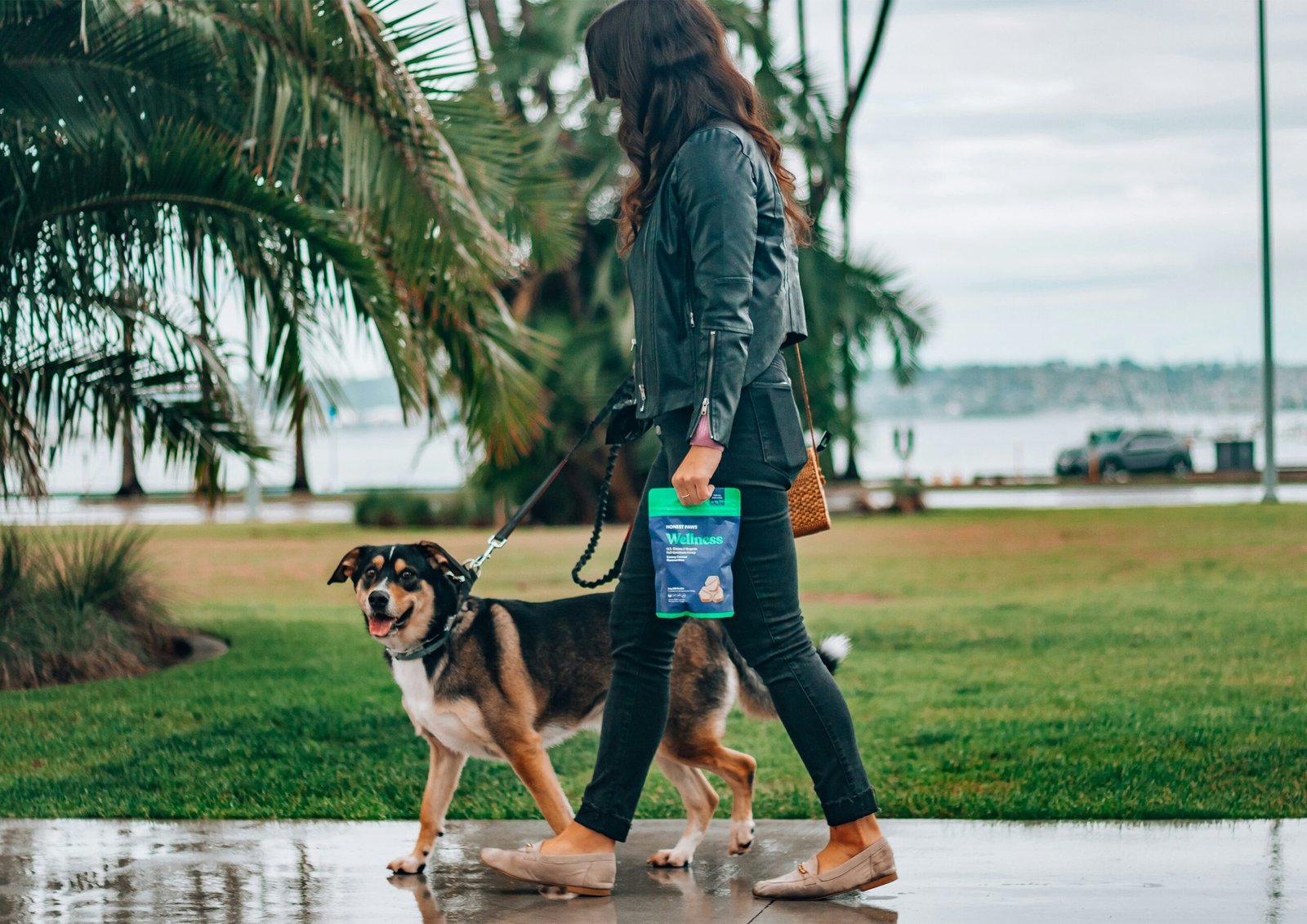
Not every supplement marketed toward senior dogs has strong evidence behind it, and a few categories are worth approaching with more scepticism than the marketing suggests.
Collagen supplements have limited direct evidence in dogs specifically. Most ingested collagen is broken down into its constituent amino acids during digestion before it ever reaches a joint, which undermines the core premise behind many collagen products. Glucosamine and chondroitin have considerably stronger evidence behind them for the same underlying goal.
CBD oil produces genuine benefit in some dogs and no noticeable effect in others, and the research base remains limited compared with glucosamine or omega-3s. Product quality also varies enormously between manufacturers. If you want to try it, choose a reputable brand with third-party testing for potency and contaminants, and discuss it with your vet first, particularly if your dog takes other medication.
Turmeric used alone has genuine anti-inflammatory properties but poor bioavailability in dogs without a complementary ingredient such as black pepper extract to aid absorption. It performs considerably better as part of a combination formula than as a standalone supplement, despite frequently being marketed as sufficient on its own.
Getting Started Safely Once You Know What Your Dog Needs
Identifying the right supplement category is only the first step. Introducing it correctly matters just as much for both safety and for actually being able to tell whether it is working.
Starting more than one new supplement at the same time makes it difficult to identify the cause if your dog has a reaction to any of them. Dosing errors are also more common than most owners expect, particularly with fat-soluble vitamins such as A, D, E, and K, which can accumulate to harmful levels in the body if combined carelessly across multiple products that each contain some amount of the same vitamin.
Our guide on how to introduce dog supplements safely covers the correct step-by-step process, including how long to wait before adding a second supplement and what reactions genuinely warrant stopping. Our guide on how to choose dog supplements the right way covers how to match a supplement to your dog’s specific situation, checking for ingredient overlap, and reading a label properly before you buy anything at all.
FAQ
At what age should I start giving my dog supplements?
Most dogs benefit from starting joint supplements around age six to seven for large breeds and eight to nine for small breeds, before obvious signs of decline appear. A multivitamin can reasonably start earlier as general maintenance, since it supports several systems at a low overall risk.
Can I give my dog too many supplements?
Yes. Fat-soluble vitamins such as A, D, E, and K can accumulate to harmful levels if over-supplemented, particularly when a dog is taking several products that each contain some amount of the same vitamin. Always follow dosing guidelines and check for overlap between products before combining them.
Are human supplements safe for dogs?
Generally no. Human supplements often contain ingredients that are toxic to dogs, xylitol in some chewable vitamins being a common and dangerous example. Always use products formulated specifically for dogs rather than repurposing something from a human medicine cabinet.
How long before I see results from a supplement?
This varies by category. Joint supplements such as glucosamine and chondroitin typically take four to eight weeks. Probiotics often show results within one to two weeks. Omega-3s typically take four to six weeks before coat improvements become visible, since that timeline reflects the natural coat growth cycle rather than the supplement itself acting slowly.
Do supplements replace a good diet?
No. Supplements work on top of a good diet, not instead of one. A poor diet with supplements layered on top is still a poor diet. Get the food right first, our senior dog nutrition basics guide covers what that actually means, and then add supplements to fill the specific gaps that remain.
Should I consult my vet before starting supplements?
For a healthy dog with no existing conditions or medications, most basic supplements, multivitamins, fish oil, probiotics, are reasonable to start without a prior vet visit. For a dog on medication or with a diagnosed condition, always check with your vet first, since some supplements, fish oil and blood thinners being one example, can interact with common medications.
Final Thoughts
Most senior dogs genuinely benefit from the right supplements, but that does not mean every dog needs every supplement available on the shelf. Start by identifying what your specific dog’s body is actually struggling with, whether that is joints, digestion, coat condition, or general immune resilience, and choose the supplement category that addresses that directly rather than reaching for a long list because it is marketed at senior dogs broadly.
Introduce one supplement at a time, give it the four to eight weeks most categories need to show a real effect, and check for ingredient overlap before adding anything new. Supplements are a support tool, not a cure, and they work best alongside good food, appropriate exercise, and regular veterinary care rather than as a replacement for any of them.
For specific product recommendations once you know which category your dog needs, our best supplements for senior dogs guide covers the strongest options across every type.
Sources
https://www.akc.org/expert-advice/nutrition/best-supplements-for-senior-dogs/
https://www.akc.org/expert-advice/health/senior-dog-health/
https://www.petmd.com/dog/nutrition/which-supplements-does-your-senior-dog-need
https://vcahospitals.com/know-your-pet/senior-dog-nutrition
https://www.whole-dog-journal.com/health/aging-dogs-supplements-and-nutrition/

Pingback: 10 Signs Your dog Might Be in pain (And What To Do) - seniordog-care
Pingback: Best Supplements For Senior Dogs - seniordog-care
Pingback: Why Is My Senior Dog Restless at Night: Causes and Solutions
Pingback: Senior Dog Nutrition 101: The Complete Feeding Guide for Older Dogs
Pingback: Multivitamin vs Specific Senior Dog Supplements: Which Does Your Dog Actually Need?
Pingback: How to Choose Dog Supplements the Right way (2026 guide) - seniordog-care
Pingback: How to Introduce Dog Supplements Safely - seniordog-care
Pingback: How to Combine Your Senior Dog's Diet with Supplements - seniordog-care
Pingback: Natural vs Synthetic Dog Supplements for Senior Dogs - seniordog-care
Pingback: How to Help Your Senior Dog Live Longer - seniordog-care
Pingback: How Much Sleep Does a Senior Dog Need? The Truth