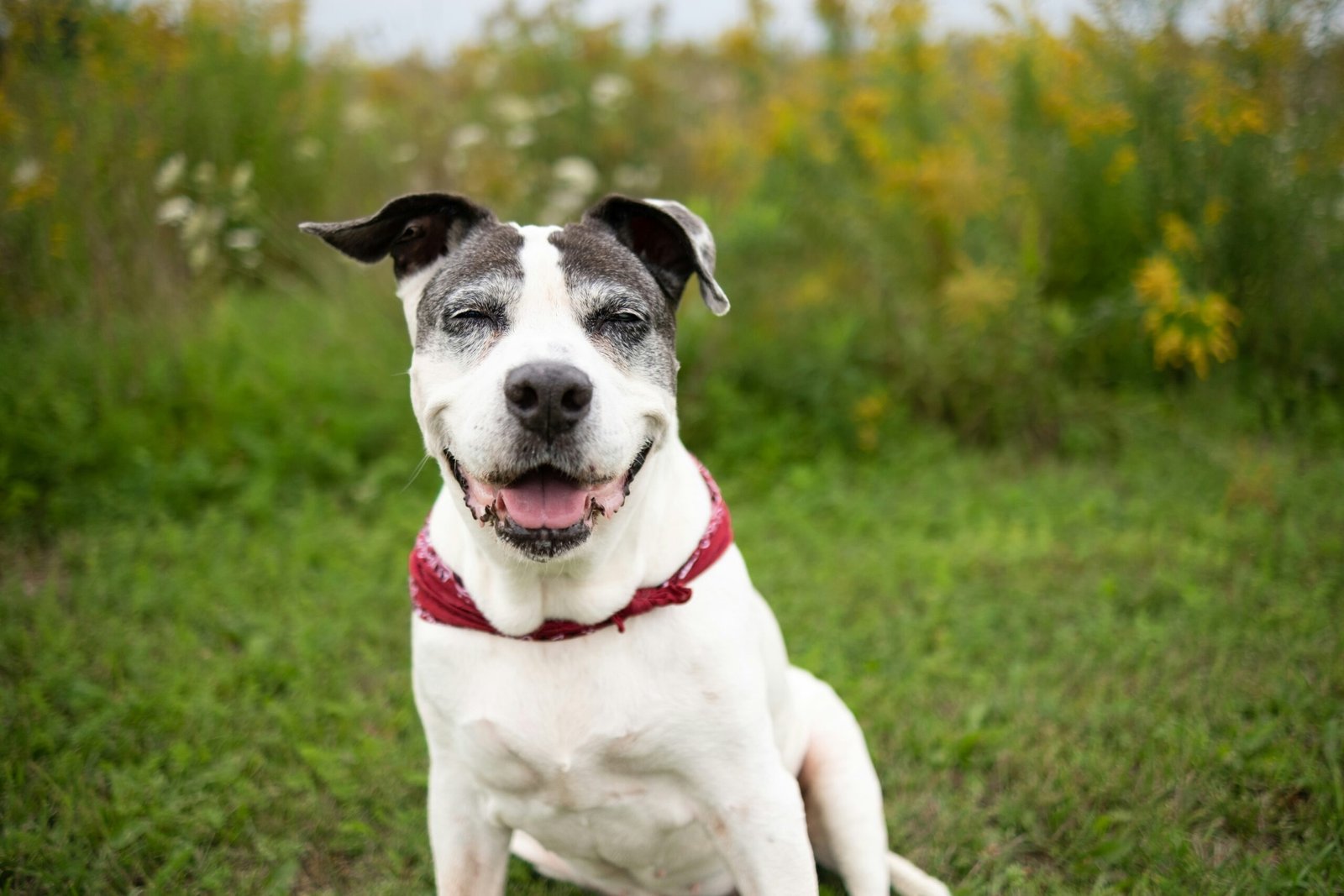
Maintaining joint health & longevity for your senior dog is about more than keeping them active. It is about ensuring every step, jump, and play session stays comfortable rather than something to work around. As dogs age, joints naturally wear down, and conditions such as arthritis, hip dysplasia, and ligament injuries can make daily movement genuinely difficult. Left unaddressed, joint issues gradually reduce mobility, cause ongoing pain, and can shorten a dog’s active years.
With the right combination of nutrition, exercise, home setup, and preventive care, you can support your dog’s joints and meaningfully improve quality of life. This guide brings the full picture together, and links out to dedicated guides for the specifics of each piece. For day-to-day arthritis management specifically, our guide on how to help senior dogs with arthritis at home covers that in depth. For the right amount of activity, our guide on exercise for senior dogs covers how much is genuinely enough. For adapting your home, our guide on how to create a mobility-friendly home covers that room by room. For equipment, our guide to best mobility aids for senior dogs covers the full range.
This post may contain affiliate links. If you buy through these links, I may earn a small commission at no extra cost to you. As an Amazon Associate, I earn from qualifying purchases.
Table of Contents
Understanding Canine Joint Health
Joints wear down with age just as they do in humans. Common problems in senior dogs include arthritis, hip dysplasia, ligament injuries, and general cartilage degeneration, and each can make walking, running, or climbing stairs genuinely uncomfortable.
Watch for hesitation or difficulty jumping onto furniture or into the car, limping or favouring one leg, stiffness after resting or waking, and decreased activity or reluctance to play. Maintaining healthy joints is about more than comfort in isolation. Dogs with strong joints stay more active, maintain a healthier weight, and generally enjoy better overall health as a result. Recognising the signs early means you can intervene with nutrition, exercise, and supportive aids before the decline becomes significant.
Nutrition, Exercise, and Home Setup Working Together
These three pieces reinforce each other rather than working in isolation, and none of them alone produces the full result.
Nutrition matters through joint-supporting supplements such as glucosamine, chondroitin, MSM, and omega-3 fatty acids, alongside weight management, since excess weight adds direct, disproportionate strain to already compromised joints. Our guide on joint supplements for senior dogs covers the science and specific products in depth.
Exercise needs to be low-impact and consistent rather than intense and occasional. Short, frequent walks, swimming or hydrotherapy where accessible, and gentle stretching all support joint flexibility without adding the impact stress that worsens cartilage wear. Our guide on exercise for senior dogs covers exactly how much activity is right at this stage of life.
Home setup removes daily obstacles that add up over time. Ramps replace jumping, non-slip flooring prevents the slips that force joints to overcompensate, and accessible feeding and sleeping areas remove unnecessary strain from ordinary daily routines. Our guide on how to create a mobility-friendly home covers this room by room, and our guide to best mobility aids for senior dogs covers the specific equipment worth considering.

Preventive Healthcare
Diet, exercise, and home modifications matter, but regular veterinary care catches problems before they become painful or debilitating, and it deserves its own place in this picture rather than being treated as an afterthought.
Regular check-ups, ideally twice yearly for a senior dog, let your vet assess joint health, monitor weight, and check for early signs of arthritis or hip dysplasia well before they become obvious at home. Joint screenings and imaging, X-rays or ultrasounds where relevant, give a clear view of cartilage and bone condition for breeds prone to joint problems, enabling earlier, more targeted intervention. Early action on any sign of joint pain, limping, stiffness, reluctance to move, tends to slow progression considerably more effectively than waiting to see if it resolves on its own.
Lifestyle Factors That Support Longevity Beyond the Physical
A few everyday factors support joint health and overall longevity in ways that go beyond diet, exercise, and the home environment directly.
Mental stimulation matters more than owners often realise, since cognitive and physical health are genuinely linked in ageing dogs. Puzzle feeders and interactive toys encourage the kind of gentle, engaged movement that supports joint flexibility, while also keeping a senior dog’s mind active as cognitive decline becomes an increasing concern with age.
Consistent, moderate activity rather than intense bursts protects joints while still maintaining muscle strength and cardiovascular health, echoing the same low-impact principle that applies to structured exercise.
Social interaction, with family, other dogs, or simply consistent daily engagement, reduces stress and encourages natural movement in a way that benefits both emotional wellbeing and physical activity levels together, rather than being a separate, unrelated concern from joint health.
Why Joint Health and Longevity Are Not Separate Goals
It is easy to treat joint health as one item on a longer checklist of senior dog care, alongside dental care, coat condition, and general wellness, each addressed somewhat independently. For longevity specifically, this framing understates how central joint function actually is to almost everything else that determines how long and how well a dog lives.
A dog whose joints hurt moves less. A dog that moves less loses muscle mass faster than one that stays active, and that muscle loss further destabilises the joints that were already struggling, creating a cycle that accelerates rather than plateaus on its own. Reduced movement also affects weight, since a less active dog burns fewer calories at the same food intake, and the resulting weight gain adds further mechanical load back onto the joints driving the whole cycle in the first place. What began as a joint problem in isolation becomes a weight problem, a muscle problem, and often a mood and engagement problem as well, all interconnected rather than separate.
This is why joint health functions less like one item on a list and more like a load-bearing pillar underneath several other aspects of a senior dog’s wellbeing. Protecting it early, before this cycle has meaningfully started, tends to produce outsized benefits across a dog’s general vitality, not just its comfort walking from room to room. Conversely, letting joint problems progress unaddressed tends to produce consequences that ripple outward into weight, muscle tone, mood, and overall activity level in ways that are easy to underestimate if joint health is treated as a narrow, isolated concern.
How Breed and Body Type Shape a Dog’s Joint Health Trajectory
Not every dog approaches joint health from the same starting point, and understanding where your specific dog sits on that spectrum helps calibrate how proactively to approach the guidance covered throughout this article.
Large and giant breeds carry more mechanical load through every joint across a lifetime simply by virtue of their size, which is why conditions such as hip dysplasia and early-onset arthritis appear disproportionately in breeds like German Shepherds, Labradors, and Great Danes. For these dogs, starting joint-focused nutrition and gentle, appropriate exercise habits well before any visible symptoms appear, sometimes as early as five or six years old, tends to produce meaningfully better long-term outcomes than waiting for the first signs of stiffness to appear.
Smaller breeds are not exempt, but their risk profile looks different. Many small breeds are prone to specific joint conditions such as patellar luxation, a kneecap that slips out of position, which has little to do with the cumulative mechanical wear that affects larger dogs and more to do with structural, often genetic, joint conformation. Small dogs also tend to remain visibly mobile for longer, which paradoxically means joint problems can go unnoticed longer too, since a thirty-pound reduction in equivalent load simply produces less obvious daily strain than the same underlying issue would in an eighty-pound dog.
Body condition matters across every breed and size, but its impact scales with the dog’s frame. The same few extra pounds that a large breed’s joints absorb without much visible consequence can represent a proportionally much larger burden on a small dog’s considerably smaller joint surfaces. Knowing your own dog’s breed-typical risks, rather than applying one generic timeline to every dog regardless of size or type, is what actually makes a joint health plan proactive rather than reactive.
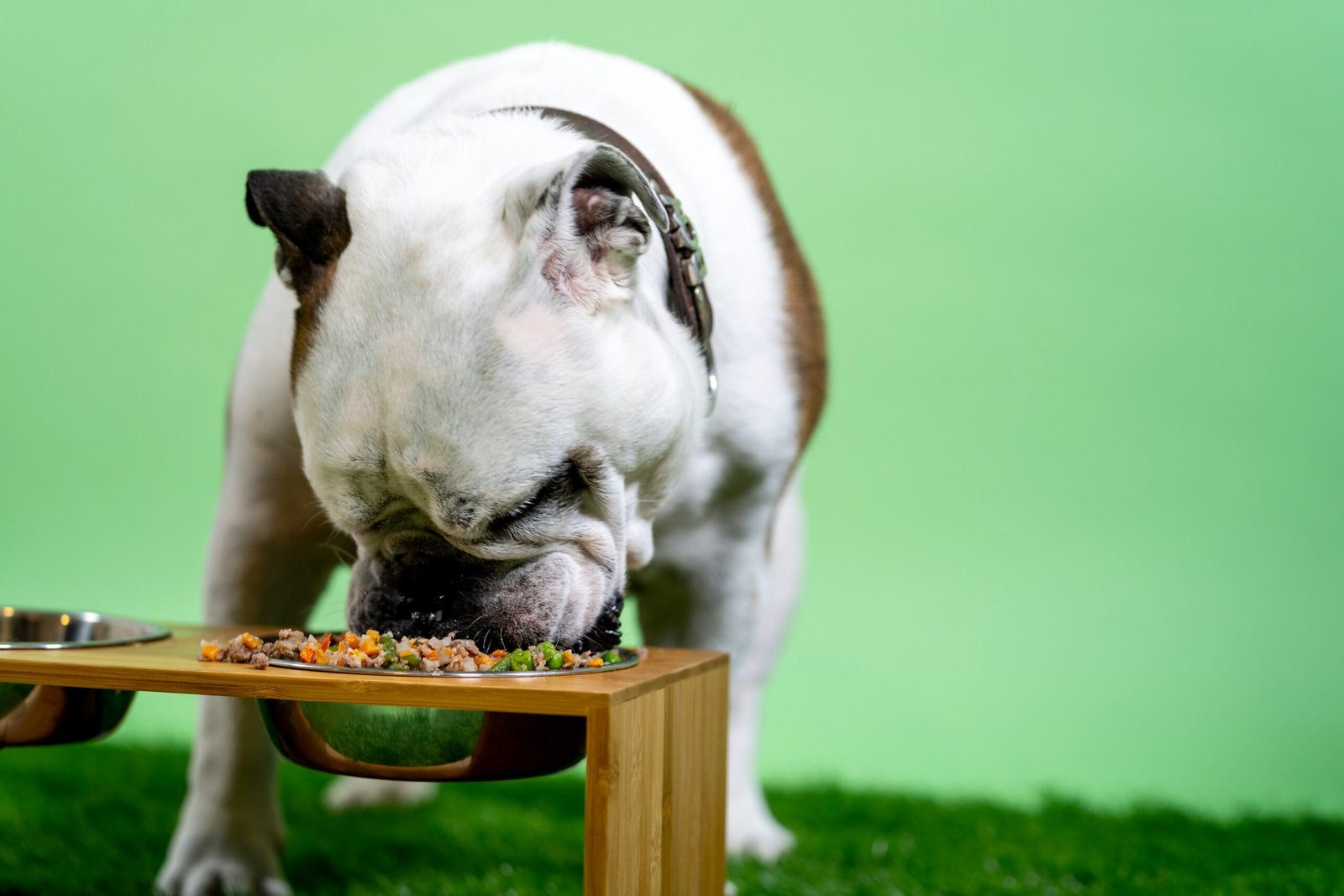
Signs That Your Current Approach Needs Adjusting
A joint health plan that was working well is not guaranteed to remain sufficient indefinitely, and recognising when an adjustment is needed matters as much as setting up the plan in the first place.
Watch for a previously effective supplement or exercise routine that no longer seems to be producing the same improvement it once did, since this often signals that the underlying condition has progressed to a point beyond what the current approach was designed to address, rather than meaning the approach itself has simply stopped working. A dog that was managing well on a general joint supplement but has started showing more pronounced stiffness may need a stronger, more targeted formula, or a conversation with your vet about whether the condition has advanced into a new stage.
Watch too for a mismatch developing between your dog’s exercise tolerance and the routine you have settled into. A walk length or intensity that was comfortably within your dog’s capacity six months ago may now be pushing slightly past it, showing up as increased stiffness the following day rather than during the activity itself, which makes this particular sign easy to miss unless you are specifically looking for it.
Finally, pay attention to your own sense of whether your dog seems to be plateauing, improving, or gradually declining despite consistent effort on your part. A joint health plan is not a one-time setup but an ongoing relationship between what your dog needs and what you are currently providing, and periodically stepping back to honestly assess which direction that relationship is trending in is what keeps a good plan good, rather than letting it quietly become outdated as your dog’s actual needs continue to shift.
FAQ
How can I tell if my dog has joint problems?
Common signs include limping, stiffness, hesitation to jump or climb stairs, slower movement, or reduced interest in play. Some dogs lick or chew at sore areas. Any combination of these is worth a vet visit for a proper joint health check.
What are the best supplements for joint health?
Look for glucosamine, chondroitin, MSM, and omega-3 fatty acids at disclosed, meaningful doses. Our guide to best joint supplements for senior dogs covers specific products worth considering.
Can exercise make joint problems worse?
Too much or high-impact activity can worsen pain, but low-impact exercise such as swimming, gentle walks, or hydrotherapy genuinely strengthens muscles and protects joints when balanced with adequate rest.
How often should I take my senior dog to the vet?
At least twice a year for a wellness exam. These visits help track joint health, catch early signs of arthritis, and adjust supplements or medication as needed before problems become significant.
Can diet alone improve my dog’s joint health?
A balanced diet rich in omega-3s, antioxidants, and quality protein reduces inflammation and supports cartilage, but for most senior dogs, combining diet with supplements and appropriate exercise produces meaningfully better results than diet alone.
Do small dogs need joint care too?
Yes. Large breeds carry a higher risk given their size, but small and medium dogs experience genuine joint wear with age as well. Prevention matters regardless of size.
Final Thoughts
Caring for a senior dog’s joint health and longevity means bringing nutrition, exercise, home setup, and preventive veterinary care together, rather than relying on any single piece to do the full job on its own. Being proactive, scheduling regular vet visits, choosing joint-supportive nutrition, keeping activity consistent and low-impact, and adapting the home environment, gives your dog the best realistic chance at staying active and comfortable for as many years as possible.
For the specifics of any one piece covered here, the dedicated guides linked throughout this article go considerably deeper than an overview like this one can.


Pingback: How to Create a Mobility-Friendly Home for Your Dog 101
Pingback: Best Mobility Aids for Senior Dogs – 2026 Guide
Pingback: How to Help Your Senior Dog Live Longer - seniordog-care
Pingback: Bad Signs of Arthritis in Senior Dogs: How to Recognize It Early - seniordog-care
Pingback: Are Heating Pads Good for Senior Dogs with Arthritis? - seniordog-care