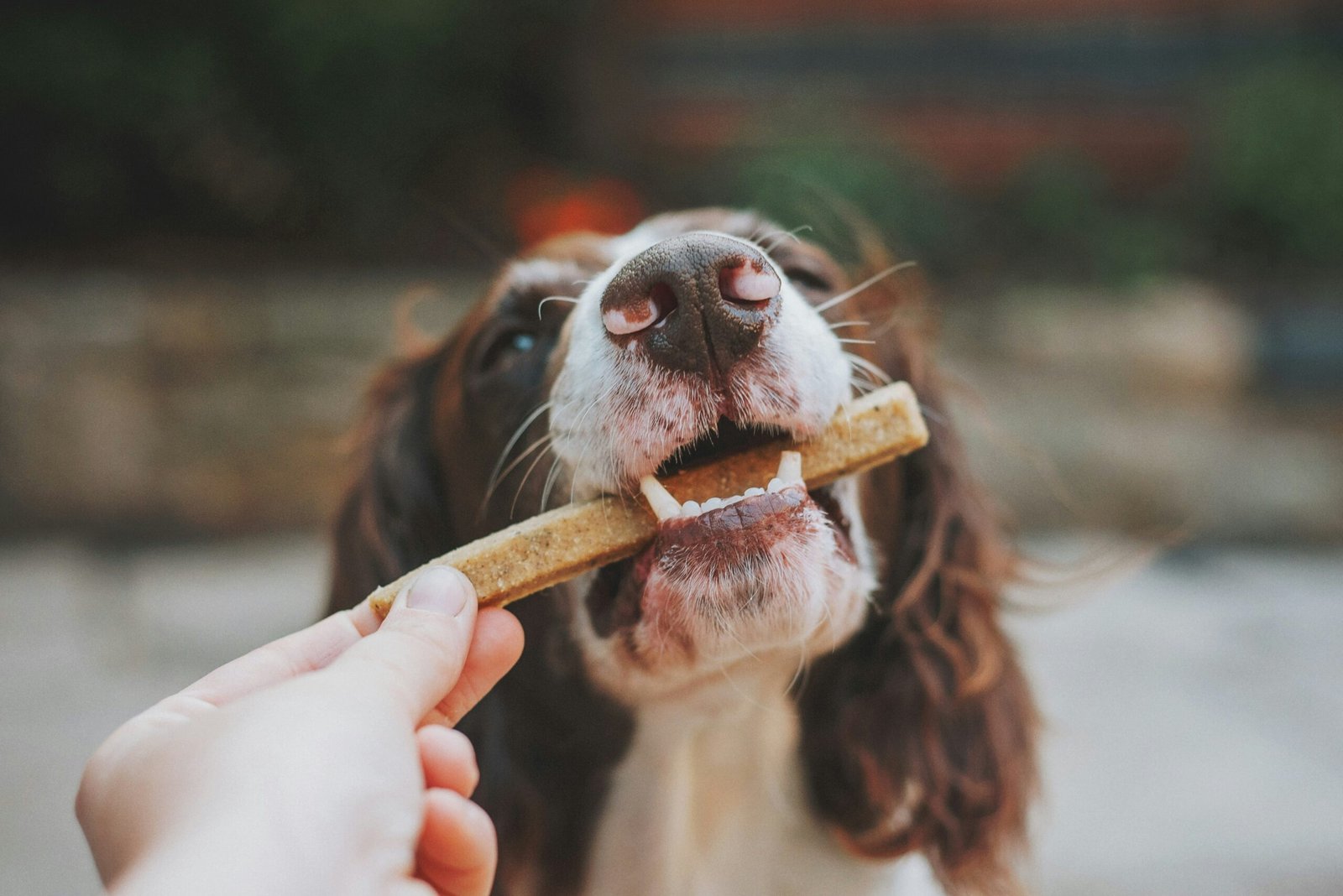
The best dog toothbrush for senior dogs is one that cleans effectively without causing enough discomfort to make the dog resist the next session. For a senior dog with sensitive or receding gums, that distinction matters more than any other feature on the packaging.
Dental disease is present in the majority of dogs over seven years of age. It is not a cosmetic problem. Bacteria from infected gum tissue enter the bloodstream and place additional strain on the heart, kidneys and liver, all of which are already under greater demand in an older dog. The right toothbrush and toothpaste, used consistently every day, is one of the most direct contributions you can make to your senior dog’s long-term health.
Table of Contents
Why Dental Care Becomes More Critical as Dogs Age
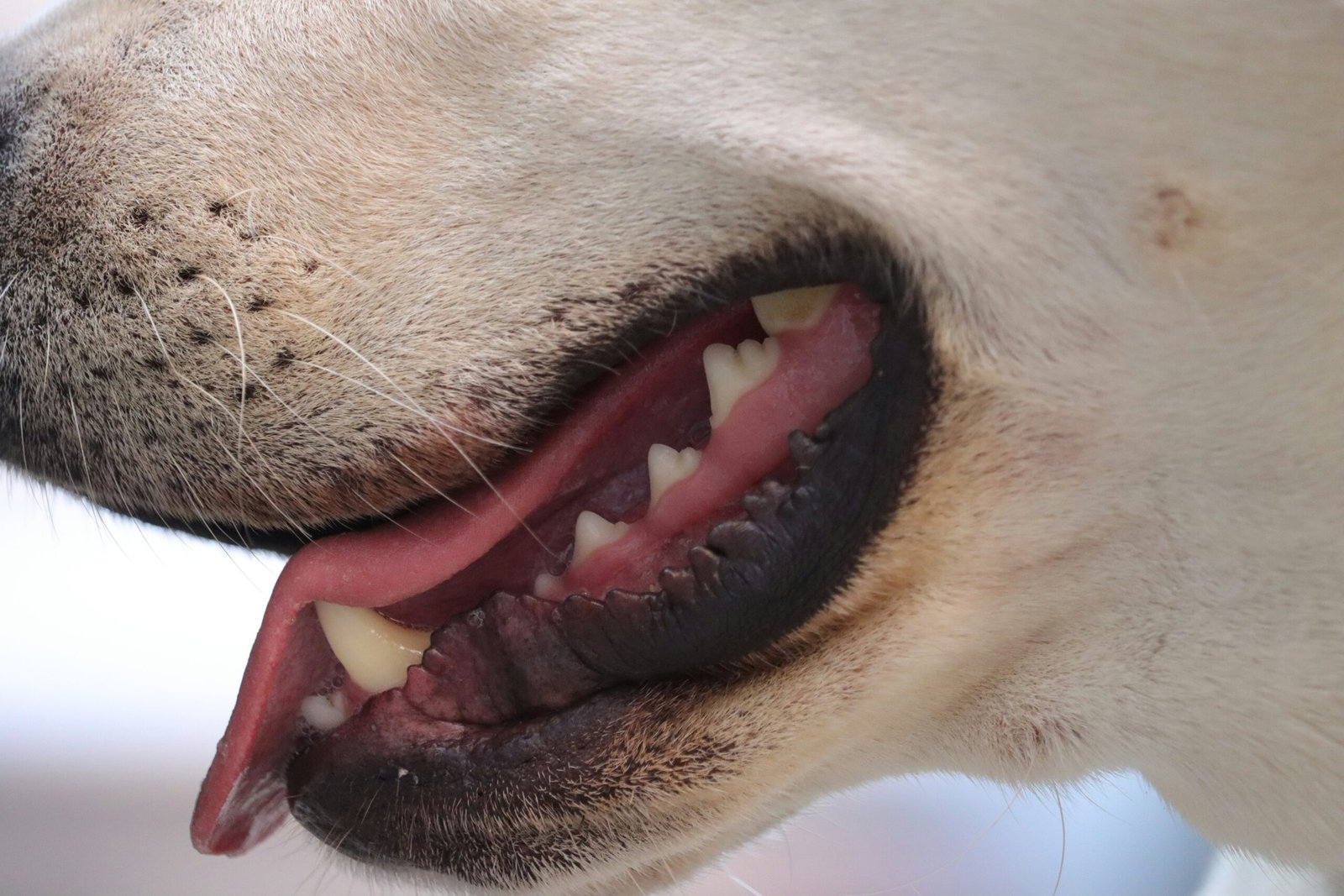
A younger dog with healthy gums and minimal tartar buildup is relatively forgiving of inconsistent brushing. A senior dog is not. By the time a dog reaches seven years old, the cumulative effect of years of bacterial activity in the mouth has usually produced some level of tartar, gum recession or early periodontal disease. At this stage, consistent daily brushing is not maintenance. It is active management of a condition that worsens without intervention.
The gums of an older dog are more sensitive than those of a younger dog. Receding gums expose more of the tooth root, which responds more sharply to pressure. A toothbrush with bristles that are too firm causes enough discomfort that the dog resists the next session, which leads to less frequent brushing, which accelerates the dental disease. Softness of bristle is the single most important feature of any toothbrush for a senior dog.
The connection between dental health and overall health is direct. Periodontal bacteria that enter the bloodstream through inflamed gum tissue have been linked to cardiac and kidney disease in dogs. For a senior dog already managing either of these conditions, dental disease adds a bacterial load to an already compromised system. This is entirely addressable with the right tools used consistently.
Quick Picks
Best finger brush: Jasper 360 Dog Tooth Brushing Kit, patented 360 degree silicone design, soft enough for sensitive senior gums, the best starting point for dogs new to brushing or that resist a handled brush.
Best handled brush: Pets and Pupps Dual Head Dog Toothbrush, ultra-soft bristles, dual head for full mouth coverage, non-slip handle, well suited to medium and large senior dogs.
Best professional brush: Petsmile Professional Dog Toothbrush, patented 45 degree brush head, VOHC recommended bristles, cleans below the gumline, the highest specification manual brush on this list.
Best complete kit: Vet’s Best Enzymatic Dog Toothbrush and Toothpaste Set, triple-headed brush plus enzymatic toothpaste with natural ingredients, everything needed in one purchase, veterinarian formulated.
Best kit for first-time routine: Arm and Hammer Dog Dental Kit, enzymatic toothpaste with baking soda, double-sided brush and finger brush included, the most accessible entry point for owners starting a brushing routine.
Best toothpaste for existing dental disease: Virbac C.E.T. Enzymatic Toothpaste, dual enzyme system, number one vet-recommended dental brand, the strongest enzymatic option for dogs with active periodontal disease.
If you are introducing brushing for the first time with a senior dog, start with the Jasper finger brush and the Arm and Hammer kit. The finger brush is less confrontational than a handled brush and the kit gives you everything you need at a low entry price. Once the routine is established, upgrade to the Virbac toothpaste for its stronger enzymatic concentration.
What to Look for in a Dog Toothbrush for Senior Dogs
Soft or silicone bristles without exception. Hard and medium bristles are not appropriate for senior dogs with sensitive or receding gums. Every product reviewed here uses soft or silicone bristles specifically because of the gum sensitivity that age brings.
Full coverage without force. A toothbrush that reaches the back upper teeth, where tartar accumulates fastest, without requiring the owner to push the brush uncomfortably far into the mouth reduces the handling demand on a dog that may already be uncertain about oral contact.
A design the dog will tolerate. The most effective toothbrush is the one that gets used every day. For a dog that has never been brushed, a finger brush reduces the psychological barrier significantly compared to a handled brush because it mimics the feel of normal oral handling.
Dog-formulated toothpaste only. Human toothpaste contains fluoride, which is toxic to dogs when swallowed. Dogs cannot rinse and spit. Every toothpaste option reviewed here is specifically formulated to be safe when ingested. Never substitute human toothpaste regardless of how mild the formulation appears.
Enzymatic toothpaste where possible. Enzymatic toothpastes contain enzymes that continue breaking down bacterial biofilm after brushing has stopped. This extends the effective window of each session and is particularly relevant for a senior dog where bacterial load in the mouth is already higher than in a younger dog.
Best Dog Toothbrush for Senior Dogs
Jasper 360 Dog Tooth Brushing Kit
Verdict: The most practical starting point for any senior dog being introduced to brushing for the first time, and the best ongoing option for dogs that resist handled brushes. The patented 360 degree silicone design surrounds the tooth surface with each pass, which means you do not need to angle or reposition the brush repeatedly to cover all surfaces. The soft silicone bristles are gentler on sensitive gums than traditional nylon bristles, and the finger-fit design gives you direct tactile control of pressure throughout the session. Ranked number two in Dog Toothbrushes on Amazon.
Pros:
- 360 degree silicone bristles clean all tooth surfaces in a single pass
- Softer on sensitive and receding senior gums than traditional bristles
- Finger-fit design gives direct pressure control
- 100% food grade silicone, BPA free and safe for dogs
- Can be sterilised by boiling
- Suitable for dogs and cats of all sizes
- Very low cost, sold in multipacks
Cons:
- Places the hand closer to the dog’s mouth than a handled brush
- Less reach for the back teeth in large breeds compared to a long-handled brush
- Silicone bristles are effective for plaque biofilm but less abrasive than nylon for heavy tartar
Who should not buy this: Owners of large breeds where reaching the back teeth with a finger brush is genuinely difficult due to mouth depth. For those dogs, transitioning to a long-handled brush after initial introduction is more practical for full coverage.
Pets and Pupps Dual Head Dog Toothbrush
Verdict: The best handled toothbrush for senior dogs that already accept oral handling. The dual-head design covers both large and small tooth surfaces without switching tools, which reduces session length. The ultra-soft bristles are specifically designed for dogs with sensitive gums, and the non-slip handle gives consistent control even when the dog moves. The patented design accommodates dogs over 12 lbs without needing a separate size, which suits the majority of medium and large senior dogs.
Pros:
- Ultra-soft bristles designed specifically for sensitive gums
- Dual-head covers large and small teeth without switching tools
- Non-slip handle maintains control during an uncooperative session
- Premium pet-safe materials that protect gum tissue even with movement
- Suitable for medium and large breeds
- Low cost
Cons:
- Not the best first introduction for dogs that have never been brushed
- Bristles have shown wear under thirty days with frequent use in some reviews
- The rubber grip component can be chewed off by dogs that mouth their brush
Who should not buy this: Dogs that have never had their teeth brushed and are likely to resist a standard handled brush. Start with the Jasper finger brush to build tolerance, then transition to this brush once the dog accepts oral handling without resistance.
Petsmile Professional Dog Toothbrush
Verdict: The highest specification manual brush on this list. The patented 45 degree brush head positions the centre bristles to clean below the gumline where plaque and bacteria accumulate, while the angled side bristles polish the tooth enamel simultaneously. VOHC recommended bristles, dual-ended with a large and small head, and an ergonomic non-slip handle that maintains the correct brushing angle throughout. Developed under Dr Irwin Smigel, the dentist behind the Supersmile whitening brand, and designed to pair with Petsmile Professional Toothpaste for maximum clinical effect.
Pros:
- Patented 45 degree head cleans below the gumline where standard brushes do not reach
- VOHC recommended soft nylon bristles
- Dual-ended with large and small head for full mouth coverage
- Ergonomic non-slip handle maintains correct brushing angle
- Five tufted rows of DuPont soft nylon bristles
- Suitable for dogs and cats of all sizes
Cons:
- Higher price point than standard brushes
- No toothpaste included
- Some dogs find the angled head harder to accept initially than a standard brush shape
Who should not buy this: Owners whose senior dogs have never been brushed and are still building tolerance for oral handling. Establish the brushing habit with a finger brush or standard brush first. The Petsmile brush delivers its full benefit once the dog accepts daily brushing without resistance.
Vet’s Best Enzymatic Dog Toothbrush and Toothpaste Set
Verdict: The best complete kit for senior dogs because it combines a triple-headed brush that cleans from multiple angles simultaneously with a veterinarian-formulated enzymatic toothpaste that continues working after brushing stops. The formula uses aloe, neem oil, grapefruit seed extract, baking soda and glucose oxidase enzymes to break down bacterial biofilm both during and after each session. With over 88,000 reviews and consistent veterinary recommendation, this is the most proven dental kit available for dogs at home.
Pros:
- Triple-headed brush cleans all surfaces of each tooth simultaneously
- Enzymatic toothpaste continues working after brushing stops
- Veterinarian formulated with natural ingredients including aloe and neem oil
- Finger brush included for introduction or sensitive area cleaning
- Natural flavour accepted by most dogs without resistance
- No fluoride, safe when swallowed
- Complete kit in one purchase
Cons:
- The rigid central component of the triple-headed brush can cause discomfort on exposed root surfaces in dogs with significant gum recession
- Some dogs prefer a regular soft bristle brush over the triple head design
- For dogs with severe periodontal disease, the Virbac toothpaste below is a stronger enzymatic option
Who should not buy this: Senior dogs with severe gum recession where the rigid central component causes discomfort on exposed root surfaces. For those dogs, the enzymatic toothpaste from this kit paired with the Jasper finger brush or the Pets and Pupps handled brush is the better combination.
Arm and Hammer Dog Dental Kit
Verdict: The most accessible entry point for owners starting a brushing routine for the first time. The three-piece kit includes enzymatic toothpaste with baking soda, a double-sided brush and a finger brush, which covers every approach to brushing in a single low-cost purchase. The enzymatic formula targets plaque and tartar during brushing, and the baking soda neutralises odour compounds at source rather than masking them. The chicken flavour is accepted readily by most dogs, which is one of the most important practical factors for building a daily habit.
Pros:
- Complete three-piece kit at very low cost
- Enzymatic formula with baking soda for plaque, tartar and odour control
- Double-sided brush plus finger brush covers all brushing approaches
- Fluoride-free, dye-free and safe for daily use
- Chicken flavour accepted by most dogs
- Widely available in pet stores and online
Cons:
- Enzymatic concentration is lower than Virbac for dogs with active periodontal disease
- Bristle quality on the included brush is functional but not at the level of the Petsmile or Pets and Pupps options
- Some dogs prefer beef or peanut butter flavour over chicken
Who should not buy this: Senior dogs with diagnosed periodontal disease or significant existing tartar where maximum enzymatic concentration matters. For those dogs start here to build the habit, then switch to Virbac toothpaste once the routine is established.
Virbac C.E.T. Enzymatic Toothpaste
Verdict: The most clinically effective toothpaste on this list for senior dogs with existing dental disease. The dual enzyme system, combining glucose oxidase and lactoperoxidase, inhibits plaque formation both during and after brushing by working directly with the dog’s saliva. As the number one vet-recommended dental brand and made in the USA, Virbac has the most consistent veterinary endorsement of any product reviewed here. Available in five flavours including poultry, vanilla mint, beef, malt and seafood, which gives you genuine flexibility for a dog that refuses certain tastes.
Pros:
- Dual enzyme system is the strongest enzymatic formula on this list
- Number one vet-recommended dental brand
- No foaming agents, completely safe to swallow
- Available in five flavours for dogs that refuse specific tastes
- Works with the dog’s own saliva to extend cleaning effect after brushing
- Made in the USA
Cons:
- Higher price than standard dog toothpastes
- Toothbrush not included
- Some dogs initially refuse new flavours regardless of formulation
Who should not buy this: Owners whose dogs have no existing dental disease and whose primary goal is routine prevention. The Arm and Hammer kit or Vet’s Best toothpaste handles routine maintenance at a lower price point. Virbac is the right choice when existing periodontal disease makes maximum enzymatic strength a priority.
Comparison Table
| Product | Type | Best For | Enzymatic | Price Tier |
|---|---|---|---|---|
| Jasper 360 Finger Brush | Finger brush | First-time brushing, brush-averse dogs | N/A | Low |
| Pets and Pupps Dual Head | Handled brush | Medium and large dogs that accept brushing | N/A | Low |
| Petsmile Professional Brush | Professional brush | Below-gumline cleaning, established routine | N/A | Mid |
| Vet’s Best Kit | Triple brush and toothpaste | Complete setup, enzymatic cleaning | Yes | Low |
| Arm and Hammer Kit | Brush and toothpaste kit | First-time routine, budget-conscious owners | Yes | Low |
| Virbac C.E.T. Toothpaste | Toothpaste only | Existing dental disease | Yes | Mid |
How to Build a Brushing Routine for a Senior Dog
The brush and toothpaste are only part of the equation. A senior dog that has never been brushed, or that associates oral handling with past discomfort, needs a gradual introduction before a full session is realistic.
Start by letting the dog taste the toothpaste from your finger for several days without introducing any brush. The goal is for the dog to associate the toothpaste with something positive before any handling begins.
Once the dog accepts the toothpaste readily, run a finger along the outer gum line of the upper teeth. Reward immediately and stop. Do this over several sessions before introducing the brush.
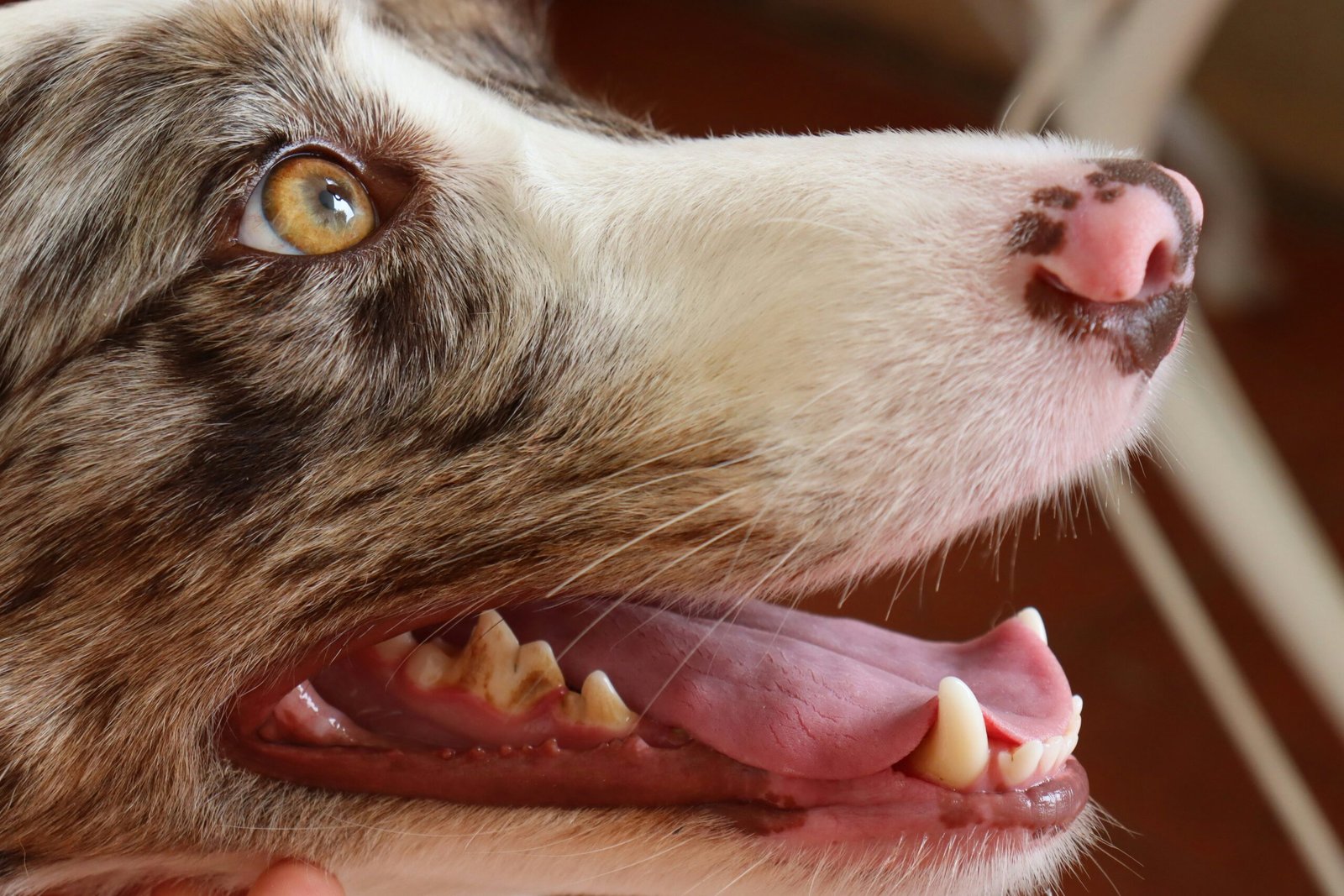
When the brush comes in, focus on the outer surfaces of the upper back teeth first. These are the highest priority area for tartar control and where periodontal disease typically begins. Build up to a full mouth session gradually once the dog tolerates the initial contact without pulling away.
Two minutes is the target for a full brushing session. Most dogs reach this tolerance within two to three weeks of consistent gradual introduction. Consistency matters far more than duration in the early stages.
For the broader context on building a grooming routine that accounts for all of the physical changes that come with age, this guide to how to groom a senior dog at home covers every aspect of home grooming for older dogs. For the tools that support the rest of the grooming routine alongside dental care, this guide to the best grooming tools for senior dogs covers every category. For the full picture on what changes about grooming as dogs age, the senior dog grooming guide covers coat, nails, ears and dental care in full.
FAQ
How often should I brush my senior dog’s teeth?
Daily is the target. The bacterial biofilm that leads to tartar formation begins rebuilding within twenty-four hours of being disrupted. Brushing every two to three days allows significant reaccumulation between sessions. If daily is not achievable, four to five times per week produces meaningfully better outcomes than twice weekly.
My senior dog already has visible tartar. Will brushing remove it?
No. Brushing prevents new tartar from forming but cannot remove tartar that has already hardened on the tooth surface. Existing tartar requires a professional veterinary dental cleaning under anaesthesia. Once the tartar has been removed professionally, daily brushing with an enzymatic toothpaste maintains the result and prevents rapid reaccumulation.
Are dental chews a substitute for brushing?
No, but they are a useful supplement. Dental chews reduce bacterial load and provide some mechanical cleaning of the surfaces they contact. They do not reach the gum line or the spaces between teeth where periodontal disease begins, which is where brushing is irreplaceable.
My senior dog snaps when I try to brush its teeth. What should I do?
Snapping during oral handling in a senior dog is almost always a pain response rather than a temperament issue. Have the mouth examined by a vet before attempting to establish a brushing routine. A dog with existing dental pain will not tolerate oral handling regardless of how gradually you introduce it. Once any pain source is addressed, the gradual introduction process above becomes realistic.
What is the difference between enzymatic toothpaste and regular dog toothpaste?
Regular dog toothpaste cleans mechanically during brushing and stops working when you stop brushing. Enzymatic toothpaste contains enzymes that continue breaking down bacterial biofilm in the saliva after brushing has stopped, extending the effective window of each session. For a senior dog with active dental disease, that continued activity after brushing is the meaningful difference between the two.
Final Thoughts
The best dog toothbrush for senior dogs is the one that gets used every day. A well-designed brush sitting unused does nothing for your dog’s dental health. A basic option used consistently every evening produces real results over months and years.
Start with whatever makes daily brushing most achievable for you and most tolerable for your dog. The Jasper finger brush for a dog new to brushing, the Pets and Pupps or Petsmile handled brush for a dog that accepts oral handling, the Arm and Hammer kit when you want everything in one low-cost purchase, and Virbac toothpaste when the dog already has active dental disease and needs the strongest enzymatic formula available. Build the habit first and refine the tools once the routine is established.