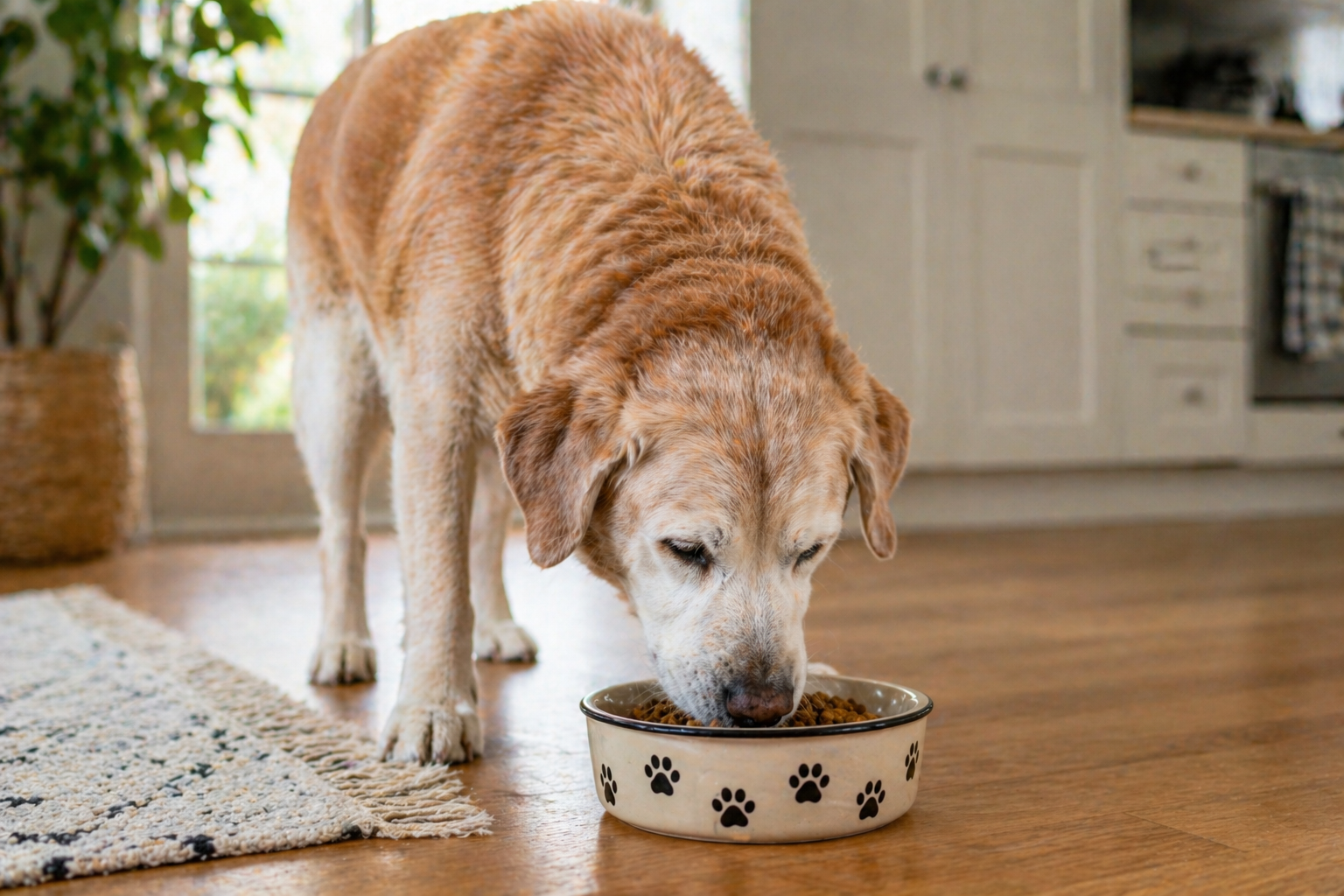
The best senior dog food is not the same for every dog, and that is exactly where most buying guides get it wrong. A dog with stiff joints needs something different from a dog with a sensitive stomach. A dog that gains weight easily needs something different from one with food allergies. Handing someone a generic top five list without context does not help them make the right decision for their specific dog.
Nutrition is one of the highest-return decisions you make for an aging dog. Cheap food leads to preventable problems. That is something I learned the hard way. The right food does not just fill the bowl. It affects how your dog moves, recovers, digests, and feels across years.
This guide gives you the best senior dog food for six specific situations, so you can match the product to what your dog actually needs right now.
By Seniordog-care..
This post may contain affiliate links. If you buy through these links, I may earn a small commission at no extra cost to you. As an Amazon Associate, I earn from qualifying purchases.
Table of Contents
Why Senior Dogs Need a Different Food
Senior dogs have different nutritional requirements than adult dogs, and the gap between the two is larger than most owners realise. Metabolism slows from age seven onward in most medium and large breeds. Muscle mass declines through sarcopenia. Joint cartilage thins. Digestive efficiency drops. A food that was adequate at age three is often actively inadequate at age nine.
The core nutritional shifts required for aging dogs are consistent across the research: higher quality protein to maintain muscle, controlled calories to prevent weight gain on a slower metabolism, omega-3 fatty acids to reduce systemic inflammation, and digestive support to maintain nutrient absorption as gut function declines.
What changes between dogs is the priority. A lean, active ten-year-old with no joint issues has different priorities from an overweight eight-year-old with early arthritis. That is why selecting by health need rather than by a generic ranking produces better outcomes.
For a full breakdown of what the nutritional research says about aging dog diets, the guide on senior dog nutrition covers the science in detail.
What to Look for in the Best Senior Dog Food
Before reviewing the six picks, here are the criteria that separate a genuinely good senior formula from one that just carries the senior label.
Named protein source as the first ingredient. Chicken, salmon, lamb, or turkey listed first indicates the food is protein-led rather than carbohydrate-led. Vague labels like “meat meal” or “animal by-products” as the primary ingredient are a signal to look elsewhere.
Appropriate protein levels. Senior dogs need adequate protein to maintain muscle mass. The outdated advice to reduce protein in older dogs applies only to dogs with diagnosed kidney disease, not healthy seniors. Look for crude protein above 25 percent on the guaranteed analysis.
Omega-3 fatty acids. EPA and DHA from fish oil reduce the systemic inflammation that drives joint deterioration, cognitive decline, and skin issues in aging dogs. These should appear explicitly on the ingredient list, not just as a vague “healthy fats” claim.
Controlled calorie density. Senior formulas should be calorie-controlled without stripping protein. A food that reduces calories by reducing protein is the wrong trade-off. The calorie reduction should come from fat and carbohydrate sources.
Digestive support. Prebiotics, probiotics, or fermentable fibre sources help maintain gut health as digestive efficiency declines with age. These make a measurable difference in stool quality and nutrient absorption.
AAFCO compliance for senior or all life stages. AAFCO compliance for senior or all life stages. The packaging should state the food meets AAFCO nutritional guidelines for senior dogs or for all life stages. This is the baseline quality threshold.
This list covers formulas suited to most senior dogs regardless of size. If you have a small breed senior specifically, kibble size and calorie needs differ enough to warrant a dedicated look, our guide to the best dog foods for small senior dogs covers that ground directly. or if you have a big breed senior Best Dog Food for Big Senior Dogs.
Quick Picks: Best Senior Dog Food at a Glance
Best overall: Purina Pro Plan Bright Mind Adult 7+
The most consistently vet-recommended senior formula. Chicken as first ingredient, added MCT oils for cognitive support, live probiotics for digestion. The default starting point for most healthy aging dogs with no specific health condition.
Best for joint support: Hill’s Science Diet Adult 7+ Healthy Mobility
One of the few senior foods with published clinical data on joint outcomes. Clinically tested omega-3 levels combined with glucosamine and chondroitin. The right pick for dogs showing stiffness or diagnosed with early osteoarthritis.
Best for sensitive stomach: Hill’s Science Diet Perfect Digestion Senior
Built around a prebiotic fibre blend of pumpkin, barley, and oats. Clean ingredient list, no artificial additives, highly digestible chicken as first ingredient. Consistent stool quality improvement reported within two weeks of switching.
Best for weight management: Purina Pro Plan Weight Management Senior 7+
High protein above 30 percent, reduced fat, controlled calories. Reduces body fat without sacrificing the muscle mass that senior dogs need to stay mobile. The correct trade-off for overweight aging dogs.
Best for allergies: Natural Balance Limited Ingredient Senior
Single protein source, single carbohydrate source. Salmon and sweet potato formula with no corn, wheat, soy, dairy, or eggs. The cleanest baseline available for dogs with confirmed or suspected food allergies.
Best raw food: Raw Paws Complete Raw Senior
Frozen raw, made in the USA, pre-portioned by dog weight. No fillers, no grains, no synthetic additives. The highest ingredient integrity on this list for owners who want to feed closer to a natural diet.
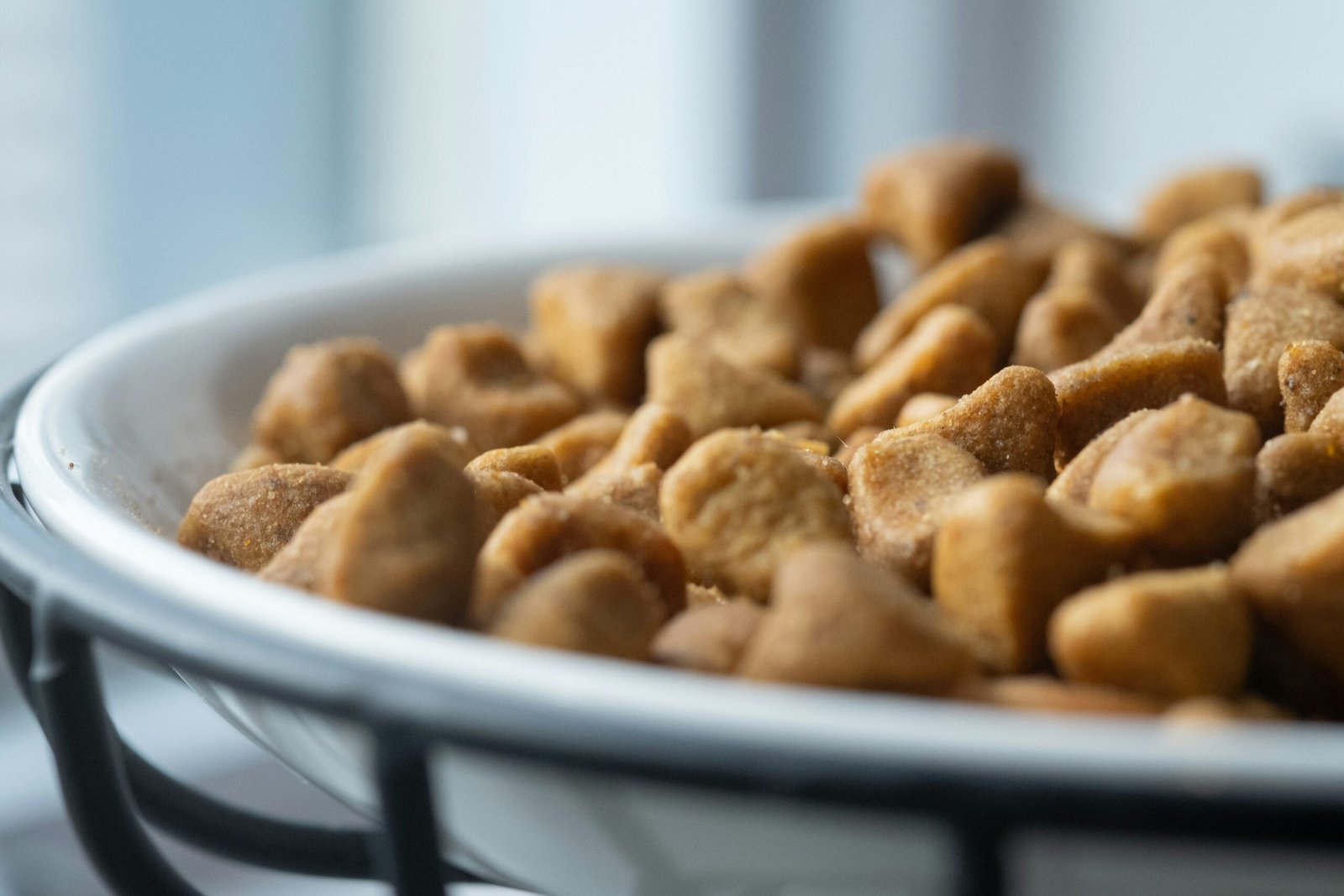
The 6 Best Senior Dog Foods
1. Best Overall: Purina Pro Plan Bright Mind Adult 7+
Purina Pro Plan Bright Mind Adult 7+ is the most consistently recommended senior dog food across veterinary panels, and the reasoning is solid. It covers every foundational requirement for aging dogs while adding one clinically relevant differentiator: medium-chain triglyceride oils, specifically from enhanced botanical oils, which have been shown in published Purina research to improve cognitive function in dogs within thirty days of switching.
Chicken is the first ingredient. The formula includes EPA and DHA from fish oil, live probiotic cultures for digestive support, and controlled calorie levels appropriate for a less active senior dog. The protein content sits above 26 percent, which supports muscle maintenance without excess.
The palatability is consistently strong, which matters for senior dogs that sometimes become pickier eaters as their sense of smell and taste changes with age. Owners switching from lower-quality adult foods typically report improved coat condition and stool quality within two to three weeks.
Who this is best for: Senior dogs aged seven and above with no specific health condition requiring a targeted formula. This is the default starting point for most healthy aging dogs.
Who should look elsewhere: Dogs with diagnosed joint disease severe enough to require therapeutic nutrition, dogs with food allergies or sensitivities, and dogs who need significant calorie restriction beyond what a standard senior formula provides.
2. Best for Joint Support: Hill’s Science Diet Adult 7+ Healthy Mobility
Hill’s Science Diet Adult 7+ Healthy Mobility is one of the few senior dog foods with published clinical data on joint outcomes rather than just ingredient claims. The formula is built around clinically tested levels of omega-3 fatty acids from fish oil, combined with glucosamine and chondroitin for direct cartilage support.
Chicken is the first ingredient. The omega-3 levels are higher than most standard senior formulas, specifically calibrated to reduce the inflammatory markers associated with osteoarthritis. Hill’s published a controlled study showing dogs fed this formula demonstrated improved mobility scores over a twelve-week period compared to a control diet.
The calorie density is moderate, making it appropriate for dogs that are at a healthy weight but need joint-specific nutritional support. It is not formulated for significant weight loss, so dogs that need both joint support and calorie restriction may need a different approach.
Who this is best for: Dogs aged seven and above showing early to moderate joint stiffness, dogs with diagnosed osteoarthritis who are at a healthy weight, and owners who want clinically backed joint nutrition rather than ingredient marketing.
Who should look elsewhere: Dogs that are significantly overweight, dogs with food sensitivities to chicken, and dogs with severe joint disease requiring prescription therapeutic diets.
For more on what supplements and foods the research supports for joint health specifically, the ultimate guide to joint health and longevity for your dog covers this in depth.
3. Best for Sensitive Stomach: Hill’s Science Diet Perfect Digestion Senior
Hill’s Science Diet Perfect Digestion Senior is built specifically around digestive health in aging dogs. The formula uses a prebiotic fibre blend combining pumpkin, barley, and oats to support microbiome balance and improve stool consistency. Chicken is the first ingredient, and the overall ingredient list is clean without artificial additives or excess fat that can trigger digestive upset.
What distinguishes this formula from standard senior foods is the intentional fibre profile. As dogs age, gut motility slows and the microbiome becomes less diverse. The specific fibre sources in this formula feed beneficial bacteria while improving transit time, which addresses both constipation and loose stool depending on which direction the dog’s digestion has shifted.
Owners switching dogs with chronic digestive issues to this formula consistently report improved stool quality within two weeks. The protein content remains adequate for muscle maintenance, and the calorie density is appropriate for a moderately active senior dog.
Who this is best for: Senior dogs with recurring digestive upset, loose stools, constipation, or frequent gas. Also appropriate for dogs transitioning off lower-quality foods that caused digestive issues.
Who should look elsewhere: Dogs with food allergies to chicken or grain, dogs who need significant joint support beyond what a standard formula provides, and dogs that need aggressive calorie restriction.
For more on how aging affects digestion in dogs and what nutritional changes help, the article on how aging affects digestion in senior dogs goes deeper into the underlying biology.
4. Best for Weight Management: Purina Pro Plan Weight Management Senior 7+
Purina Pro Plan Weight Management Senior 7+ addresses the most common nutritional problem in aging dogs: excess body weight on a slowing metabolism. The formula reduces calorie density while keeping protein levels high, which is the correct trade-off for weight management in senior dogs. Reducing calories by reducing protein causes muscle loss alongside fat loss. This formula avoids that by keeping crude protein above 30 percent while reducing fat content.
Chicken is the first ingredient. The formula includes live probiotics for digestive health, controlled phosphorus levels that are appropriate for aging kidneys, and omega-6 fatty acids for coat and skin condition. The calorie reduction compared to standard Pro Plan senior formulas is meaningful without being extreme, making it suitable for gradual weight loss rather than aggressive restriction.
The high protein content relative to calories means dogs stay satiated on appropriate portions rather than constantly seeking more food. This is practically important because senior dogs on calorie-restricted diets can become persistent beggars, making portion discipline harder for owners to maintain.
Who this is best for: Overweight senior dogs that need to lose body fat without losing muscle mass. Also appropriate as a maintenance formula for dogs prone to weight gain even on standard portions.
Who should look elsewhere: Dogs at a healthy weight who do not need calorie restriction, dogs with food allergies to chicken, and very lean senior dogs who need calorie-dense food to maintain weight.
For a complete breakdown of how to manage weight in aging dogs and what the research says about the health impact, the article on senior dog weight gain covers the practical approach in detail.
5. Best for Allergies: Natural Balance Limited Ingredient Senior
Natural Balance Limited Ingredient Senior is built on one principle: fewer ingredients means fewer opportunities for an allergic reaction. The formula uses a single animal protein source and a single carbohydrate source, which makes it the most reliable option for identifying and managing food allergies in senior dogs.
The standard formula uses salmon and sweet potato, both of which are novel proteins and carbohydrates for most dogs that have eaten chicken or beef-based foods their entire lives. Novel protein diets are the standard veterinary approach to managing food allergies because dogs that have never been exposed to a protein source cannot have developed a sensitivity to it.
The ingredient list is intentionally short. No artificial additives, no corn, no wheat, no soy, no dairy, and no eggs. For a dog with genuine food allergies that have been difficult to identify through standard elimination diets, this formula provides a clean baseline.
Protein levels are adequate for senior maintenance, and the formula includes omega-3 fatty acids from fish oil for anti-inflammatory support. It is not the most nutrient-dense option on this list, which is appropriate for its purpose: simplicity over complexity, with the goal of eliminating allergen exposure rather than maximising supplementation.
Who this is best for: Senior dogs with confirmed or suspected food allergies, dogs with chronic skin issues, ear infections, or digestive problems that have not responded to standard senior formulas, and owners working through an elimination diet protocol.
Who should look elsewhere: Healthy senior dogs with no allergy history, dogs that need aggressive joint support or weight management, and dogs with a salmon allergy or sensitivity.
For a deeper look at managing food allergies specifically, including a full food trial protocol and additional product options beyond this single pick, our guide to the best dog food for senior dogs with allergies covers this in more depth.
6. Best Raw Food: Raw Paws Complete Raw Senior Dog Food
Raw Paws Complete Raw Senior Dog Food takes a fundamentally different approach from every other product on this list. Rather than formulated kibble, this is a frozen raw diet made in the USA from whole food ingredients with no fillers, no grains, and no synthetic additives. It is pre-portioned by dog weight, which removes the calculation complexity that puts many owners off raw feeding.
The nutritional case for raw feeding in senior dogs centres on bioavailability. Raw protein is more easily digested and absorbed than heat-processed protein, which matters increasingly as digestive efficiency declines with age. Owners switching senior dogs to raw feeding consistently report improvements in coat condition, energy level, stool volume reduction, and in some cases reduced joint stiffness, likely due to the natural omega-3 content and absence of inflammatory grain-based fillers.
Raw Paws sources from small-batch USA producers and uses a complete formula that meets AAFCO nutritional guidelines, which addresses the most common concern about raw diets: nutritional completeness. This is not a partial raw diet that requires extensive supplementation. It is a complete meal.
The practical requirements are real: freezer space, daily thawing, and a higher price point than kibble. For owners who can accommodate those logistics, this is the highest-quality senior dog food on this list in terms of ingredient integrity and digestibility.
Who this is best for: Senior dogs whose owners want to feed a natural, minimally processed diet. Particularly well-suited for dogs that have done poorly on multiple kibble formulas, dogs with chronic digestive issues that have not responded to standard sensitive stomach foods, and owners committed to the highest ingredient quality available.
Who should look elsewhere: Owners without adequate freezer space, dogs with immune compromise that makes raw protein a veterinary concern, and owners looking for the most affordable option on this list.
Comparison Table
| Product | First Ingredient | Key Feature | Best For | Price Tier |
|---|---|---|---|---|
| Purina Pro Plan Bright Mind 7+ | Chicken | Cognitive support via MCT oils | Most senior dogs | Mid |
| Hill’s Science Diet 7+ Healthy Mobility | Chicken | Clinically tested joint outcomes | Joint stiffness, arthritis | Mid |
| Hill’s Science Diet Perfect Digestion | Chicken | Prebiotic fibre blend | Sensitive stomach | Mid |
| Purina Pro Plan Weight Management 7+ | Chicken | High protein, reduced calories | Overweight seniors | Mid |
| Natural Balance Limited Ingredient | Salmon | Single protein, single carb | Food allergies | Mid |
| Raw Paws Complete Raw Senior | Whole raw ingredients | Minimally processed, high bioavailability | Natural diet, digestive issues | Premium |

How to Transition Your Senior Dog to a New Food
Switching foods too quickly is one of the most common causes of digestive upset in senior dogs. Their gut microbiome is less adaptable than a younger dog’s, and an abrupt change disrupts the bacterial balance that keeps digestion stable.
The standard transition protocol is ten to fourteen days. Start with 25 percent new food mixed with 75 percent current food for the first three days. Move to 50/50 for days four through seven. Shift to 75 percent new food for days eight through ten, and complete the transition to 100 percent new food by day fourteen.
Monitor stool consistency and frequency throughout. Some loosening of stool in the first few days is normal as the gut adjusts. If loose stool persists beyond five days or becomes severe, slow the transition further by staying at the 50/50 ratio for an additional week before progressing.
For raw food transitions, the same timeline applies but some dogs benefit from an even slower introduction, particularly if they have been on kibble their entire lives and their gut enzyme profile has adapted to processed food digestion.
For a complete guide to the transition process including what to watch for and how to handle a dog that refuses the new food, the article on how to transition your senior dog to a new diet covers every stage in detail.
For Best Results, Pair Your Senior Dog Food With the Right Supplements
The best senior dog food covers the nutritional baseline. Supplements close the gaps that even the best formula cannot fully address on its own.
Joint supplements including glucosamine, chondroitin, and omega-3 fatty acids from fish oil add meaningful support on top of what food provides, particularly for dogs with existing joint issues. Probiotics support the gut microbiome at doses higher than what most foods include. Antioxidants including vitamin E and coenzyme Q10 support cellular health and cognitive function in ways that standard senior formulas touch on but rarely optimise.
For a full breakdown of which supplements have genuine research behind them and which ones are worth adding for your dog’s specific situation, the best supplements for senior dogs covers every category in detail.
FAQ
At what age should I switch to senior dog food?
Most dogs benefit from a senior-specific formula from age seven, though large and giant breeds often benefit from making the switch at five or six due to their accelerated aging. The practical trigger is not age alone but the appearance of age-related changes: weight gain despite stable portions, reduced activity, stiffness getting up, or digestive changes. If those signs appear before seven, the switch is appropriate earlier.
Is grain-free senior dog food better for older dogs?
Not inherently. Grain-free diets are appropriate for dogs with confirmed grain allergies or sensitivities, but high-quality grains like brown rice, barley, and oats provide useful fibre and nutrients in senior diets. The FDA investigation into a potential link between grain-free diets and dilated cardiomyopathy in dogs adds a reason for caution. Unless your dog has a specific reason to avoid grains, a grain-inclusive senior formula from a reputable brand is a sound choice.
Can I mix wet and dry senior dog food?
Yes, and for many senior dogs this is the better approach. Wet food increases moisture intake, which supports kidney function and urinary tract health. It is also easier to chew for dogs with dental wear or tooth loss. Mixing a portion of wet food with dry kibble provides the hydration benefits of wet food alongside the dental and storage benefits of dry. For the full comparison of the two formats on their own, our guide on wet dog food versus dry dog food for senior dogs covers exactly when each has the advantage. Calculate the total daily calories from both sources to avoid overfeeding.
How do I know if my senior dog food is working?
The clearest indicators are coat condition, stool quality, energy level, and body weight trend over four to six weeks. A dog doing well on its food has a shiny coat without excessive shedding, consistent well-formed stools, stable or improving energy for its age, and a stable weight that does not trend upward or downward without a reason. If none of those markers improve within six weeks of switching, the formula may not be the right fit.
Should I consult a vet before switching senior dog food?
For healthy senior dogs making a standard transition between commercial formulas, a vet consultation is helpful but not essential. For dogs with diagnosed health conditions including kidney disease, diabetes, heart disease, or severe allergies, veterinary guidance on the nutritional requirements of the condition should come before any food change. Some conditions have specific nutritional requirements that over-the-counter senior formulas do not meet.
Is raw food safe for senior dogs?
Raw food from a reputable brand that meets AAFCO guidelines is safe for most healthy senior dogs. The primary safety concern with raw feeding is bacterial contamination, which is a greater risk for immunocompromised dogs. Senior dogs with normal immune function handle raw food well in most cases. The practical concerns are logistics and cost rather than safety for healthy dogs. Always discuss with a veterinarian before switching if your dog has any diagnosed health condition.
Final Thoughts
The best senior dog food is the one that matches what your specific dog needs right now. For most healthy aging dogs, Purina Pro Plan Bright Mind 7+ is the strongest all-round choice. For dogs with joint problems, Hill’s Science Diet Healthy Mobility has the clinical backing to support the decision. For digestive issues, Hill’s Perfect Digestion. For weight management, Purina Pro Plan Weight Management 7+. For allergies, Natural Balance Limited Ingredient. For owners who want the highest ingredient integrity available, Raw Paws Complete Raw Senior is the premium option.
The common thread across all six is this: senior dogs deserve food that was designed for their actual biological situation, not adult maintenance food with a senior label stuck on the packaging. Getting that right is one of the most practical things you can do for a dog in its later years.
Sources
- American Kennel Club – Senior Dog Nutrition
- PetMD – Choosing the Right Food for Senior Dogs
- VCA Hospitals – Senior Dog Health and Diet
- ASPCA – Senior Dog Care
- Whole Dog Journal – Best Senior Dog Foods

Pingback: Hypoallergenic Dog Treats Your Dog Will Actually Love - seniordog-care
Pingback: Why the Best Dog Food for Senior Dogs Is Crucial for Their Health
Pingback: How to Transition Your Senior Dog to a New Diet Safely (Vet-Approved Tips)
Pingback: Best Wet Food For Senior Dogs in 2025 - seniordog-care
Pingback: Best Hypoallergenic Dog Food for Senior Dogs with Allergies (2025 Update)
Pingback: Top 6 Best Grain Free Senior Dog Food - seniordog-care
Pingback: Best Dry Dog Food for Senior Dogs - seniordog-care
Pingback: Best Weight Management Dog Food for Senior Dogs - seniordog-care
Pingback: Senior Dog Nutrition 101: The Ultimate Feeding Guide for Older Dogs
Pingback: Best Dog Food for Senior Dogs With Sensitive Stomachs - seniordog-care
Pingback: Top 8 Dog Food for Sensitive Stomachs - seniordog-care
Pingback: The 7 Best Dog Foods for Small Senior Dogs - seniordog-care
Pingback: When to Change Dog Food for Senior Dogs (And Why It Matters)
Pingback: Signs of Dementia in Senior Dogs - seniordog-care
Pingback: How to Help a Senior Dog with a Slow Metabolism
Pingback: How to Help Your Senior Dog Live Longer - seniordog-care