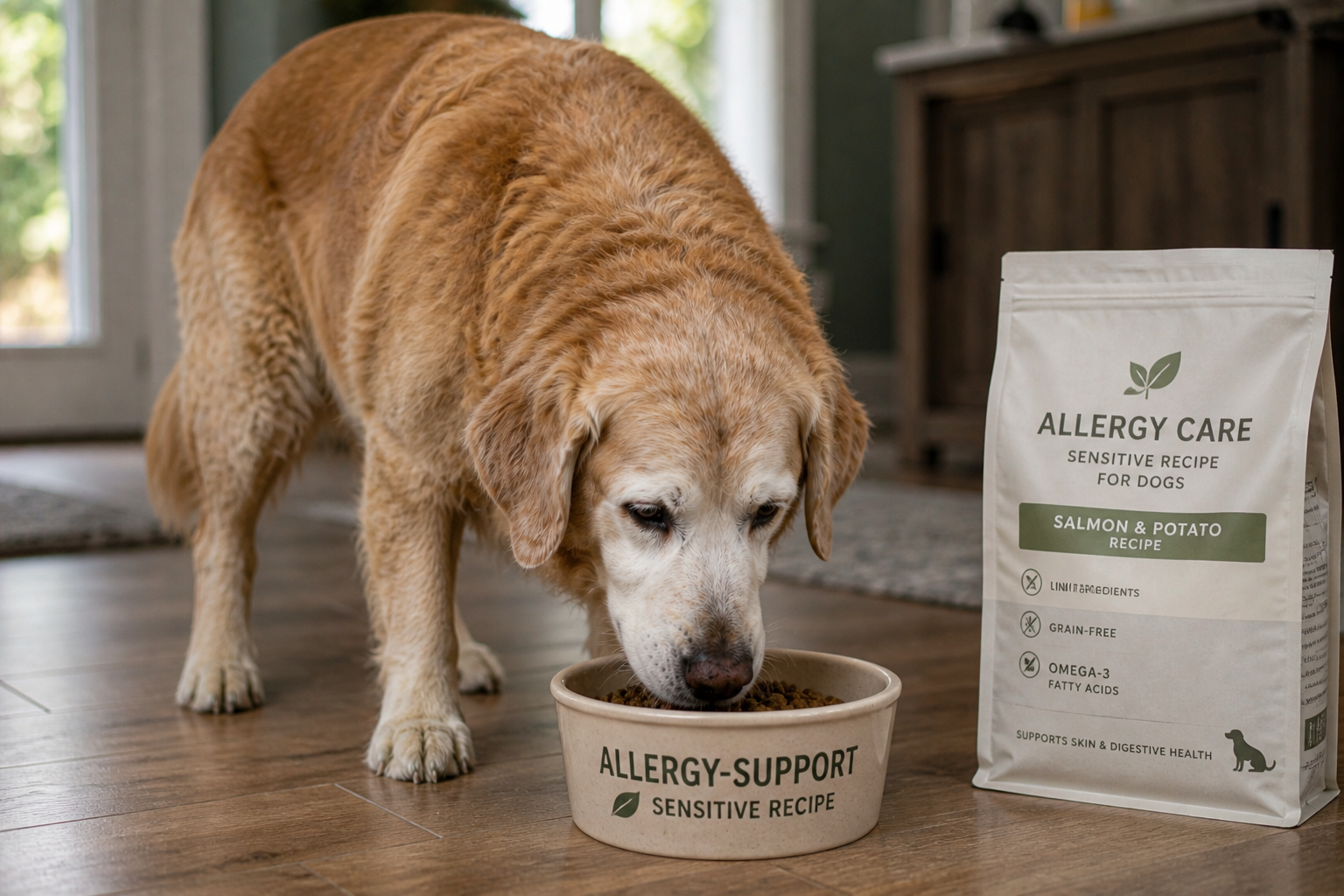
When your senior dog starts scratching, developing skin problems, or getting an upset stomach regularly, the first instinct is often to add something to their diet. A supplement, a special treat, a new ingredient.
But most of the time, allergies in senior dogs aren’t about what’s missing from their food. They are about what’s in it.
The fix is usually simpler than people think switch to a food with fewer ingredients, remove the common triggers, and let your dog’s body settle. That’s where a good hypoallergenic senior dog food makes the difference.
In this guide I cover the best dog food options for senior dogs with allergies in 2026 what to look for, what to avoid, and which products actually work.
This post contains affiliate links. If you buy through these links, I may earn a small commission at no extra cost to you. As an Amazon Associate, I earn from qualifying purchases.
Table of Contents
Quick Picks
Best overall:CANIDAE Grain-Free PURE Senior : Limited ingredient formula that removes the most common allergens without sacrificing nutrition.
Best for skin allergies: Royal Canin Veterinary Hydrolyzed Protein : Proteins broken down to a size that the immune system doesn ot recognize as a threat. Best for dogs with serious skin reactions.
Best budget: Blue Buffalo Basics Limited Ingredient Senior : Simple, clean formula at an accessible price.
Best for sensitive stomachs: Hill’s Science Diet Sensitive Stomach & Skin Senior : Specifically formulated for dogs that react to both food and digestive issues simultaneously. If digestion, not allergy, is the main concern, our best dog food for senior dogs with sensitive stomachs guide covers that in more depth.
Best grain-free: Merrick Limited Ingredient Grain-Free Senior : Single animal protein, no grains, no common allergens.
Best raw option: We Feed Raw : Minimal processing means fewer additives and triggers for allergic dogs.
Quick decision guide:
- Dog has skin irritation or itching → Royal Canin Hydrolyzed Protein
- Dog has digestive issues alongside allergies → Hill’s Sensitive Stomach Senior
- Want simple clean ingredients on a budget → Blue Buffalo Basics
- Dog has multiple food sensitivities → CANIDAE PURE Senior
- Dog reacts to grains → Merrick Limited Ingredient Grain-Free
- Dog does best on minimal processing → We Feed Raw
Why Senior Dogs Develop Food Allergies
Allergies in senior dogs are not always something they’ve had their whole life. Many dogs develop food sensitivities as they age their immune system becomes less tolerant of ingredients it handled fine for years.
The most common triggers are proteins. Beef, chicken, dairy, wheat, and soy account for the majority of food allergies in dogs. That is why the solution is almost always about removing ingredients rather than adding new ones.
The challenge with senior dogs specifically is that their skin barrier weakens with age, their gut microbiome becomes less robust, and their immune system is more reactive. This means the same ingredient that caused no issues at age 3 can start causing problems at age 9.
Common signs your senior dog has a food allergy:
- Persistent scratching, especially around the face, paws, and ears
- Recurring ear infections
- Red, irritated, or flaky skin
- Chronic digestive issues loose stools, gas, or vomiting after meals
- Licking paws excessively
- Dull, brittle coat
If your dog shows multiple signs from this list, a food trial with a limited ingredient diet is the most practical first step before expensive allergy testing.
The Right Approach Start with Less, Not More
Before jumping to the most expensive hypoallergenic formula, start here.
The most effective first step for most dogs with suspected food allergies is switching to a limited ingredient diet a food with one animal protein source and one carbohydrate source. This removes most common triggers and gives you a clean baseline.
If symptoms improve within 8-12 weeks, you’ve likely identified the problem. You can then gradually reintroduce ingredients one at a time to pinpoint the specific trigger.
This approach is cheaper than prescription diets, less stressful than allergy testing, and works for the majority of dogs with food sensitivities.
What to Look for in Dog Food for Senior Dogs with Allergies
1. Single animal protein source One protein not a mix of chicken, beef, and lamb. The more proteins in the food, the harder it is to identify what is causing the reaction. Look for deboned salmon, turkey, duck, or venison as the primary protein these are less commonly used and therefore less likely to be existing allergens.
2. Short ingredient list Fewer ingredients means fewer potential triggers. A food with 10 clearly identifiable ingredients is almost always better for an allergic dog than one with 30 ingredients including additives, natural flavors, and multiple protein sources.
3. No common allergens Avoid beef, chicken, dairy, wheat, soy, and corn the six most common food allergens in dogs. For senior dogs with skin issues, also avoid artificial preservatives like BHA and BHT which can worsen inflammation.
4. Omega-3 fatty acids Essential for dogs with skin allergies. Omega-3s reduce inflammation, support the skin barrier, and help restore coat health. Fish oil and flaxseed are the best sources look for them explicitly on the ingredient list.
5. Digestive support Allergic dogs often have compromised gut health alongside their food sensitivities. Probiotics and prebiotics help restore gut balance and improve nutrient absorption, which reduces the overall inflammatory load on your dog’s system.
6. Joint support Senior dogs with allergies need joint support just like any other senior dog. Look for formulas with added glucosamine and chondroitin or supplement separately if the food does not include them.
Check our Complete Nutrition feeding guide: Senior Dog Nutrition 101: The Complete Feeding Guide for Older Dogs

Top 6 Best Dog Foods for Senior Dogs with Allergies (2026)

Who should NOT buy this: Dogs with fish or legume sensitivities try Hill’s Sensitive Stomach or Blue Buffalo Basics instead.
Best for: Senior dogs with multiple food sensitivities needing a clean, simple daily formula
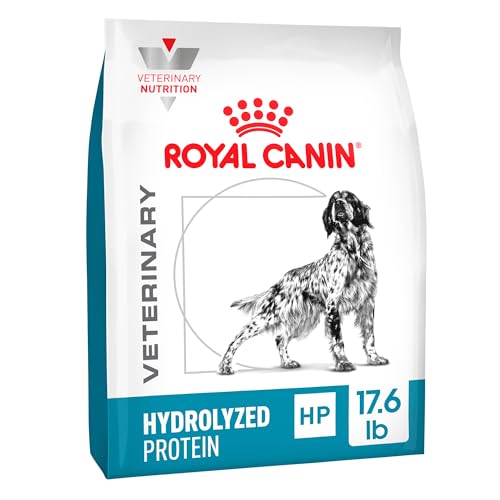
Who should NOT buy this: Dogs with mild food sensitivities a standard limited ingredient diet like CANIDAE PURE is sufficient and much cheaper.
Best for: Senior dogs with serious, confirmed food allergies or recurring skin and ear issues

Who should NOT buy this: Dogs with turkey or legume sensitivities try the salmon-based CANIDAE formula instead.
Best for: Budget-conscious owners looking for a reliable limited ingredient senior food

Who should NOT buy this: Dogs with chicken allergies choose CANIDAE PURE or Blue Buffalo Basics turkey formula instead.
Best for: Senior dogs with sensitive stomachs and skin issues occurring together

Who should NOT buy this: Dogs with fish or legume sensitivities try Blue Buffalo Basics turkey formula instead.
Best for: Senior dogs with grain sensitivities alongside other food allergies
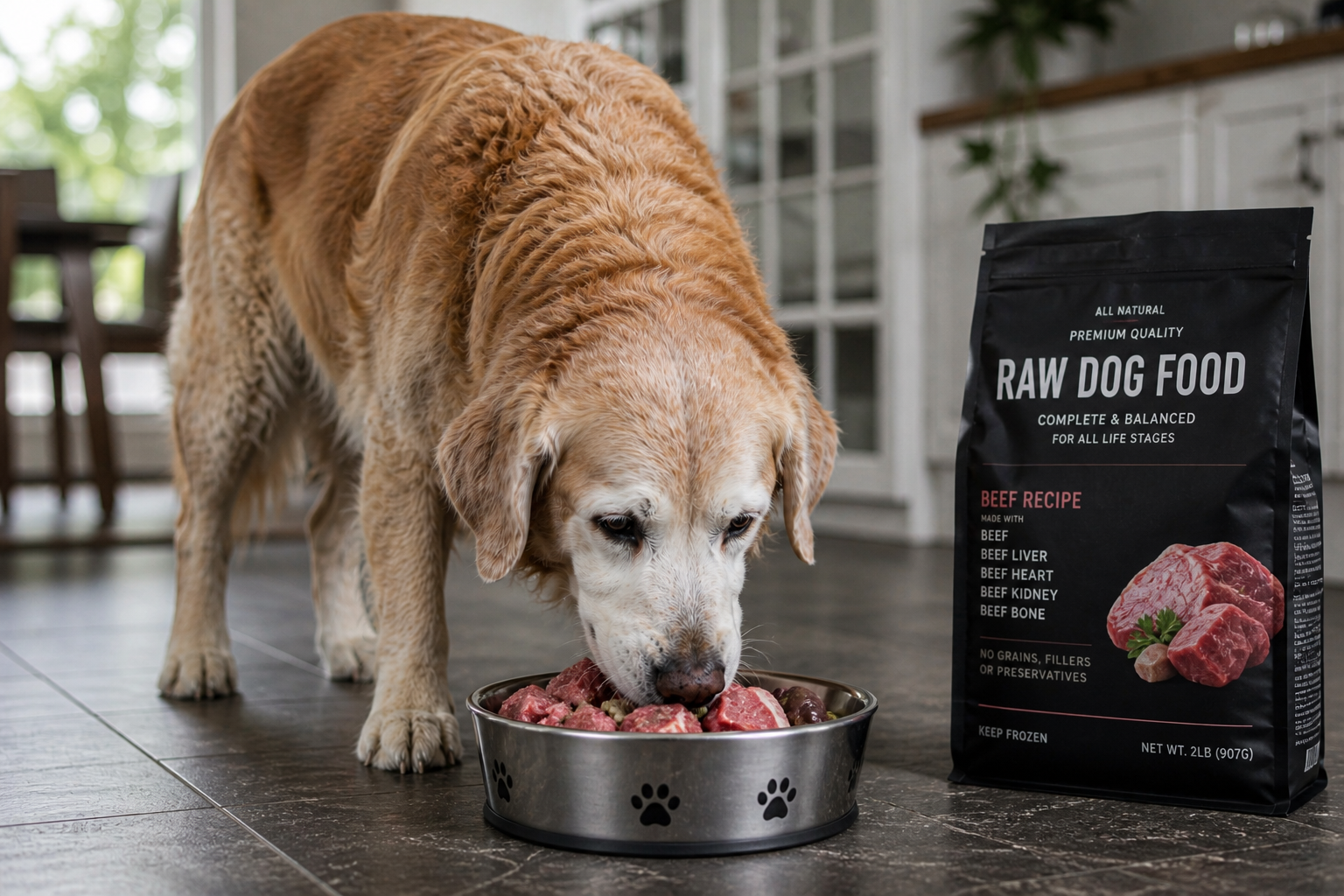
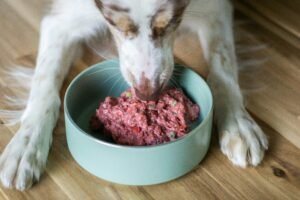
For senior dogs that do not do well on any kibble allergic reactions that persist despite switching formulas raw food removes the processing, additives, and heat-altered proteins that can trigger sensitivities in some dogs.
We Feed Raw uses single-protein recipes with minimal ingredients. The freeze-dried format makes it shelf-stable and easy to serve without the complexity of fresh raw food. For dogs with chronic, hard-to-resolve allergies, raw food is often the last option that finally works.
Verdict: Best option for senior dogs with persistent allergies that have not responded to standard limited ingredient diets.
Who should NOT buy this: Dogs with compromised immune systems consult your vet before switching to raw.
Best for: Senior dogs with persistent allergies that have not resolved on standard limited ingredient diets
Comparison Table
| Product | Protein | Best For | Key Feature | Price |
|---|---|---|---|---|
| CANIDAE PURE Senior | Salmon | Overall allergies | 10 ingredients, glucosamine | $$$ |
| Royal Canin Hydrolyzed | Hydrolyzed | Serious skin allergies | Hydrolyzed protein, vet-prescribed | $$$$ |
| Blue Buffalo Basics Senior | Turkey | Budget | Pumpkin for digestion, clean formula | $$ |
| Hill’s Sensitive Stomach Senior | Chicken | Stomach + skin combo | Prebiotic fiber, omega-6 | $$ |
| Merrick LID Grain-Free Senior | Salmon | Grain sensitivities | Probiotics, USA-made | $$$ |
| We Feed Raw | Various | Persistent allergies | Raw, minimal processing | $$$$ |

How to Do a Food Trial at Home
A food trial is the most reliable way to identify what your dog is reacting to and you do not need allergy testing to do it.
Step 1 Pick one new food Choose a limited ingredient formula with a protein your dog has never eaten before. Novel proteins like duck, venison, or rabbit are ideal. Salmon works well for most dogs that have been eating chicken-based food their whole life.
Step 2 Transition slowly
- Days 1-3: 75% old food, 25% new food
- Days 4-6: 50/50
- Days 7-9: 25% old, 75% new
- Day 10+: 100% new food
For allergic dogs, go even slower 3 weeks for the full transition if needed.
Step 3 Eliminate everything else No treats with different ingredients, no table scraps, no chews with mixed proteins. Everything that goes in your dog’s mouth needs to match the new food’s ingredient list. This is where most food trials fail.
Step 4 Wait 8-12 weeks Allergic reactions take time to resolve. Do not judge the food after two weeks. Give it a full 8-12 weeks before deciding if it’s working.
Step 5 Reintroduce one ingredient at a time Once symptoms resolve, you can reintroduce ingredients one at a time two weeks per ingredient to identify the specific trigger.
FAQ
How do I know if my senior dog has a food allergy or environmental allergy?
Food allergies tend to cause year-round symptoms constant itching, recurring ear infections, digestive issues regardless of season. Environmental allergies are often seasonal. If your dog itches all year and the symptoms do not change with the seasons, food is a more likely culprit.
How long does it take to see improvement after switching food?
Most dogs show some improvement within 4-6 weeks, but full resolution of skin and digestive symptoms can take 8-12 weeks. Be patient switching food again before giving it time is the most common mistake.
Can a dog develop allergies to food they’ve eaten for years?
Yes. This is common in senior dogs. Repeated exposure to the same protein over years can eventually trigger an immune response. A food your dog ate fine at age 2 can become a problem at age 9.
Do I need allergy testing before switching food?
Not necessarily. A home food trial with a limited ingredient diet is a practical first step that works for most dogs. Allergy testing is worth considering if symptoms are severe or don not resolve after a proper food trial.
Is grain-free food always better for allergic dogs?
No. Grains are actually less commonly the cause of food allergies than proteins. Some dogs do react to grains, but many allergic dogs do fine on formulas that include wholesome grains such as brown rice or oats. Focus on the protein source first. If a grain sensitivity specifically is the concern, our best grain free senior dog food guide covers the DCM research and which formulas make sense.
Should I consult a vet before switching food?
For mild symptoms occasional itching or loose stools you can try a limited ingredient diet without a vet visit. For severe symptoms, recurring infections, or dogs on medication, a vet conversation first is worth it.
Final Thoughts
Most allergies in senior dogs come down to what is in their food rather than what’s missing from it. The right approach is simple remove the common triggers, keep the ingredient list short, and give the new food enough time to work.
For most senior dogs with food allergies, CANIDAE Grain-Free PURE Senior is the strongest starting point clean ingredients, single protein, and joint support built in. If budget is the priority, Blue Buffalo Basics delivers reliable limited ingredient nutrition at a lower price. And for dogs with serious, persistent allergies, Royal Canin Hydrolyzed Protein is the most effective clinical option available.
Start simple. Switch the food. Give it time.
Looking for more senior dog nutrition advice? Check out our full guide to Best Senior Dog Food 2026.
Looking for hypoallergenic options specifically? Check out our guide: Best Hypoallergenic Dog Food for Senior Dogs

Pingback: Senior Dog Nutrition 101: The Complete Feeding Guide for Older Dogs
Pingback: Hypoallergenic Dog Food for Senior Dogs Explained - seniordog-care
Pingback: Best Grain Free Senior Dog Food 2026 Picks - seniordog-care
Pingback: Best Dog Food for Senior Dogs With Sensitive Stomachs - seniordog-care