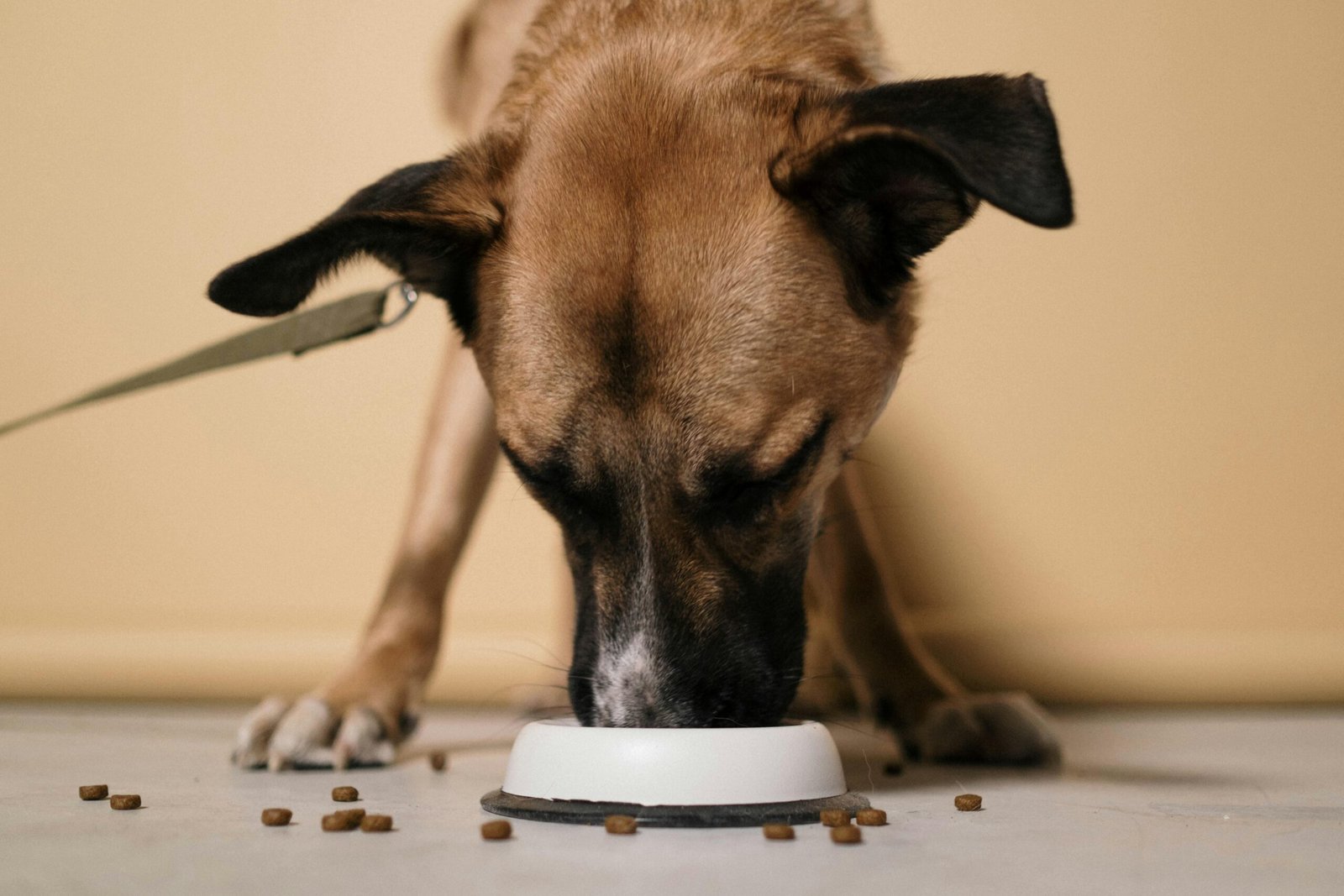
Knowing how to transition your senior dog to a new diet is one of those things that looks straightforward until the dog has loose stools for three days and refuses to eat. The process is slower than most owners expect, and the margin for error is smaller in older dogs than in younger ones.
The reason is not complicated. A senior dog’s digestive system is less resilient than it was at two or three years old. Gut bacteria are less diverse, enzyme production is lower, and the intestinal lining absorbs nutrients less efficiently. A food change that a young adult dog handles in a week can take two to three weeks in a senior dog without causing problems. Rushing it is the most common reason transitions fail.
This guide covers why senior dogs need diet changes, how to make the transition without digestive upset, what to watch for along the way, and how supplements can support the process. For the broader nutritional principles behind these decisions, our senior dog nutrition basics guide is worth reading alongside this one.
Table of Contents
Why Senior Dogs Often Need a Diet Change
The food that worked well at age four is not always the right choice at age nine. Several biological changes in older dogs create a genuine need to reassess what they are eating. If you are still deciding whether now is actually the right moment, our guide on when to change dog food for senior dogs covers the signs worth waiting for versus acting on immediately.
Metabolism slows with age. A less active senior dog burns fewer calories than the same dog did at peak adult age. If the food stays the same, the surplus gets stored as fat. Excess weight in a senior dog is not just cosmetic. It adds disproportionate load to joints that are often already showing early signs of wear, increases the work the heart and kidneys do, and shortens the window during which the dog feels genuinely comfortable. Our guide on senior dog weight gain covers this mechanism and what to do about it in more depth.
Digestive efficiency changes. Older dogs extract nutrients from food less effectively. Enzyme production drops, gut motility slows, and the microbiome shifts in ways that reduce beneficial bacterial diversity. A dog can be eating high-quality food and still be under-nourished if the digestive system is no longer processing it efficiently. This is one reason senior-specific formulas exist: they are often more digestible, not just nutritionally adjusted.
Joint conditions develop. Arthritis is common in senior dogs, and the right food can support joint health meaningfully. Formulas containing glucosamine, chondroitin, and omega-3 fatty acids address joint maintenance through diet rather than relying entirely on separate supplementation.
Health conditions emerge. Kidney disease, diabetes, hypothyroidism, and other chronic conditions often require specific dietary adjustments. Dogs with kidney disease typically need reduced phosphorus. Diabetic dogs benefit from high-fiber, lower-glycaemic formulas. These are cases where the diet change is not optional and where the transition needs to be managed carefully alongside veterinary guidance.
Dental health deteriorates. Worn teeth, gum disease, or tooth loss makes chewing kibble painful. For dogs in this situation, a softer texture becomes necessary rather than preferable. Wet food, moistened kibble, or small-bite formulas can make the difference between a dog that eats and one that starts leaving food in the bowl.
If your senior dog is slowing down, leaving food untouched, losing weight, or showing signs of digestive irregularity, a diet reassessment is worth having. The guide to best dog food for senior dogs with sensitive stomachs covers the formulas most appropriate for older dogs with digestive concerns.
How Long the Transition Should Take
The standard advice for adult dogs is a 7 to 10 day transition. For senior dogs, that timeline is a starting point, not a ceiling. Many older dogs need 14 to 21 days, and dogs with a history of digestive sensitivity may need longer still.
The reason to extend the timeline is not caution for its own sake. It is that the gut microbiome needs time to adjust to a new food’s ingredient and bacterial profile. Rushing that process produces exactly what owners are trying to avoid: loose stools, gas, reduced appetite, and a dog that associates the new food with feeling unwell.
A useful principle is to let your dog’s stool consistency dictate the pace rather than the calendar. If stools are firm and well-formed at a given ratio, move to the next stage. If they are soft or loose, stay at the current ratio for another two to three days before progressing.
Step-by-Step Transition Plan for Senior Dogs
Days 1 to 4: 25% new food, 75% old food
Start with a small proportion of the new food mixed into the current food. At this stage the goal is simply letting the digestive system begin adjusting to new ingredients without overwhelming it. Most dogs tolerate this stage without obvious reaction, but dogs with sensitive stomachs may show minor changes in stool consistency even at this ratio. If that happens, slow down rather than pushing through.
Days 5 to 8: 50% new food, 50% old food
This is where most digestive reactions surface if the food is going to cause problems. Watch stool consistency closely. Loose or very frequent stools at this stage are a signal to hold the ratio for an additional two to three days before moving forward. Firm stools and maintained appetite mean the transition is progressing well.
Days 9 to 12: 75% new food, 25% old food
Picky eaters sometimes resist at this stage because the new food’s flavour now dominates the bowl. If your dog is reluctant, try adding a small amount of warm water to the kibble, which releases the food’s aroma and often improves palatability. A small amount of low-sodium chicken broth works for the same reason. Do not add salt or seasoning.
Days 13 to 14: 100% new food
By this point the digestive system has had enough time to adjust in most senior dogs. If stools are consistently firm and appetite is maintained, the transition is complete. If there are still irregularities, extend by another week at the 75/25 ratio before completing.
For dogs with confirmed digestive sensitivity or chronic gut conditions, extend the entire schedule by one week at each stage and consult a vet if problems persist beyond the transition window.
Signs the Transition Is Going Well
Knowing what a successful transition looks like helps distinguish normal adjustment from a genuine problem.
Firm, well-formed stools produced once or twice daily are the clearest positive signal. Stool consistency is the most direct indicator of how well the digestive system is handling the new food.
Maintained or improved appetite is a second positive sign. A dog that approaches the bowl willingly and finishes the meal is adjusting well. Some initial hesitation with a new food is normal, particularly in the first few days when the smell is unfamiliar. Consistent refusal over several days is a different matter.
Stable energy levels indicate the new food is providing adequate nutrition. A dog that seems more lethargic than usual during the transition may not be getting enough calories, particularly if the new food has a lower calorie density than the previous one.
Coat condition improves gradually over four to six weeks with a food that is nutritionally appropriate. This is not a short-term signal, but it is a reliable longer-term indicator that the new diet is working.
Warning Signs to Watch For
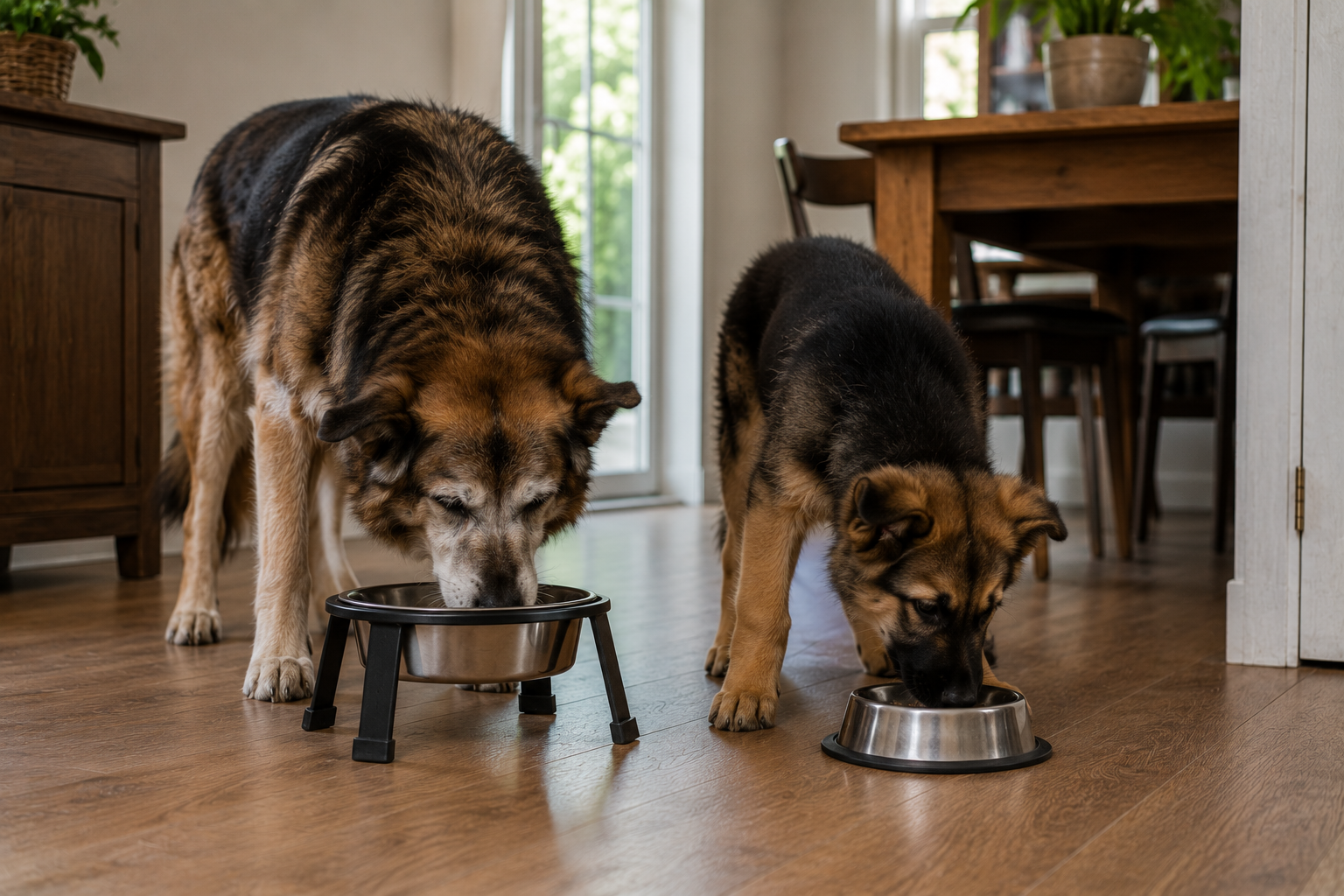
Some reactions during a transition are temporary adjustments. Others are signals to slow down or stop.
Loose stools or diarrhea lasting more than two days at a given ratio indicates the transition is moving too fast or the food is not agreeing with the dog. Return to the previous ratio for three to four days before trying to progress again.
Vomiting more than once or twice during the transition is a signal to pause the transition entirely and return to the previous food. If vomiting persists after returning to the old food, a vet assessment is needed.
Complete food refusal lasting more than 48 hours is worth investigating. In a senior dog, prolonged food refusal can indicate pain, nausea, or an underlying condition rather than simple preference. Do not assume it is pickiness without ruling out a medical cause.
Blood in stools at any point is a veterinary matter regardless of where the transition stands. Stop the new food and contact a vet.
Significant lethargy or behavioural changes during the transition, beyond the mild adjustment period of the first few days, are worth noting and discussing with a vet if they persist.
Supplements That Help During the Transition
Two categories of supplements are particularly useful during a senior dog’s diet transition.
Probiotics support the gut microbiome shift that happens when the food changes. The bacterial population in the digestive tract adjusts to the new food’s ingredients, and a probiotic provides beneficial bacteria to help stabilise that process. A product with multiple strains at 1 billion CFU or above is appropriate. Starting the probiotic two to three days before the food transition begins gives the gut a better bacterial foundation going into the change. For a breakdown of the best options, see the guide to best digestive supplements for senior dogs.
Digestive enzymes address the second mechanism: food breakdown. Senior dogs produce fewer digestive enzymes than younger dogs, and a new food’s different protein and fat sources can temporarily stress an already lower-functioning system. An enzyme supplement containing protease, lipase, and amylase added to meals during the transition reduces the digestive load while the system adjusts.
Neither supplement needs to continue indefinitely after the transition is complete, though many owners find that a daily probiotic provides ongoing benefit for senior dogs beyond the transition period.
Transitioning to Specific Diet Types
Wet food
Transitioning from dry to wet food follows the same gradual ratio approach but requires an adjustment to portion sizes. Wet food contains significantly more moisture and typically fewer calories per gram than kibble. A cup-for-cup replacement will almost certainly underfeed the dog. Calculate the calorie content of the new wet food and adjust the portion accordingly. The guide to best wet food for senior dogs covers calorie-appropriate options for older dogs.
Grain-free food
Dogs switching from a grain-inclusive to a grain-free diet sometimes experience an adjustment period even with a gradual transition, because the carbohydrate sources change significantly. Legumes and sweet potato behave differently in the digestive tract than rice or oats. Follow the standard transition schedule but be prepared to extend it by a week if digestive irregularity appears at the halfway point.
Raw food
Raw food transitions require the most care in senior dogs. The bacterial load in raw food is different from processed food, and the digestive system needs adequate time to adjust. Start at 10% raw and 90% current food rather than the standard 25/75 split, and hold each stage for five to seven days rather than three to four. Senior dogs that have eaten processed food their entire lives may need a full month to transition to raw without digestive disruption.
Prescription or therapeutic diets
If a vet has recommended a prescription diet for kidney disease, diabetes, or another condition, the transition should be managed in consultation with the prescribing vet. Some therapeutic diets require faster implementation if the health condition is acute. Others can follow the standard senior transition schedule. Do not assume the general guidelines apply without checking.
FAQ
How do I know if my senior dog needs a new diet?
The clearest signals are weight gain without a change in feeding amount, loose stools that have become regular rather than occasional, reduced appetite for a food the dog previously ate willingly, or a vet diagnosis of a condition that requires dietary management. Coat deterioration and reduced energy can also indicate that the current food is no longer meeting the dog’s nutritional needs.
Can I switch my senior dog’s food cold turkey?
Not recommended. A sudden food change in a senior dog almost always causes digestive upset because the gut microbiome has no time to adjust. Even if you are moving to a clearly better food, the abrupt change can cause loose stools or vomiting that makes the dog associate the new food with feeling unwell, which then makes the transition harder to complete.
What if my senior dog refuses the new food?
Try warming the food slightly with warm water or low-sodium broth to make the smell more appealing. Hold the 25/75 ratio for longer before progressing rather than forcing the transition forward. If refusal persists beyond 48 hours and the dog is not eating the old food either, contact a vet. Prolonged food refusal in a senior dog can indicate an underlying health problem rather than a preference issue.
Should I tell my vet before switching my senior dog’s food?
For generally healthy senior dogs, a vet conversation is useful but not always essential before switching to a standard senior formula. For dogs with any existing health condition, the answer is yes. Kidney disease, liver disease, diabetes, heart disease, and several other conditions are actively managed through diet, and switching to the wrong formula can worsen the condition.
How often should senior dogs change food?
Ideally as infrequently as possible. Stability in diet suits older dogs better than variety. A food change should be driven by a genuine reason: a health diagnosis, a clear nutritional inadequacy in the current food, or a quality control issue with the manufacturer. Switching foods frequently for variety causes more digestive disruption than benefit in senior dogs.
What if the transition causes ongoing loose stools?
Return to the previous ratio and hold for four to five days until stools firm up, then progress again more slowly. If loose stools persist even on the old food after returning to it, the problem may be the new food itself rather than the speed of transition. In that case, the food choice may need reconsidering. If digestive problems persist regardless of ratio or food, a vet assessment is the right step.
Final Thoughts
Transitioning a senior dog to a new diet is slower and more careful than the same process in a younger dog, but it is not complicated. The core principle is simple: let the dog’s digestive response set the pace rather than the calendar. A two-week transition that completes without digestive upset is far better than a one-week transition that causes problems and has to be restarted.
The two most important decisions are choosing the right food for the dog’s specific situation and starting a probiotic before the transition begins. Both reduce the likelihood of problems and give the digestive system the best foundation for adjusting to something new.
For help choosing the right food before starting the transition, the guide to best food for senior dogs covers what to look for across different health situations and activity levels. For dogs with digestive conditions that need to be managed alongside the food change, the guide to best digestive supplements for senior dogs covers the probiotic and enzyme options worth considering.
Sources
American Kennel Club — How to Switch Dog Foods
VCA Animal Hospitals — Dietary Management of Gastrointestinal Disease in Dogs
Tufts University Cummings Veterinary Medical Center — Senior Dog Nutrition
Pingback: Best Food For Senior Dogs: What Really Works In 2025
Pingback: Best Wet Food For Senior Dogs in 2025 - seniordog-care
Pingback: Best Dry Dog Food for Senior Dogs - seniordog-care
Pingback: Senior Dog Nutrition 101: The Complete Feeding Guide for Older Dogs
Pingback: When to Change Dog Food for Senior Dogs (And Why It Matters)