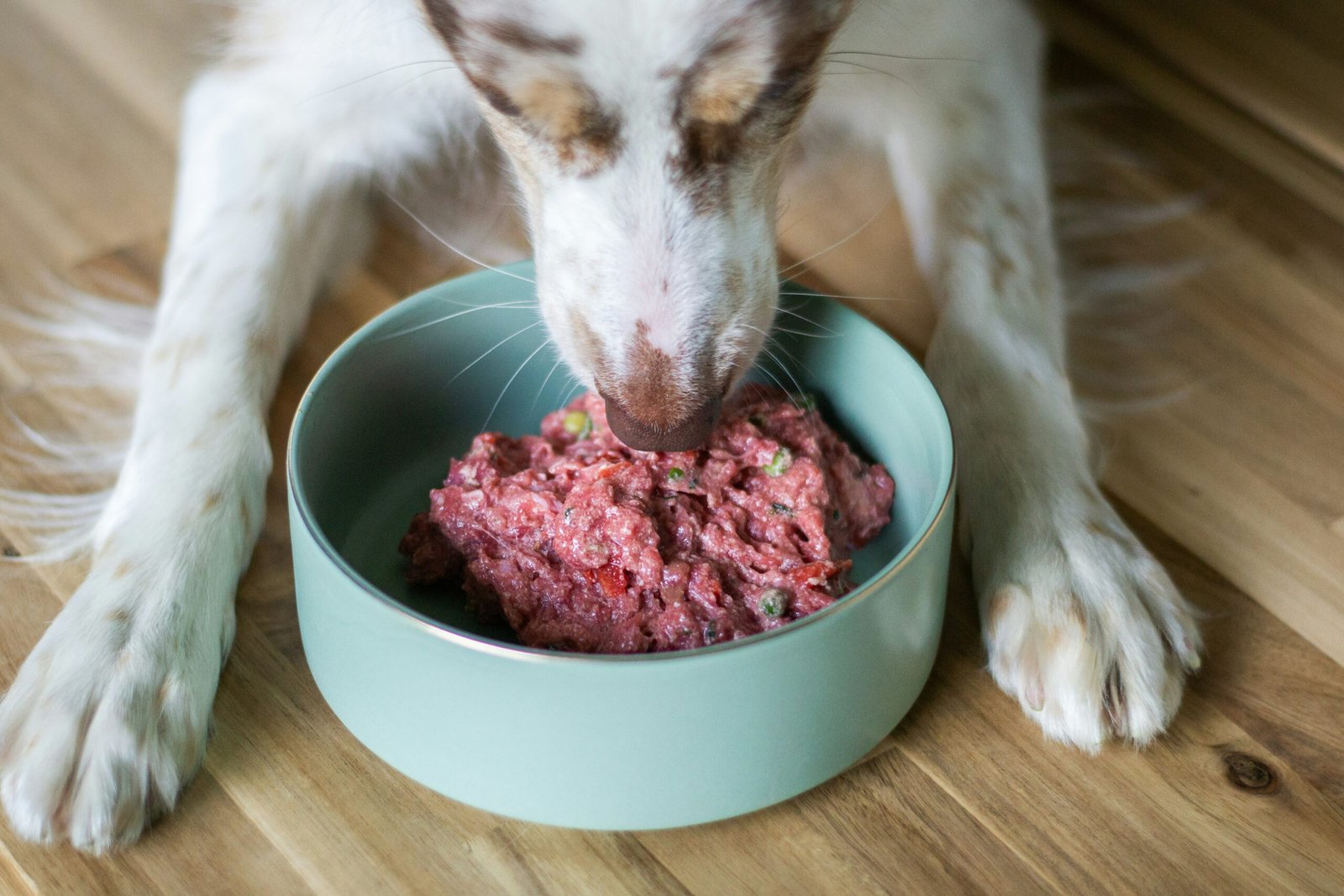
The best wet food for senior dogs solves a problem most owners do not know their dog has. Older dogs drink less water than they should. Their thirst response weakens with age, and if the food does not compensate for that, chronic mild dehydration becomes the baseline. That quietly worsens kidney function, thickens joint fluid, reduces nutrient absorption, and makes a dog feel worse in ways that are easy to attribute to aging rather than diet.
Wet food addresses this directly. A good wet food is typically 70 to 80 percent moisture, compared to around 10 percent in dry kibble. That difference matters more as a dog gets older.
Beyond hydration, wet food is easier to eat for dogs with dental wear or missing teeth, more palatable for dogs whose appetite has dropped, and easier to digest for dogs with slower gut motility. It is not automatically better than dry food in every situation, but for most senior dogs it deserves a place in the daily feeding routine, whether as the main meal or as a topper over kibble.
This guide covers the best wet food options for senior dogs, what to look for on the label, how to decide between daily feeding and using it as a topper, and how to make the switch without upsetting your dog’s digestion. For the broader nutritional principles behind these choices, our senior dog nutrition basics guide is worth reading alongside this one.
This post may contain affiliate links. If you buy through these links, I may earn a small commission at no extra cost to you. As an Amazon Associate, I earn from qualifying purchases.
Table of Contents
Quick Picks
Best overall: Purina Pro Plan Adult 7+ Complete Essentials Wet Dog Food Solid all-round senior wet food that covers protein quality, hydration, and palatability in one formula. Available in chicken, turkey, and beef variants so you can rotate to keep picky eaters interested.
Best budget: Pedigree Chopped Ground Dinner Senior Covers the nutritional basics at a price that works for multi-dog households or large breeds. Good palatability for picky eaters.
Best for sensitive stomachs: Hill’s Science Diet Adult 7+ Savory Stew Formulated for digestive ease with prebiotic fiber and controlled ingredients. Consistently vet-recommended for older dogs with gut sensitivity.
Best for muscle maintenance: Blue Buffalo Homestyle Recipe Senior Highest protein quality of the group. Best choice for dogs that are still active but starting to lose muscle tone.
Best limited ingredient: Natural Balance L.I.D. Wet Dog Food Single protein source with minimal additives. The right pick for dogs with food sensitivities or suspected intolerances.
Quick decision guide:
- Dog eating less than before, losing weight, or avoiding kibble: start with Purina Pro Plan or Blue Buffalo
- Dog with frequent loose stools or gas: Hill’s Science Diet 7+
- Dog with suspected food allergy: Natural Balance L.I.D.
- Tight budget, otherwise healthy dog: Pedigree Senior
- Very large breed needing daily volume: Pedigree or Purina, bought in bulk
Why Wet Food Matters More for Senior Dogs
Most owners think of wet food as a palatability upgrade. Something you add when a dog gets picky. That undersells what it actually does for an aging body.
The hydration issue is the most important one to understand. A senior dog eating only dry kibble is working against a body that is already drinking less than it needs. Kidney function declines with age, and the kidneys depend on adequate hydration to filter waste efficiently. A dog in chronic low-level dehydration puts more strain on kidneys that are already less capable than they were at three years old. Wet food does not solve kidney disease, but it reduces the daily burden on kidneys that are doing their job under harder conditions.
Digestion also slows with age. Gut motility decreases, meaning food moves through the digestive tract more slowly. Dry kibble requires more digestive work to break down than wet food does. For a senior dog with reduced stomach acid production and slower intestinal movement, wet food is simply easier to process. That translates into better nutrient absorption, more consistent stools, and less gas and bloating.
Appetite loss is a real problem in older dogs and it compounds everything else. A dog that is not eating enough loses muscle mass, which accelerates mobility decline. Wet food is more aromatic and palatable than dry food, which matters when a dog’s sense of smell and appetite have both weakened. The difference between a dog finishing its bowl and leaving half of it behind often comes down to whether the food smells and tastes like something worth eating.
Dental wear is the final factor. Many senior dogs have missing teeth, worn enamel, or gum sensitivity that makes crunching kibble uncomfortable. They will eat it when hungry enough, but they eat less and more slowly. Wet food removes that barrier entirely. For the full comparison of both formats on their own merits, our guide on wet dog food versus dry dog food for senior dogs covers exactly when each has the advantage.
The Best Wet Foods for Senior Dogs
Purina Pro Plan Adult 7+ Complete Essentials Wet Dog Food (Best Overall)
Purina Pro Plan Adult 7+ Complete Essentials is the most consistently available and well-rounded senior wet food on the market. The formula is built around high-quality protein, with real chicken, turkey, or beef as the first ingredient depending on the variant, and is specifically formulated for dogs aged seven and older. It contains 23 essential vitamins and minerals, no artificial colors or flavors, and no corn, soy, or wheat.
What makes it the strongest all-round pick is the combination of factors it covers simultaneously. The protein level supports lean muscle maintenance, which is one of the most important nutritional priorities for an aging dog. The moisture content delivers meaningful hydration at every meal. The palatability is strong enough that most senior dogs, including picky eaters, accept it consistently. And because it comes in multiple flavor variants, rotating between chicken, turkey, and beef keeps meals from becoming monotonous for dogs that lose interest in a single flavor over time.
It is also one of the few senior wet foods that is genuinely easy to find in stock on Amazon in pack quantities, which matters if you are feeding it as a daily staple rather than an occasional topper.
Verdict: Best for most senior dogs as a complete daily wet food or as a high-quality kibble topper
Who should NOT buy this: Dogs with specific food sensitivities that require a single novel protein source, or dogs needing targeted joint support within the food formula itself
Pedigree Chopped Ground Dinner Senior (Best Budget)
Pedigree Senior covers the nutritional basics at a price point that makes daily wet feeding realistic for larger dogs or households with multiple dogs. The chopped texture is soft and moist, which works well for dogs with dental wear. The aroma is strong enough that even dogs with reduced appetite tend to respond to it.
It is not as specialized as the premium options. There are no added joint ingredients, no cognitive support compounds, and the ingredient quality is lower than Blue Buffalo or Purina Pro Plan. But for an otherwise healthy senior dog that simply needs the hydration and palatability benefits of wet food at a sustainable cost, it does the job.
It also works well as a kibble topper. A small amount mixed into dry food adds moisture, increases palatability significantly, and gets a reluctant eater engaging with the bowl again without the cost of feeding wet food exclusively.
Verdict: Best for budget-conscious owners, large breeds, multi-dog households, or as a daily kibble topper
Who should NOT buy this: Dogs with sensitive stomachs or suspected food intolerances, dogs that need targeted joint or cognitive support
Hill’s Science Diet Adult 7+ Savory Stew (Best for Sensitive Stomachs)
Hill’s Science Diet 7+ is the most consistently vet-recommended wet food for senior dogs with digestive sensitivity. The formula uses easily digestible proteins and includes prebiotic fiber to support gut microbiome balance. For dogs that have developed loose stools, frequent gas, or inconsistent appetite on their previous food, this is the most reliable starting point.
The ingredient list is more controlled than most grocery store brands, and the manufacturing standards are higher. Hill’s invests significantly in feeding trials and nutritional research, which is why veterinarians reach for it by default when recommending a diet change for a sensitive older dog.
The stew texture is well-accepted by most dogs. It is not the most aromatic option on this list, which can be a drawback for dogs with very low appetite, but for dogs whose main issue is digestive rather than palatability, that is usually not a problem.
Verdict: Best for senior dogs with sensitive stomachs, frequent digestive upset, or dogs transitioning off a food that was causing gut problems
Who should NOT buy this: Very active seniors needing maximum protein, or dogs that need a single-protein limited ingredient diet
Blue Buffalo Homestyle Recipe Senior (Best for Muscle Maintenance)
Blue Buffalo Homestyle Senior leads this group on protein quality. Real chicken as the first ingredient, no by-products, no artificial preservatives, and whole food additions including vegetables and fruit. For a senior dog that is still reasonably active but starting to lose muscle tone in the hindquarters or topline, the protein density here makes a real difference over time.
It also includes glucosamine and chondroitin, which makes it one of the few wet foods that provides meaningful joint support within the formula itself rather than requiring a separate supplement. The amounts are not as high as a dedicated joint supplement, but for a dog with mild stiffness that does not yet need clinical-level intervention, it provides useful background support.
The flavor profile is one of the better ones on this list. Most dogs eat it enthusiastically, which matters for seniors whose appetite has become unreliable.
Verdict: Best for senior dogs losing muscle mass, still active dogs needing high protein, or dogs with mild joint stiffness
Who should NOT buy this: Dogs with chicken sensitivities, dogs needing a limited ingredient diet, very overweight dogs that need calorie restriction
Natural Balance L.I.D. Wet Dog Food (Best Limited Ingredient)
Natural Balance L.I.D. is the right choice when a dog’s problem is the food itself. Older dogs sometimes develop sensitivities to proteins or ingredients they tolerated without issue for years. The signs are often subtle: intermittent loose stools, skin irritation, dull coat, chronic low-grade itching. A limited ingredient diet with a single novel protein removes the variables and gives the gut a chance to settle.
The formula uses one protein source, either duck, turkey, or lamb depending on the variant, paired with a single digestible carbohydrate. The ingredient list is short by design. For dogs whose sensitivity has not been formally identified, the elimination diet approach this food supports is the most practical way to find the answer.
The moisture content is good, the texture is palatable, and most dogs accept it without resistance. It is not built to be the most exciting meal, but for dogs that need simplicity above all else, that is exactly the point.
Verdict: Best for senior dogs with suspected food sensitivities, allergy symptoms, or chronic mild digestive issues that have not resolved on other foods
Who should NOT buy this: Dogs without sensitivity issues who would benefit more from a more nutrient-dense formula
Comparison Table
| Product | Best For | Protein Source | Key Feature | Price Tier |
|---|---|---|---|---|
| Purina Pro Plan adult 7+ | Best overall | Chicken, liver | Cognitive support, MCTs | $$$ |
| Pedigree Chopped Ground Senior | Budget | Meat by-products | Affordable, palatable | $ |
| Hill’s Science Diet 7+ | Sensitive stomachs | Chicken | Prebiotic fiber, vet-recommended | $$$ |
| Blue Buffalo Homestyle Senior | Muscle maintenance | Chicken | High protein, glucosamine | $$$ |
| Natural Balance L.I.D. | Food sensitivities | Duck, turkey, or lamb | Single protein, limited ingredients | $$ |
What to Look for on the Label
The label on a wet food can tells you more than the marketing on the front of the can. The front is for selling. The back is the actual product.
The first ingredient should be a named protein source. Chicken, turkey, beef, lamb, salmon. Not “meat” or “animal by-products” as the lead ingredient. By-products are not inherently harmful but their quality is variable and unpredictable, and a food leading with a named protein tells you more about what you are actually buying.
Moisture content should be listed and should sit between 70 and 82 percent for a standard wet food. Below that range the food is denser and provides less hydration benefit. Above 82 percent you are paying for a lot of water.
Guaranteed analysis shows minimum crude protein and fat, and maximum crude fiber and moisture. For a senior dog, look for crude protein of at least 8 percent on the wet food label, which translates to roughly 30 to 35 percent on a dry matter basis once the moisture is accounted for. That range supports lean muscle maintenance without excessive caloric load.
Additives to avoid include artificial colors, which serve no nutritional function and can cause sensitivity in some dogs, and vague preservative listings. BHA and BHT are synthetic preservatives with a contested safety record. Mixed tocopherols are the natural alternative and are preferable.
AAFCO statement matters. Any food claiming to be complete and balanced for adult maintenance or all life stages has met the Association of American Feed Control Officials nutritional standards. A food without this statement is a complementary food, meaning it is not nutritionally complete on its own and should not be the sole diet.
Wet Food Every Day or as a Topper: Which is Better
This is the question most owners land on after deciding wet food has a place in the diet. The honest answer is that it depends on the dog, and neither approach is wrong.
Feeding wet food as the complete daily diet gives the maximum hydration benefit and is the right call for dogs with significant dental problems, very low appetite, or dogs that are underweight and need calorie-dense, highly palatable meals. The main consideration is cost. Feeding a large breed exclusively on wet food is significantly more expensive than a mixed approach.
Using wet food as a topper over dry kibble is practical and effective for most senior dogs. A few tablespoons of wet food mixed into or spooned over dry kibble increases moisture content meaningfully, improves palatability substantially, and gives the hydration benefit without the full cost of exclusive wet feeding. For dogs that eat dry food readily but need the extra moisture, this is the most efficient approach.
The one thing to avoid is adding wet food on top of a full kibble portion without adjusting the total calorie count. Wet food contributes calories. If the dry food portion stays the same and wet food is added on top, the dog will gain weight. The practical fix is to reduce the kibble portion slightly when introducing wet food as a topper.
For guidance on how to mix the two correctly: How to Mix Wet and Dry Dog Food
How to Transition to a New Wet Food
Senior dogs have less digestive flexibility than younger ones. A sudden food change can cause loose stools, gas, or vomiting even when the new food is genuinely better than the old one. The transition needs to be gradual.
The standard approach is to mix old and new food in shifting ratios over ten to fourteen days. Start with around 25 percent new food and 75 percent old. After three to four days with no digestive reaction, move to 50/50. After another three to four days, shift to 75 percent new and 25 percent old. Then complete the switch.
If loose stools appear at any stage, hold at that ratio for an extra two or three days before progressing. If they persist beyond a week at the same ratio, the new food may not suit the dog and it is worth reassessing the choice.
For dogs with a history of digestive sensitivity, adding a probiotic supplement during the transition period helps stabilize the gut microbiome as the bacterial population adjusts to the new food substrate.
For a full transition guide: How to Transition Your Senior Dog to a New Diet

FAQ
Is wet food better than dry food for senior dogs?
It depends on the dog’s situation. Wet food has clear advantages for hydration, palatability, and ease of digestion, all of which matter more as a dog ages. Dry food has advantages for dental abrasion and cost. For most senior dogs, a combination of the two gives the best practical outcome. If the dog has significant dental problems, very low appetite, or kidney issues, wet food as the primary diet makes more sense.
How much wet food should I give my senior dog per day?
Follow the feeding guidelines on the label as a starting point, adjusted for your dog’s actual weight and activity level. Senior dogs generally need fewer calories than adults at peak activity, so err toward the lower end of the recommended range initially. If you are using wet food as a topper over kibble, reduce the dry food portion proportionally to avoid overfeeding.
Can I give my senior dog wet food every day?
Yes, provided it is a complete and balanced formula with an AAFCO statement for adult maintenance. Complementary wet foods, which include many treats and toppers, are not designed as a sole diet and should not be the only thing a dog eats.
Why has my senior dog stopped eating dry kibble?
Several reasons are common: dental pain making crunching uncomfortable, reduced appetite from aging, reduced sense of smell making food less appealing, or an underlying health issue worth investigating if the change is sudden. Switching to wet food or adding a wet food topper resolves the palatability issue in most cases. If appetite loss is significant or sudden, a vet check is the right first step before changing the diet.
Does wet food help with senior dog hydration?
Yes, meaningfully. Wet food at 75 percent moisture contributes a substantial amount of water to the daily intake. For a ten-kilogram dog eating 200 grams of wet food, that is roughly 150 millilitres of water from the food alone. For senior dogs with a weakened thirst response or those prone to kidney issues, this is a practical and consistent way to increase daily fluid intake.
Is it better to feed wet food as a complete meal or as a topper?
Both approaches work. Complete wet food feeding gives the maximum hydration and palatability benefit and is best for dogs with dental problems or very low appetite. Using it as a topper is more cost-effective and works well for dogs that eat dry food readily but need more moisture in the diet. The key with the topper approach is adjusting the kibble portion down to compensate for the added calories.
Final Thoughts
The best wet food for senior dogs is the one that fits what your dog is actually dealing with. Hydration and palatability apply across the board, but beyond that the right choice depends on whether the main issue is cognitive decline, digestive sensitivity, muscle loss, food allergies, or simply appetite.
Purina Pro Plan adult 7+ covers the most ground for most senior dogs. For dogs with stomach sensitivity, Hill’s Science Diet 7+ is the more targeted option. For dogs losing muscle, Blue Buffalo Homestyle gives the protein quality to address that directly. For dogs with suspected intolerances, Natural Balance L.I.D. removes the variables.
If budget is the main constraint, Pedigree Senior does the job for healthy dogs that simply need the hydration and palatability upgrade that wet food provides.
The hydration benefit alone makes wet food worth including in a senior dog’s routine. Most older dogs are not drinking enough. The food is one of the most reliable ways to close that gap.
Best Senior Dog Food 2026 – seniordog-care
Sources
- https://www.akc.org/expert-advice/nutrition/senior-dog-nutrition-tips/
- https://vcahospitals.com/know-your-pet/feeding-senior-dogs
- https://www.ncbi.nlm.nih.gov/pmc/articles/PMC6523606/
- https://www.petmd.com/dog/nutrition/evr_dg_senior_dog_nutrition_tips
- https://www.aafco.org/consumers/what-is-in-pet-food/
Pingback: How to Transition Your Senior Dog to a New Diet Safely (Vet-Approved Tips)
Pingback: How to Mix Wet and Dry Dog Food: Vet-Approved Feeding Guide (2025)
Pingback: Wet Dog Food vs Dry Dog Food - seniordog-care