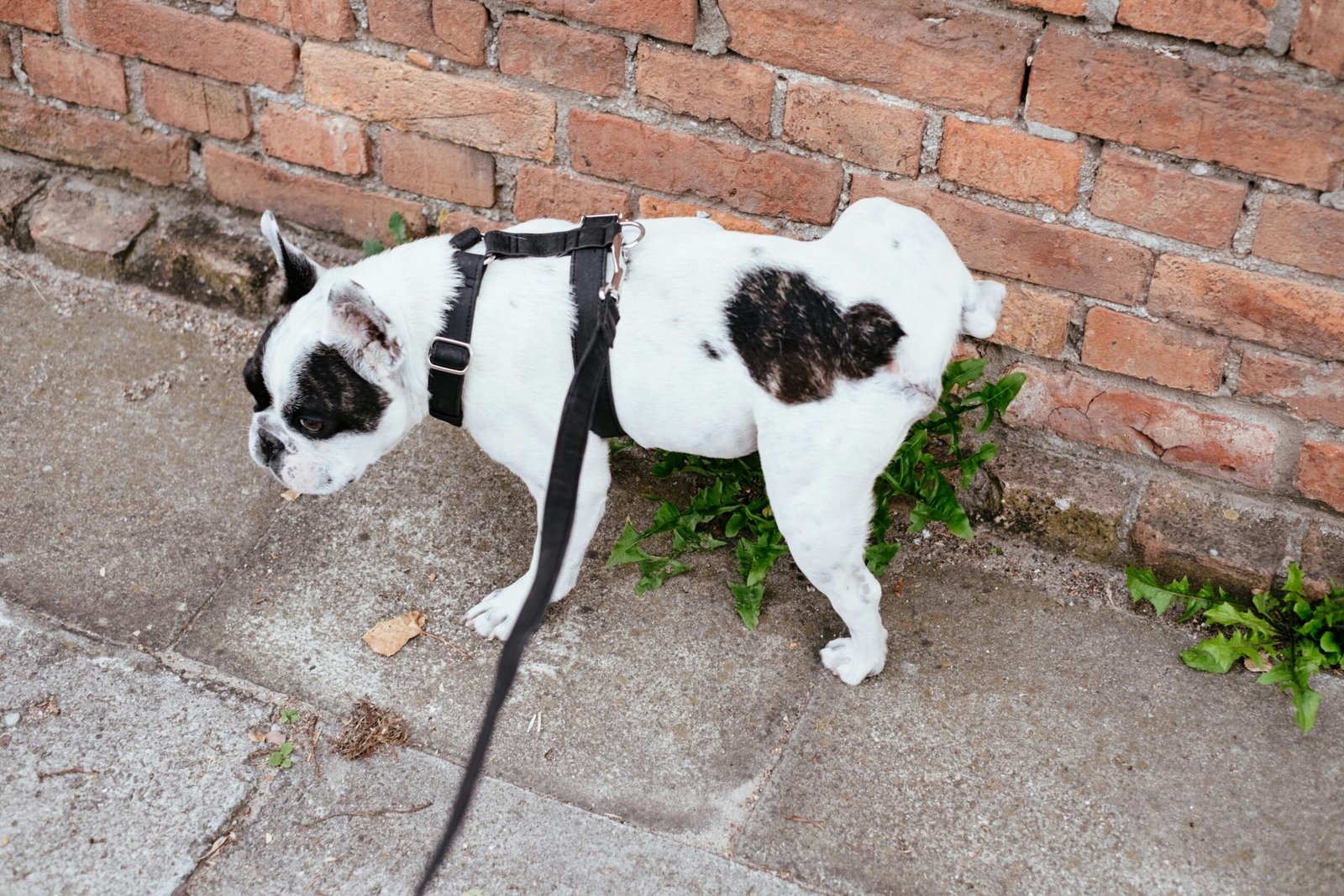
Bladder control in senior dogs is one of those topics most owners do not think about until it becomes a problem. Then suddenly there are accidents in the house, wet patches on the bed, and a dog that seems embarrassed or confused about what is happening to their own body.
The first thing worth understanding is that this is almost never laziness. A senior dog having accidents in the house is not making a choice. Their body is changing in ways they cannot control, and the frustration and confusion they show around it is real. Blaming the dog for something their aging body is doing makes an already difficult situation harder for both of you.
The second thing worth understanding is that bladder problems in senior dogs do not simply go away on their own. Most causes are progressive or tied to underlying health issues that need attention. The earlier you understand what is happening and why, the more you can do to manage it and protect your dog’s quality of life.
This post contains affiliate links. If you buy through these links, I may earn a small commission at no extra cost to you. As an Amazon Associate, I earn from qualifying purchases.
Table of Contents
Why Bladder Control in Senior Dogs Declines With Age
Several things change in an aging dog’s urinary system that make bladder control progressively more difficult.
The muscles of the urethral sphincter weaken with age. These muscles are responsible for keeping the bladder closed between urination. When they lose tone, urine can leak out without the dog being aware it is happening, particularly when they are lying down, sleeping, or relaxed. This type of incontinence often shows up as wet spots where the dog has been sleeping rather than obvious accidents.
The bladder itself loses some of its capacity and elasticity with age. A younger dog can hold a full bladder comfortably for several hours. An older dog’s bladder signals urgency sooner and with less warning time. The gap between feeling the need to go and genuinely needing to go shrinks significantly. A dog that used to have ten minutes of warning may now have two.
Nerve signal transmission between the bladder and the brain can also become less efficient with age. In some senior dogs, the bladder fills and empties reflexively without the dog receiving a clear conscious signal that it is happening. They are not ignoring the need to go outside. They genuinely did not know it was coming.
The Most Common Causes of Bladder Problems in Senior Dogs
Urethral Sphincter Mechanism Incompetence
This is the most common cause of incontinence in senior dogs, particularly in spayed females. The urethral sphincter simply loses the muscle tone needed to keep the bladder closed consistently. It is most noticeable during sleep or rest when the muscles relax completely.
Dogs with this condition often wake up lying in a wet patch, or owners notice the bedding is damp without any obvious accident having occurred. The dog is typically unaware it has happened. This type of incontinence responds well to medication that restores sphincter tone, making it one of the most treatable causes of bladder problems in older dogs.
Urinary Tract Infections
Urinary tract infections are common in senior dogs and cause a sudden increase in urinary urgency, frequency, and accidents. Unlike the gradual onset of age-related incontinence, UTI-related accidents tend to come on quickly and are often accompanied by straining to urinate, blood in the urine, or discomfort when going.
Senior dogs are more susceptible to UTIs because their immune systems are less effective at fighting bacterial infections and because hormonal changes affect the environment of the urinary tract. A dog that has been continent and suddenly starts having frequent accidents is a dog that needs a vet visit to rule out a UTI before assuming it is age-related decline.
Canine Cognitive Dysfunction
A senior dog with cognitive dysfunction may have accidents in the house not because of a physical bladder problem but because they have forgotten their house training or lost awareness of where they are and what they are doing. They may stand at the wrong door, forget they were just outside, or simply not connect the sensation of needing to go with the learned behaviour of going to the door.
CCD-related accidents are usually accompanied by other signs of cognitive decline including nighttime restlessness, disorientation, changes in social behaviour, and reduced engagement with the environment.
Hormonal Changes
Oestrogen plays a role in maintaining urethral muscle tone in female dogs. After spaying, and with the hormonal changes of aging, oestrogen levels decline and urethral tone can decrease as a result. This is why incontinence is significantly more common in older spayed females than in males or intact females.
Some vets prescribe oestrogen supplements or other hormone-based medications to address this specifically, with good results in many cases.
Kidney and Bladder Disease
Kidney disease causes increased thirst and increased urination as the kidneys work harder to filter waste. A dog drinking significantly more water than usual will also need to urinate significantly more often, sometimes more than their bladder control can accommodate.
Bladder stones or bladder tumours can cause urgency, discomfort, and frequent accidents. These conditions are diagnosable through urinalysis, ultrasound, and physical examination.
Spinal and Neurological Issues
Conditions affecting the spinal cord, including intervertebral disc disease and degenerative myelopathy, can disrupt the nerve pathways that control bladder function. A dog with a spinal issue may lose the ability to signal the need to urinate effectively, leading to overflow incontinence where the bladder fills and empties without the dog’s conscious awareness.
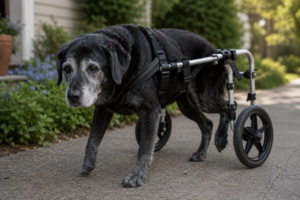
This type of incontinence is often accompanied by hind leg weakness, changes in gait, or loss of tail control. If these mobility signs are present alongside the bladder changes, our guide to best mobility aids for senior dogs covers the equipment worth considering for the underlying weakness itself.
Medications
Some medications commonly prescribed for senior dogs increase thirst and urination as a side effect. Corticosteroids are the most common example. A dog that has recently started a new medication and is suddenly having accidents may simply be producing more urine than they can comfortably manage. This is worth discussing with your vet if the timing aligns.
For the best bladder control supplements: Best Bladder Control Supplements for Senior Dogs (2026 Vet-Approved Guide)
How to Tell the Difference Between Types of Incontinence
The pattern of accidents gives you useful information about the likely cause.
Wet patches while sleeping or resting, with the dog unaware anything happened, points toward sphincter weakness or hormonal incontinence. Sudden onset of frequent accidents with urgency and straining points toward a UTI or bladder inflammation. Accidents that seem connected to confusion or forgetting house training suggest cognitive dysfunction. Accidents alongside increased thirst and urination suggest kidney disease or medication effects. Accidents alongside hind leg weakness or neurological signs suggest a spinal cause.
This distinction matters because the management and treatment differ significantly depending on the cause. A UTI needs antibiotics. Sphincter weakness may respond to medication. CCD needs cognitive support and environmental management. Getting the right diagnosis determines whether treatment is effective.
The Impact on Your Dog’s Wellbeing
Bladder problems affect more than just the practical challenge of managing accidents in the house. They affect your dog’s emotional wellbeing in ways that are easy to underestimate.
Dogs that have been well house-trained for years often show signs of distress around accidents. They may become anxious, hide after an incident, or avoid areas where accidents have happened. Some dogs become reluctant to lie down because they are uncertain whether their bladder will behave. This secondary anxiety on top of the physical problem makes everything harder.
The social dynamic changes too. An owner who responds to accidents with frustration, even mild frustration, adds stress to a dog that is already managing a confusing and uncomfortable physical change. The dog cannot connect the owner’s reaction to something they could have prevented. They only experience the emotional consequence.
Managing bladder problems effectively protects not just the floor but your dog’s sense of security and trust in their environment.
What You Can Do at Home
Increase the Frequency of Outdoor Access
The most immediate practical step is reducing the time between opportunities to go outside. More frequent trips outside mean a bladder that is rarely full enough to cause accidents. For dogs with reduced bladder capacity, every two to three hours during the day and at least once during the night may be necessary.
A consistent schedule helps. Senior dogs do better when they can anticipate when they will next go outside. Unpredictable timing makes bladder urgency harder to manage.
Protect the Sleeping Area
Waterproof covers on bedding protect the orthopedic foam underneath from urine absorption. Without a waterproof barrier, even small amounts of urine saturate foam quickly and are very difficult to fully remove. Washable waterproof covers allow you to maintain clean, hygienic bedding without replacing the whole bed.
Dog nappies or belly bands are practical options for dogs with significant incontinence, particularly overnight. They are not a long-term solution on their own but they allow your dog to sleep comfortably without the distress of waking up wet. If you are also considering a new bed with this in mind, our guide to the best orthopedic dog beds for senior dogs covers options with genuinely waterproof, washable covers built in.
Adjust Water Intake Thoughtfully
Restricting water intake is generally not recommended as a management strategy because hydration is important for kidney and bladder health. However, reducing water intake in the two to three hours before bedtime reduces overnight bladder pressure without affecting overall daily hydration. Always ensure your dog has free access to water during the day. Our guide on why hydration is key for senior dogs covers why this balance matters more with age, particularly for kidney function.
Support Bladder and Urinary Health Through Diet
Some senior dog foods and supplements specifically support urinary health. Cranberry extract has mild evidence for supporting urinary tract health in dogs. Adequate hydration, which wet food can help with, supports kidney function and reduces the concentration of urine, which reduces bladder irritation.
For nutrition guidance: Senior Dog Nutrition 101
Keep the Environment Low Stress
A dog managing bladder changes does better in a calm, predictable environment. Stress and anxiety directly affect bladder control. Reducing unnecessary stressors, maintaining consistent routines, and responding to accidents calmly and without frustration all support better bladder management.
When to See a Vet
Bladder problems in senior dogs warrant a vet visit in most cases, not because they are always a crisis but because the cause determines the treatment and many causes are directly treatable.
See a vet promptly if: accidents came on suddenly rather than gradually, there is blood in the urine, your dog is straining or showing discomfort when urinating, there is a strong or unusual smell to the urine, accidents are accompanied by increased thirst, or you notice neurological signs alongside the bladder changes.
A urinalysis is usually the first step and can identify infections, crystals, and other urinary issues quickly and inexpensively. Blood work assesses kidney function. In some cases imaging is needed to assess the bladder and surrounding structures.
Do not assume that bladder problems are simply an inevitable part of aging that nothing can be done about. Many causes are treatable, and even the ones that are not fully reversible can be significantly managed with the right approach.
FAQ
Is bladder incontinence in senior dogs normal?
It is common, but common does not mean nothing can be done about it. Many causes of incontinence in senior dogs are treatable or significantly manageable. Accepting it as inevitable without investigating the cause means missing opportunities to help your dog.
My senior dog only has accidents at night. What does that mean?
Nighttime accidents often indicate sphincter weakness or hormonal incontinence, where the muscles relax fully during sleep and cannot maintain closure. This is one of the most treatable forms of incontinence and responds well to medication in many cases. A vet visit is worth it.
Can bladder problems in senior dogs be cured?
Some causes are directly treatable and resolve with treatment, such as UTIs. Others are managed rather than cured, such as age-related sphincter weakness or cognitive dysfunction. The goal is reducing the frequency of accidents and protecting your dog’s quality of life rather than necessarily achieving perfect continence.
My dog seems embarrassed after accidents. What should I do?
Clean up calmly without drawing attention to the accident. Do not scold or express frustration. Your dog is not choosing to have accidents. Responding calmly protects their emotional wellbeing and reduces the secondary anxiety that develops around incontinence in previously well-trained dogs.
Are dog nappies safe for senior dogs?
Yes, when used appropriately. They should be changed regularly to prevent skin irritation and infections. They are most useful overnight or during periods when outdoor access is limited. They should not replace increasing outdoor access frequency during the day.
Does diet affect bladder control in senior dogs?
Indirectly yes. Adequate hydration supports bladder and kidney health. Some ingredients support urinary tract health specifically. Obesity, which is diet-related, puts additional pressure on the bladder. Maintaining a healthy weight and good hydration are the most consistently beneficial dietary factors for bladder health.
How often should a senior dog with bladder problems go outside?
Every two to three hours during the day as a starting point, with at least one overnight trip for dogs with significant urgency. The right frequency depends on the severity of the problem and the underlying cause. Your vet can give more specific guidance once the cause is identified.
Final Thoughts
Bladder control in senior dogs is a challenge that does not resolve on its own. It needs attention, the right diagnosis, and consistent management. But it is manageable in most cases, and the difference between a dog whose incontinence is well-managed and one whose is not is enormous in terms of daily quality of life.
The dog is not lazy. They are not choosing this. Their body is doing something they cannot fully control, and they need your help to navigate it with as little distress as possible.
Get the right diagnosis, make practical adjustments at home, and respond to accidents with calm consistency. That combination does more for a dog with bladder problems than any single product or intervention on its own.
For more on managing daily challenges for aging dogs, read our guide: Soothing Tips for Dogs in Pain
Sources
- https://www.akc.org/expert-advice/health/dog-incontinence/
- https://www.avma.org/resources-tools/pet-owners/petcare/senior-pets
- https://veterinarypartner.vin.com/default.aspx?pid=19239&id=4951536
- https://www.aspca.org/pet-care/dog-care/common-dog-behavior-issues/behavior-problems-older-dogs
- https://pmc.ncbi.nlm.nih.gov/articles/PMC6063540/
Pingback: Senior Dog Nutrition 101: The Complete Feeding Guide for Older Dogs
Pingback: Best Bladder Control Supplements for Senior Dogs (2026 Vet-Approved Guide)