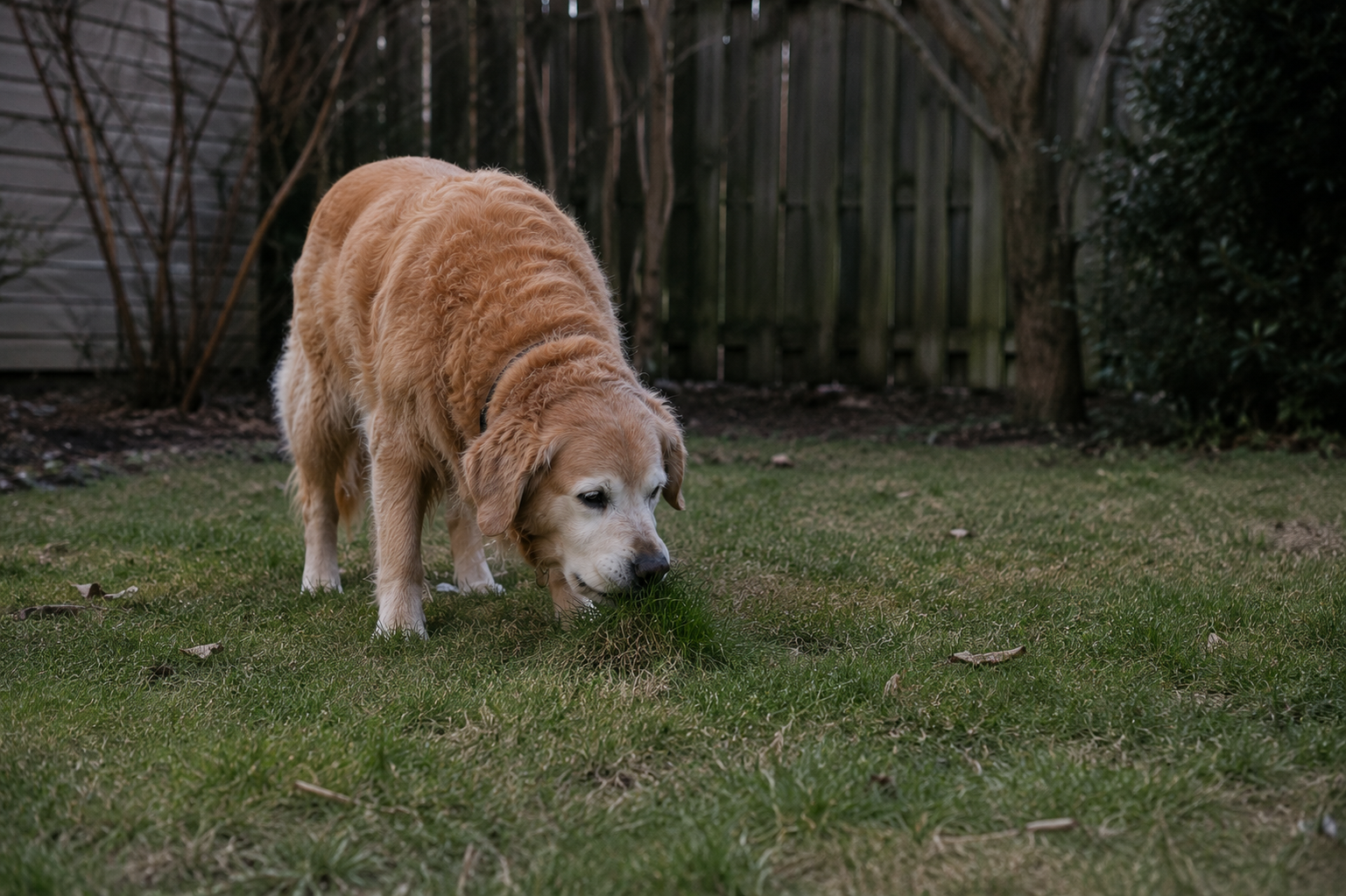
Why does my senior dog eat grass is a question most owners have asked at some point. And it is one of those behaviors that is easy to dismiss as a quirk until it happens regularly and you start wondering if something is actually wrong.
I know this from experience. My own dog ate grass regularly, and at the time I did not think much of it. Looking back, it was his way of telling me something was not right. The food we were giving him was cheap and convenient, but it was not what his body actually needed. The grass eating was a symptom of that, not a random habit.
For senior dogs specifically, grass eating is worth paying attention to. It does not always mean something serious. But it often means something.
This post contains affiliate links. If you buy through these links, I may earn a small commission at no extra cost to you. As an Amazon Associate, I earn from qualifying purchases.
Table of Contents
Is It Normal for Senior Dogs to Eat Grass?
Yes, grass eating is common in dogs of all ages. Studies suggest that the majority of dogs eat grass at some point, and most do not show any signs of illness before or after doing it.
But frequency and context matter. A dog that occasionally nibbles grass on a walk is different from a dog that seeks it out urgently and eats large amounts regularly. The latter is more likely to be communicating something about how they feel.
Senior dogs are particularly worth watching in this regard. Their digestive systems are less efficient, their nutritional needs have changed, and they are more likely to be dealing with underlying health issues that affect how their gut feels. Grass eating that increases with age is often a signal worth investigating rather than ignoring.
Why Does My Senior Dog Eat Grass?
There is no single answer. Dogs eat grass for several different reasons, and the reason matters for what you do about it.
1. Digestive discomfort or upset stomach
This is the most common reason senior dogs eat grass. When a dog’s stomach feels off, grass can trigger vomiting or help move things through the digestive system. It is an instinctive response to gastrointestinal discomfort.
Senior dogs are more prone to digestive issues than younger dogs. Their gut microbiome is less balanced, their digestive enzymes are less efficient, and they absorb nutrients less effectively. A stomach that feels unsettled more often will seek relief more often.
If your senior dog eats grass and then vomits, the grass was probably a response to nausea rather than the cause of the vomiting. For the fuller mechanism behind why this happens more with age, our guide on how aging affects digestion in senior dogs covers what is actually slowing down internally.
2. Nutritional gaps in their diet
This is the reason that often gets overlooked. Dogs sometimes eat grass because their body is looking for something it is not getting from their food. Fiber, specific minerals, or other nutrients found in plant matter can drive grass seeking behavior.
Many standard commercial dog foods, particularly cheaper options, do not deliver adequate nutrition for an aging dog’s specific needs. A senior dog eating the same food they have eaten for years may now be missing nutrients their body needs more of as they age. The grass eating can be the body’s attempt to compensate.
This was the case with my own dog. Switching to a better quality food that actually fit his needs would likely have made a difference. The grass eating was telling me something that I did not understand at the time.
3. Fiber deficiency
Grass is high in fiber. A dog whose diet is low in dietary fiber will sometimes seek it out from other sources, including grass. Senior dogs particularly benefit from adequate fiber for digestive health and regular bowel movements. If their food is low in fiber, grass becomes an appealing supplement.
4. Boredom or habit
Not all grass eating has a physical cause. Some dogs simply enjoy the texture or taste of grass, particularly in spring when it is fresh. Dogs that spend a lot of time in the garden with little stimulation may graze out of habit or boredom rather than physical need.
The difference is usually in the behavior. A dog grazing casually and occasionally is different from a dog urgently seeking grass and eating large amounts quickly.
5. Nausea from medication
Senior dogs are often on medication for chronic conditions. Some medications cause nausea as a side effect, which can trigger grass eating as a relief mechanism. If your dog started eating more grass around the time they started a new medication, that connection is worth raising with your vet.
6. Natural instinct
Dogs descended from animals that ate prey whole, including the stomach contents of grass-eating animals. Some grass consumption may simply be a residual instinct rather than a response to any specific physical need.
When Grass Eating Becomes a Concern
Occasional grass eating in a senior dog is rarely a serious problem. These are the signs that it is worth investigating further:
Frequency increases significantly A dog that suddenly eats grass much more than usual is telling you something has changed. Gradual increases alongside aging are less concerning than sudden spikes.
Urgent, frantic grass eating A dog that desperately seeks grass and eats it quickly is more likely to be responding to nausea or stomach pain than one that grazes casually.
Grass eating alongside other symptoms Weight loss, changes in appetite, diarrhea, vomiting beyond occasional, lethargy, or changes in stool quality alongside grass eating warrant a vet visit. These combinations can indicate underlying conditions that need attention.
Treated grass This is a safety concern rather than a health signal. Grass treated with pesticides, herbicides, or fertilizers can be genuinely toxic to dogs. If your dog eats grass from treated areas, contact your vet.
What to Do About It
Start with the food
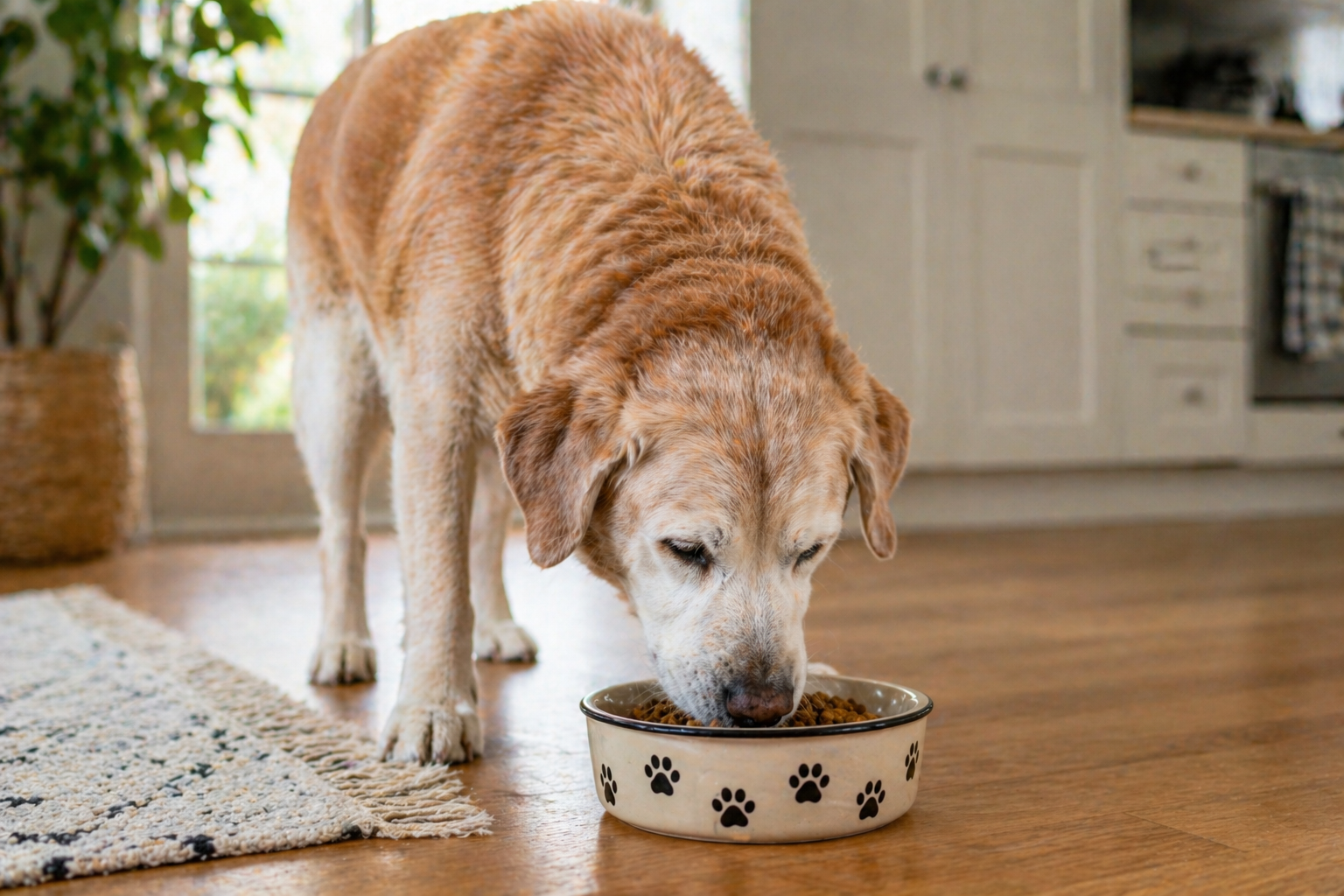
The first thing to look at is what you are feeding your senior dog. Check the ingredient list. A named animal protein should be the first ingredient. The food should include adequate fiber from whole food sources like sweet potato, pumpkin, or brown rice. It should not be built primarily around fillers and by-products.
If your dog has been on the same cheap or low-quality food for years, switching to a senior-specific formula with better ingredients is the most impactful first step. Many owners who make this change report that grass eating reduces significantly within a few weeks.
For guidance on what to look for: Senior Dog Nutrition 101. If your dog’s grass eating seems tied specifically to digestive sensitivity rather than a general nutritional gap, our guide to the best dog food for senior dogs with sensitive stomachs covers formulas built around that need directly.”
Add fiber to the diet
If switching food is not immediately possible, adding fiber can help in the short term. A small amount of plain canned pumpkin, around one to two tablespoons per day, is an easy way to increase dietary fiber. Most dogs accept it readily when mixed into their food.
Add a probiotic
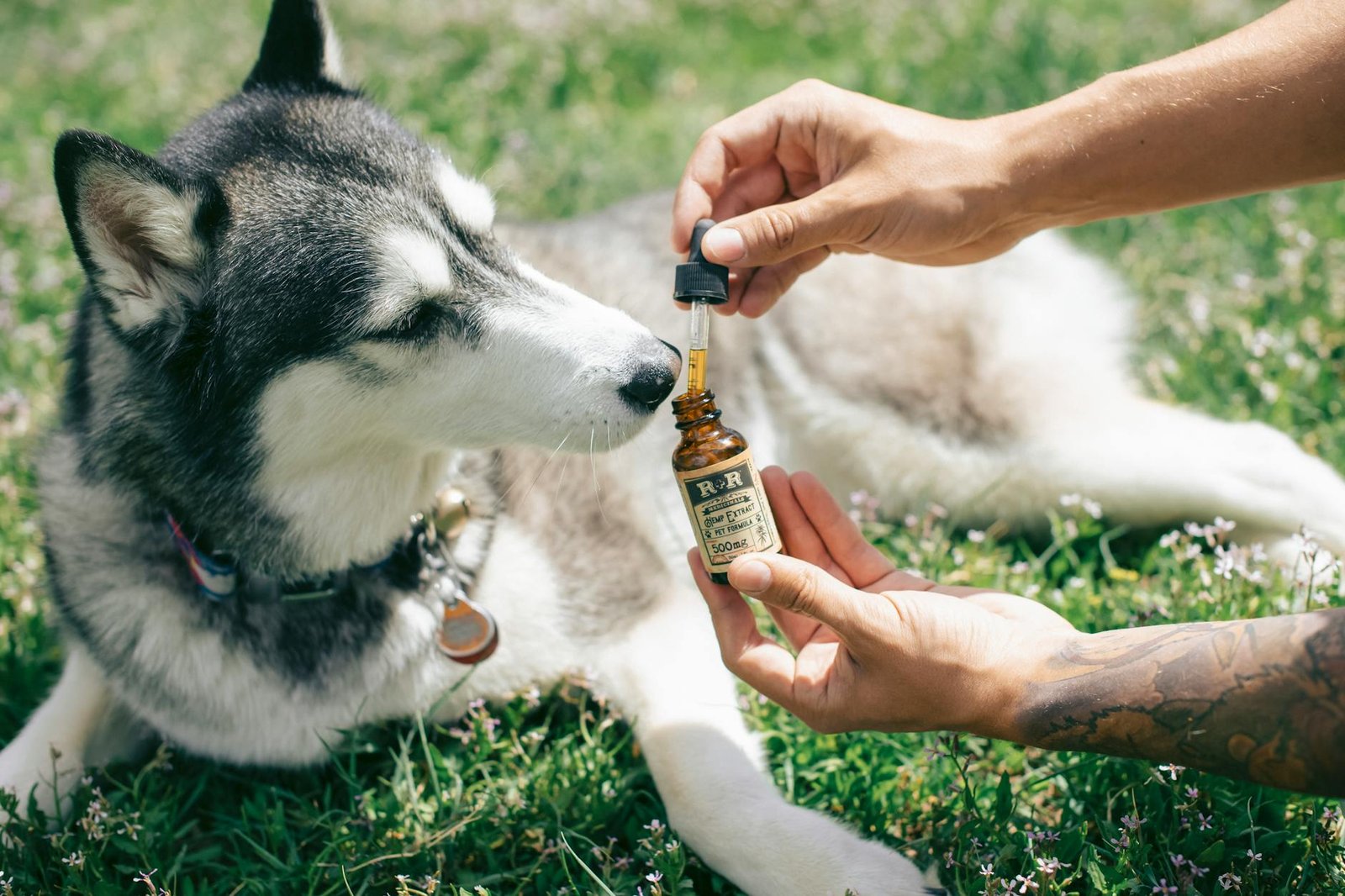
A good probiotic supports gut health and improves nutrient absorption in senior dogs. If your dog’s grass eating is related to digestive discomfort, a probiotic can help stabilize the gut microbiome and reduce that underlying unease.
For supplement recommendations: Best Digestive Supplements for Senior Dogs
Increase mental stimulation
If you suspect boredom is a factor, adding enrichment to your dog’s day reduces the likelihood of habitual grass grazing. Puzzle feeders, short training sessions, and new smells on walks all provide mental engagement that reduces idle behavior.
Talk to your vet
If grass eating is frequent, urgent, or accompanied by other symptoms, a vet conversation is the right next step. Blood work can identify nutritional deficiencies, digestive issues, or underlying conditions that might be driving the behavior.
What Vets Say About Grass Eating in Senior Dogs
Most vets are not alarmed by grass eating in itself. What they pay attention to is the pattern around it — how often, how urgently, and what else is happening alongside it.
Dr. Benjamin Hart from the University of California Davis, one of the researchers who studied grass eating behavior in dogs extensively, found that the majority of dogs that eat grass are not ill beforehand and do not vomit afterwards. His research suggested that grass eating is a normal behavior rooted in instinct rather than purely a sign of illness.
But vets also consistently point out that senior dogs are a different case than adult dogs. An aging digestive system is less resilient, nutritional needs have shifted, and the likelihood of underlying health conditions is higher. What might be a harmless habit in a younger dog can be a more meaningful signal in a dog that is 9, 10, or 11 years old.
The consensus among veterinary professionals is straightforward. Occasional grass eating in a senior dog that is otherwise healthy is generally not a concern. Frequent, urgent grass eating — particularly when it increases over time or accompanies other symptoms — deserves investigation. A basic blood panel and dietary review are usually the first steps a vet will recommend, and they often reveal something useful.
The takeaway is not that grass eating is dangerous. It is that in a senior dog, it is worth taking seriously as a potential signal rather than dismissing it as a habit.
FAQ
Is it safe for my senior dog to eat grass?
Usually yes, as long as the grass has not been treated with pesticides or chemicals. Occasional grass eating is generally harmless. The concern is what the grass eating is telling you about how your dog feels, not the grass itself.
Should I stop my senior dog from eating grass?
Not necessarily. Stopping the behavior without addressing the underlying cause does not help your dog. Focus on understanding why it is happening and addressing that rather than just preventing access to grass.
My senior dog eats grass and then vomits. Is that normal?
It happens in some dogs, though research suggests most dogs that eat grass do not vomit afterwards. If your dog consistently vomits after eating grass, the grass is likely a response to nausea rather than the cause. The nausea is worth investigating.
Can grass eating indicate a serious illness in senior dogs?
Occasionally yes. Frequent grass eating alongside weight loss, appetite changes, or other symptoms can indicate digestive disease, kidney issues, or other conditions. If you see those combinations, a vet visit is warranted.
How do I know if my dog is eating grass out of boredom or because of a health issue?
Boredom grazing tends to be casual, occasional, and without urgency. Health-related grass eating tends to be more frequent, more urgent, and often followed by vomiting or other digestive symptoms. The behavior itself usually tells you which is more likely.
Will changing my dog’s food stop the grass eating?
It depends on the cause. If the grass eating is diet-related, switching to a better quality senior formula often reduces or eliminates it within a few weeks. If the cause is something else, food alone may not be enough.
Final Thoughts
Why does my senior dog eat grass usually has an answer. It is rarely random and it is rarely without meaning.
For most senior dogs, grass eating is a signal from the digestive system. Something is not quite right, whether that is the food, the fiber intake, the gut microbiome, or an underlying health condition. The grass is the symptom. Finding the cause is what matters.
Start with the food. Look honestly at what you are feeding your dog and whether it actually meets their needs as a senior. That single change resolves a lot of grass eating behavior that owners assume is just a quirk.
If the food is already good and the behavior continues or worsens, a vet conversation is the right next step.
For more on senior dog nutrition, read our complete guide: Senior Dog Nutrition 101

Pingback: Senior Dog Nutrition 101: The Complete Feeding Guide for Older Dogs
Pingback: What Supplements Do Senior Dogs Need? (2026 Guide)