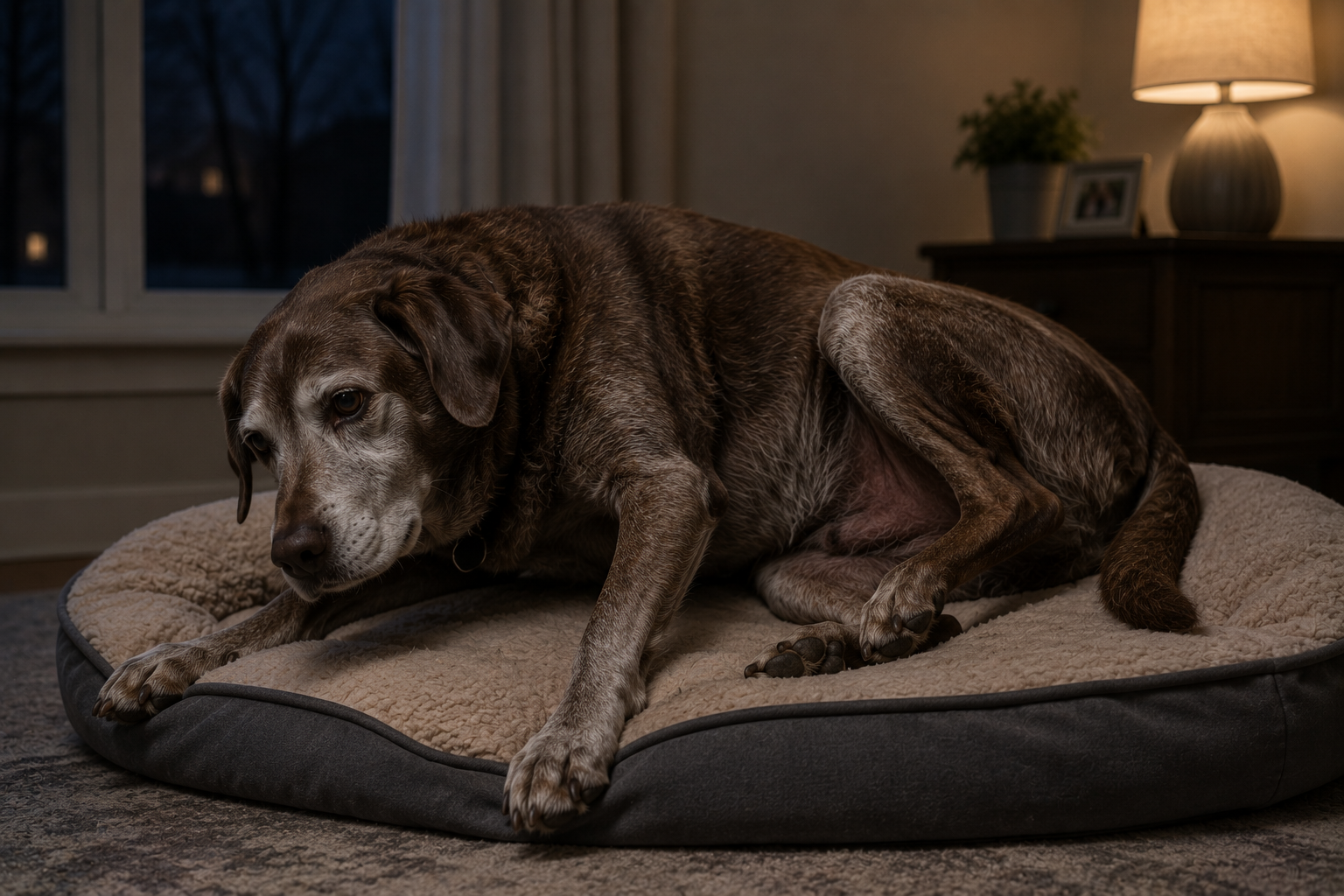
Why is my senior dog restless at night is one of those questions that starts as a concern and quickly becomes exhausting for everyone in the house. Your dog is up, pacing, unable to settle. You are up watching them. Neither of you is sleeping properly.
A bad night happens. But when it keeps happening week after week, that is not a bad night anymore. That is your dog telling you something is wrong. And the longer it goes unaddressed, the more it affects them, not just physically but mentally too. A dog that is not sleeping properly is a dog that is not recovering, not thinking clearly, and not feeling well. Sleep is the foundation of everything else for a senior dog. When that foundation is cracked, everything built on top of it starts to suffer.
The most underestimated reason for nighttime restlessness in senior dogs is pain. Not dramatic, obvious pain, but the kind that makes it impossible to find a comfortable position. They lie down, something hurts, they get up. They try a different spot, still not right. They pace. They circle. They cannot settle because their body will not let them. Owners often mistake this for anxiety or dementia when the real cause is physical discomfort that could be directly addressed.
This article covers the main reasons senior dogs become restless at night and what you can actually do about it.
This post contains affiliate links. If you buy through these links, I may earn a small commission at no extra cost to you. As an Amazon Associate, I earn from qualifying purchases.
Table of Contents
Why Senior Dogs Are More Prone to Nighttime Restlessness
Before getting into specific causes, it helps to understand why aging makes nighttime restlessness more likely in the first place.
As dogs get older, their sleep architecture changes. They spend more time in lighter sleep stages and less time in deep, restorative sleep. Their sleep cycles become shorter and more fragmented. Small disruptions that a younger dog would sleep through, a noise outside, a shift in temperature, mild discomfort, are enough to fully wake a senior dog.
At the same time, the conditions that cause disruption become more common with age. Joint pain increases. Cognitive function declines. Bladder control weakens. Anxiety can increase. Any of these, alone or in combination, can turn a previously good sleeper into a dog that is up multiple times a night.
The Main Reasons Your Senior Dog Is Restless at Night
Pain and Physical Discomfort
This is the most common cause and the most frequently missed. A dog in pain cannot settle because settling requires finding a comfortable position, and for a dog with arthritis or joint problems, no position stays comfortable for long.
They lie on their side and the hip hurts. They shift to their stomach and the elbows ache. They get up, walk around, try again. From across the room this looks like restlessness or anxiety. Up close it is a dog managing pain the only way they can, by moving.
Pain is worse at night for two reasons. There are no distractions. During the day, activity, interaction, and movement keep the dog’s attention away from chronic discomfort. At night, in a quiet house, there is nothing else to focus on. The pain is more present. The second reason is that joints stiffen after long periods of rest. A dog that has been lying still for two hours wakes up stiffer and more uncomfortable than when they went to sleep.
The surface they are sleeping on plays a direct role in this. A dog sleeping on a flat, unsupportive bed is putting constant pressure on already painful joints throughout the night. An orthopedic memory foam bed distributes weight evenly, reduces pressure points, and makes sustained rest significantly more comfortable. Many owners who add a heating pad alongside the bed see dramatic improvements in their dog’s nighttime restlessness within a week or two because the combination of support and gentle warmth addresses the physical discomfort directly.
For bed recommendations: Best Orthopedic Dog Beds for Senior Dogs For heating pad recommendations: Best Heated Pads for Dogs with Arthritis
Canine Cognitive Dysfunction
Canine Cognitive Dysfunction, often called canine dementia, is one of the most significant causes of nighttime restlessness in senior dogs and one of the least recognised by owners.
The condition disrupts the normal sleep-wake cycle. Dogs with CCD often sleep more during the day and become restless, confused, and active at night. They may pace, stare at walls, seem disoriented, or vocalise without a clear reason. The quiet and darkness of night remove the environmental cues that help them orient themselves, making confusion worse.
Other signs of CCD include house soiling despite good previous training, reduced recognition of familiar people or places, changes in social interaction, and reduced interest in food or activities they previously enjoyed. If your dog’s nighttime restlessness is accompanied by any of these, a vet conversation about CCD is worth having sooner rather than later.
There is no cure for CCD but it can be managed. Medication, dietary changes, and environmental modifications can slow progression and significantly improve quality of life and sleep quality.
Bladder and Digestive Urgency
Senior dogs lose bladder and bowel control gradually with age. A dog that slept through the night at age 5 may genuinely need to go outside at age 10 or 11. Waking up and pacing at the same time each night, particularly heading toward the door, often indicates bladder urgency rather than anxiety or pain.
Urinary tract infections, kidney disease, and conditions like Cushing’s syndrome all increase urinary frequency and can cause a dog to need to go more often during the night. If your dog is drinking more water than usual alongside nighttime restlessness, this combination warrants a vet check.
Digestive discomfort can also cause nighttime restlessness. A dog with an unsettled stomach, gas, or digestive sensitivity may be unable to settle because they are physically uncomfortable. Changes in food, new ingredients, or age-related digestive decline can all contribute.
Anxiety and Fear
Anxiety in senior dogs can increase with age, sometimes significantly. Cognitive decline makes the world feel less predictable and more confusing, which increases baseline anxiety. Sensory decline, reduced vision and hearing, makes the environment feel less safe, particularly at night.
Some senior dogs develop sound sensitivities they did not have when younger. Noises that never bothered them, traffic outside, the heating system, wind, become triggers for anxiety. Because these sounds are often more noticeable at night when the house is quiet, the anxiety shows up primarily after dark.
Environmental changes, a new home, a new pet, the loss of a companion animal, or changes in the household routine can also trigger increased nighttime anxiety in senior dogs that were previously settled sleepers.
Medical Conditions
Several underlying medical conditions can cause nighttime restlessness beyond the ones already mentioned. Hypothyroidism, which is common in older dogs, causes a range of symptoms including sleep disruption. Heart disease can cause breathlessness when lying down, making rest uncomfortable. Kidney disease causes increased thirst and urination. Neurological conditions can cause restlessness and disorientation at night.
If nighttime restlessness is new, has come on suddenly, or is accompanied by other changes in your dog’s health or behaviour, a veterinary examination is the right first step. Blood work and a physical examination can rule out underlying conditions that need direct treatment.

What Worsens Nighttime Restlessness
Understanding what makes the problem worse helps you address it more effectively.
Too much daytime sleep is a common contributor. A dog that sleeps most of the day has less sleep pressure at night and is more likely to be wakeful. Gentle daily activity, appropriate for their mobility, helps establish a healthier sleep-wake rhythm.
Lack of routine makes things worse for senior dogs, particularly those with cognitive decline. Unpredictable feeding, walk, and bedtime schedules remove the environmental cues that help dogs know what time it is and what to expect. A consistent daily routine is one of the most effective low-cost interventions for nighttime restlessness.
An uncomfortable sleeping environment contributes directly. Cold temperatures worsen joint stiffness. A sleeping spot with too much noise or light disrupts lighter sleep stages. Sleeping in isolation from the family can increase anxiety in a dog that previously slept near people.
What Actually Helps
Address the Physical Comfort First
Start with the sleeping surface. If your dog is sleeping on a standard bed or on the floor, switch to a high-density orthopedic memory foam bed that matches their body weight. Add a heating pad alongside it. These two changes address the most common physical cause of nighttime restlessness directly and the improvement is often visible within days.
Establish a Consistent Bedtime Routine
A predictable end-of-day routine helps senior dogs wind down and signals that it is time to sleep. A late evening walk to allow for elimination, a calm period of quiet time, and a consistent bedtime location all help regulate the sleep-wake cycle. Keep the same schedule every day including weekends.
Reduce Nighttime Disruptions
Keep the sleeping area quiet, warm, and draft-free. Consider a nightlight for dogs with reduced vision. Soft, calm music or white noise can muffle sounds that trigger anxiety. Keep the sleeping spot consistent so your dog always knows where their safe place is.
Support Joint Health
If pain is driving the restlessness, addressing joint health directly produces better results than trying to manage the nighttime behaviour alone. Glucosamine, chondroitin, and omega-3 fatty acids support joint health and reduce inflammation. Used consistently over weeks they reduce the underlying discomfort that is keeping your dog awake.
For supplement recommendations: What Supplements Do Senior Dogs Need?
Talk to Your Vet
If restlessness has been going on for more than a week or two, a vet visit is the right next step. Describe when it started, how often it happens, and any other changes you have noticed. A physical examination and basic blood work can identify treatable causes and rule out conditions that need direct medical management.
Do not wait until the problem is severe. A dog that has been sleeping badly for weeks has been recovering badly for weeks. The cumulative effect on their physical and mental wellbeing is real.
How Nighttime Restlessness Affects Your Senior Dog Over Time
This is the part most owners underestimate. One bad night is a bad night. Two weeks of bad nights is a different problem entirely.
Sleep is when the body does its repair work. Growth hormone is released, the immune system becomes more active, and the physical stress accumulated during the day gets processed and resolved. For a senior dog with arthritis or joint disease, this overnight recovery window is critical. Without it, the inflammation and muscle fatigue from the previous day carries forward into the next. Over weeks, this accumulates into a dog that is more stiff, more uncomfortable, and more cognitively dulled than they would be with adequate sleep.
The cognitive impact is significant and often underappreciated. Research on canine sleep has shown that sleep quality is directly linked to cognitive performance in dogs. A dog sleeping poorly over weeks shows measurable decline in memory, responsiveness, and learning compared to a dog sleeping well. For a dog already experiencing early cognitive decline, poor sleep accelerates the progression in ways that are difficult to reverse.
The emotional impact is real too. A dog that is chronically sleep-deprived is a dog that is more anxious, less resilient, and less able to cope with the normal stresses of daily life. They may become more reactive, more clingy, or more withdrawn. Owners often attribute these changes to the aging process when sleep deprivation is a significant contributing factor.
The practical consequence is that addressing nighttime restlessness is not just about getting your dog to sleep through the night. It is about protecting their physical recovery, their cognitive health, and their emotional wellbeing over the weeks and months ahead. The longer poor sleep continues unaddressed, the harder it is to reverse the cumulative effects.
FAQ
How do I know if my senior dog’s restlessness is pain or dementia?
Pain-related restlessness tends to involve difficulty settling, frequent position changes, and often improves when you touch or massage the dog in certain areas. Dementia-related restlessness tends to involve more obvious confusion, disorientation, staring, and often follows a pattern of sleeping during the day and being wakeful at night. Both can be present simultaneously in older dogs. A vet examination is the most reliable way to distinguish between them.
My senior dog started pacing at night suddenly. Should I be worried?
Sudden onset of nighttime restlessness, particularly if it comes on within days rather than developing gradually, warrants a vet visit. Sudden changes often indicate a new medical issue rather than gradual age-related decline. Senior Dog Anxiety: Why It Gets Worse with Age
Will a better bed actually help my dog sleep through the night?
For dogs whose restlessness is driven by physical discomfort from joint pain, yes, significantly. The improvement from switching to a proper orthopedic bed is often noticeable within the first week. For dogs whose restlessness is driven primarily by cognitive decline or anxiety, the bed helps but is not sufficient on its own.
Should I let my restless senior dog sleep with me?
For some dogs, sleeping near their owner reduces anxiety and improves sleep quality. For others, the movement and disruption of sharing a bed makes things worse. There is no universal answer. If your dog was previously a good sleeper and has started being restless, the location of sleeping is unlikely to be the primary cause.
Is nighttime restlessness a sign that my senior dog is near the end of their life?
Not necessarily. Many causes of nighttime restlessness in senior dogs are manageable and do not indicate that a dog is near the end of their life. Pain, cognitive dysfunction, bladder urgency, and anxiety can all be addressed with appropriate management. However, if restlessness is accompanied by significant decline in multiple areas, a conversation with your vet about quality of life is appropriate.
How long does it take to see improvement after making changes?
For changes to the sleeping environment, improvement is often visible within one to two weeks. For supplement changes targeting joint pain, four to eight weeks is typical. For medication prescribed by a vet for CCD or pain management, results vary but are often noticeable within two to four weeks.
Final Thoughts
Why is my senior dog restless at night almost always has an answer. It is rarely random and it is never something a dog is choosing. They are uncomfortable, confused, in pain, or anxious, and the night removes the distractions that help them manage those things during the day.
Start with the physical basics. Get the sleeping surface right. Add heat therapy. Establish a consistent bedtime routine. Then look further if the restlessness continues, because the answer is usually there if you look for it.
A dog that has been having bad nights for weeks has been having bad weeks. The impact on their physical and mental wellbeing compounds over time. The sooner you address it, the more of that compounding you prevent.
For more on senior dog sleep, read our guide: How Much Sleep Does a Senior Dog Need?
Sources
- https://www.aspca.org/pet-care/dog-care/common-dog-behavior-issues/behavior-problems-older-dogs
- https://veterinarypartner.vin.com/default.aspx?pid=19239&catId=102897&id=4952996
- https://www.akc.org/expert-advice/health/signs-of-pain-in-dogs/
- https://pmc.ncbi.nlm.nih.gov/articles/PMC10175583/
- https://www.avma.org/resources-tools/pet-owners/petcare/senior-pets



Pingback: What Supplements Do Senior Dogs Need? (2026 Guide)
Pingback: How Much Sleep Does a Senior Dog Need? The Truth
Pingback: Senior Dog Anxiety: Why It Gets Worse with Age