Dog harness versus dog sling is a genuine decision for owners of senior dogs, and choosing the wrong one can mean reduced support exactly when your dog needs it most. Each tool serves a different purpose, and understanding that difference matters more as your dog ages and its actual needs shift from walking control toward genuine physical assistance.
A harness distributes pressure evenly across the chest and shoulders, giving you control during a walk without straining your dog’s neck or spine. A sling is built for lifting and short-term carrying support, ideal for a dog that tires easily, struggles with stairs, or needs help getting into the car rather than control during an active walk. Understanding which tool matches your senior dog’s actual situation, and when the two genuinely work together, makes a real difference to daily comfort.
This guide covers the practical differences between the two, when each makes sense for a senior dog specifically, and how to fit either one correctly. For harness recommendations organised by mobility need, our guide to the best senior dog harness covers six options. Once you have chosen, our guide on how to fit a dog support harness covers getting the fit right.
This post may contain affiliate links. If you buy through these links, I may earn a small commission at no extra cost to you. As an Amazon Associate, I earn from qualifying purchases.
Table of Contents
Why Senior Dogs Need One of These Tools in the First Place
As dogs age, muscle mass decreases, joints stiffen, and conditions such as arthritis or hip dysplasia become considerably more common. Activities that were effortless a few years ago, walking, climbing stairs, getting into a car, become genuinely difficult and often painful, and the change is usually gradual enough that owners adjust to it without fully registering how much has shifted.
The right support tool addresses this directly, reducing strain on painful joints and giving you a safer way to assist your dog than grabbing at a collar or lifting awkwardly under the belly, a habit that risks real injury to both dog and owner over repeated use. A harness and a sling solve overlapping but genuinely different parts of this problem, which is exactly why choosing between them, or using both, depends on what your specific dog actually needs day to day rather than which one sounds more serious or more supportive on paper.
Understanding Dog Harnesses for Senior Dogs
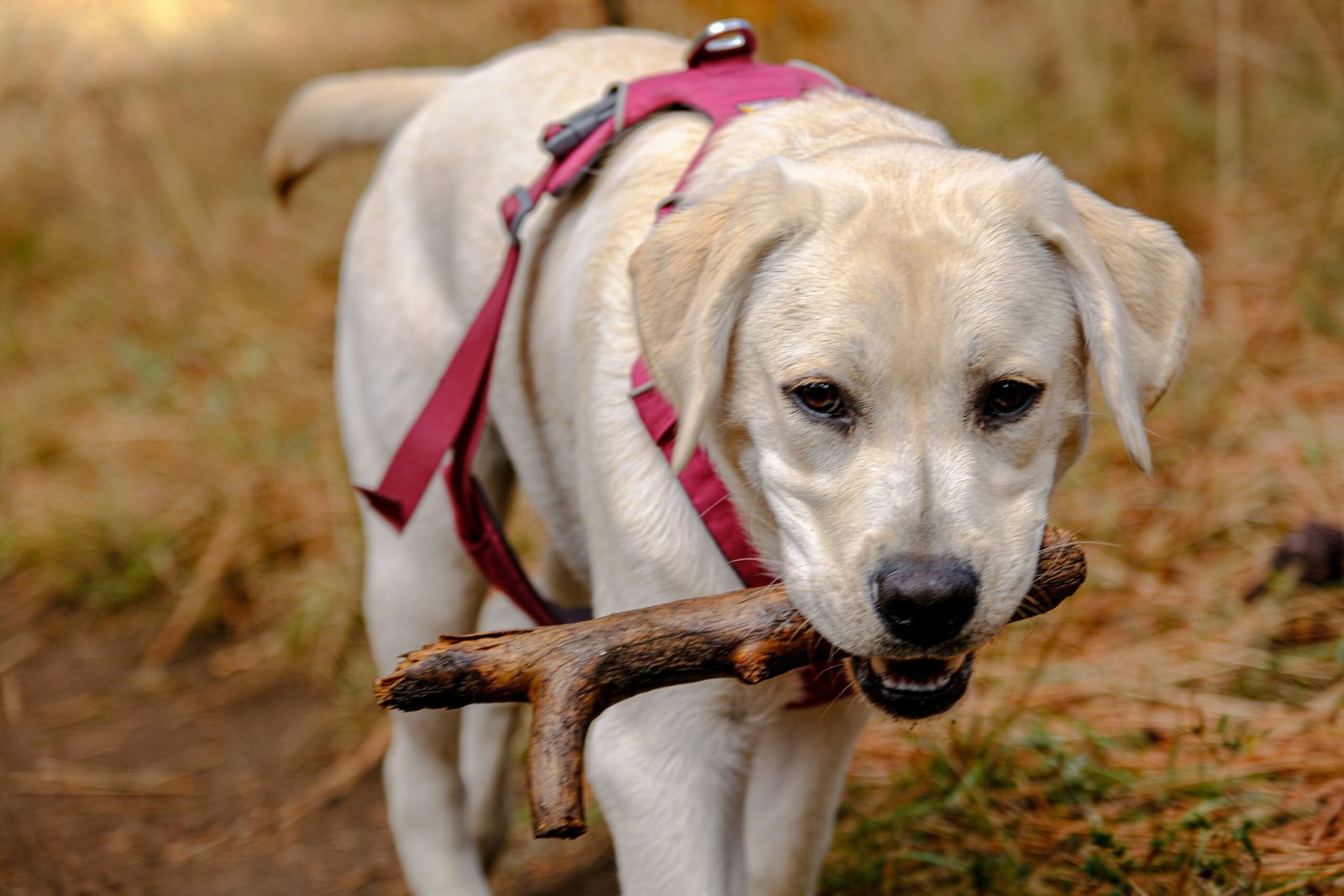
A harness distributes pressure across the chest and shoulders rather than concentrating it on the neck the way a collar does, which matters more for a senior dog whose neck and spine may already carry some age-related sensitivity from years of collar use or general joint decline.
Standard harnesses come in a few main variations, each suited to a different senior situation:
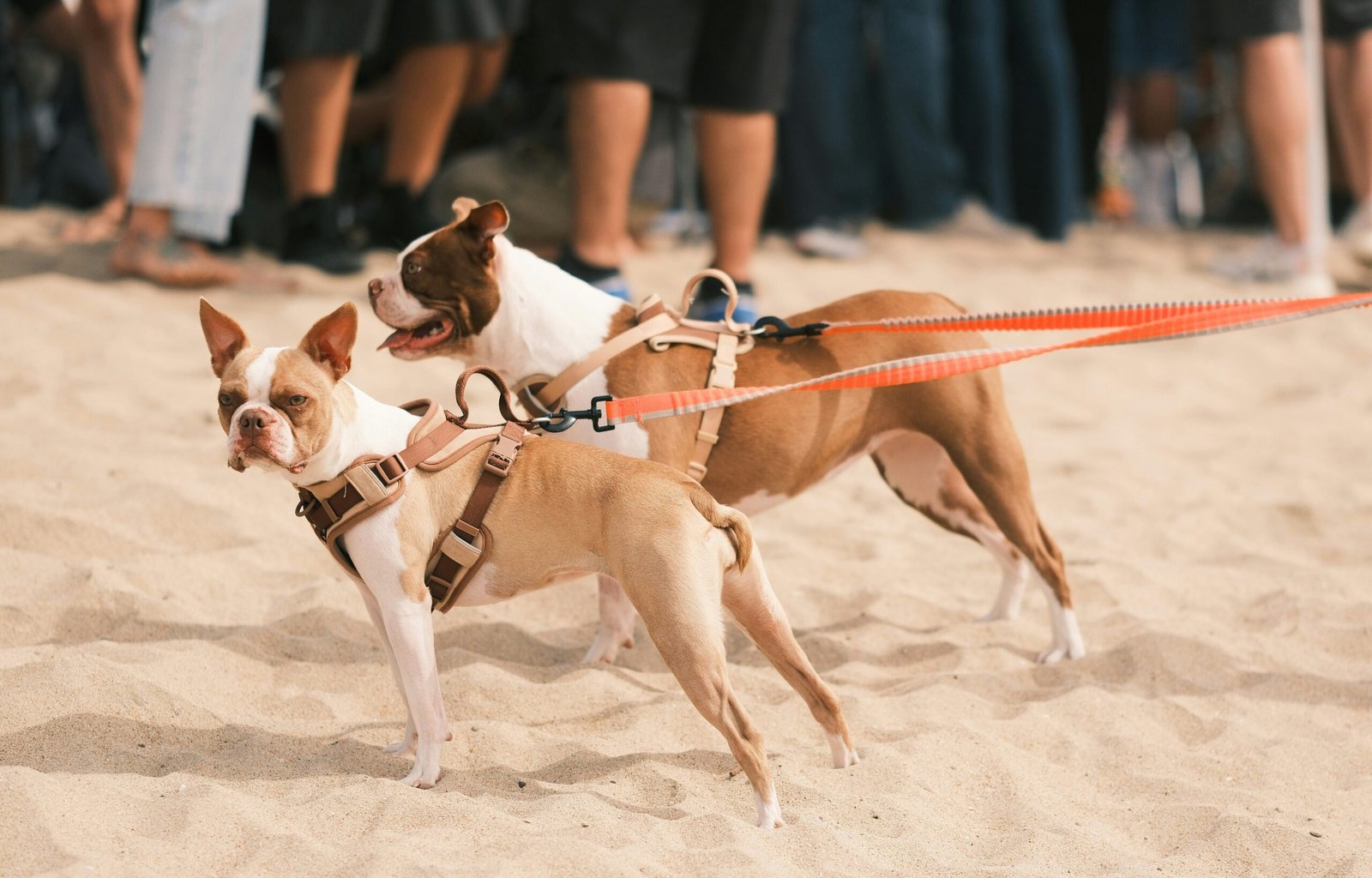
- Back-clip harnesses work well for a calm senior dog on a steady, unhurried walk, since the leash attachment sits along the spine rather than the chest.
- Front-clip harnesses help manage a dog that still pulls occasionally, redirecting that pulling motion rather than fighting against it directly.
- Step-in harnesses are often easier for an older, stiffer dog to get into, since they avoid the repeated leg-lifting motion a pull-over harness requires, which matters for a dog with joint discomfort in the shoulders or hips.
Beyond walking, a harness provides genuine security during car rides and, in a support-specific design with reinforced handles, real physical assistance for a dog with mobility challenges. What a standard harness is not built for is lifting a dog’s full weight off the ground. That is where a sling takes over.
Understanding Dog Slings for Senior Dogs
A sling is a soft, supportive carrier designed specifically for lifting and short-term carrying, reducing stress on a dog’s joints and on your own back at the same time. Slings are particularly useful for a senior dog managing arthritis, recovering from surgery, or one that simply tires more easily than it used to on stairs or longer walks.
Unlike a harness, a sling is built for carrying rather than walking control. It keeps your dog close and stable during a short trip, a set of stairs, or a vet visit, rather than offering the extended, hands-free control a harness provides on an actual walk. Slings are lightweight and easy to store, but they are not a substitute for a walking harness on a dog that still manages regular walks reasonably well, and using one for that purpose alone tends to feel restrictive to a dog that does not actually need to be carried yet.
Key Differences at a Glance
| Feature | Dog Harness | Dog Sling |
|---|---|---|
| Primary use | Walking, leash control | Lifting, short-term carrying |
| Best for | Senior dogs still walking independently | Dogs with significant mobility loss or post-surgery recovery |
| Control on walks | Strong, distributes pressure evenly | Not designed for walking control |
| Joint support | Moderate, reduces neck and spine strain | High, actively lifts weight off joints |
| Portability | Worn throughout the walk | Foldable, easy to store between uses |
When to Choose a Harness for Your Senior Dog
A harness is the right choice when your senior dog still manages regular walks with only mild joint discomfort, and the priority is control and even pressure distribution rather than active lifting. It suits a dog that:
- Hesitates occasionally on stairs but does not need to be carried up them
- Shows early stiffness after resting but walks normally once moving
- Still enjoys and initiates regular walks without significant reluctance
- Needs help with pulling behaviour rather than physical lifting
When to Choose a Sling for Your Senior Dog
A sling is the right choice when your dog needs genuine lifting support rather than walking assistance. Consider one if your dog:
- Is recovering from surgery and needs weight taken off specific joints during the recovery window
- Struggles specifically with stairs or getting into the car, even if regular walks are still manageable
- Tires quickly partway through a walk it previously completed without issue
- Shows visible discomfort or reluctance specifically around lifting motions, standing up, or navigating a step
A sling does not replace a harness for an active walk, but it fills the gap a harness cannot, actual weight-bearing assistance during specific, difficult moments rather than throughout the whole activity.
Using Both Together
Many owners of senior dogs eventually use a harness for regular walks and a sling specifically for stairs, car rides, or vet visits, rather than treating the choice as permanent and exclusive. This combination matches each tool to the specific moment it is actually built for, rather than asking one tool to do a job it was never designed for. A dog that manages a walk comfortably in a harness may still benefit enormously from a sling at the one set of stairs in the house that has become genuinely difficult, and there is no reason to force a single tool to cover both situations equally well when neither is designed to.
How to Introduce Either Tool Without Adding Stress
A senior dog encountering a new harness or sling for the first time can be understandably wary, particularly if the reason for introducing it is a recent, painful change in mobility that has already made the dog more sensitive to new things touching its body.
Watch closely for signs of discomfort during these early attempts, and stop and adjust rather than pushing through resistance
Let your dog sniff and investigate the tool fully before attempting to put it on
Use calm, low-pressure encouragement and treats during the first few attempts rather than rushing to get it fitted
Start with very short, low-stakes uses, a few steps in the harness, a brief lift in the sling, before relying on either for a full walk or a genuine stair climb
Common Mistakes Owners Make Choosing Between the Two
Assuming a sling replaces a harness entirely. A sling that keeps a dog immobile for a walk it could still manage in a harness removes exercise and muscle tone the dog still needs, accelerating rather than slowing further decline.
Waiting too long to introduce a sling. Owners often keep pushing a harness-only approach well past the point where a dog is genuinely struggling with stairs or car transitions, simply because the dog “still manages” the rest of the day reasonably well.
Choosing based on price rather than fit for the specific moment. A cheap sling that does not securely support a dog’s actual weight, or a harness without proper padding for a dog with sensitive skin, can undermine the entire purpose of introducing the tool in the first place.
Ignoring how a dog’s needs change over months. A harness that was entirely sufficient a year ago may no longer be enough if arthritis or muscle loss has progressed, and reassessing periodically matters more for a senior dog than it did earlier in life.
FAQ
Can I use a harness and a sling for the same senior dog?
Yes, and many owners do exactly this. A harness for regular walks and a sling for lifting support during stairs, car rides, or vet visits covers both needs without asking either tool to do a job it is not built for.
Are slings safe for large senior dogs?
Slings generally suit small to medium dogs best. A large senior dog may be too heavy to carry safely in a standard sling, and a dedicated lifting harness with reinforced handles is usually the safer choice for genuine weight-bearing support.
How do I measure my senior dog for a harness or sling?
For a harness, measure chest girth and neck circumference against the manufacturer’s sizing chart. For a sling, confirm your dog’s weight sits comfortably within the sling’s stated capacity, and check that it fits securely over your shoulder before relying on it for an actual lift.
Can a sling help more than a harness for a senior dog with arthritis?
Often, yes, if the main issue is lifting and support during specific difficult moments rather than walking control. A dog that still manages regular walks reasonably well but struggles specifically with stairs or the car often benefits from a sling for those moments alongside a regular walking harness.
How do I clean and maintain a harness or sling?
Most are machine washable or can be hand-washed with a mild detergent. Regular cleaning matters more for a senior dog prone to accidents or drooling, and checking the manufacturer’s specific care instructions avoids damaging padding or straps over time.
How do I know when it is time to switch from a harness to a sling for a specific activity?
Watch for a consistent pattern rather than a single bad day: repeated hesitation at the same stairs, a dog that has started refusing the car step it previously managed, or visible discomfort specifically during lifting or standing motions over more than a few days. A single off day is not a signal to switch tools, but a consistent pattern over a week or two usually is.
Final Thoughts
Choosing between a harness and a sling for a senior dog comes down to matching the tool to the actual moment it needs to support, not picking one permanently and expecting it to cover every situation equally well. A harness suits ongoing walking control and even pressure distribution for a dog still managing regular activity. A sling suits genuine lifting support for stairs, car rides, or recovery, moments a harness alone cannot properly address.
Many senior dogs benefit from both, used for the specific situations each is actually built for, introduced gradually and reassessed as your dog’s needs continue to change. For specific product recommendations, our guide to the best senior dog harness covers options by mobility need, and once you have chosen, our guide on how to fit a dog support harness covers getting the fit right the first time.
Sources
https://www.aspca.org/pet-care/dog-care/senior-dogs
https://www.akc.org/expert-advice/training/best-dog-harnesses/



Pingback: Best Support Harness For Senior Dogs (Best of 2026)
Pingback: Best Mobility Aids for Senior Dogs – 2026 Guide
Pingback: Why Good Support Harnesses Help Aging Dogs - seniordog-care