Introduction
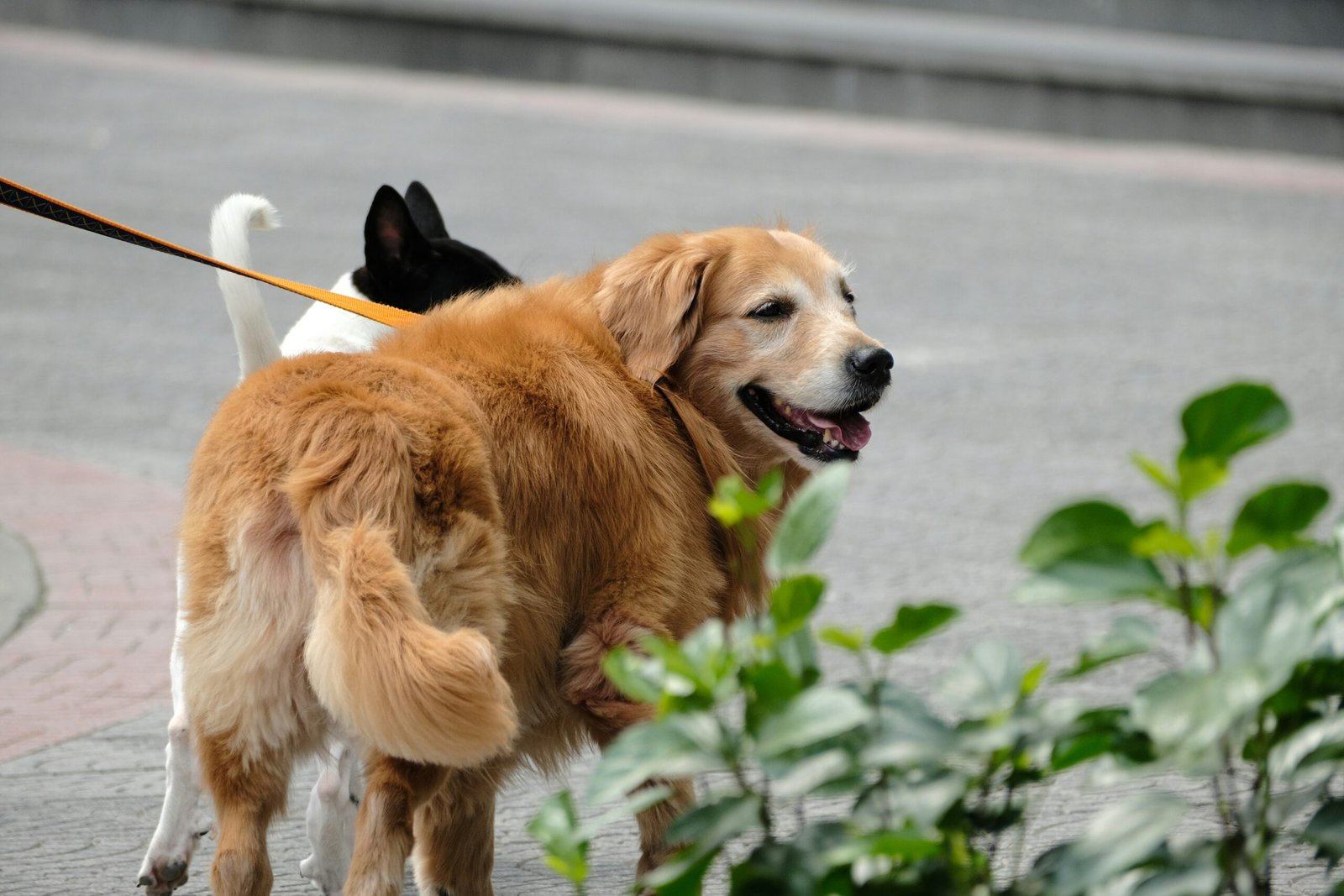
Exercise for senior dogs is one of those topics where most owners get it wrong in the same direction. They do not stop walking their dog. They just keep walking the same distances they always did, at the same pace, for the same amount of time, because the dog has always done it and seems to manage. That was my own mistake. When my dog got older, we kept doing the same rounds until it became clear his body simply could not handle them anymore. The walks got shorter not because I planned it that way but because he started telling me it was necessary.
That is the pattern for most owners who have always been active with their dog. They continue what worked before, long past the point where it stopped being appropriate. The dog keeps up because dogs keep up, right until the moment they cannot. By then, the accumulated strain on joints and muscles has already done damage that did not have to happen.
Exercise for senior dogs is not about doing less for the sake of it. It is about doing the right amount, in the right way, adjusted for what an older body can actually handle.
Table of Contents
Why Exercise Still Matters After Age 7
The first thing to understand about exercise for senior dogs is that stopping is not the answer. Reduced activity accelerates the very problems it seems to protect against.
Muscle mass declines with age in dogs, just as it does in humans. The process is called sarcopenia, and it begins earlier than most owners expect, typically around age seven in medium and large breeds. Without regular movement to maintain it, muscle deteriorates faster. Less muscle means less support for joints, less stability during movement, and greater vulnerability to injury from even routine activities like getting up from a lying position.
Joint health also depends on movement. Synovial fluid, the substance that lubricates joint cartilage, is distributed through the joint during movement. A dog that stops moving regularly has less effective joint lubrication, which means more friction between cartilage surfaces, which accelerates wear. Keeping an aging dog moving, at the right level, is one of the most practical ways to slow joint deterioration.
Beyond the physical, regular exercise supports cognitive function in older dogs. Mental stimulation from new environments, smells, and physical engagement slows the progression of canine cognitive dysfunction, which affects a significant proportion of dogs over eight. A dog that stops going out stops experiencing the sensory variety that keeps the brain active.
The goal of exercise for senior dogs is not fitness in the competitive sense. It is maintenance. Keeping what the dog still has, for as long as possible.
What Changes in the Body After Age 7
To understand what exercise for senior dogs should look like, it helps to understand what has changed physically.
Cartilage thins. Joint cartilage does not regenerate effectively. The layer that cushions bones at the joint becomes thinner over years of use, and once it starts degrading, high-impact activity accelerates the damage. Activities that were fine at age three load joints differently at age nine, when the cushioning is reduced.
Recovery time increases. A younger dog can run hard, rest overnight, and be fully ready the next morning. A senior dog needs more time to recover from the same exertion. The muscles and joints experience more micro-stress from the same activity, and the repair processes that run during sleep are slower. Ignoring recovery time leads to cumulative strain that shows up as chronic stiffness, reluctance to move, and earlier onset of mobility problems.
Cardiovascular capacity decreases. The heart and lungs of an older dog are less efficient than they were. High-intensity exercise places more demand on a system with less reserve capacity. Sustained intense exertion, such as long runs or prolonged fetch sessions, stresses the cardiovascular system in ways that are harder to recover from.
Thermoregulation becomes less effective. Older dogs are less able to regulate body temperature during exercise. They overheat faster in warm conditions and get cold faster in cold ones. Both extremes affect how well the body performs and recovers during activity.
Pain changes behaviour. A dog with developing arthritis will often continue exercising to please its owner, even when the activity is causing discomfort. Dogs do not stop and say they are hurting. They just keep going. This means owners cannot rely on the dog appearing willing as confirmation that the exercise level is appropriate.
What Causes Mobility Issues in Senior Dogs – seniordog-care
The Most Common Mistake: Too Much for Too Long
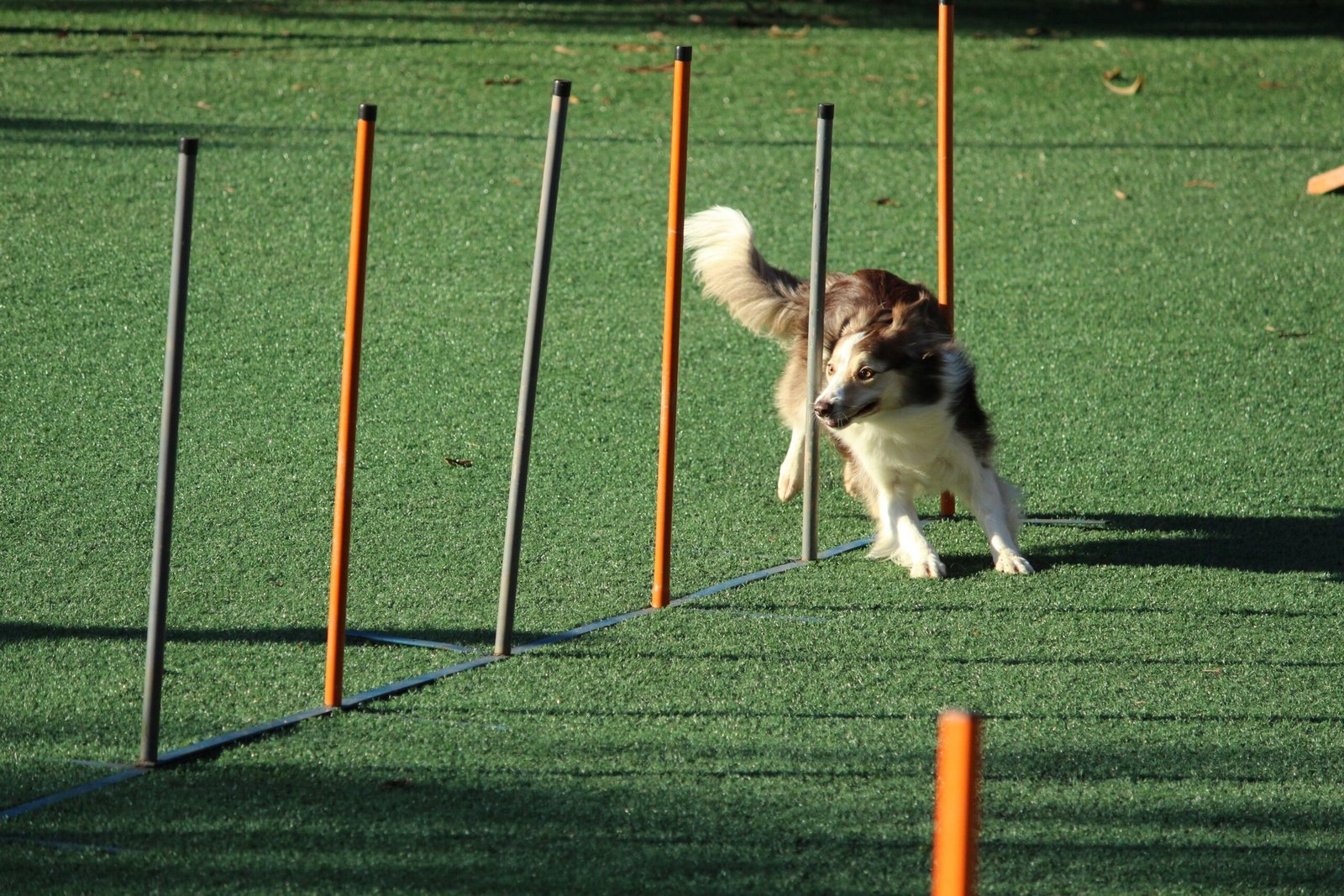
The most common mistake owners make with exercise for senior dogs is continuing the same routine they used when the dog was younger, simply because the dog seems to manage it. This is particularly true for owners who have always been active with their dogs, longer hikes, regular runs, or extended off-lead sessions.
The dog that ran five kilometres with you at age four is not the same physiological animal at age nine. The joints are older. The muscles are weaker. The recovery capacity is lower. Doing the same five kilometres produces a different level of stress on that body than it did five years ago, even if the dog still trots alongside you and appears fine during the walk.
The damage often shows up the following day. Stiffness when getting up. Reluctance to go down stairs. A slight limp that was not there before. These are not signs that the dog had a good workout. They are signs that the exercise exceeded what the body could handle without lasting stress.
The adjustment is not dramatic. Shorter distances, slower pace, more frequent rest stops, and paying close attention to how the dog moves and recovers in the 24 hours after exercise. Those changes alone prevent a significant proportion of the accumulated joint damage that owners attribute simply to aging.
How Much Exercise Is Right for a Senior Dog
There is no single answer that applies to every dog, because breed, size, existing health conditions, and individual fitness all affect the right amount. What the research and veterinary guidance consistently point to is a framework rather than a fixed number.
Daily movement is more important than occasional long sessions. Short daily walks produce better outcomes for senior dogs than infrequent long ones. A 20 to 30 minute walk every day maintains muscle tone, supports joint lubrication, and provides mental stimulation without the recovery burden of longer exertion. A 90-minute walk once or twice a week, combined with long rest periods in between, does less for maintenance and more for strain.
Watch recovery, not just performance. The best indicator of whether the current exercise level is appropriate is how the dog moves and behaves in the 12 to 24 hours after activity. A dog that is noticeably stiffer, slower, or less willing to move the day after a walk is giving clear feedback that the session was too long or too intense. A dog that recovers quickly and moves comfortably the next morning is at an appropriate level.
Two shorter walks beat one long one. Splitting the daily exercise into two sessions, one in the morning and one in the late afternoon, distributes the physical demand more evenly and gives the body time to recover between sessions. It also accommodates the reality that many senior dogs tire more quickly than they used to and get more from two moderate sessions than from one extended one.
Rest stops are part of the exercise. Allowing a senior dog to sniff, pause, and explore at its own pace during a walk is not slacking. Sniffing is cognitively engaging and physically low-demand. A walk where the dog is allowed to stop and investigate provides genuine mental stimulation alongside the physical benefit of movement. Forcing a steady pace for the full duration of a walk prioritises your preference over the dog’s actual needs.
Types of Exercise That Work Well for Older Dogs
Not all movement is equal for exercise for senior dogs. Some types maintain the benefits of activity while reducing the load on vulnerable structures. Others should be reduced or phased out as the dog ages.
Walking on varied terrain. Gentle walks on grass, soil, or packed dirt are easier on joints than hard surfaces like pavement or concrete. The slight give in softer ground reduces the impact force transmitted through the joints with every step. If your usual route is mostly pavement, finding stretches of grass or parkland makes a meaningful difference.
Swimming and hydrotherapy. Water removes most of the weight-bearing load from joints while still providing resistance for muscles to work against. This makes swimming one of the most effective forms of exercise for senior dogs, particularly those with arthritis or existing joint problems. The dog maintains cardiovascular fitness and muscle tone without the impact that walking on hard ground produces. Hydrotherapy pools specifically designed for dogs allow controlled sessions with water at the right temperature, often recommended by veterinary physiotherapists for dogs recovering from surgery or managing chronic joint disease.
Sniff-based activities. Scatter feeding in the garden, hide-and-seek games with treats, and nose work exercises engage the dog’s primary sensory system at low physical intensity. The dog moves, uses its core muscles, and engages cognitively without placing high demand on joints. For dogs whose physical capacity has reduced significantly, sniff-based activities become an important part of maintaining mental engagement when vigorous physical exercise is no longer appropriate.
Controlled on-lead walking. Off-lead running gives the dog full control over its own movement, which sounds appealing but can result in sudden acceleration, sharp turns, and jumping that the dog would not do voluntarily on a lead. For senior dogs, on-lead walks allow you to control the pace and prevent the kinds of explosive movement that stress ageing joints. The dog still gets exercise, fresh air, and mental stimulation, with less risk of the uncontrolled bursts that cause injury.
Soothing Tips for Dogs in Pain: What Actually Helps at Home
What to Reduce or Stop After Age 7
Some activities that were appropriate for a younger dog need to be reduced or eliminated as part of sensible exercise for senior dogs.
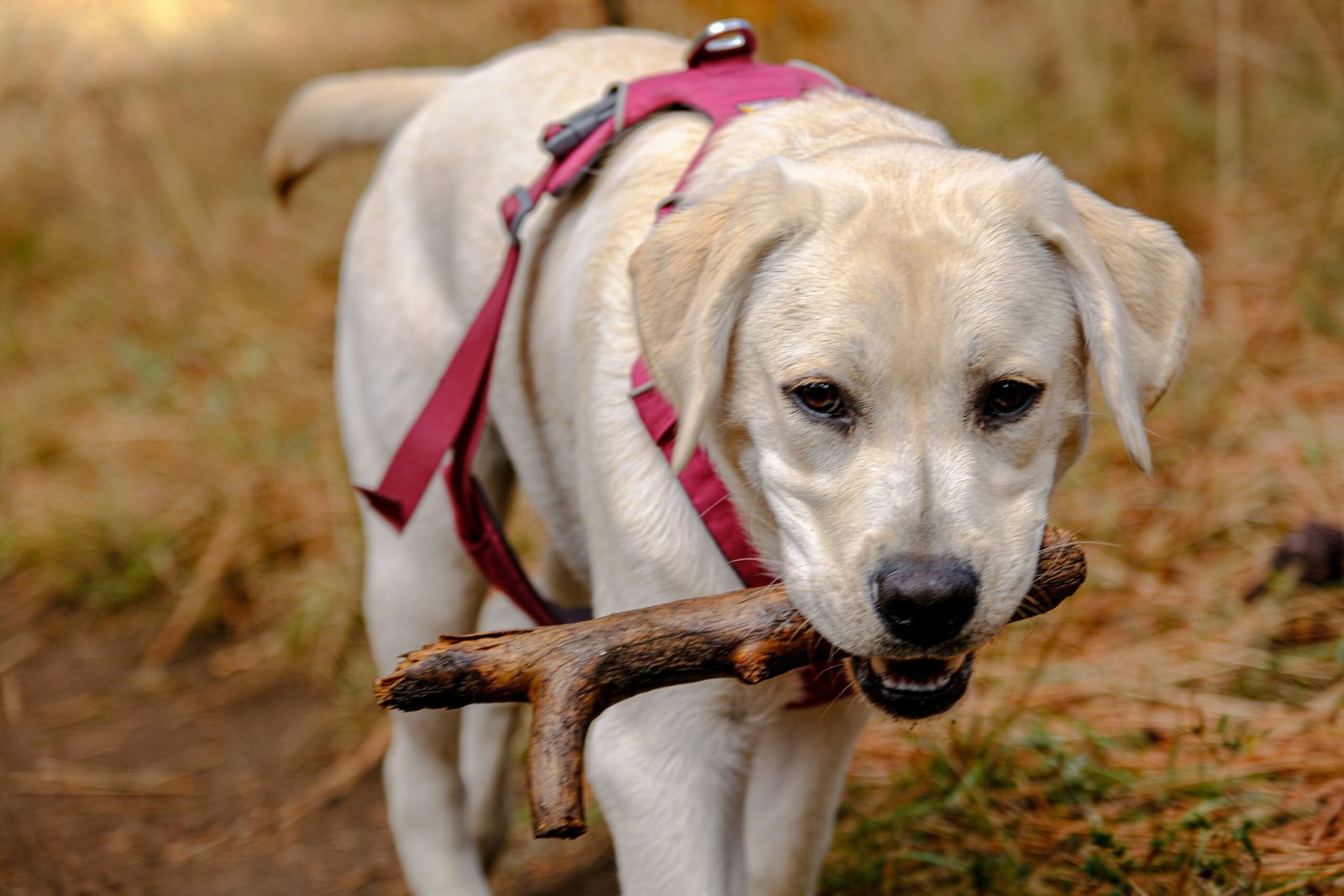
Fetch and ball chasing. The problem with fetch is not the running. It is the acceleration, deceleration, and turning at speed that the activity demands. A dog chasing a thrown ball repeatedly accelerates hard, decelerates fast, and often plants and turns sharply to catch or retrieve. Each of those movements loads joints at angles and forces that worn cartilage handles poorly. Short, gentle retrieves on soft ground are fine. Extended high-intensity fetch sessions on hard ground are not appropriate for most dogs over seven.
Jumping. Jumping on and off furniture, into and out of cars, and over obstacles places sudden high impact on joints that are already managing with reduced cushioning. This is one of the most straightforward modifications to make. Ramps and steps for accessing furniture and vehicles replace jumping with a gradual load that is far less stressful. For more on setting up the home to support this, the guide on how to create a mobility-friendly home for your dog covers the practical changes in detail.
Running on hard surfaces. Pavement and concrete transmit impact forces directly through the joints without absorption. A younger dog with full cartilage coverage handles this well. A senior dog with thinning cartilage feels the difference. Shifting the majority of exercise to softer surfaces where possible is a simple and effective protective measure.
Off-lead running in large open spaces. The issue here is the same as with fetch. Dogs given unrestricted space often run at speeds and make movements that their bodies can no longer sustain without damage. This does not mean every off-lead session is harmful, but for dogs showing signs of stiffness or joint issues, controlled on-lead exercise is a more appropriate default.
Supporting Exercise With the Right Setup
Exercise for senior dogs works best when the physical environment supports what you are trying to achieve. A dog that is stiff from sleeping on a hard floor or an inadequate bed is going to move less freely during its morning walk and take longer to warm up. A dog that has to jump down from furniture to start the day is loading its joints before the walk even begins.
Orthopedic bedding, non-slip flooring, ramps for furniture and car access, and supportive harnesses for dogs that need help on stairs all reduce the background physical stress that accumulates outside of formal exercise sessions. The best mobility aids for senior dogs covers the most useful options currently available.
Joint supplement support is also worth considering alongside exercise. Fish oil reduces systemic inflammation that exercise can aggravate in older joints. Glucosamine and chondroitin support the cartilage that exercise relies on. For a breakdown of what the evidence supports, the guide on the best joint supplements for senior dogs covers this in detail.
Signs That the Current Exercise Level Is Too High
Knowing when to reduce exercise for senior dogs is as important as knowing how much to do. These are the clearest signals that the current routine is exceeding what the dog’s body can handle.
Post-exercise stiffness lasting more than a few hours. Some stiffness immediately after stopping exercise is normal. Stiffness that persists into the following morning, or that is noticeably worse than before the walk, indicates the activity exceeded the recovery capacity.
Limping during or after exercise. Any limping during or after activity is a signal to reduce intensity immediately and consult a veterinarian before continuing. Occasional mild limping after heavy exercise in a younger dog can be temporary. In a senior dog it is more likely to indicate real joint stress.
Reluctance to start walking. A dog that hesitates at the door, sits down on the walk, or tries to turn back before the usual distance is telling you something. It may be pain, fatigue, or both. The instinct to push through because the dog needs exercise is understandable, but the dog’s feedback is more reliable than a predetermined distance.
Excessive panting during low-intensity activity. Heavy breathing during a slow, short walk indicates either cardiovascular strain or overheating, both of which signal that the current level is too demanding.
Changes in behaviour at home. Increased irritability, reluctance to engage, or more time sleeping than usual after exercise sessions can all indicate that the dog is not recovering adequately from its activity level.
FAQ
How much exercise does a senior dog need per day?
Most senior dogs benefit from 30 to 60 minutes of low-impact exercise per day, split into two shorter sessions rather than one long one. The right amount varies by breed, size, and health status. Large and giant breeds typically need more conservative adjustments earlier, while smaller breeds often remain more active for longer. Recovery quality is a better guide than a fixed time target.
At what age should I change my dog’s exercise routine?
For most breeds, age seven is the standard threshold at which the approach to exercise should be reviewed. Large breeds age faster and often benefit from adjustments from age five or six. The trigger should be the dog’s actual physical condition rather than a calendar date. If a seven-year-old dog is moving freely and recovering well, no dramatic change is needed. If an eight-year-old is showing stiffness, the routine needs adjustment regardless of what is typical for the breed.
Is swimming better than walking for senior dogs?
For dogs with existing joint problems or arthritis, swimming is generally easier on the joints than walking because it removes most of the weight-bearing load. For dogs that are mobile and managing their current exercise well, both are beneficial and a combination is ideal. Swimming is not always accessible, so it is best thought of as a supplement to regular walking rather than a replacement.
Can too much rest be bad for a senior dog?
Yes. Extended periods of inactivity accelerate muscle loss, reduce joint lubrication, contribute to weight gain, and can worsen cognitive decline. Even dogs with significant mobility limitations benefit from some daily movement, scaled to what they can manage without discomfort. Gentle, brief movement is almost always better than no movement.
Should I let my senior dog set the pace on walks?
Yes, within reason. Allowing the dog to walk at its natural pace, stop to sniff, and indicate when it needs to rest gives you useful real-time information about its current capacity. Forcing a pace that exceeds what the dog is naturally choosing puts you in charge of a variable you are not well-positioned to judge from the outside. The dog’s self-selected pace is a reasonable starting point, and you can build from there gradually.
How do I know if my dog is in pain during exercise?
Dogs often mask pain and continue moving even when they are uncomfortable. The clearest signs during exercise are limping, lagging behind, panting more heavily than the exertion warrants, reluctance to continue, and sitting or lying down during the walk. After exercise, watch for prolonged stiffness, difficulty getting up, and reduced willingness to move around the home. These post-exercise signals are often more reliable indicators than behaviour during the walk itself.
Final Thoughts
Exercise for senior dogs is not about limitation. It is about adjustment. The dogs that age best are not the ones whose owners stopped doing things with them at seven. They are the dogs whose owners paid attention, shortened the distances when needed, switched to softer ground, added a second short walk instead of one long one, and read the recovery signals honestly rather than pushing through them.
The instinct to keep doing what has always worked is understandable. But what worked at three does not work the same way at nine. The body has changed, and the exercise routine needs to change with it. Not dramatically. Just thoughtfully.
A senior dog that moves consistently, at the right level, on appropriate surfaces, with adequate recovery time, stays stronger, more mobile, and more mentally engaged for longer than one whose exercise routine was never adjusted. That is the goal. Not less. Just right.
The Ultimate Guide to Joint Health & Longevity for Your Dog – seniordog-care
Sources
- https://www.petmd.com/dog/general-health/how-to-exercise-your-senior-dog
- https://www.akcpetinsurance.com/blog/exercise-for-senior-dogs
- https://www.thefarmersdog.com/digest/exercise-for-senior-dogs/
- https://www.akc.org/expert-advice/health/exercise-senior-dog/
- https://www.smalldoorvet.com/learning-center/wellness/exercise-needs-dog-lifestages/


Pingback: Soothing Tips for Dogs in Pain: What Actually Helps at Home
Pingback: What Causes Mobility Issues in Senior Dogs - seniordog-care
Pingback: The Ultimate Guide to Joint Health & Longevity for Your Dog - seniordog-care
Pingback: How to Help Your Senior Dog Live Longer - seniordog-care
Pingback: Senior Dog Weight Gain: Why It Happens and What to Do
Pingback: The Impact of Aging on Dog Joints: Prevention and Support for Senior Dogs
Pingback: Best Mobility Aids for Senior Dogs - seniordog-care