Introduction
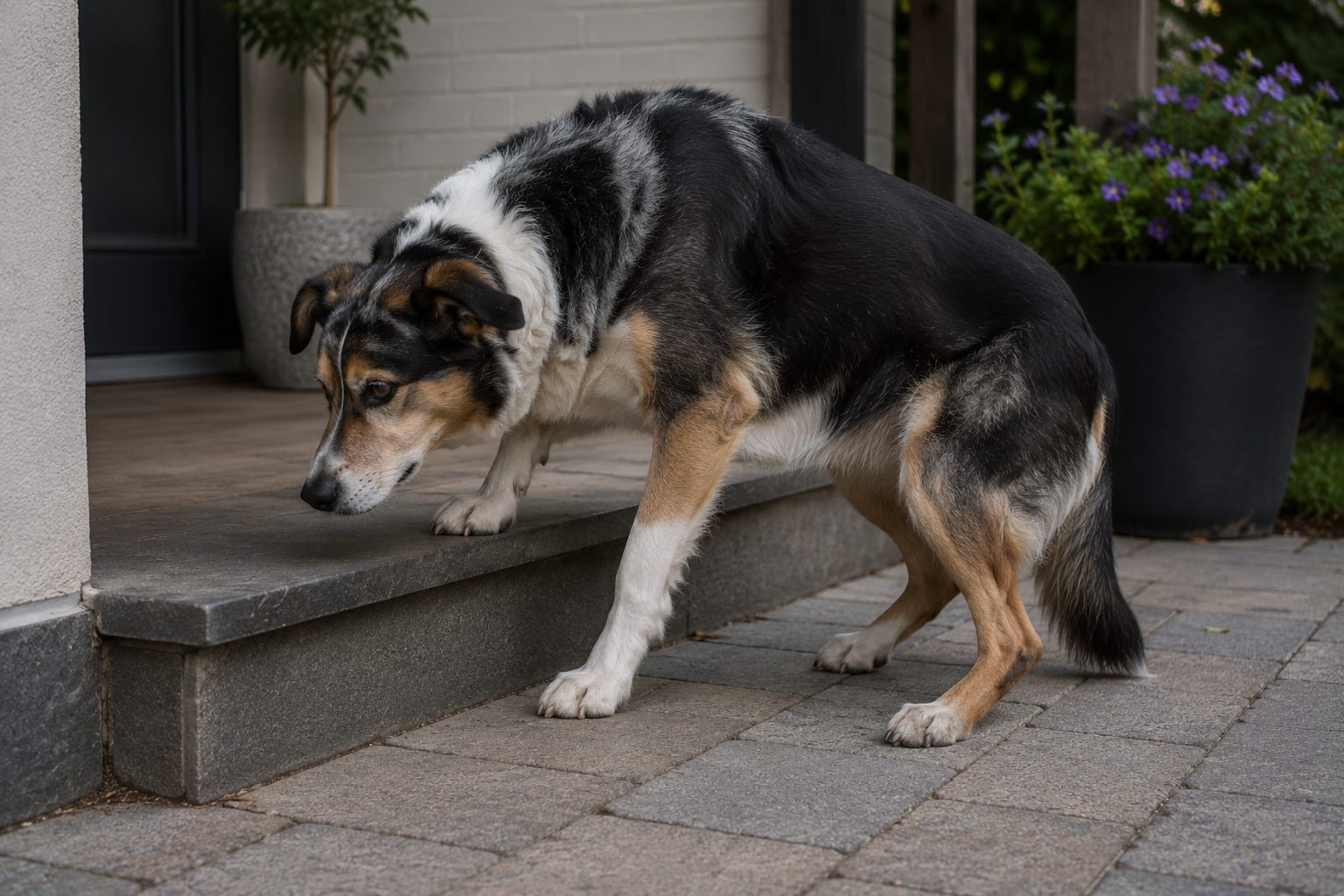
Joint problems in senior dogs are one of the most common health challenges aging dogs face, but they are far from inevitable. Most owners assume that stiffness, slower movement, and reluctance to climb stairs are just part of getting older. They are not. They are symptoms of specific conditions that are largely manageable with the right approach.
The other assumption worth challenging is that once joint problems develop, there is nothing meaningful you can do. That is also wrong. There is actually a lot you can do, and starting earlier makes everything more effective.
This article covers the main causes of joint problems in senior dogs, what makes them worse, and what actually helps. Including one thing most owners underestimate: sleep.
This post may contain affiliate links. If you buy through these links, I may earn a small commission at no extra cost to you. As an Amazon Associate, I earn from qualifying purchases.
Table of Contents
Why Joint Problems Are So Common in Senior Dogs
Joints are complex structures. Cartilage cushions the bones, synovial fluid lubricates the joint, and surrounding muscles and tendons provide stability. As dogs age, all of these components deteriorate at varying rates.
Cartilage does not regenerate effectively once it breaks down. The body produces less synovial fluid. Muscles weaken from reduced activity, which means the joints carry more load with less structural support. Inflammation becomes more chronic and harder to resolve.
The result is a joint that is more painful, less mobile, and more vulnerable to further damage than it was in younger years. This process happens in virtually every dog to some degree. What varies is how severe it gets and how quickly it progresses, and both of those are significantly influenced by how the dog is cared for.
The Most Common Causes of Joint Problems in Senior Dogs
Osteoarthritis
Osteoarthritis is by far the most prevalent joint condition in senior dogs. Research suggests it affects up to 80% of dogs over age 8. It develops when the cartilage that cushions joints gradually breaks down, leaving bone surfaces in increasing contact with each other. The resulting friction causes inflammation, pain, and progressive loss of mobility.
Osteoarthritis develops slowly and is usually well established before owners notice obvious signs. The dog that seems to have developed joint problems suddenly has almost always been developing them gradually for months or years.
It cannot be reversed. The cartilage damage is permanent. But it can be managed effectively, and the rate of progression can be slowed significantly with the right combination of nutritional support, physical management, and lifestyle adjustments.
Hip Dysplasia
Hip dysplasia is a developmental condition where the hip joint does not form correctly, resulting in a loose, unstable fit between the ball and socket. This instability causes abnormal wear on the joint surfaces over time, leading to pain, reduced range of motion, and eventually osteoarthritis in the affected hip.
It is significantly more common in large and giant breeds. Labrador Retrievers, German Shepherds, Golden Retrievers, Rottweilers, and Great Danes are among the most commonly affected. It has a strong genetic component, meaning dogs from affected lineages are at higher risk regardless of how well they are cared for.
Signs typically become more obvious in the senior years as the accumulated wear on the joint increases, even if the underlying structural problem existed from early in the dog’s life.
Elbow Dysplasia
Elbow dysplasia is a collective term for several developmental abnormalities of the elbow joint. Like hip dysplasia, it results in abnormal joint mechanics that accelerate cartilage wear and lead to osteoarthritis. It is more common in large breeds and typically affects both elbows simultaneously.
Dogs with elbow dysplasia often show front leg lameness and reluctance to extend or flex the affected limbs. The condition is often diagnosed earlier than hip dysplasia because front leg lameness is more immediately obvious to owners.
Degenerative Myelopathy
Degenerative myelopathy is a progressive neurological condition affecting the spinal cord rather than the joints themselves, but its effects on mobility are similar and it is often confused with joint disease by owners. It causes progressive weakness and loss of coordination in the hind legs, eventually leading to complete paralysis of the rear.
It is more common in German Shepherds, Boxers, Corgis, and Chesapeake Bay Retrievers. Unlike joint conditions, it does not cause pain but the progressive loss of function significantly impacts quality of life. There is no treatment that stops progression but physical rehabilitation can slow decline and maintain quality of life for longer.
Previous Injuries
Injuries earlier in life significantly increase the risk of joint problems in senior years. A cruciate ligament tear, a fracture involving a joint surface, or a significant sprain all alter the mechanics of that joint. Even after full apparent recovery, the joint is more vulnerable to accelerated cartilage wear.
A dog that broke a leg at age 3 and appeared to recover fully may develop early arthritis in that joint at age 7 or 8. The injury does not cause the arthritis directly but creates the conditions that make it develop faster.
Excess Body Weight
Every extra kilogram of body weight puts roughly four to five kilograms of additional pressure on joints. For a dog already developing joint deterioration, excess weight directly accelerates the pace of damage and the severity of pain.
This is one of the most actionable causes because it is within an owner’s control. Weight management through appropriate diet and exercise is one of the highest-impact interventions for dogs with existing joint problems.
The Most Underestimated Factor: Sleep
Most owners know that supplements help, that weight matters, and that gentle exercise is important. What most do not fully appreciate is how much sleep quality affects joint health in senior dogs.
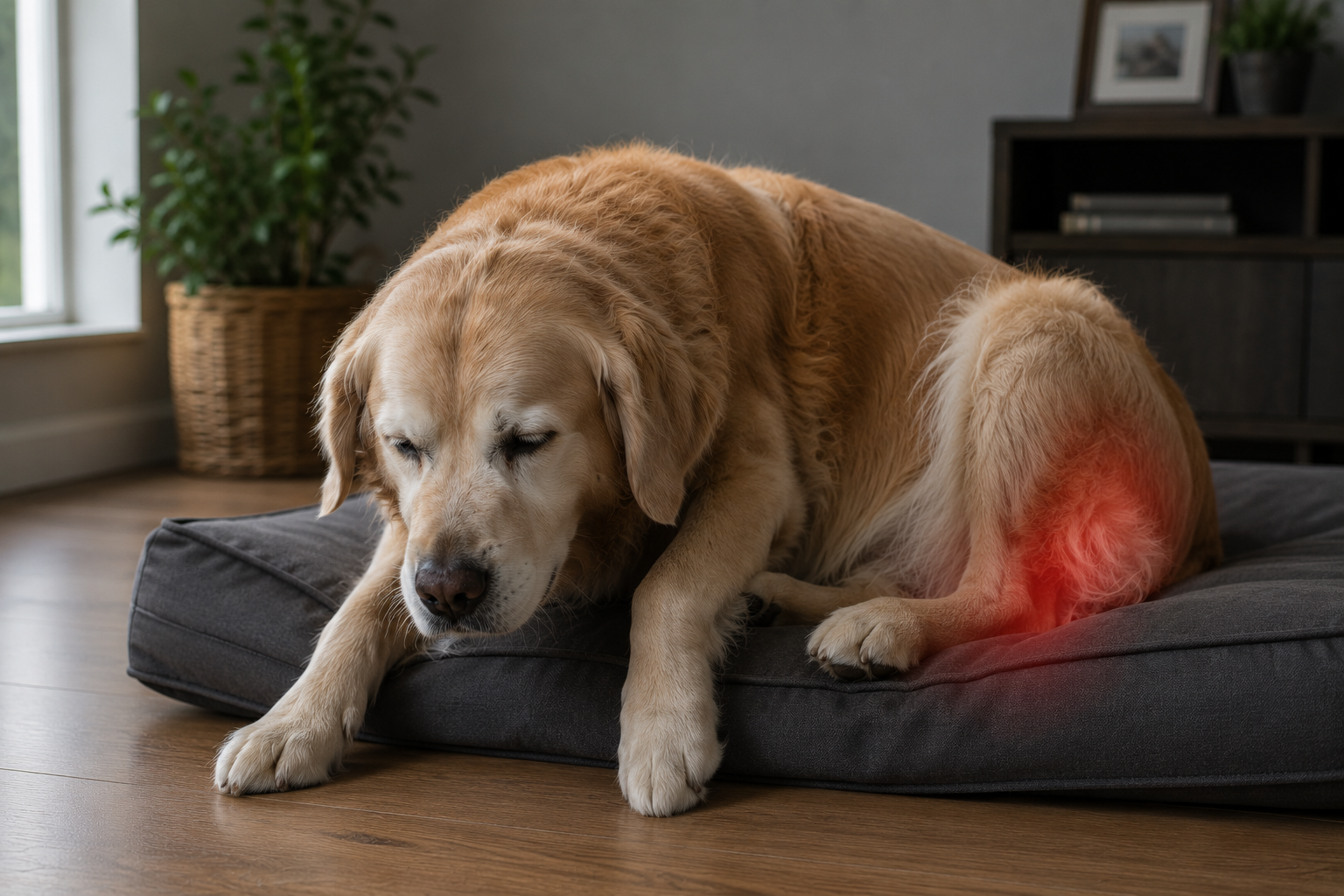
Sleep is when the body does its recovery work. Growth hormone is released, immune function increases, and tissues damaged during daily activity get repaired. For a dog with arthritic joints, this overnight recovery period is critical. It is when inflammation from the day is addressed and when the joint structures get the relief from load-bearing that they do not get during waking hours.
A dog sleeping on a flat, unsupportive surface does not get this recovery properly. Joints that are under pressure throughout the night cannot fully decompress. Muscles that should be relaxing are compensating for an uncomfortable surface. The dog wakes up not rested but still fatigued, more stiff, and often in more pain than the evening before.
This compounds over time. A dog sleeping badly for months accumulates a deficit of recovery that shows up as accelerated joint decline that owners attribute to aging when a significant contribution is the surface the dog has been sleeping on every night.
A high-density orthopedic memory foam bed is not a comfort upgrade for a dog with joint problems. It is a functional component of their joint management. Matched to the dog’s actual body weight — not too thick for small dogs, not too thin for large ones — it provides the pressure relief overnight that allows genuine joint recovery.
For recommendations: Best Orthopedic Dog Beds for Senior Dogs
Adding a heating pad alongside the bed provides gentle warmth that increases blood flow to stiff joints, relaxes surrounding muscles, and significantly reduces the morning stiffness that is often most painful for arthritic dogs.
For recommendations: Best Heated Pads for Dogs with Arthritis
What Actually Helps: A Practical Approach
Joint problems in senior dogs are not something to simply manage with one intervention. The most effective approach stacks multiple things that each address a different part of the problem.
Nutritional Joint Support
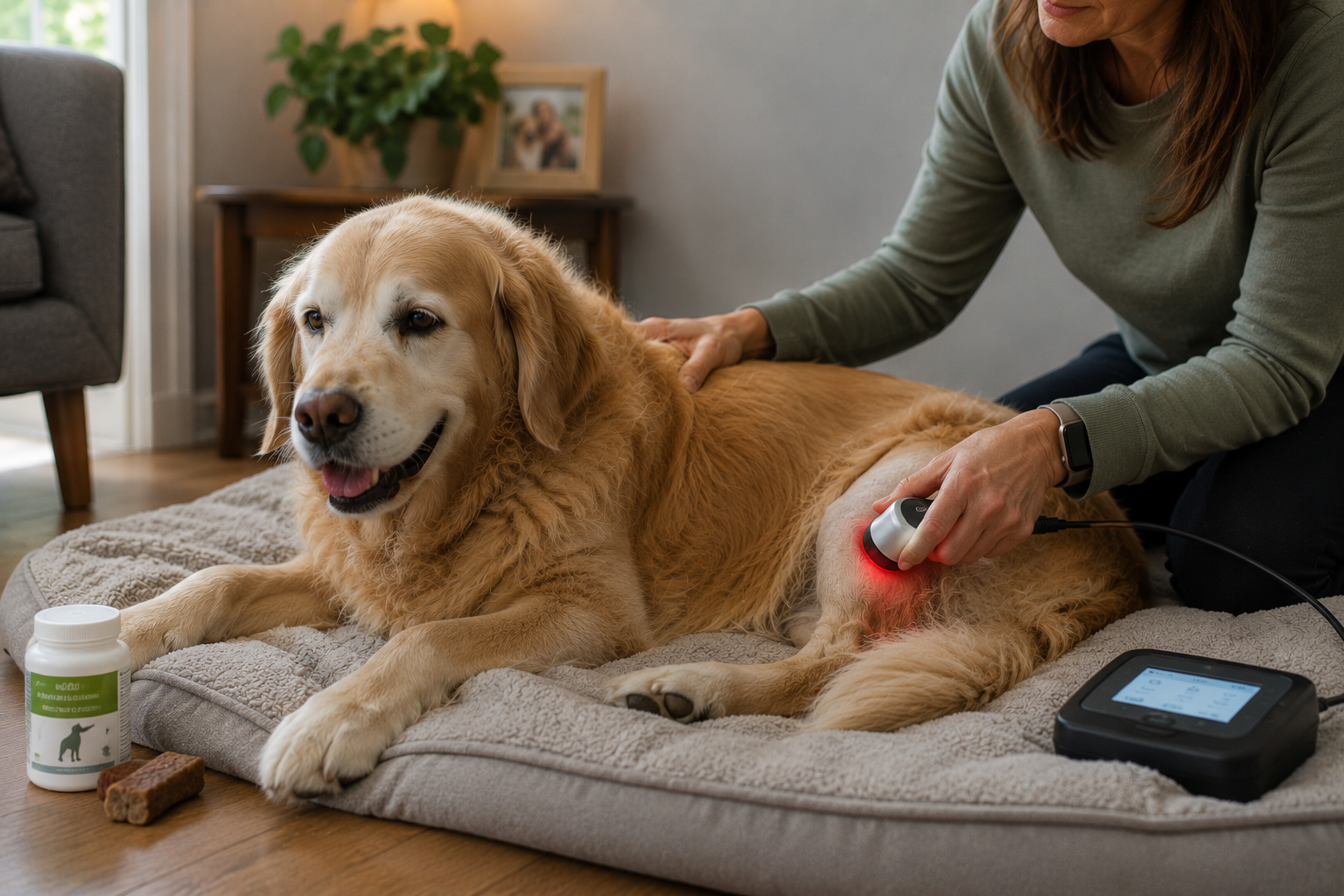
Glucosamine and chondroitin are the most evidence-backed supplements for joint health in dogs. They support cartilage structure, improve joint lubrication, and reduce inflammation in the joint space. They work best started before significant damage occurs but are still beneficial once joint problems are established.
Omega-3 fatty acids from fish oil reduce systemic inflammation that amplifies joint pain. Green-lipped mussel is a newer addition to joint support that combines omega-3s with glycosaminoglycans and has shown promising results for joint inflammation specifically.
For a full supplement guide: What Supplements Do Senior Dogs Need?
Weight Management
For overweight dogs with joint problems, weight loss is one of the highest-impact interventions available. Even modest weight reduction produces noticeable improvement in mobility and reduction in pain for most dogs. Every kilogram lost removes four to five kilograms of pressure from already compromised joints.
Diet adjustment with appropriate protein levels and reduced calorie density, combined with gentle consistent exercise, is the approach that works best.
Appropriate Exercise
Complete rest makes joint problems worse over time. Muscles that are not used weaken, joints that are not moved stiffen, and the cardiovascular benefits of regular activity are lost. The goal is not rest but appropriate movement.
Short, consistent walks on flat, soft surfaces are better than occasional long ones. Twenty minutes twice a day maintains muscle mass and joint mobility without overloading painful joints. Swimming is excellent where it is available because water supports body weight while allowing full range of motion.
Environmental Adjustments
Non-slip surfaces on key pathways reduce the muscle tension and risk of falls that add daily stress on top of existing joint pain. Ramps for the car and furniture eliminate the impact of jumping. Raising food and water bowls reduces neck and shoulder strain during eating.
For more on environmental adjustments: Soothing Tips for Dogs in Pain
Veterinary Pain Management
For dogs with moderate to severe joint pain, veterinary pain management is not a last resort. It is part of a complete approach. Modern NSAIDs prescribed by vets are effective and well-tolerated with appropriate monitoring. For some dogs, pain management medication is what makes all the other interventions possible by reducing pain to a level where the dog can actually exercise, sleep properly, and engage with their environment.
FAQ
At what age do joint problems typically start in senior dogs?
Large breeds often show early signs from age 6 to 7. Medium breeds from age 7 to 9. Small breeds from age 9 to 11. Dogs with previous joint injuries or a genetic predisposition may develop problems earlier regardless of size.
Can joint problems in senior dogs be cured?
No. The cartilage damage underlying most joint conditions cannot be reversed. But joint problems can be very effectively managed. Pain reduced significantly, progression slowed, and quality of life maintained at a high level for years with the right combination of approaches.
Is my dog’s joint problem definitely arthritis?
Not necessarily. Several conditions cause similar symptoms including hip dysplasia, elbow dysplasia, and degenerative myelopathy. A veterinary examination including X-rays is the only reliable way to identify which condition is present and how severe it is. This matters because the management approach differs.
How do I know if my senior dog has joint problems?
The most common signs are stiffness after rest especially in the mornings, reluctance to jump or use stairs, altered gait or limping, reduced activity compared to before, and behavioral changes including increased irritability or withdrawal. For more detail: Signs of Arthritis in Dogs
Does the breed affect joint problem risk?
Significantly. Large and giant breeds are much more prone to hip and elbow dysplasia and tend to develop osteoarthritis earlier and more severely. Dachshunds and other long-bodied breeds are prone to spinal joint problems. Some breeds like German Shepherds have a higher incidence of degenerative myelopathy. Knowing your breed’s specific vulnerabilities helps you take preventive action earlier.
Is surgery an option for joint problems in senior dogs?
For some conditions yes. Hip replacement surgery is performed in dogs with severe hip dysplasia and can significantly improve quality of life. Cruciate ligament repair is common and successful. Whether surgery is appropriate depends on the specific condition, its severity, the dog’s overall health, and age. Your vet can advise on whether surgical options are relevant for your dog’s situation.
Final Thoughts
Joint problems in senior dogs are common but not inevitable in their severity. The conditions themselves may develop regardless of how well a dog is cared for, but how severe they become and how much they affect your dog’s quality of life is significantly influenced by the approach you take.
There is a lot you can do. Nutritional joint support, weight management, appropriate exercise, proper sleep surface, heat therapy, environmental adjustments, and veterinary pain management where needed. Together these approaches address joint problems from multiple directions simultaneously and produce better outcomes than any single intervention alone.
Do not wait for problems to become severe before acting. Earlier intervention always produces better outcomes. And do not underestimate sleep. A dog that recovers properly overnight is a dog that manages their joint problems better every day.
For more on mobility and joint health, explore our full guide: Best Mobility Aids for Senior Dogs
Sources
- https://www.akc.org/expert-advice/health/arthritis-in-dogs/
- https://www.avma.org/resources-tools/pet-owners/petcare/osteoarthritis-dogs
- https://www.ncbi.nlm.nih.gov/pmc/articles/PMC6063540/
- https://www.nature.com/articles/s41598-018-23940-z
- https://www.vet.cornell.edu/departments-centers-and-institutes/riney-canine-health-center/canine-health-information/arthritis

Pingback: Why an Good Orthopedic Dog Bed is Vital for Senior Dogs