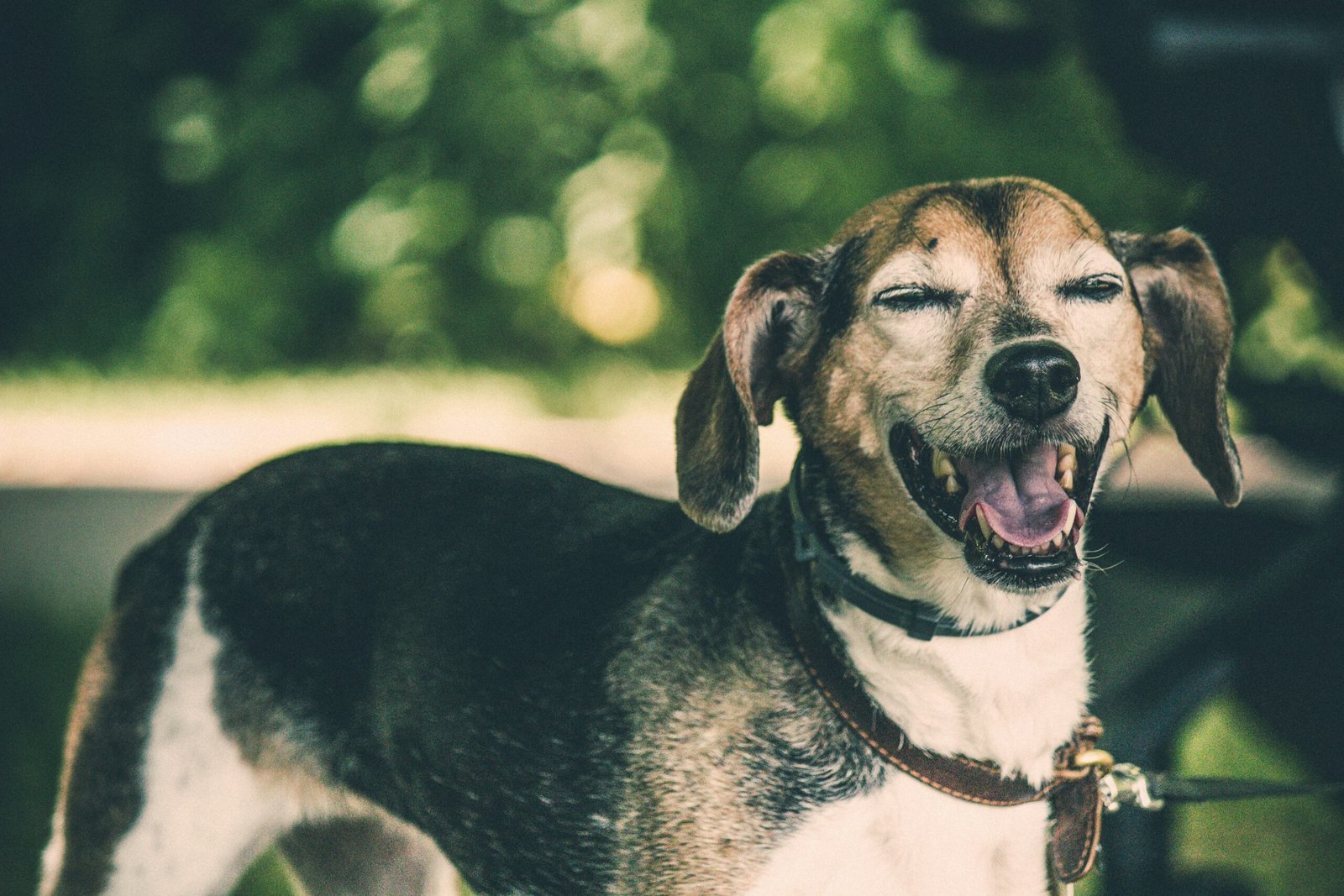
The signs of overheating in senior dogs are not always dramatic. That is the problem. Most owners expect a clear, obvious signal that something is wrong. What they get instead is a dog that is panting a little harder than usual, staying close to the cool floor, and not moving much. Those are the signs. They are easy to attribute to the heat being uncomfortable rather than dangerous, and by the time the more serious signals appear, the window for easy intervention has already closed.
This article is about reading those early signals correctly. Not the signs everyone already knows about, such as collapse and vomiting, but the ones that appear thirty minutes before that point and tell you exactly what your dog needs you to do right now.
Table of Contents
Why Senior Dogs Show Overheating Signs Differently
A younger dog that is overheating will often show visible distress. Excessive panting, restlessness, seeking water. The signals are active and hard to miss.
A senior dog frequently shows the opposite. The response to heat stress in an older dog is often withdrawal rather than agitation. The dog lies down, slows down, and becomes quiet. Owners interpret this as the dog being sensible about the heat. In some cases that is accurate. In others, the dog is not managing the heat well and the stillness is the body conserving the energy it needs to keep functioning.
This matters because the mental model most owners carry, that an overheating dog will look distressed and active, does not apply reliably to senior dogs. The dog that is lying very still in the corner on a hot afternoon deserves the same attention as the dog that is panting frantically.
The underlying reason is that older dogs have less physiological reserve. A younger dog can escalate its panting, increase its heart rate and push hard against the heat load for a significant period before reaching a dangerous point. A senior dog, particularly one managing heart disease, respiratory issues or obesity, has less capacity to push back. The body reaches its limit faster and with less visible warning.
Normal Panting vs Overheating: How to Tell the Difference
Panting is normal. Every dog pants after exercise, when excited, when anxious or when the ambient temperature rises. The challenge is distinguishing panting that is an appropriate physiological response from panting that signals the body is losing the battle against heat.
The key factors to assess are context, intensity and duration.
Context means asking what the dog has been doing and where. A dog that has just come in from a walk on a warm day and is panting heavily is responding normally. A dog that has been resting in a shaded room for an hour and is panting heavily is not. The level of panting should match the level of recent exertion and the ambient temperature. When it does not match, that mismatch is the signal.
Intensity means looking at how the panting looks and sounds. Normal panting is rhythmic, relatively quiet and involves the tongue hanging loosely. Overheating panting is often faster, louder and more laboured. The tongue may appear wider and flatter than usual, pushed further out of the mouth as the dog tries to maximise the evaporative surface. The breathing may sound slightly raspy or strained. In a senior dog with any respiratory condition, this escalation can happen very quickly.
Duration means asking how long the panting has been going on. A dog that pants for ten minutes after exercise and then settles is fine. A dog that has been panting continuously for thirty minutes in a cool environment, or that pants heavily and then seems exhausted rather than recovered, needs attention.
For senior dogs specifically, any heavy panting that continues after you have moved the dog to a cooler environment and offered water is a signal to take seriously.
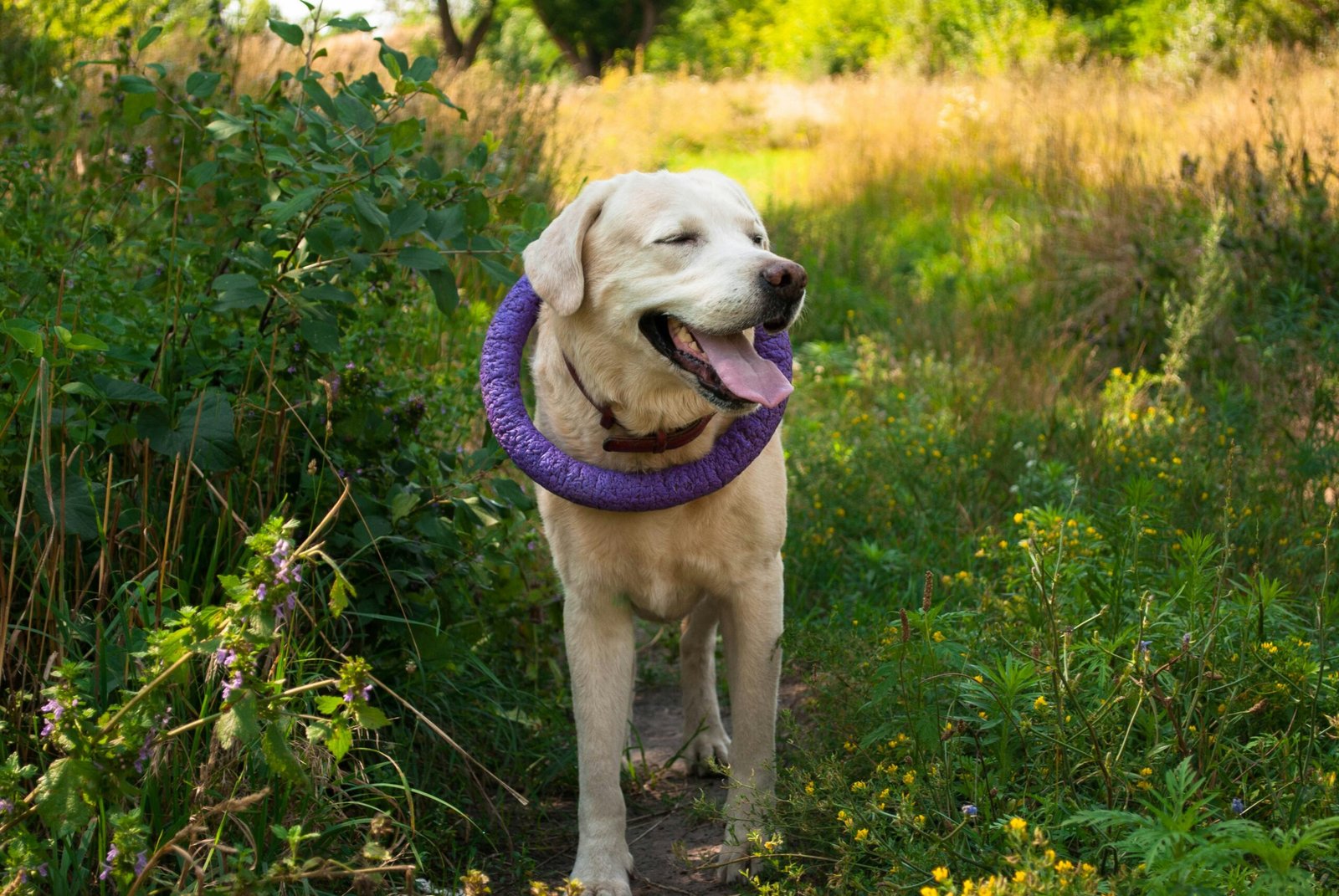
Early Signs of Overheating in Senior Dogs
These are the signs that appear first, often thirty minutes to an hour before the situation becomes an emergency. Acting at this stage is the difference between a manageable situation and a veterinary crisis.
Heavy panting relative to activity is the first and most consistent early sign. If your dog is panting at a level that does not match what it has been doing, pay attention to it rather than dismissing it.
Seeking cool surfaces is deliberate thermoregulatory behaviour. A dog that moves from its bed to the tiles, or from the carpet to the kitchen floor, is actively trying to shed body heat. This is not comfort-seeking in the casual sense. It is the body directing the dog to do something about its temperature.
Placing the paws in water, seeking out water bowls not to drink but to stand near or place the feet in, and moving to shaded areas are all the same category of signal. The dog knows something is wrong and is trying to address it.
Reduced movement and reluctance to walk are early signs that owners frequently misread as laziness or old age. A senior dog that is normally willing to follow you around the house and suddenly will not move from a cool spot is not being difficult. The body is conserving energy because managing its temperature is already taking significant effort.
Increased thirst at this stage is a positive sign in the sense that the dog is still functional enough to seek water. Offer it freely and observe whether the drinking satisfies the dog or whether it drinks and immediately lies back down without any visible improvement.
Subtle disorientation, a slight glassiness in the eyes, reduced responsiveness to your voice or name, or a look of general vacancy, can appear early in senior dogs before any of the more dramatic neurological signs. It is easy to miss if you are not looking for it specifically.
Signs Your Senior Dog Has Heat Exhaustion
Heat exhaustion is the next stage. The body is still functioning but is under serious stress. These signs require immediate cooling action and close monitoring.
Excessive drooling that is thicker and stickier than normal is a consistent sign of heat exhaustion. The saliva changes character as the body becomes dehydrated and the cooling mechanism through panting becomes less effective.
Gum colour is one of the most reliable indicators of what is happening internally. Healthy gums are pink and moist. At the heat exhaustion stage, gums may become bright red as blood is pushed to the surface in an attempt to release heat, or pale and dry as dehydration progresses and circulation is redirected to vital organs. Check the gums by lifting the lip and pressing a fingertip against the gum. The colour should return within two seconds of releasing the pressure. If it takes longer, circulation is already compromised.
Vomiting at this stage indicates the digestive system is shutting down as the body prioritises core functions. A senior dog that vomits in heat without any other obvious cause has moved past early heat stress.
Weakness in the hindquarters, stumbling or an inability to hold a normal standing position are signs that the muscles are failing under the heat load. Senior dogs often show this in the hindquarters first because muscle weakness there is already a baseline issue that heat accelerates.
Rapid heart rate that you can feel by placing your hand on the dog’s chest just behind the front legs indicates the cardiovascular system is working hard to manage the crisis. In a senior dog with an existing heart condition, this is a particularly serious sign.
Signs Your Senior Dog Has Heatstroke
Heatstroke means the body’s cooling system has failed. This is a medical emergency. Every minute matters.
Collapse or inability to stand is the most obvious sign that the situation is critical. A dog that goes down and cannot get up under its own power has reached a point where organ damage is already occurring or imminent.
Severe disorientation, walking in circles, bumping into objects or not responding to their name indicates neurological involvement. The brain is being affected by the elevated core temperature.
Seizures can occur at very high body temperatures. If your dog loses consciousness or begins convulsing, call a vet immediately while beginning cooling measures. Do not wait to see if the seizure passes before acting.
Breathing that is laboured, gasping or accompanied by unusual sounds indicates the respiratory system is failing. In brachycephalic senior dogs this can escalate from moderate difficulty to crisis within minutes.
Very dark red or blue-tinged gums indicate that oxygenation is severely compromised. This is an emergency sign that requires immediate veterinary intervention. No amount of home cooling is sufficient at this point.
How to Respond at Each Stage
At the early signs stage: Move the dog to the coolest available room. Offer fresh cool water. Place a damp cloth on the neck, armpits and inner thighs. Point a fan at floor level near the dog. Monitor continuously. If the dog does not show clear improvement within fifteen minutes, escalate your response.
At the heat exhaustion stage: All of the above, with more urgency. Apply cool water directly to the coat, focusing on the neck, armpits, groin and paws. Do not use ice water. The goal is gradual cooling, not thermal shock. Use a fan to maximise evaporation. Offer small amounts of water to drink but do not force large quantities. Do not cover the dog with wet towels as this traps heat. Contact your vet and describe what you are seeing. A vet check after a heat exhaustion episode is necessary even if the dog appears to recover, because internal damage is not always visible.
At the heatstroke stage: Begin cooling measures immediately while arranging transport to a vet. Do not spend time waiting to see if cooling alone resolves the situation. Heatstroke causes organ damage that requires veterinary assessment regardless of whether the dog appears to recover externally. Call ahead so the vet is prepared when you arrive.
One rule applies across all three stages: cool water, not ice water. Applying ice or very cold water causes the surface blood vessels to contract, which reduces the body’s ability to release heat and can actually slow the cooling process. Cool tap water is the correct choice at every stage.
For a full guide to managing your senior dog’s environment across the whole of summer, including walk timing, indoor cooling and product recommendations, the senior dog summer safety guide covers all of it. If you want to know which cooling products make the biggest practical difference at home, this overview of the best cooling products for senior dogs is worth reading before the hottest months arrive.
Senior Dogs at Higher Risk
Not all senior dogs carry the same level of risk in summer heat. Understanding which factors increase vulnerability helps you calibrate how closely you need to monitor your specific dog.
Obesity is one of the most significant risk amplifiers. Fat tissue insulates the body and slows heat release, which means an overweight senior dog reaches dangerous temperatures faster and cools down slower than a leaner dog of the same age and breed.
Brachycephalic breeds, those with shortened snouts such as Bulldogs, Pugs, French Bulldogs and Boxers, have restricted airways that make panting less effective as a cooling mechanism. A brachycephalic senior dog combines age-related respiratory decline with a structural disadvantage that was already present, and the combined effect in heat is serious.
Heart disease reduces the cardiovascular system’s ability to manage the increased demand that heat places on it. A senior dog with a known heart condition needs more conservative heat management than a healthy dog of the same age.
Kidney disease affects the body’s ability to manage fluid balance, which makes dehydration both more likely and more dangerous. A senior dog with kidney disease needs consistent hydration management throughout summer, not just on the hottest days.
Dogs with dark or thick coats absorb and retain more heat than lighter or single-coated dogs. This is a secondary factor compared to the health conditions above, but it is worth accounting for when deciding how much time outdoors is appropriate on a hot day.
For a broader picture of how to manage summer safely for an older dog day to day, this guide to how to keep a senior dog cool in summer covers the environmental management, walk timing and immediate cooling responses in full detail.
FAQ
How quickly can a senior dog overheat?
Faster than most owners expect. In direct sun on a hot day, a senior dog can move from comfortable to early heat stress within twenty to thirty minutes. In a hot car, the same progression can happen in under ten minutes. The speed depends on the ambient temperature, the dog’s health status, whether there is shade and airflow, and how much the dog has been exerting itself. Senior dogs with underlying health conditions reach dangerous temperatures faster than healthy dogs of the same age.
Can a senior dog overheat indoors?
Yes. A poorly ventilated room in summer can reach temperatures that are dangerous for a senior dog even without direct sun exposure. A dog left in a closed room on a hot afternoon with no water and no airflow is at real risk. The indoor environment needs the same attention as outdoor exposure, particularly for dogs that are home alone during the hottest parts of the day.
What do normal gums look like compared to overheating gums?
Normal gums are pink, moist and smooth. When you press a fingertip against them and release, the colour returns within one to two seconds. Overheating gums may be bright red, pale or dry. In severe cases they can appear grey or blue-tinged. The capillary refill test, pressing and releasing and timing the colour return, is a reliable real-time indicator of what is happening internally.
Should I give my senior dog ice water if they are overheating?
No. Ice water causes surface blood vessels to contract, which reduces the body’s ability to release heat and can slow the cooling process. Use cool tap water for drinking and for applying to the coat and key cooling points on the body. The goal is gradual temperature reduction, not rapid chilling.
My senior dog seems fine but has been in the heat for a long time. Should I be concerned?
Yes. Senior dogs do not always show obvious signs of heat stress even when their internal temperature is rising. If your dog has been in warm conditions for an extended period, move them to a cool environment, offer water and monitor them closely for the next thirty to sixty minutes. The absence of visible distress does not confirm the dog is safe. It confirms the dog has not yet reached the point where the signs become impossible to miss.
Final Thoughts
The signs of overheating in senior dogs are readable if you know what you are looking for, but they require active attention rather than waiting for something obvious to happen. The dog lying still on the cool tiles, the dog that will not leave the shaded corner, the dog panting harder than its activity warrants. These are the signals. They appear before the emergency, not during it.
A lot of owners miss them not because they were inattentive but because nothing in the dog’s behaviour looked alarming. Now that you know what the early signs look like and what they mean, you have a longer window to act. Use it.

Pingback: How to Keep a Senior Dog Cool in Summer - seniordog-care
Pingback: Senior Dog Summer Safety Guide 2026 - seniordog-care