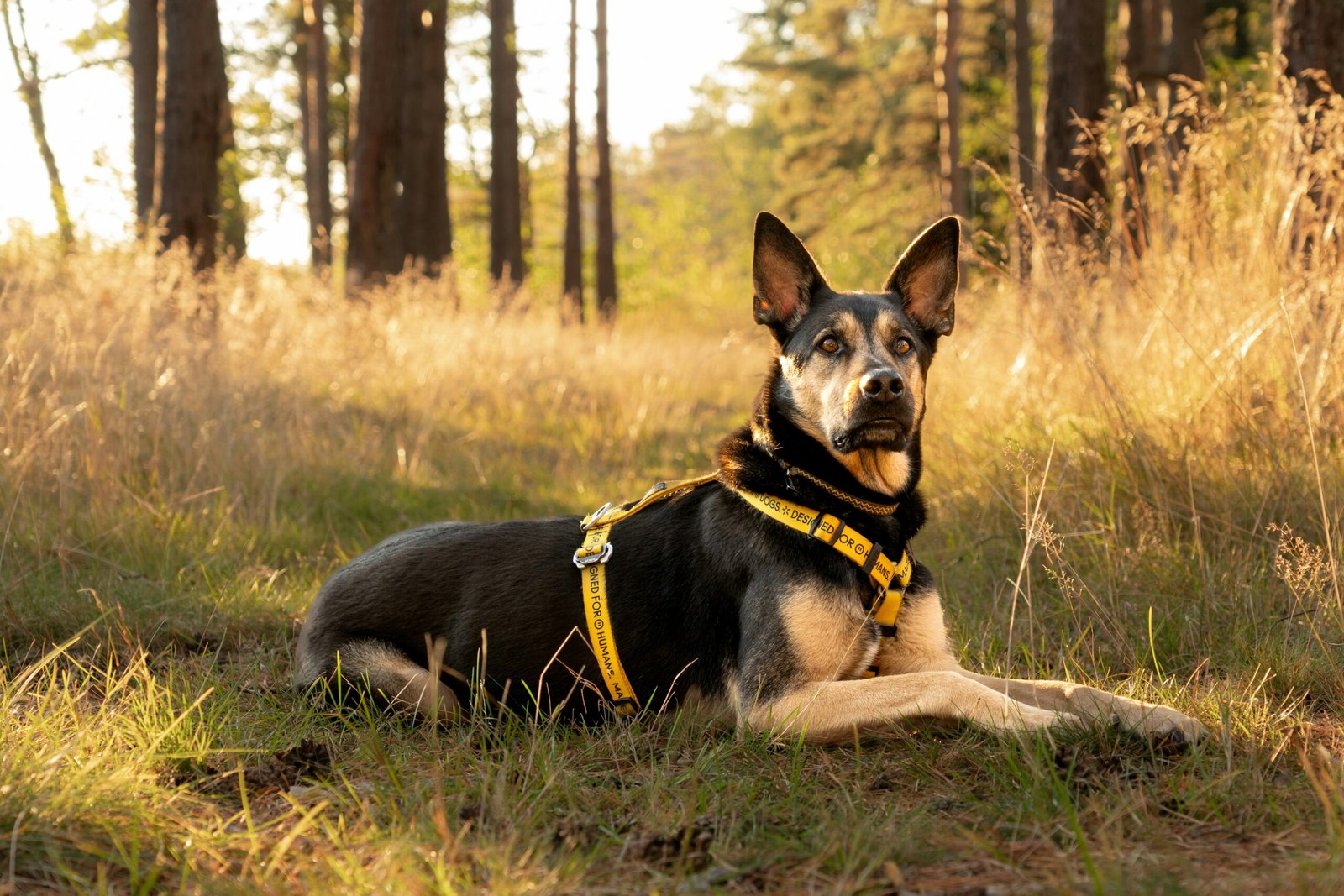
Understanding why support harnesses help aging dogs matters for any owner with a senior companion, since the benefit is not simply comfort in the abstract. As dogs grow older, joint pain, arthritis, and reduced mobility can make everyday activities, walking, climbing stairs, getting into a car, genuinely difficult and often painful. A properly designed support harness provides stability, reduces strain on weakened muscles and joints, and helps a dog maintain confidence and independence rather than gradually withdrawing from activities it once managed easily.
This guide covers what a support harness actually does mechanically, why that matters more as dogs age, and how it changes specific daily situations for both dog and owner. For product recommendations organised by mobility need, our guide to the best senior dog harness covers six options matched to different situations. If you are still deciding between a full harness and a simpler sling, our guide on dog harness versus dog sling covers that distinction directly.
This post may contain affiliate links. If you buy through these links, I may earn a small commission at no extra cost to you. As an Amazon Associate, I earn from qualifying purchases.
Table of Contents
What a Support Harness Actually Does
A support harness solves a mechanical problem, not just a comfort one. As dogs age, muscle mass decreases, joints stiffen or become inflamed, and conditions such as arthritis, hip dysplasia, and degenerative myelopathy become considerably more common. Activities that were effortless a few years ago, standing up, climbing stairs, getting in and out of the car, become genuinely painful and difficult.
A harness addresses this directly through weight distribution. Rather than concentrating force on one joint or muscle group the way an unsupported movement or an improperly grabbed collar would, a well-fitted harness spreads that load across a broader surface area, reducing pressure on hips, shoulders, and spine at exactly the moments those areas are under the most strain. The handles built into a support harness give an owner a stable, ergonomic way to assist, replacing the awkward, injury-prone habit of lifting a dog under the belly or pulling at a collar.
This matters for both parties. For the dog, it means genuine pain reduction and a lower risk of the falls that senior dogs are particularly prone to on slippery floors, stairs, or uneven ground. For the owner, it means assisting a dog without straining their own back, wrists, or shoulders during a lift that would otherwise happen in an awkward, unsupported position multiple times a day.
Why This Matters More Specifically as Dogs Age
The consequences of not addressing this compound over time in a way that is easy to underestimate. A senior dog that finds standing up or climbing stairs painful often responds by avoiding those activities altogether, which sounds like a reasonable adaptation but actually accelerates the underlying problem. Reduced activity leads to further muscle loss, which removes some of the natural support joints previously had, which in turn makes the next movement even more difficult and painful than the last. A harness interrupts this cycle by making movement possible again without the pain that was driving the avoidance in the first place, letting a dog stay active enough to maintain the muscle tone that supports its own joints.
There is also a genuine safety dimension that grows more serious with age. A senior dog’s balance is often already compromised by joint pain or muscle weakness, and a fall that a younger dog might shake off without consequence can cause a genuine injury, or aggravate an existing condition, in an older one. A harness gives an owner real, physical control in exactly the moments a fall is most likely, on stairs, getting into a car, or crossing a slippery floor, rather than relying on a dog’s own compromised balance to get through the moment safely.

How This Plays Out in Specific Daily Situations
Getting in and out of the car. For many ageing dogs, jumping into a vehicle becomes painful or simply impossible. A properly fitted rear-lift or full-body harness lets an owner lift and guide the dog gently without straining hips or spine, turning what had become a stressful daily obstacle back into a routine moment.
Climbing stairs. Stairs are one of the most common challenges for senior dogs, and a front- or rear-lift harness provides support exactly where it is needed for that specific movement, letting a dog regain confidence and avoid the slips that stairs are particularly prone to causing.
Maintaining daily walks. Even a short walk can become genuinely tiring for a dog with weak joints. A harness that distributes weight evenly allows more comfortable movement and gives an owner a safe way to assist, which keeps walks part of the routine rather than something quietly phased out as they become harder.
Reducing strain on the owner. This benefit is easy to overlook but matters over months and years of daily assistance. Lifting or guiding a senior dog without proper support risks genuine injury to an owner’s back or shoulders, and ergonomic handles turn a repeated awkward lift into a manageable, controlled motion.
Supporting confidence and engagement. A dog that feels physically secure tends to move, explore, and engage more willingly than one that has learned certain movements cause pain. This shows up as reduced anxiety and more consistent activity levels, which matters for overall wellbeing beyond the purely physical benefit.
Signs a Harness Is Making a Real Difference
Owners often ask how to know whether a harness is genuinely helping or simply becoming a habit their dog tolerates without real benefit. There are a few concrete signs worth watching for over the first few weeks of consistent use.
The clearest sign is a dog initiating movement it had started avoiding. A senior dog that had quietly stopped jumping onto the couch, or that hesitated visibly before every set of stairs, beginning to attempt these movements again with the harness on is a meaningful signal that the support is doing real mechanical work, not just providing a false sense of security. Watch also for how your dog moves immediately after a walk or a lift rather than only during it. A dog that seems noticeably less stiff getting up from a rest afterward, compared with before the harness was introduced, suggests the reduced strain during activity is translating into less cumulative wear.
A second signal is behavioural rather than physical. Dogs that have been avoiding certain activities because of pain often show a subtle but real increase in enthusiasm once that pain is genuinely reduced, more willingness to approach the stairs, less hesitation at the car door, a quicker pace on familiar walks. This shift is easy to miss if you are only looking for dramatic change, since it tends to build gradually over several weeks rather than appearing overnight.
Finally, pay attention to your own experience as the owner. If lifting or guiding your dog has become noticeably less physically taxing for you, without your dog resisting or seeming uncomfortable during the process, that is a genuine sign the harness fits well and is doing the job it was designed for, not just a convenience that happens to coincide with a calmer dog.
When a Harness Is Not Enough on Its Own
A support harness addresses the mechanical side of ageing joints, weight distribution, stability, safer assistance, but it does not treat the underlying condition causing the pain in the first place. It is worth being clear about this distinction, since some owners reasonably hope a harness alone will resolve a mobility problem that actually needs a broader approach.
For a dog with diagnosed arthritis or hip dysplasia, a harness works best alongside, not instead of, appropriate joint supplements, veterinary-guided pain management where needed, and a suitable exercise routine that maintains muscle tone without overloading affected joints. A harness that is doing its job well can mask the day-to-day discomfort of a condition that is still progressing underneath, which makes regular veterinary check-ins important even once a harness seems to be helping. If your dog’s mobility continues to decline despite consistent, correct harness use, that is a signal to revisit the underlying condition with a vet rather than assuming a different or more expensive harness will solve it.
It is also worth recognising that a harness cannot compensate for an environment working against your dog the rest of the time. Slippery floors, a lack of ramps for furniture or cars, or stairs with no traction all continue to pose a risk during the many hours a day your dog is not wearing the harness at all.
A Harness Is Part of a Broader Routine
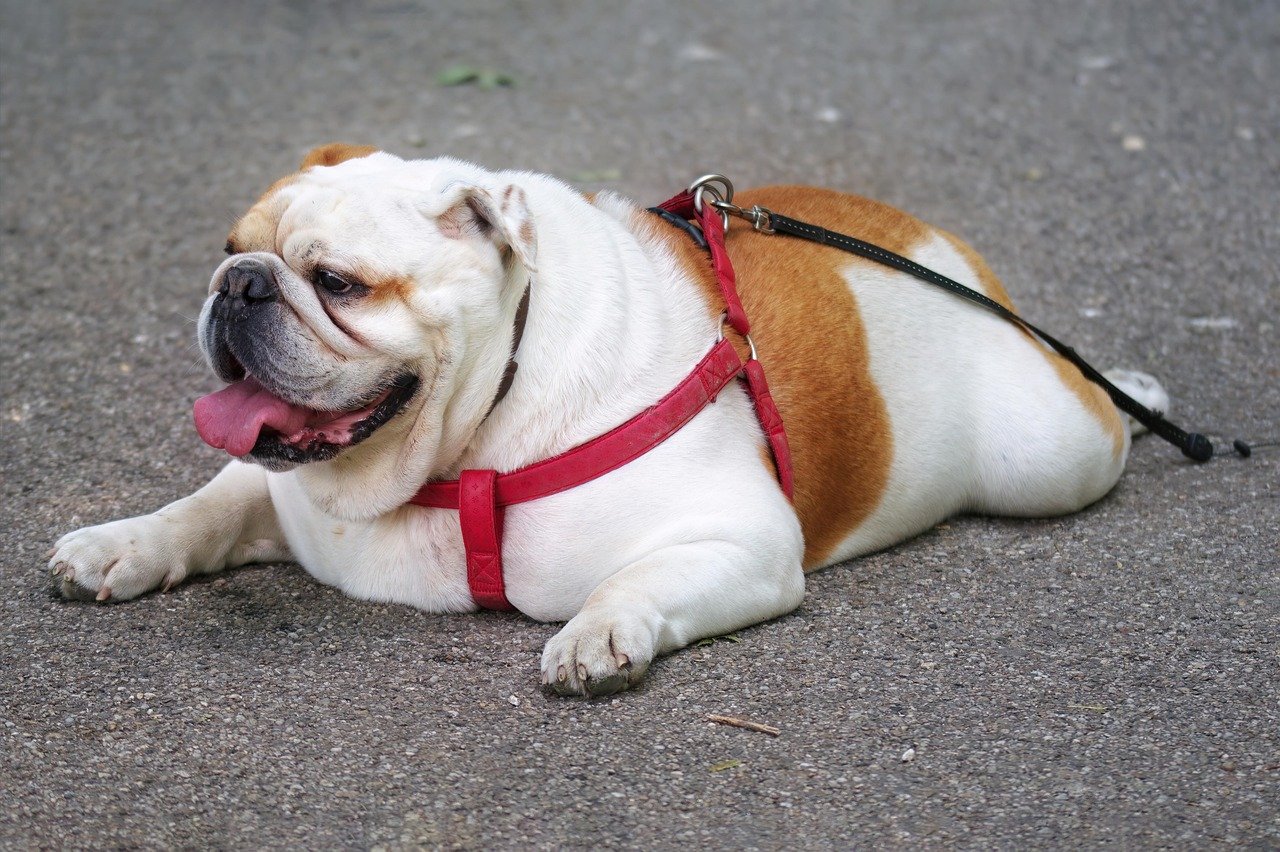
A harness works best as one piece of a wider approach to supporting an ageing dog’s mobility, not as a standalone fix. Pairing it with an orthopedic bed, a suitable joint supplement, and a home environment adapted for reduced mobility, non-slip flooring, ramps where needed, tends to produce a more complete improvement than the harness alone ever could.
FAQ
How do I know if my senior dog needs a support harness?
Signs include difficulty climbing stairs, trouble getting into cars, general stiffness, reluctance to walk, or noticeable weakness in the hind legs. Any combination of these is worth addressing with a harness rather than assuming it is simply part of ageing.
Can I leave a harness on my dog all day?
No. Harnesses should be used only when needed, for walks, stairs, car trips, or lifting assistance. Prolonged wear can cause chafing or pressure points, particularly on a senior dog’s more sensitive skin.
How tight should a support harness be?
Snug but not restrictive. You should be able to slide two fingers between the harness and your dog. Too loose risks slipping. Too tight causes discomfort and can restrict movement or breathing.
Are harnesses genuinely better than lifting with hands alone?
Yes. A harness evenly distributes weight, reduces strain on joints and muscles, and is safer for both dog and owner compared with manual lifting, which tends to concentrate force on whatever part of the dog happens to be easiest to grab in the moment.
What type of harness is best for an ageing dog?
It depends on the specific mobility need. A rear-lift harness suits hind leg weakness. A front-lift harness suits shoulder or front leg support. A full-body harness suits overall stability where support is needed at both ends. Our guide to the best senior dog harness covers which type fits which situation.
Final Thoughts
Support harnesses are not simply mobility accessories. For an ageing dog, they function as a genuine lifeline, addressing the mechanical reality of weakened joints and muscles rather than just softening the experience of moving through the day. A well-fitted harness lets a dog move safely, maintain the activity that protects its remaining muscle tone, and continue engaging with daily life rather than gradually withdrawing from it.
For an owner, the same harness provides a safe, sustainable way to assist a dog that needs it, protecting your own back and shoulders across months and years of daily support rather than risking injury through repeated awkward lifting.



Pingback: How to Fit a Dog Support Harness (Step-by-Step) - seniordog-care
Pingback: Best Mobility Aids for Senior Dogs - seniordog-care