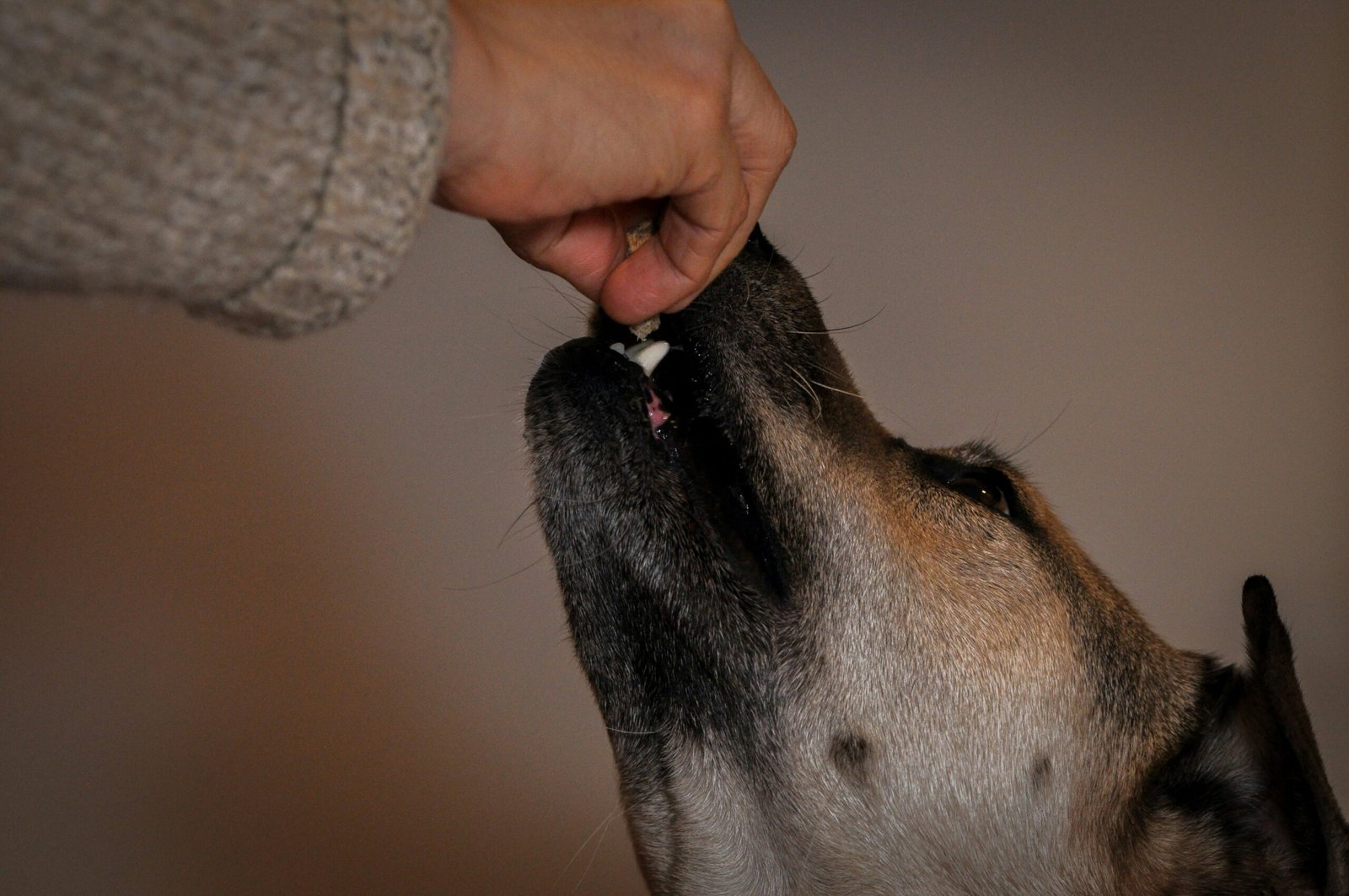
Knowing how to introduce dog supplements safely matters more for senior dogs than for younger ones, since an older dog’s digestive system has less flexibility to absorb a sudden change without reacting to it. Supplements can genuinely improve joint comfort, immune resilience, and nutritional gaps that appear with age, but adding them the wrong way can cause digestive upset or simply waste the benefit entirely.
This guide covers the correct step-by-step process for introducing a new supplement, how to dose it safely, and what to watch for along the way. For the underlying question of which supplement categories actually matter for an ageing dog, our guide on what supplements senior dogs need covers that first. Once you have chosen the right category and the correct food is already in place, our guide on how to combine your dog’s diet with supplements covers how the two work together without unnecessary overlap.
This post may contain affiliate links. If you buy through these links, I may earn a small commission at no extra cost to you. As an Amazon Associate, I earn from qualifying purchases.
Table of Contents
Why Introducing Supplements Carefully Matters More Than Owners Expect
Adding a supplement to a senior dog’s daily routine looks like a simple, low-risk decision, and in most cases it is, provided it is done properly. The risk is not usually the supplement itself. It is the speed and manner of introduction.
A senior dog’s digestive system processes change more slowly than a younger dog’s. Enzyme production has typically declined, gut motility has slowed, and the balance of bacteria in the digestive tract is less resilient to sudden shifts in what passes through it. A supplement introduced at full strength on the first day, even a genuinely well-formulated one, asks that already-slower system to adapt overnight rather than over the gradual timeline it actually needs. The result is often loose stools, reduced appetite, or mild vomiting, symptoms that then get blamed on the supplement itself being “wrong” for the dog, when the real cause was simply the pace of the introduction.
Introducing a supplement gradually solves several problems at once. It gives the digestive system time to adjust without being overwhelmed. It allows the nutrients to actually be absorbed properly rather than passing through a system that has not adapted yet. And critically, it gives you, the owner, a genuine window to observe how your dog is responding before you have committed to a full daily dose long-term. This last point matters more than it sounds. A dog that shows early signs of not tolerating a specific ingredient is far easier to manage if you catch it at a quarter dose on day three than if you only notice after a week of full-strength dosing.
This is especially relevant for senior dogs and any dog managing an existing health condition, where a poorly introduced supplement carries a meaningfully larger consequence than it would for a healthy young adult with a more forgiving digestive system. A careful, gradual introduction also lets you actually identify which product is responsible if you eventually introduce more than one supplement over time. Starting several at once, even with good intentions, makes it essentially impossible to untangle which one caused which effect later on.
Step-by-Step: How to Introduce a Supplement Safely
Step 1: Start with one supplement at a time. This is the single most important rule, and the one most often skipped by owners eager to address several problems at once. Adding a joint supplement, a probiotic, and a multivitamin in the same week, even though each one seems unrelated to the others, makes it impossible to know which product is responsible if your dog reacts. Wait until one supplement is fully established, generally two to three weeks at full dose with no issues, before introducing a second.
Step 2: Check the recommended dosage against your dog’s actual current weight, not a rough estimate or last year’s weight if your dog has changed size since. Follow the manufacturer’s instructions specifically, since doses are usually calculated by weight bracket rather than a flat amount for every dog. Overdosing risks digestive upset in the short term and, with fat-soluble vitamins such as A, D, E, and K, genuine accumulation to harmful levels if sustained over months. Underdosing carries none of that risk but also delivers none of the intended benefit, which is its own kind of waste.
Step 3: Mix a small fraction of the dose into food and increase gradually over five to seven days. Start at roughly a quarter of the recommended full dose, mixed thoroughly into a regular meal rather than offered separately where your dog might reject it outright. Increase the amount every one to two days, watching stool consistency and appetite at each stage, until you reach the full recommended dose by the end of the first week. This gradual ramp is what actually gives the digestive system time to adapt, rather than the supplement itself being inherently gentle or harsh.
Step 4: Monitor closely and specifically, not just generally. Watch for vomiting, changes in stool consistency or frequency, reduced appetite, or any noticeable shift in behaviour or energy level. Keeping a brief daily note, even just a line in your phone, of how your dog seemed that day makes it far easier to spot a genuine pattern than relying on memory a week later. Some mild adjustment in the first one to two days is normal and usually resolves on its own. A pattern that persists or worsens beyond that window is different.
Step 5: Choose products from reputable, transparent manufacturers. A supplement’s real-world safety profile depends heavily on manufacturing quality, not just the ingredient list. Look for third-party testing or a published Certificate of Analysis, disclosed milligram amounts for each active ingredient rather than a vague blend, and NASC (National Animal Supplement Council) certification or an equivalent independent standard where the category has one available.
Step 6: Maintain a consistent daily routine once the supplement is established. Give it at the same time each day, ideally alongside a regular meal rather than at an inconsistent time that is easy to forget. Consistency makes the supplement easier for your dog’s body to adjust to and easier for you to track honestly over the following weeks, since erratic timing makes it harder to tell whether a change in your dog’s condition is due to the supplement or simply due to an inconsistent routine around it.
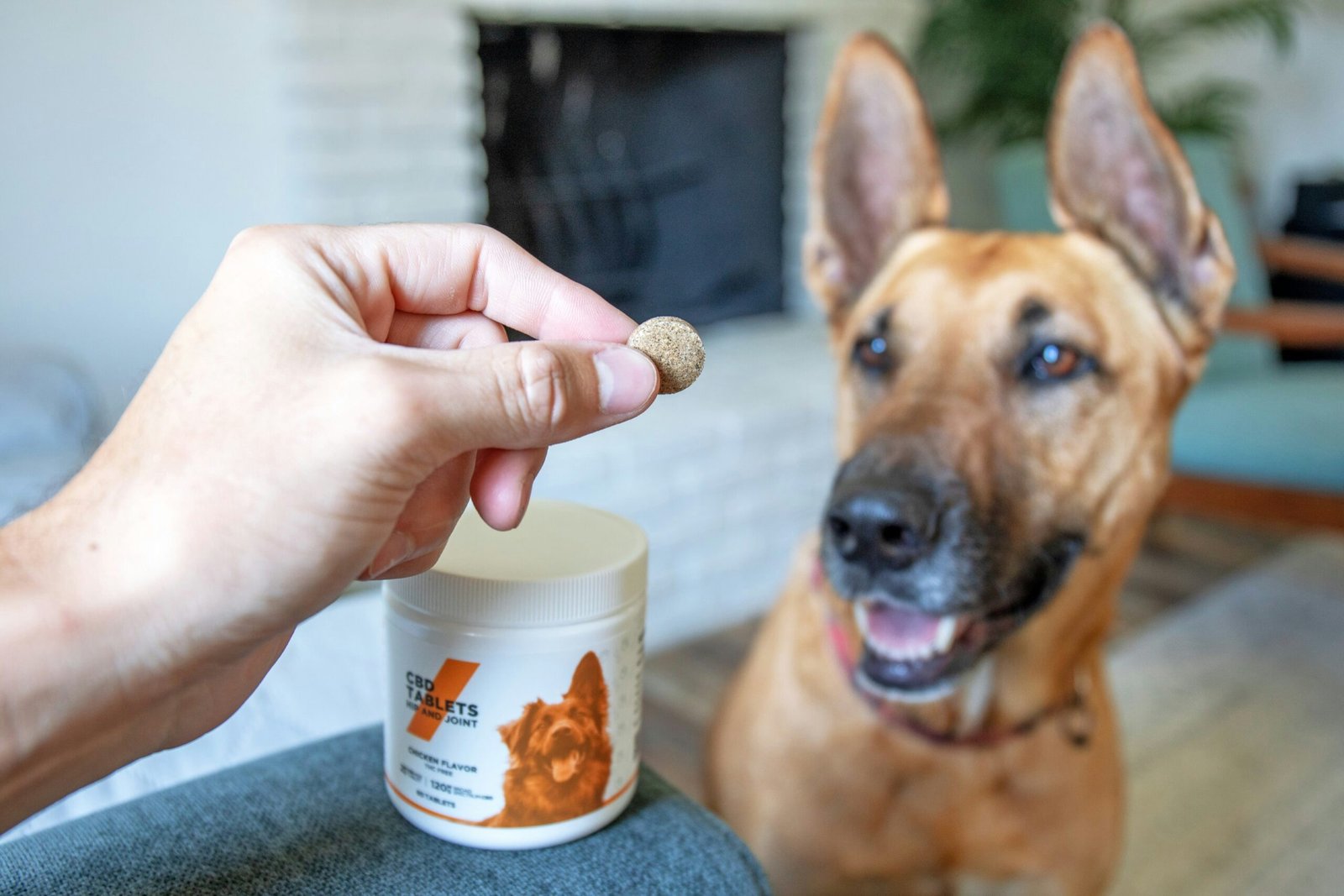
What Counts as a Normal Adjustment Versus a Reason to Stop
Distinguishing a normal settling-in period from a genuine reaction is one of the more common sources of confusion for owners introducing a new supplement, and getting this distinction right prevents both unnecessary panic and unnecessary risk.
A slightly softer stool for a day or two, a brief dip in enthusiasm for a new flavour before your dog accepts it, or mild, occasional gas in the first few days of introduction are common and generally resolve on their own as the digestive system adapts to the new ingredient. These are worth noting but rarely worth stopping over, provided they do not worsen.
Persistent vomiting, diarrhoea that continues beyond two or three days, a marked and sustained drop in appetite, or noticeable lethargy that goes beyond your dog’s normal daily pattern are a different category entirely. These warrant stopping the supplement immediately and speaking to your vet, particularly in a senior dog or one already managing another health condition, where a genuine reaction is more likely to indicate something worth investigating properly rather than a simple, self-resolving adjustment period. When in doubt, the safer default is to pause the supplement and restart more slowly later, rather than pushing through symptoms that have not improved after a few days.
Introducing Supplements Alongside an Existing Diet
Many supplements are specifically designed to be mixed directly into food, which is usually the most practical way to introduce them, but doing so interacts directly with what and how much your dog is already eating, and this interaction is easy to overlook.
If your dog is already on a carefully calculated diet, particularly a weight management formula, a prescription therapeutic food, or any diet where calories and specific nutrients have been deliberately controlled, check whether the supplement you are introducing duplicates a nutrient already present in a meaningful amount in the food itself. A senior formula that already includes a solid glucosamine dose, combined with a separate joint supplement at full strength, is not dangerous in most cases, but it may mean you are paying for and administering more of the same ingredient than your dog actually needs. Our guide on how to combine your dog’s diet with supplements covers exactly this overlap in detail, including how to check for duplicated nutrients across food and supplement labels and how to adjust either side so you are not doubling up without realising it.

FAQ
How do I know when to start supplements for my senior dog?
Start when your dog shows a specific, observable sign that a supplement could genuinely help, joint stiffness after resting, reduced energy without another explanation, or digestive irregularity, rather than adding a supplement simply because it is marketed broadly at senior dogs. Our guide on what supplements senior dogs need covers how to identify which category actually applies to your dog’s situation before you buy anything.
Can I give my dog multiple supplements at once?
It is best to introduce one supplement at a time, even if you eventually plan to give your dog more than one long term. Waiting until the first is fully established, generally two to three weeks at full dose without issue, before starting a second lets you monitor each product’s effect individually rather than facing an unexplained reaction with no way to isolate which one caused it.
How should I mix a new supplement with my dog’s food?
Start with roughly a quarter of the recommended dose mixed thoroughly into a regular meal, then increase gradually over five to seven days until reaching the full recommended dose. This gradual ramp gives the digestive system time to adapt, rather than reacting to a sudden full dose introduced on the very first day.
What if my dog refuses to eat the supplement?
Try mixing it into a small amount of wet food or a soft, dog-safe treat to mask the taste and texture. If refusal persists across several attempts, a different format altogether, moving from a tablet to a soft chew, or from a chew to a powder mixed into food, often solves the problem more reliably than repeatedly trying to disguise the same product in the same way.
Are there real risks to giving supplements to a senior dog?
Yes. Giving several supplements at once without a gradual introduction, exceeding the recommended dose, or unknowingly combining products that overlap in the same active ingredient can all cause digestive upset, and in the specific case of fat-soluble vitamins, genuine accumulation to harmful levels if sustained over months without anyone noticing the overlap. Always follow dosage instructions carefully and check with your vet if you are ever unsure about combining two or more products.
How long should I wait before judging whether a supplement is working?
This depends on the category. Joint supplements such as glucosamine and chondroitin generally need four to eight weeks of consistent daily use before a real effect becomes noticeable. Probiotics often show a difference within one to two weeks. Judging a supplement as ineffective after only a few days, before the introduction schedule is even complete, is one of the most common reasons owners give up on a product that would genuinely have helped given proper time.
Final Thoughts
Introducing a supplement safely comes down to patience rather than complexity. Start with a single product rather than several at once, dose it correctly against your dog’s actual current weight, increase gradually over the first week rather than starting at full strength immediately, and watch closely and specifically for how your dog is actually responding before considering anything additional.
Done this way, the introduction process protects your senior dog’s digestive comfort while still allowing the joint, immune, digestive, or nutritional benefit you introduced the supplement for in the first place to actually take hold. For specific product recommendations once you know which category your dog needs, our best supplements for senior dogs guide covers the strongest options across every type worth considering.



Pingback: Best Multivitamin For Senior Dogs + Top Picks 2025
Pingback: Best Supplements For Senior Dogs (2026 Guide) seniordog-care
Pingback: What Supplements Do Senior Dogs Need? - seniordog-care
Pingback: Best Digestive Supplements for Senior Dogs (Probiotics) - seniordog-care
Pingback: Best Bladder Control Supplements for Senior Dogs (2026 Guide) - seniordog-care
Pingback: How to Combine Your Senior Dog's Diet with Supplements - seniordog-care