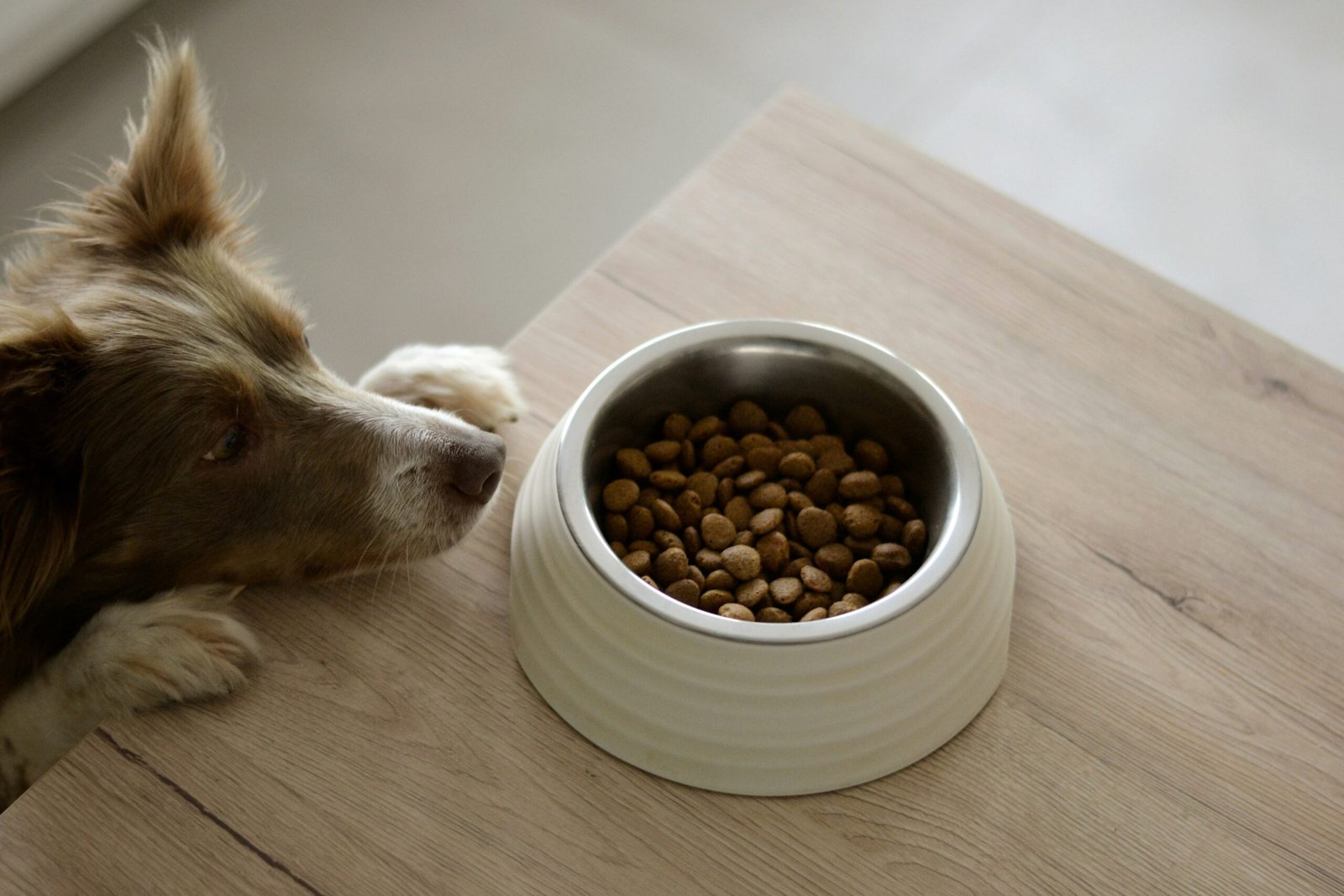
Knowing how to mix wet and dry dog food correctly matters more for senior dogs than for any other life stage. The calorie density difference between kibble and wet food is significant, the digestive system in an older dog is less resilient to abrupt changes, and the reasons for mixing in the first place, hydration, palatability, dental comfort, are all more pressing once a dog reaches seven or eight years old.
This guide covers why mixing makes sense for senior dogs specifically, how to calculate the right ratio, how to avoid the most common mistakes, and what to look for in both food types before combining them. For the broader nutritional principles behind these choices, our senior dog nutrition basics guide is worth reading alongside this one.
This post may contain affiliate links. If you buy through these links, I may earn a small commission at no extra cost to you. As an Amazon Associate, I earn from qualifying purchases.
Table of Contents
Why Mixing Wet and Dry Food Makes More Sense for Senior Dogs
Younger dogs can generally manage on either wet or dry food alone without significant issues. Senior dogs have several characteristics that make the combination genuinely more appropriate than either option alone. For the full comparison of the two formats on their own, before deciding whether mixing or choosing one exclusively is right for your dog, our guide on wet dog food versus dry dog food for senior dogs covers when each has the advantage.
Hydration becomes more critical with age. Older dogs are more prone to mild chronic dehydration than younger ones, and the kidneys become less efficient at conserving water. Kibble contains approximately 10% moisture. Wet food contains 70 to 80%. For a senior dog that drinks inconsistently or has early kidney concerns, the moisture in wet food provides a meaningful daily contribution to hydration that kibble cannot.
Dental health deteriorates progressively. Research shows that the majority of dogs over age seven have some degree of dental disease. A dog with painful gums or missing teeth may eat kibble reluctantly or avoid it entirely, which means they are not consuming the nutrition their food contains. Mixing in wet food softens the meal texture without requiring a full switch to wet food, which is typically more expensive and less convenient to store.
Appetite declines in many senior dogs. Older dogs often show reduced enthusiasm for food that they ate willingly for years. The stronger aroma and richer flavour of wet food stimulates appetite in dogs that have become indifferent to their kibble. For a senior dog that is leaving food in the bowl, adding wet food is often more effective than switching to a different dry food.
Digestion becomes less efficient. Senior dogs produce fewer digestive enzymes and absorb nutrients less effectively than younger dogs. Wet food is generally easier to digest because it requires less mechanical breakdown and is already partially softened. Mixing allows the digestive system to handle a portion of the meal with less effort, which can reduce gas, improve stool consistency, and increase the amount of nutrition actually absorbed from each meal.
Weight management requires more precision. A senior dog with a slower metabolism does not need more calories, but they do benefit from the satiety that wet food provides. Because wet food is high in volume and moisture but lower in calories per gram than kibble, it creates a sense of fullness without adding excess calories. This makes it a useful tool for managing weight in senior dogs that seem perpetually hungry on a reduced kibble portion.
Understanding the Calorie Density Difference
This is where most owners go wrong when they start mixing. They replace volume with volume rather than calories with calories, and the dog ends up significantly over or underfed without the owner realising it.
Dry kibble typically contains 300 to 400 kilocalories per cup. Wet food typically contains 100 to 150 kilocalories per cup. This means that a cup of wet food and a cup of kibble are not interchangeable. Replacing one cup of kibble with one cup of wet food reduces the meal’s calorie content by roughly 60 to 70%.
The correct approach is to calculate by calorie, not by volume. Find the kilocalories per cup figure on both food labels. Decide what proportion of the daily calorie total you want to come from each food type. Then calculate the volume of each that delivers that proportion.
A practical example: a senior dog needs 900 kilocalories per day. You want 25% of calories from wet food and 75% from kibble. That means 225 kilocalories from wet food and 675 from kibble. If the wet food contains 120 kilocalories per cup, the portion is just under two cups. If the kibble contains 350 kilocalories per cup, the portion is just under two cups as well. Total volume is roughly four cups, but the calorie split is 25/75.
This calculation takes five minutes and removes the guesswork that leads to gradual weight change in either direction over weeks and months. For more detail on calculating the right daily calorie total for your senior dog, see the guide to dog food portion size for senior dogs.
How to Start Mixing: A Step-by-Step Approach for Senior Dogs
The transition to mixed feeding should follow the same gradual approach as any diet change in a senior dog. The gut microbiome needs time to adjust to new food sources, and rushing the process produces digestive upset that makes the dog associate the new food with feeling unwell.
Move gradually over ten to twelve days, starting at roughly twenty five percent wet food and increasing in stages toward your target ratio, watching stool consistency at each step. For the full step-by-step schedule and what to do if digestive upset appears, our guide on how to transition your senior dog to a new diet covers every stage in detail.
Most owners end up somewhere between 25/75 and 50/50 for ongoing mixed feeding. The right ratio depends on why you are mixing. If the primary goal is hydration, 25% wet food delivers meaningful moisture without significantly increasing cost. If the primary goal is dental comfort or appetite stimulation, 50/50 often produces better results. If weight management is the goal, a higher wet food proportion at the same total calories increases volume and satiety.
There is no universal correct ratio. The right one is the one your dog tolerates well, that meets their specific needs, and that keeps their weight stable at a healthy level.
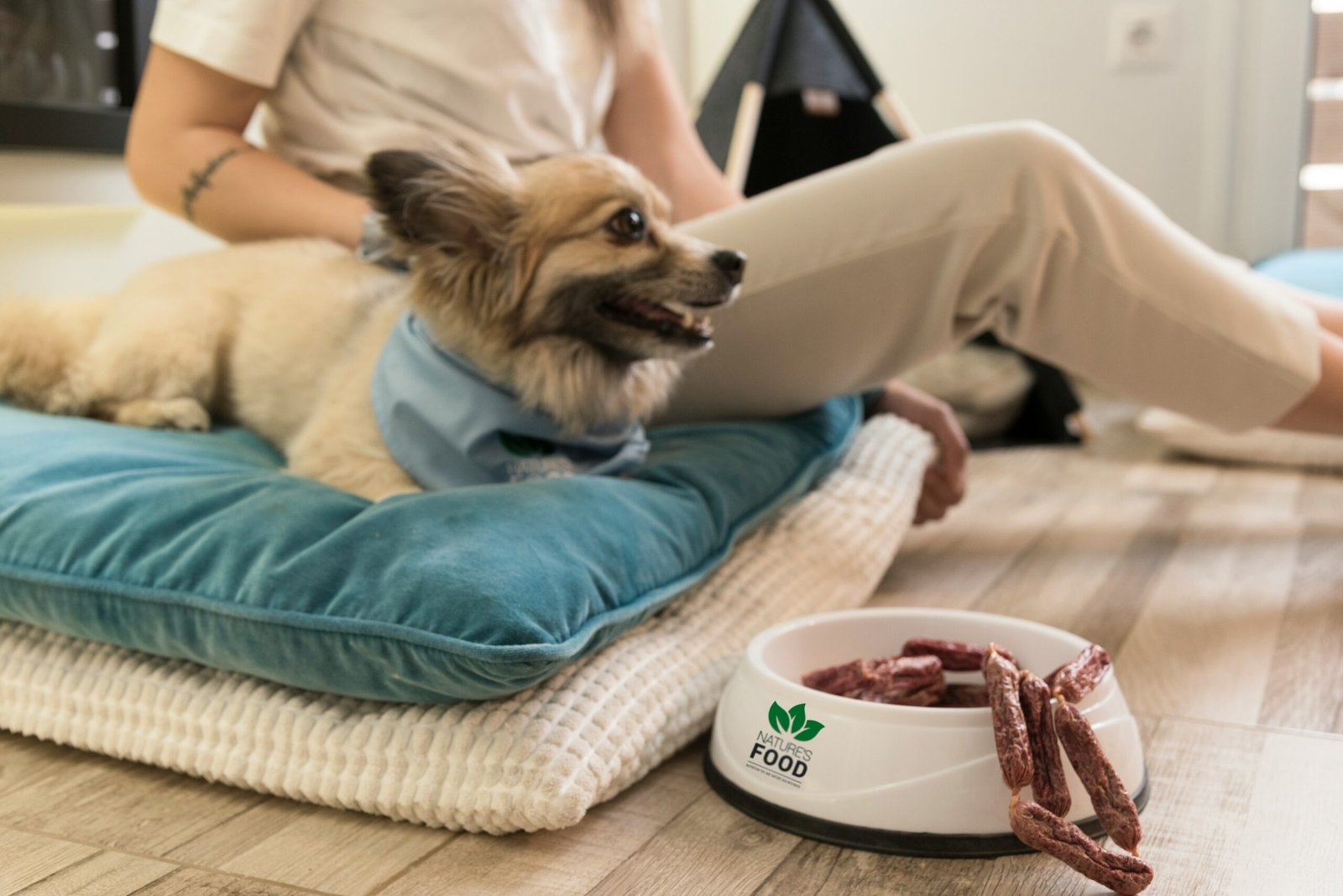
How to Choose the Right Foods to Mix
Not all combinations are equal. The quality of both foods and how well they complement each other determines whether mixed feeding produces better results than either food alone.
Match life stage labels. Both foods should be formulated for senior dogs or for all life stages. Mixing a senior dry food with an adult wet food designed for active dogs can create a calorie and nutrient mismatch that works against what you are trying to achieve. Senior-specific formulas tend to have lower overall calories, higher protein relative to total calories, and often additional joint support ingredients.
Check protein content on both labels. Check protein content on both labels. Senior dogs need more dietary protein to maintain lean muscle mass, not less. The protein percentage on a senior formula should be at or above 25% on a dry matter basis. If one of the foods in your mix is significantly lower, the overall protein intake may be insufficient even if the total calories are correct. For guidance on which senior dry foods meet this threshold, see the guide to best dry dog food for senior dogs.
Look at the ingredient quality of the wet food specifically. Wet food varies more in ingredient quality than dry food. A good senior wet food leads with a named protein source, has a short ingredient list, and does not rely on thickeners and fillers to create its texture. Pate-style wet foods tend to be more nutritionally consistent than chunk-in-gravy formats, which can have significant variation in actual meat content.
Avoid wet foods with high sodium content for senior dogs, particularly those with heart or kidney concerns. Some wet foods, particularly flavoured varieties, contain sodium levels that are appropriate for a healthy young adult dog but not for an older dog with organ function concerns. Check the sodium content on the label if your dog has any relevant health history.
For specific wet food recommendations that work well for senior dogs, see the guide to best wet food for senior dogs.
Storage and Food Safety When Mixing
Wet food introduces storage considerations that dry food alone does not require. Getting this wrong creates a food safety risk that is worth avoiding.
Opened wet food should be refrigerated immediately and used within two to three days. Leaving wet food at room temperature for more than two hours risks bacterial growth. If your dog does not finish a mixed meal, remove the bowl within 30 minutes rather than leaving it out for them to return to.
When serving refrigerated wet food mixed with kibble, bring the wet food to room temperature first or add a small amount of warm water. Cold wet food reduces palatability significantly and is one of the reasons dogs reject mixed meals that they accepted when the food was fresher.
Dry kibble mixed with wet food softens over time. If you prepare mixed meals in advance, the kibble texture changes within an hour. Some dogs prefer this. Others reject the softened texture. Prepare meals fresh unless you know your dog accepts the softer result.
Wet food cans and pouches that are unopened can be stored at room temperature until their expiration date. Once opened, treat them as perishable regardless of what the label says about refrigeration.
Common Mistakes When Mixing Wet and Dry Dog Food
Mixing by volume instead of calories. The most common and consequential mistake. One cup of wet food and one cup of kibble are not equivalent in calories. Always calculate by calorie when determining how much of each food to use.
Switching too quickly. Adding a full portion of wet food to kibble on day one causes digestive upset in most senior dogs. The gradual transition schedule above exists for this reason.
Using different life stage formulas. Mixing a senior dry food with a puppy or all-breed-adult wet food introduces nutrient imbalances. Both foods should be appropriate for a senior dog.
Not adjusting for treat calories. If your dog receives regular treats or dental chews alongside their mixed meals, those calories count toward the daily total. Not accounting for them leads to gradual weight gain even when the meal portions look correct.
Assuming wet food is always lower in calories. Some premium wet foods, particularly grain-free or high-fat formulations, contain significantly more calories per cup than standard wet food. Always check the label rather than assuming.
When Mixed Feeding Is Particularly Recommended for Senior Dogs
There are specific situations where mixed feeding moves from optional to clearly the better approach.
A senior dog with dental disease that is eating kibble reluctantly or with visible discomfort is the clearest candidate. The wet food softens the meal enough to make eating comfortable again without requiring a full dietary switch.
A senior dog with early kidney disease benefits from the increased moisture in wet food, which reduces the concentration of waste products the kidneys need to filter. This is an area where a vet should guide the specific dietary changes, but increased moisture through wet food is generally a positive direction for dogs with kidney concerns.
A senior dog that is losing weight or muscle mass despite adequate food intake may absorb nutrition better from wet food, which requires less digestive processing. Mixing or switching to a higher proportion of wet food can improve nutrient uptake in dogs with compromised digestive efficiency.
A senior dog with a low appetite that is leaving kibble in the bowl consistently needs palatability improvement. Wet food’s stronger aroma typically resolves this without requiring expensive prescription appetite stimulants.
For dogs with sensitive stomachs where both appetite and digestive consistency are concerns, see the guide to best dog food for senior dogs with sensitive stomachs.
FAQ
What is the best ratio of wet to dry food for a senior dog?
There is no single correct ratio. For hydration support, 25% wet food and 75% dry food delivers meaningful moisture without significantly increasing cost. For dental comfort or appetite stimulation, 50/50 tends to produce better results. For weight management using volumetric feeding, a higher wet proportion at the same total calorie count increases meal volume and satiety. Start at 25/75, observe the response, and adjust toward your specific goal.
Can I mix any wet food with any dry food?
The foods should both be appropriate for your dog’s life stage. Beyond that, the main consideration is ingredient quality and calorie density of each. Mixing a high-quality senior kibble with a poor-quality wet food that is primarily water and fillers does not improve the overall diet. Both components should meet a reasonable quality standard on their own.
Will mixing wet and dry food cause digestive problems?
If introduced gradually as described above, most senior dogs tolerate mixed feeding without significant digestive disruption. Dogs with existing digestive sensitivity may need a slower transition. A dog that develops loose stools consistently on a mixed diet, even after a gradual transition, may have a sensitivity to a specific ingredient in the wet food rather than to mixing itself.
Should I mix the foods together or serve them separately?
Mixed together is fine for most dogs and is the most common approach. Some dogs prefer one or the other served separately and will eat around the component they dislike. If your dog is consistently leaving one type in the bowl, serve them separately for a few days to identify which one they are avoiding.
Does mixing wet and dry food affect dental health?
Kibble has minimal dental benefit in reality. The claim that dry food cleans teeth is largely overstated. Most dogs swallow kibble without enough chewing to produce a meaningful cleaning effect. Wet food does not worsen dental health on its own. The primary driver of dental disease in dogs is the absence of mechanical cleaning from brushing or dental chews, not the moisture content of their food.
Can I mix different brands of wet and dry food?
Yes. There is no requirement to use the same brand for both components. The relevant factors are ingredient quality, life stage appropriateness, and calorie density of each, not brand consistency. Mixing a highly rated senior kibble with a well-formulated wet food from a different manufacturer is perfectly reasonable.
Final Thoughts
Mixing wet and dry dog food is genuinely beneficial for most senior dogs, but only when the calorie calculation is done correctly and the transition is handled gradually. The benefits, better hydration, improved palatability, dental comfort, and easier digestion, are real and meaningful for older dogs. The risk, unintentional overfeeding or digestive upset, comes almost entirely from doing it incorrectly rather than from the approach itself.
Start with the calorie calculation before deciding on a ratio. Transition over ten to twelve days. Use foods that are both appropriate for a senior dog. Monitor weight and stool consistency over the following four weeks and adjust from there.
For help choosing which specific foods to use in the mix, the guide to best wet food for senior dogs and the guide to best food for senior dogs cover the options worth considering across both categories.
Sources
American Kennel Club — Wet vs Dry Dog Food
Tufts University Cummings Veterinary Medical Center — Senior Dog Nutrition
VCA Animal Hospitals — Feeding Guidelines for Dogs

Pingback: Best Wet Food For Senior Dogs in 2025 - seniordog-care