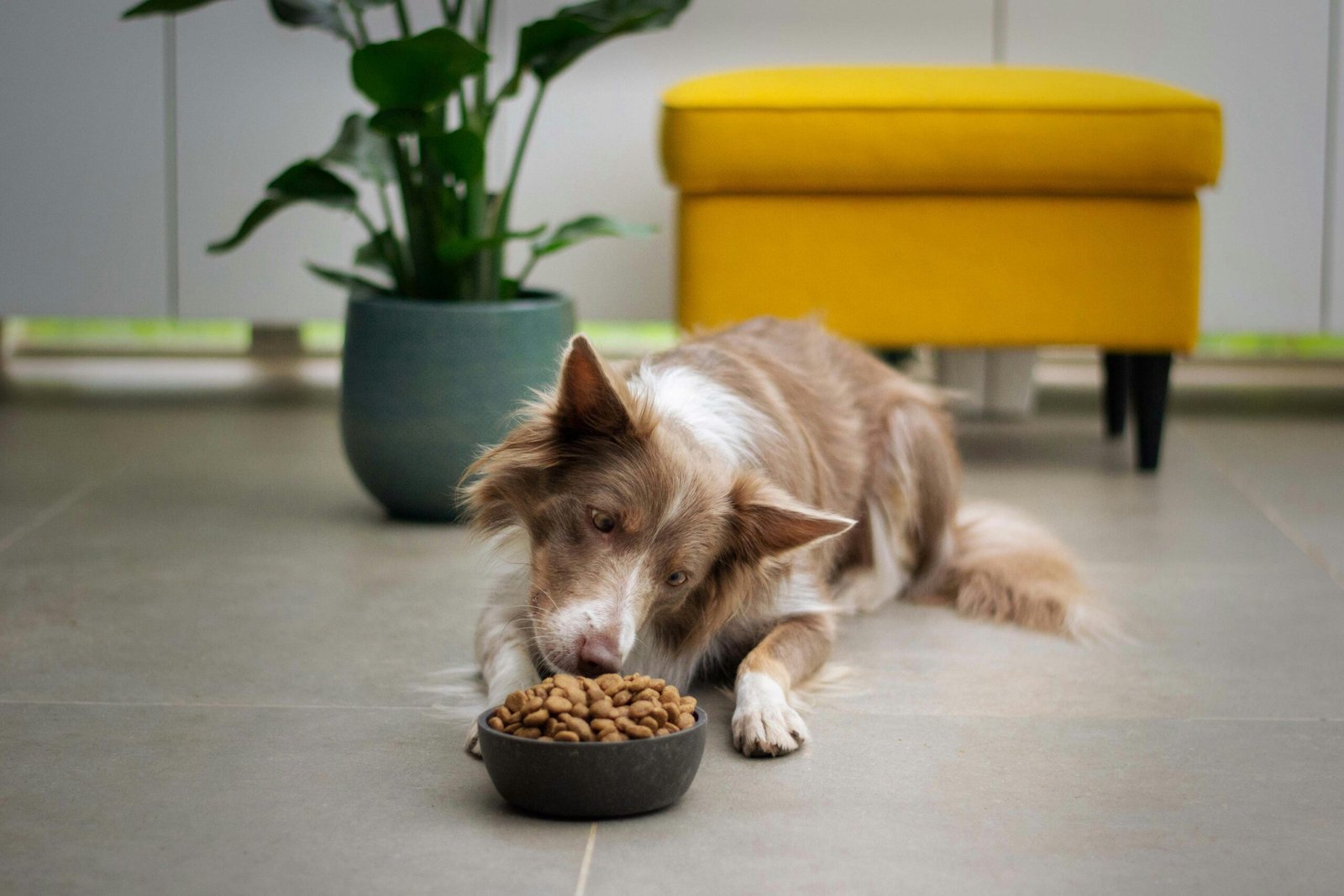
Finding the best grain free senior dog food isn’t just about cutting out wheat or corn. It’s about giving your aging dog the right fuel to stay strong, comfortable, and happy in their golden years.
Many senior dogs develop food sensitivities, digestive issues, or skin problems as they age. For these dogs, switching to a high-quality grain-free formula can make a real difference — less bloating, better coat, more energy, and easier digestion.
But not every grain-free food is created equal. Some use cheap fillers like peas and lentils to replace grains, which can cause their own issues. In this guide, we’ve rounded up the six best grain-free foods specifically formulated for senior dogs — so you can make a confident choice for your pup.
This post may contain affiliate links. If you buy through these links, I may earn a small commission at no extra cost to you. As an Amazon Associate, I earn from qualifying purchases.
Table of Contents
Quick Picks
Not sure where to start. Here is the short version.
Best overall: Wellness CORE Grain-Free Senior — complete nutrition with built-in joint support and calorie control for less active seniors.
Best budget: Blue Buffalo Wilderness Senior — strong ingredient quality without the premium price tag.
Best low-legume option: Orijen Senior Grain-Free — around 85 percent animal ingredients, among the lowest legume content of any grain free formula on this list.
Best short ingredient list: CANIDAE Grain-Free PURE Senior — ten key ingredients, easy to read and easy to manage.
Best with digestive support built in: Merrick Grain-Free Senior — added probiotics and digestive enzymes as part of the formula.
Best raw option: We Feed Raw Freeze-Dried — minimal processing for dogs that do best without kibble.
Quick decision guide:
- Want complete daily nutrition with no complications → Wellness CORE Senior
- On a budget → Blue Buffalo Wilderness Senior
- Concerned about legume content specifically → Orijen Senior
- Prefer the simplest possible ingredient list → CANIDAE PURE Senior
- Want digestive support as part of the food → Merrick Grain-Free Senior
- Dog does best on raw → We Feed Raw Freeze-Dried
If your dog’s real issue is a diagnosed food allergy rather than grains specifically, our guide to the best dog food for senior dogs with allergies is the better starting point. If the issue is ongoing digestive upset without a clear allergy, start with our guide to the best dog food for senior dogs with sensitive stomachs instead.
Why Owners Choose Grain Free for Senior Dogs
There are three genuine reasons an owner ends up looking for grain free senior dog food, and only one of them has anything to do with grains being a problem.
The first is a confirmed or suspected grain sensitivity. This is real but less common than most owners assume. Grains sit well below chicken, beef, dairy and soy on the list of ingredients that actually trigger reactions in dogs.
The second is a general preference for fewer processed carbohydrates, often carried over from how the owner thinks about their own diet. This is a personal choice rather than a medical one, and there is nothing wrong with it as long as the replacement carbohydrates are handled sensibly.
The third is joint and mobility support, since many grain free senior formulas are built with added glucosamine and chondroitin as standard. In this case, the grain free label is really acting as a marker for a more premium, senior-specific formula rather than the grain removal itself doing the work.
Knowing which of these three reasons applies to your dog changes what you should actually be looking for on the label, which is covered next.
What to Look for in Grain Free Senior Dog Food
Animal protein as the first ingredient. Look for deboned chicken, turkey, salmon or lamb listed first, not a generic meat meal or by-product. This matters more for senior dogs, who need more accessible amino acids to maintain muscle mass as they age.
A sensible legume position. Grain free formulas need a carbohydrate replacement, and peas, lentils and chickpeas are common choices. A small amount low on the ingredient list is normal. A formula where legumes appear among the first three or four ingredients is worth more scrutiny, particularly given the ongoing DCM research covered later in this guide.
Added glucosamine and chondroitin. Senior dogs benefit from joint support regardless of what else is in the food. Confirm the formula lists actual amounts rather than relying on the word senior on the front of the bag.
Omega-3 fatty acids. From fish oil or flaxseed, these support skin, coat and joint health, and reduce general inflammation, which matters more as dogs age.
No unnecessary additives. Artificial preservatives such as BHA, BHT and ethoxyquin add nothing nutritionally and are worth avoiding when a cleaner alternative exists at a similar price.
Calorie density matched to activity level. Senior dogs typically need twenty to thirty percent fewer calories than adult dogs. A grain free formula built for younger, active dogs can lead to steady weight gain in an older, less active one.

Top 6 Best Grain Free Senior Dog Foods (2026)
1. Wellness CORE Grain-Free Senior
Wellness CORE Senior starts with deboned turkey and chicken, giving senior dogs accessible protein for maintaining muscle mass. Guaranteed levels of glucosamine and chondroitin are built into the formula rather than added as an afterthought, and the calorie profile is controlled for dogs that are noticeably less active than they used to be. No corn, wheat, soy or artificial preservatives.
Verdict: the most complete, no-complications option on this list, and the right starting point for most senior dogs going grain free.
Pros:
- Deboned turkey and chicken as primary proteins
- Guaranteed glucosamine and chondroitin
- Calorie-controlled for lower activity levels
- Omega fatty acids for coat and joint health
- No artificial additives
Cons:
- Contains lentils and peas, not ideal for legume-sensitive dogs
- Not a limited ingredient formula
- Some dogs take a few days to adjust to the taste
Who should NOT buy this: dogs with a diagnosed legume sensitivity, or owners who want the simplest possible ingredient list. CANIDAE PURE Senior fits both cases better.
Best for: most senior dogs needing complete daily nutrition with joint support included.
2. Blue Buffalo Wilderness Senior
Real deboned chicken leads the ingredient list, backed by Blue Buffalo’s LifeSource Bits, a separate blend of antioxidants and vitamins added to the kibble. Glucosamine and chondroitin are included for joint support, and the price sits noticeably below the premium tier without a real drop in ingredient quality.
Verdict: the strongest budget pick, delivering most of what the premium options offer at a more sustainable long-term price.
Pros:
- Real deboned chicken as first ingredient
- LifeSource Bits for antioxidant support
- Glucosamine and chondroitin included
- No artificial preservatives
- Widely available
Cons:
- Contains peas and tapioca starch
- LifeSource Bits are a separate kibble piece, and some dogs pick around them
- Not suitable for chicken-sensitive dogs
Who should NOT buy this: dogs with a chicken allergy. A salmon-based formula is a better fit in that case.
Best for: budget-conscious owners who still want reliable grain free nutrition.
3. Orijen Senior Grain-Free
Orijen takes a different approach entirely. Around 85 percent of the formula is animal ingredients, including free-run chicken and turkey, wild-caught fish and cage-free eggs, with vegetables, fruits and botanicals making up the rest. This keeps legume content noticeably lower than most grain free competitors, which matters if the DCM research covered below is a factor in your decision.
Verdict: the best choice for owners who want the lowest legume content available alongside genuinely premium ingredient quality.
Pros:
- Around 85 percent animal ingredients
- Comparatively low legume content for a grain free formula
- Natural glucosamine from whole prey ingredients
- No synthetic preservatives, colours or flavours
- Strong palatability, including for picky eaters
Cons:
- Significantly more expensive than other options on this list
- High protein content may not suit dogs with kidney issues
- Rich formula, so a slower transition is worth it
Who should NOT buy this: dogs with kidney disease or those on a vet-restricted protein diet. Speak to your vet before switching.
Best for: owners prioritising low legume content and ingredient quality, and willing to pay for it.
4. CANIDAE Grain-Free PURE Senior
CANIDAE PURE keeps the formula to just ten key ingredients, with real chicken first and sweet potato and garbanzo beans providing digestible energy. The short list makes it easy to read the label and know exactly what your dog is eating, which is useful even outside of allergy management.
Verdict: the simplest, most transparent ingredient list on this list, at a reasonable mid-range price.
Pros:
- Only ten key ingredients
- Real chicken as first ingredient
- Meets AAFCO nutritional standards for seniors
- Glucosamine included for joint support
- No corn, wheat or soy
Cons:
- Contains garbanzo beans, a legume worth noting given the DCM research
- Less nutritional variety than a broader formula
- More expensive than Blue Buffalo Wilderness
Who should NOT buy this: dogs with a diagnosed food allergy needing a specific protein strategy. Our allergies guide covers that in more depth.
Best for: owners who want a short, easy-to-understand ingredient list without the complexity of a full elimination diet.
5. Merrick Grain-Free Senior
Merrick pairs real deboned chicken with sweet potato and adds probiotics and digestive enzymes directly into the formula, a feature most competitors leave out. Glucosamine and chondroitin cover joint support, and the food is made in the USA with locally sourced ingredients.
Verdict: a strong all-round option, with the added digestive support making it a comfortable everyday choice.
Pros:
- Real deboned chicken as first ingredient
- Added probiotics and digestive enzymes
- Sweet potato as an easily digestible carbohydrate
- Glucosamine and chondroitin included
- Made in the USA
Cons:
- Contains peas
- Priced above Blue Buffalo Wilderness
- Some dogs find the texture rich
Who should NOT buy this: dogs with ongoing digestive issues as their main concern rather than grains specifically. Our sensitive stomach guide is built around that need directly.
Best for: senior dogs that benefit from added digestive support alongside a grain free formula.
6. We Feed Raw Freeze-Dried
We Feed Raw offers a freeze-dried raw option built around high-quality animal proteins, organs and bones, with no grains, gluten or artificial additives at any point in the formula. It is shelf-stable and only needs rehydrating with water before serving.
Verdict: the right choice for dogs that genuinely do better on raw feeding and have not thrived on kibble, grain free or otherwise.
Pros:
- Raw nutrition without the mess of fresh raw food
- High bioavailability
- No fillers or artificial additives
- Easy to serve, just add water
- Strong palatability for picky eaters
Cons:
- Considerably more expensive per serving than kibble
- Requires rehydration
- Transition should be done slowly
Who should NOT buy this: dogs with a compromised immune system, without a prior conversation with your vet.
Best for: senior dogs that have not done well on kibble in any form.
Comparison Table
| Product | Form | Best For | Key Feature | Price |
|---|---|---|---|---|
| Wellness CORE Grain-Free Senior | Dry kibble | Overall daily nutrition | Glucosamine + chondroitin, calorie-controlled | $$ |
| Blue Buffalo Wilderness Senior | Dry kibble | Budget-friendly quality | LifeSource Bits, deboned chicken | $$ |
| Orijen Senior Grain-Free | Dry kibble | Premium ingredient quality | 85% animal ingredients, freeze-dried coating | $$$$ |
| Merrick Grain-Free Senior | Dry kibble | Sensitive stomachs | Added probiotics + digestive enzymes | $$$ |
| CANIDAE Grain-Free PURE Senior | Dry kibble | Food allergies | Only 10 ingredients | $$$ |
| We Feed Raw Freeze-Dried | Freeze-dried raw | Raw diet preference | Raw nutrition, shelf-stable | $$$$ |

Grain Free and the DCM Question
Any grain free senior dog food guide that ignores dilated cardiomyopathy, usually shortened to DCM, is leaving out the one thing every careful owner eventually asks about.
The FDA opened an investigation into a possible link between certain grain free diets and DCM in dogs, particularly formulas high in peas, lentils or other legumes used as a main ingredient. The research remains ongoing, and the FDA itself has been clear that a direct causal link has not been established. What is known is that legume-heavy formulas were disproportionately represented among the reported cases, which is why legume position on the ingredient list is worth paying attention to rather than dismissing.
This does not mean grain free food is unsafe. It means the formulas with a heavy legume presence, particularly as a primary ingredient rather than a minor addition, deserve a closer look if DCM is a concern for you, especially in breeds already known to carry a higher genetic risk, such as Golden Retrievers and Doberman Pinschers. If this is a significant worry, formulas with lower legume content, such as Orijen, or feeding a formula that includes some grain, are both reasonable options worth discussing with your vet.
How to Switch Your Senior Dog to Grain Free Food
Switching too quickly is the most common way owners undermine an otherwise good choice. Senior dogs have less digestive tolerance for sudden change, and a rushed switch can produce symptoms that look like the new food failing when it is really just the speed of the transition.
Move gradually over seven to ten days:
- Days 1 to 3: seventy five percent old food, twenty five percent new food
- Days 4 to 6: fifty percent old food, fifty percent new food
- Days 7 to 9: twenty five percent old food, seventy five percent new food
- Day 10 onward: one hundred percent new food
Watch for loose stools, vomiting or a drop in appetite during the transition. If any of these appear, slow the schedule down rather than pushing through it, and give your dog’s system the extra time it needs to adjust.
FAQ
Is grain free food better for senior dogs?
Not automatically. It helps dogs with a genuine grain sensitivity or those who benefit from the added joint support common in grain free senior formulas. A dog with no grain-related issue can do perfectly well on a quality formula that includes wholesome grains such as brown rice or oats.
Can grain free dog food cause heart problems?
The FDA has investigated a possible link between certain grain free diets, particularly those high in legumes, and DCM in dogs. The research is ongoing and has not established a confirmed causal link. If this concerns you, choose a lower-legume formula and discuss it with your vet.
How much should I feed my senior dog on grain free food?
Start with the feeding guidelines on the packaging, then adjust for your dog’s weight and activity level. Senior dogs typically need twenty to thirty percent fewer calories than adult dogs, so monitor weight monthly and adjust portions from there.
What ingredients should I avoid in grain free senior dog food?
Artificial preservatives such as BHA, BHT and ethoxyquin, meat by-products listed as the primary protein, and formulas where legumes or potatoes dominate the first few ingredients.
At what age is a dog considered senior?
Generally around ten to twelve for small breeds, eight to ten for medium breeds, six to seven for large breeds, and as early as five for giant breeds such as Great Danes.
How do I know if grain free food is actually working?
Look for improved coat condition, less scratching, firmer stools, steadier energy and reduced gas within four to eight weeks. If nothing changes in that window, the issue may not be grain-related at all, and it is worth reconsidering whether allergies or digestion are the real cause.
Final Thoughts
The best grain free senior dog food depends far more on why you are making the switch than on any single product on this list. Wellness CORE Grain-Free Senior remains the strongest all-round choice for most dogs. Orijen is the right call if legume content and the DCM research matter to your decision specifically. Blue Buffalo Wilderness delivers most of the same benefits at a lower price.
Whatever you choose, consistency matters more than the specific brand. Pick a formula that fits your dog’s actual needs, not just the grain free label, and give it enough time to show whether it is genuinely making a difference.
Sources
https://pubmed.ncbi.nlm.nih.gov/31304970/
https://www.akc.org/expert-advice/nutrition/grain-free-dog-food/
https://www.avma.org/resources-tools/animal-health-and-welfare/dilated-cardiomyopathy-dogs
Pingback: Best Hypoallergenic Dog Food for Senior Dogs with Allergies (2025 Update)
Pingback: Senior Dog Nutrition 101: The Complete Feeding Guide - seniordog-care