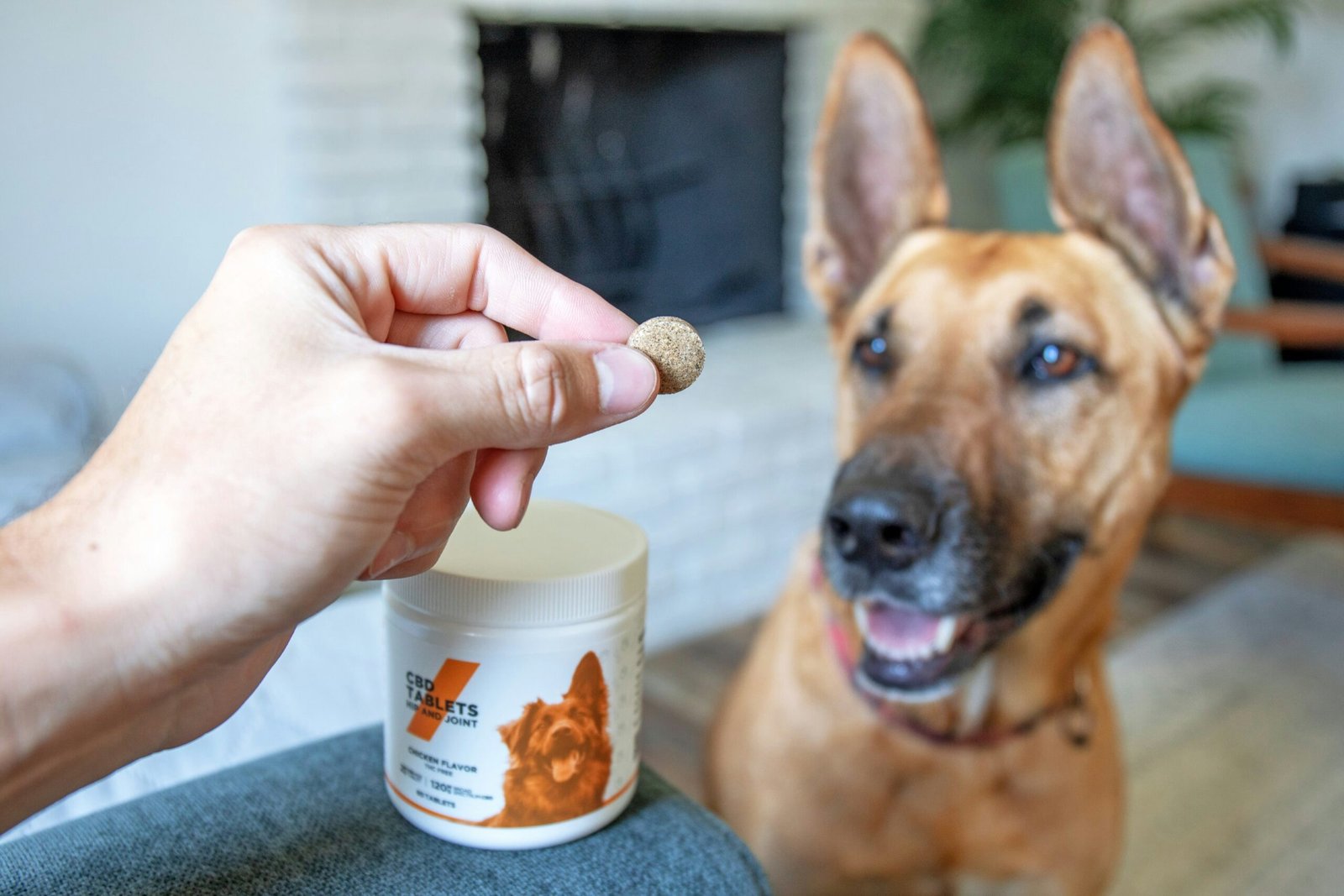
Supplements for senior dogs work best when you know what your dog actually needs. That sounds obvious, but most owners skip that step entirely. They buy something with a good label, give it for a few weeks, and wonder why nothing changed. The problem is not the supplement. It is that joint chews do nothing for a dog whose main issue is digestion, and probiotics do nothing for a dog that is struggling with pain.
As dogs age, the body changes in predictable ways. Joints wear down. The gut becomes less efficient. The immune system weakens. Cognitive function slows. Each of these problems responds to different nutrients, and a product that combines everything into one formula rarely does any of them well enough to make a real difference.
This guide breaks down the five main categories of supplements for senior dogs, what each one actually does, and which spoke articles cover each topic in full detail. If you know what your dog is struggling with, you will find the right starting point here.
This post may contain affiliate links. If you buy through these links, I may earn a small commission at no extra cost to you. As an Amazon Associate, I earn from qualifying purchases.
Table of Contents
Why Aging Dogs Need More Than Food Alone
A good senior dog diet covers the basics. It does not cover everything.
The reality is that older dogs absorb nutrients less efficiently than younger ones. The gut becomes less effective at extracting what the body needs from food, even when the food itself is high quality. On top of that, an aging dog’s joints, immune system, and brain all have higher demands than a healthy young dog’s body does. Food fills the foundation. Supplements address the gaps that food alone cannot close at the right concentration.
The other factor is that joint cartilage does not regenerate well on its own. Once a dog loses cartilage, the body cannot rebuild it from diet alone at a meaningful rate. Glucosamine, chondroitin, and MSM give the body the raw materials to slow that deterioration and reduce the inflammation around it. That is not something a bowl of kibble provides in useful amounts, regardless of how good the formula is.
Sleep also plays a bigger role than most owners realize. A dog sleeping on failing joints wakes up stiff, moves less during the day, and declines faster. The right supplements support recovery during sleep, which is when the body does most of its repair work. Getting the nutrition right is part of making that recovery possible.
Which supplements should your dog take? What Supplements Do Senior Dogs Need? (2026 Guide)
The Five Categories of Supplements for Senior Dogs
Joint Support
Joint problems are the most common reason senior dogs slow down. Stiff mornings, hesitation on stairs, shorter walks, reluctance to jump: these are the early signs. They tend to appear gradually, which means a lot of owners miss them until the dog is already in significant discomfort.
Joint supplements work by supplying glucosamine and chondroitin to support cartilage, MSM to reduce inflammation, and in better formulas, omega-3 fatty acids and green-lipped mussel extract to address the underlying inflammatory process. The results are not instant. Most dogs need four to eight weeks of consistent use before the difference becomes visible in how they move.
This is also the category where quality matters most. Cheap joint supplements often use low doses of active ingredients that fall below the threshold where they actually do anything. The label says glucosamine. The amount is not enough to matter.
For a list of the best joint supplements and product comparisons, read the dedicated article: Best Joint Supplements for Senior Dogs (Top 6)
Multivitamins
A senior dog multivitamin acts as daily insurance. As a dog ages and nutrient absorption declines, gaps can appear even on a well-balanced diet. B vitamins, vitamin D, vitamin E, and antioxidants like selenium and CoQ10 all become harder to obtain in sufficient amounts from food alone.
The honest case for multivitamins is not dramatic. You will not see a sudden transformation. What you get is consistent baseline support across immune function, energy metabolism, heart health, and cognitive function. It is the kind of supplement that works best when started early and given consistently over months.
One thing to check before buying: if your dog already takes a joint supplement or an omega-3 product, look at what is already in those formulas. Doubling up on fat-soluble vitamins like A, D, and E is something to avoid, particularly at higher doses over time.
For product comparisons and what to look for on the label: Best Multivitamin for Senior Dogs
Digestive Supplements
Digestive problems in senior dogs are more common than most owners expect, and they are often misread. Loose stools, inconsistent appetite, gas, and low energy can all trace back to a gut microbiome that has become less balanced with age. Probiotics restore that balance. Digestive enzymes help the gut break down food more completely, which improves nutrient absorption across the board.
When digestion improves, other things tend to improve with it. Energy levels stabilize. Coat condition often gets better. Some dogs eat more consistently. The gut affects more systems than people usually credit it for.
The one thing to keep in mind is that probiotic quality varies enormously. Single-strain products with low CFU counts rarely do much. What works for senior dogs is a multi-strain formula with a meaningful colony count, ideally with prebiotic fiber included to support the bacterial cultures once they reach the gut.
For the full breakdown: Best Digestive Supplements for Senior Dogs
Coat and Skin Supplements
Dry skin, increased shedding, and a dull coat in an older dog are usually a sign of one of two things: an omega-3 deficiency or an inflammatory process underneath the surface. Omega-3 fatty acids, particularly EPA and DHA from fish oil, address both.
EPA reduces systemic inflammation. DHA supports brain and nervous system function. The skin and coat benefits are a visible indicator that the supplement is doing its job, but the more important work is happening internally. Dogs on consistent omega-3 supplementation often show improvements in joint comfort and cognitive sharpness alongside the coat changes, because the same anti-inflammatory pathway affects all of those systems.
Fish oil and krill oil are the two most bioavailable sources. Plant-based omega-3 supplements using ALA convert poorly in dogs and are not a useful substitute.
CBD Supplements
CBD sits in a different category from the others. It does not supply nutrients the body is missing. It works by interacting with the endocannabinoid system to modulate pain signaling, reduce inflammation, and in many dogs, lower anxiety and improve rest.
For senior dogs dealing with chronic joint pain, CBD is one of the more consistently useful options. The caveat is that quality varies more in this category than in any other. THC-free, third-party tested products from brands that publish their certificates of analysis are the only ones worth considering. The dosing also matters more here than with vitamins: too little does nothing, and the effective dose varies by the dog’s weight and the severity of what you are treating.
For product recommendations and dosing guidance: Best CBD oil for Senior Dogs

How to Match the Supplement to the Dog
The mistake most owners make is buying a supplement based on the product rather than the dog. A bottle with good marketing and five stars gets added to the cart without any clear reason why that specific product fits that specific dog.
The more useful approach is to start with what you are observing. A dog that struggles to get up in the morning, moves stiffly for the first ten minutes after waking, or avoids stairs needs joint support first. A dog with inconsistent stools, poor appetite, or low energy despite eating well needs digestive support first. A dog with a dull coat and dry flaky skin needs omega-3 support first.
Once you identify the primary problem, start with one supplement. Give it consistently for six to eight weeks before adding anything else. That timeline is long enough to see a real response and short enough that you are not waiting indefinitely. If the primary problem improves, then consider adding a second supplement for a secondary issue.
Adding everything at once makes it impossible to know what is working, and in some cases it leads to digestive upset that gets mistakenly blamed on the wrong product.
For a full guide on this process: How to Choose Dog Supplements the Right Way
What to Look for on the Label
Not all supplements are equal and the label is where the real information is, if you know what to look for.
The first thing to check is the active ingredient amounts. A joint supplement that lists glucosamine without specifying the milligrams per serving is not worth buying. The clinically studied dose for glucosamine in dogs is roughly 500 to 1,000 mg per day depending on body weight. If the product does not disclose the amount, assume it is below threshold.
The second thing is the inactive ingredients. Artificial colors, artificial flavors, and unnecessary fillers do not improve the supplement and in sensitive dogs they can cause digestive issues. A cleaner formula with fewer additives is almost always the better choice.
Third-party testing matters more in the supplement industry than in almost any other product category because there is no mandatory pre-market approval process. Brands that publish certificates of analysis from independent labs are showing you the actual content and purity of what is in the product. Brands that do not are asking you to take their word for it.
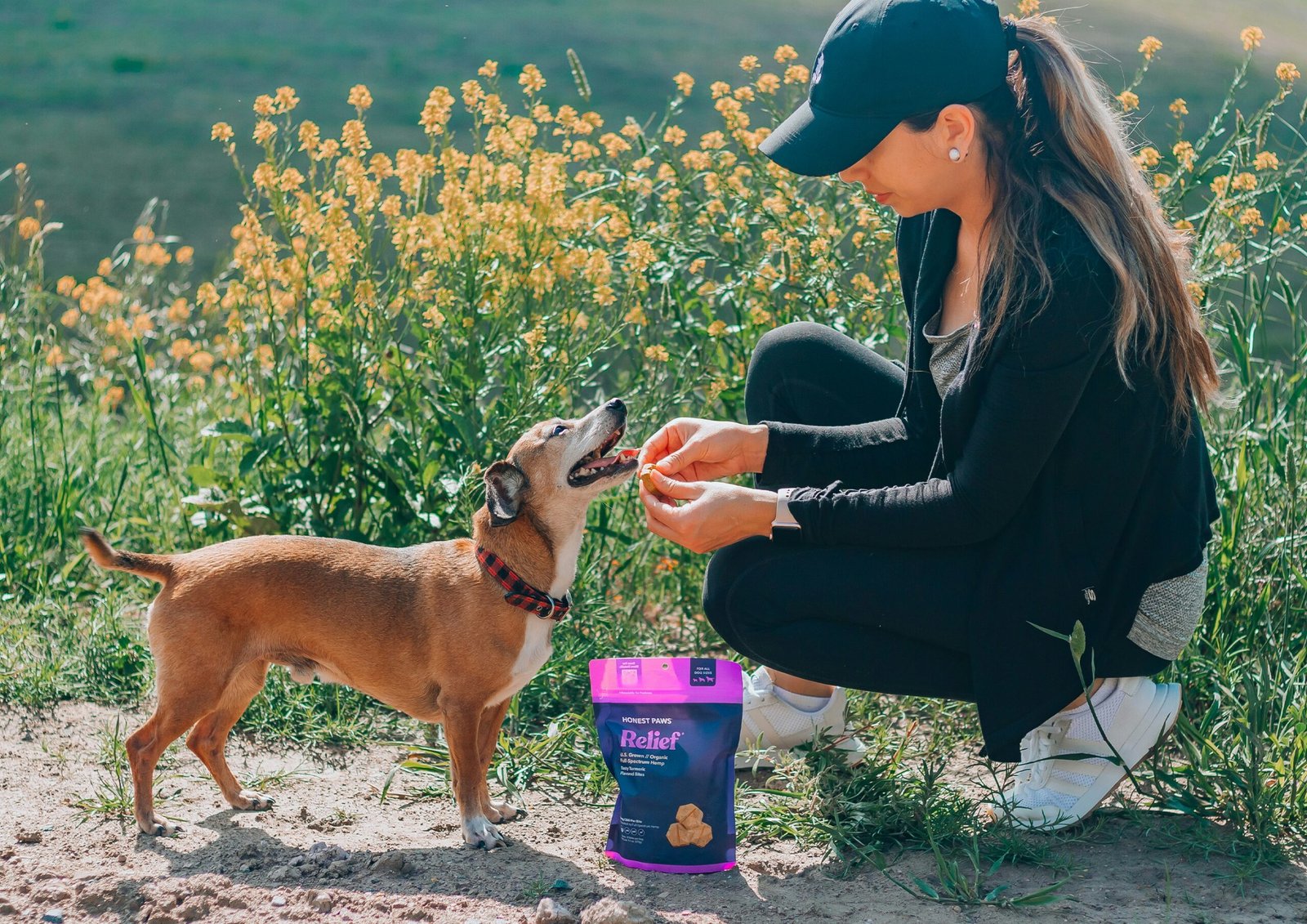
Trusted brands that consistently meet these standards include Innovet Pets, King Kanine, and Honest Paws.
Comparison Table
| Supplement Category | Top Benefits | Best For | Format | Shop here |
|---|---|---|---|---|
| Joint Support | Mobility, comfort, reduced stiffness | Senior dogs with arthritis | Chews / Soft chews | Vet-formulated joint chews from Innovet Pets |
| Multivitamin | Overall health + immunity | Aging dogs with nutrient gaps | Chews / Tablets | Multivitamin formulas at Innovet Pets |
| Digestive Support | Digestive balance, firmer stools | Sensitive stomachs | Chews | Digestive supplements from Honest Paws |
| Coat & Skin Health | Shinier coat, less itching | Dogs with dry skin | Soft chews / Liquids | Skin & coat formulas from Innovet Pets |
| CBD Pain Relief | Pain relief, calmness | Dogs with chronic pain/anxiety | Oils / Treats | CBD oil for dogs on Honest Paws / CBD dog supplements from Nuleaf Naturals |
FAQ
When should I start giving my senior dog supplements?
Earlier is better for most categories. Joint supplements are most effective when started before significant cartilage damage has occurred, which in large breeds often means starting at seven or eight years old rather than waiting for visible stiffness. Multivitamins can be started at any point. CBD and digestive supplements are typically introduced in response to a specific problem rather than preventatively. Signs of Dementia in Senior Dogs – seniordog-care
Can I give my senior dog multiple supplements at once?
You can, but it is better to introduce them one at a time. Start with the supplement that addresses your dog’s primary problem, give it six to eight weeks, then add a second one if needed. This tells you what is working and avoids digestive upset from multiple new products at once.
How long before I see results?
Joint supplements typically take four to eight weeks for noticeable mobility improvement. Digestive supplements work faster, usually one to three weeks. Omega-3s show visible coat changes in four to six weeks, with internal benefits building over a longer period. CBD tends to show effects within two to four weeks for pain and anxiety.
Are supplements a replacement for vet care?
No. Supplements support health and manage symptoms. They do not treat underlying conditions, and they do not replace a veterinary diagnosis. If your dog is showing significant changes in mobility, appetite, or behavior, a vet visit should come before a supplement purchase.
Do I need to give supplements forever?
For chronic issues like joint degeneration, yes. The underlying condition does not resolve, so consistent supplementation is what maintains the benefit. For acute digestive issues, probiotics can sometimes be cycled rather than given permanently. Your vet is the right person to advise on long-term protocols for your specific dog.
Final Thoughts
Supplements for senior dogs are most useful when matched to what the dog actually needs. Joint support, digestive health, omega-3s, multivitamins, and CBD each address different parts of aging, and none of them do the other’s job.
Start with the problem your dog is showing. Pick the supplement category that fits it. Give it consistently and long enough to see a real response. Then decide whether to add anything else.
The spoke articles below cover each category in full detail with specific product recommendations, dosing guidance, and what to avoid:
- How to Introduce Dog Supplements Safely
- Best Multivitamin for Senior Dogs
- Best Digestive Supplements for Senior Dogs
- Best Supplements for Senior Dogs with Arthritis
- How to Choose Dog Supplements the Right Way
- Joint Supplements for Senior Dogs: What Works & Why
Sources
- https://lolahemp.com/blogs/success-stories/juno
- https://www.innovetpet.com/collections/dog-supplements
- https://www.kingkanine.com/collections/king-kalm
- https://nuleafnaturals.com/product/pet-cbd-oil/
- https://www.akc.org/expert-advice/nutrition/senior-dog-nutrition-tips/
- https://www.petmd.com/dog/nutrition/evr_dg_senior_dog_nutrition_tips
- https://www.vet.cornell.edu/departments-centers-and-institutes/cornell-feline-health-center/health-information/health-topics/senior-dog-health
- Why supplements help senior dogs – PetMD
- Best natural supplements for senior dogs (vet guide) – Ask A Vet
- Demographic factors associated with joint supplement use in dogs – The Dog Aging Project
- 11 Best Joint Supplements for Dogs – The Spruce Pets
- Joint Supplements For Senior Dogs – IHeartDogs

Pingback: Which Supplements Does Your Senior Dog Really Need? - seniordog-care
Pingback: Best Joint Supplements for Senior Dogs: Vet-Approved Picks for Pain Relief & Mobility
Pingback: Top 10 Best Joint Supplements for Senior Dogs (Vet Recommended 2025)
Pingback: Best Multivitamin For Senior Dogs + Top Picks 2025
Pingback: Top 8 Best Senior Dog Multivitamins 2025 - seniordog-care
Pingback: Best Hip and Joint Supplements for Senior Dogs (Top 10)
Pingback: Top 7 Best Digestive Supplements for Older Dogs: Keep Your Senior Pup Happy and Healthy - seniordog-care
Pingback: Top 7 Best Hip & Joint Supplements for Senior Dogs
Pingback: Natural vs Synthetic Dog Supplements - seniordog-care
Pingback: Top 6 Supplements for Dogs with Arthritis - seniordog-care
Pingback: The Impact of Aging on Dog Joints: Prevention and Support for Senior Dogs
Pingback: How to Combine Your Dogs Diet with Supplements
Pingback: Best Bladder Control Supplements for Senior Dogs (2026 Vet-Approved Guide)
Pingback: Best Digestive Supplements for Senior Dogs (Top 5)
Pingback: How to Choose Dog Supplements the Right way (2026 guide)
Pingback: Signs of Arthritis in Dogs – How to Recognize It Early
Pingback: Multivitamin vs Specific Senior Dog Supplements: Which Does Your Dog Actually Need?
Pingback: Best CBD Oil for Senior Dogs (Top 6) - seniordog-care
Pingback: Best Pain Relief Chews for Senior Dogs (Top 8) - seniordog-care
Pingback: Signs of Dementia in Senior Dogs - seniordog-care
Pingback: Best Mobility Aids for Senior Dogs - seniordog-care