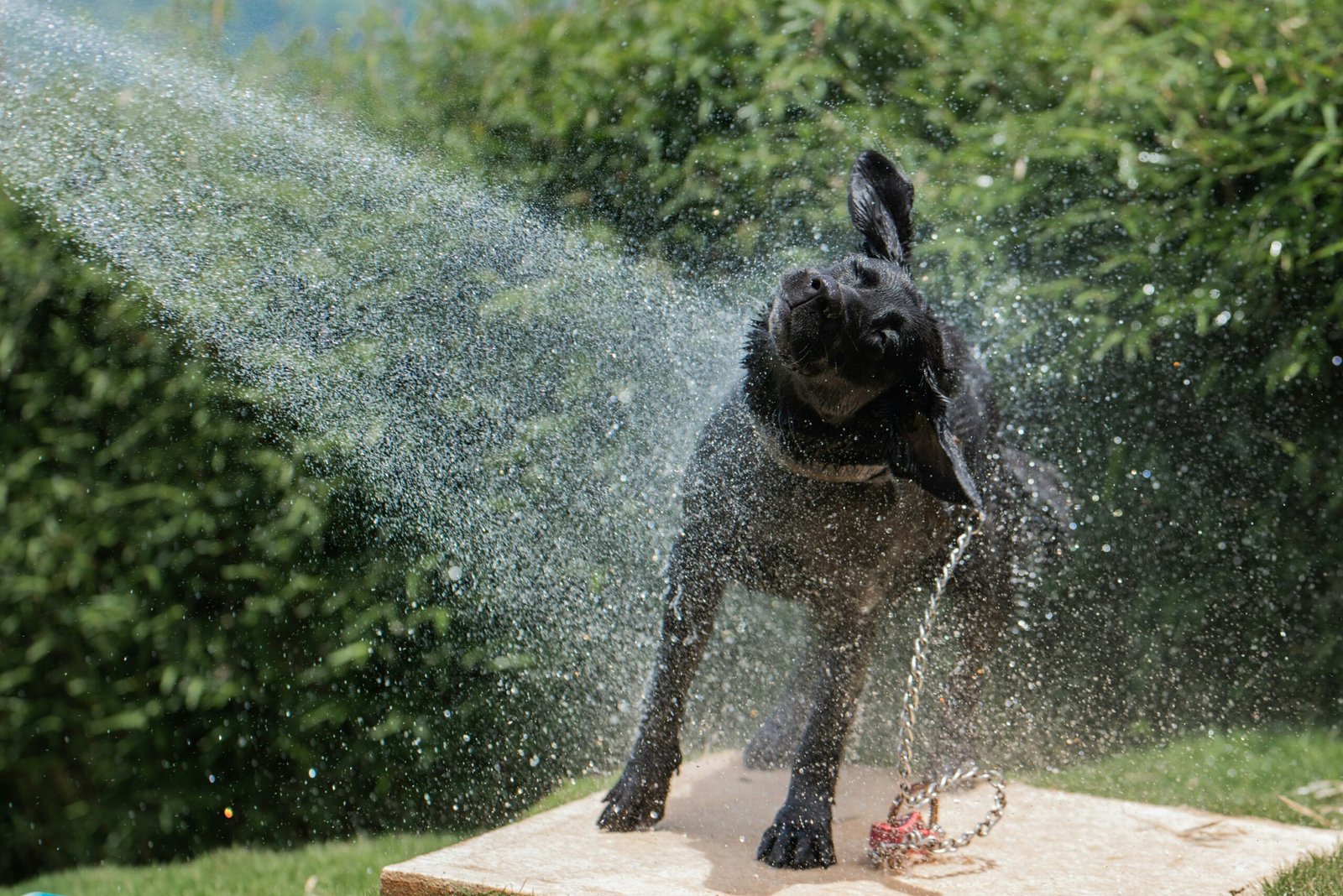
Knowing how to keep a senior dog cool in summer requires more active management than most owners realise, because older dogs lose the ability to regulate their body temperature as efficiently as they once did. A younger dog pants hard and recovers quickly. A senior dog pants hard and keeps struggling long after you have moved to the shade. The difference is not always visible until the situation is already serious.
A lot of owners notice the signs too late, not because they were careless, but because the early signals are easy to dismiss. More panting, less movement, staying in the shade. These look like normal lazy summer behaviour. They are not. They are your dog telling you the heat is winning.
Table of Contents
Why Senior Dogs Struggle to Stay Cool in Summer
Dogs cool themselves almost entirely through panting. When a dog pants, moisture evaporates from the tongue and the lining of the lungs, which draws heat away from the body. It is not a particularly efficient system compared to sweating, but it works well enough for a healthy young dog.
For a senior dog, several things work against this process at the same time. The respiratory system becomes less efficient with age, so panting produces less cooling effect per breath. Muscle mass decreases, which reduces the body’s ability to manage heat distribution. Underlying conditions that are common in older dogs, such as heart disease, kidney disease, obesity and arthritis, all place additional strain on a body that is already working harder in the heat.
Brachycephalic breeds such as Bulldogs, Pugs and Boxers face an additional problem. Their shortened airways already restrict airflow at rest, and in heat that restriction becomes dangerous much faster than it would in a dog with a normal snout.
The result is that a senior dog can reach a dangerous internal temperature during the kind of afternoon heat that a younger dog would handle without any visible difficulty. The threshold is lower, and the warning window before things become serious is shorter.
Warning Signs Your Senior Dog Is Too Hot
Knowing what to look for is the most practical thing you can do before summer arrives. By the time a dog is visibly distressed, the situation has already been developing for longer than most owners assume.
The early signs are heavy panting that does not match the level of activity, seeking shade or cool floor surfaces, reduced movement and reluctance to walk, and placing the paws in water or on cool tiles. These are the signals your dog is trying to cool down and finding it difficult. They are not cause for immediate panic, but they are cause for immediate action. Move the dog to a cooler environment and offer water.
The later signs indicate heat exhaustion and require urgent intervention: excessive drooling, bright red or pale gums, vomiting, disorientation, weakness in the hindquarters and collapse. At this stage the dog needs to be cooled down immediately and seen by a vet as soon as possible.
One distinction matters here. Heat exhaustion is the body struggling to cope with heat. Heatstroke is the body failing to cope. Heatstroke causes organ damage and can be fatal. The difference between the two is often a matter of minutes and whether the owner recognised the early signs and acted on them. Signs of Overheating in Senior Dogs – seniordog-care
How to Keep a Senior Dog Cool Indoors
The most reliable way to protect a senior dog in summer is to manage the indoor environment well, because that is where the dog spends most of its time. Best Cooling Products for Senior Dogs – seniordog-care
Air conditioning is the most effective option if you have access to it. A room kept below 24 degrees Celsius gives an older dog a genuine recovery environment during the hottest parts of the day. If air conditioning is not available, a fan pointed at floor level creates enough airflow to make a meaningful difference. Dogs rest low, so a fan positioned at human height does less than most owners think.
The sleeping surface matters more in summer than owners typically consider. A dog lying on a warm carpet or a thick padded bed in a warm room has no way to shed body heat from below. An elevated bed lifts the dog off the floor and allows air to circulate underneath, which changes this significantly. If you are using an orthopedic bed for your senior dog’s joints, check whether it is designed to allow airflow, because not all of them are. This guide to the best orthopedic dog beds for senior dogs covers which options work well in warmer conditions.
Fresh water needs to be available in multiple places and refilled regularly. Water that has been sitting in a warm room for several hours is less appealing and less effective. Adding ice to the bowl is a simple way to keep it cool longer, and most dogs respond well to it.
How to Keep a Senior Dog Cool During Walks and Exercise
Movement is important for a senior dog’s joint health, muscle maintenance and mental wellbeing. Stopping walks entirely because of summer heat is not the right answer. Adjusting them is.
The rule is simple: walk when the pavement is cool enough to hold the back of your hand against for seven seconds without discomfort. If you cannot do that, the surface is too hot for your dog’s paws. In practice this means walking before 9 in the morning or after 7 in the evening during peak summer months. Midday and early afternoon walks should be avoided entirely for senior dogs.
Shorter, more frequent outings are better than one long walk in the heat. A senior dog that walks for fifteen minutes and then returns to a cool environment is in a far better position than one that walks for an hour and spends the rest of the day recovering from the heat load.
Grass and shaded paths are always preferable to paved surfaces. Asphalt absorbs and holds heat at a level that can cause paw burns within minutes in direct summer sun.
Carry water on every walk. A collapsible bowl adds almost no weight and takes less than thirty seconds to use. Offering water every ten to fifteen minutes on a warm day is not excessive for a senior dog. It is appropriate.
What Helps a Senior Dog Cool Down
Beyond managing the environment, several practical measures make a direct difference to how well a senior dog handles summer heat.
Wet towels placed on the neck, armpits and inner thighs cool the body quickly because these areas have high blood flow close to the surface. This is also useful as a first response if you suspect your dog is getting too hot. Use cool water rather than ice water. The goal is to lower the body temperature gradually, not to shock the system.
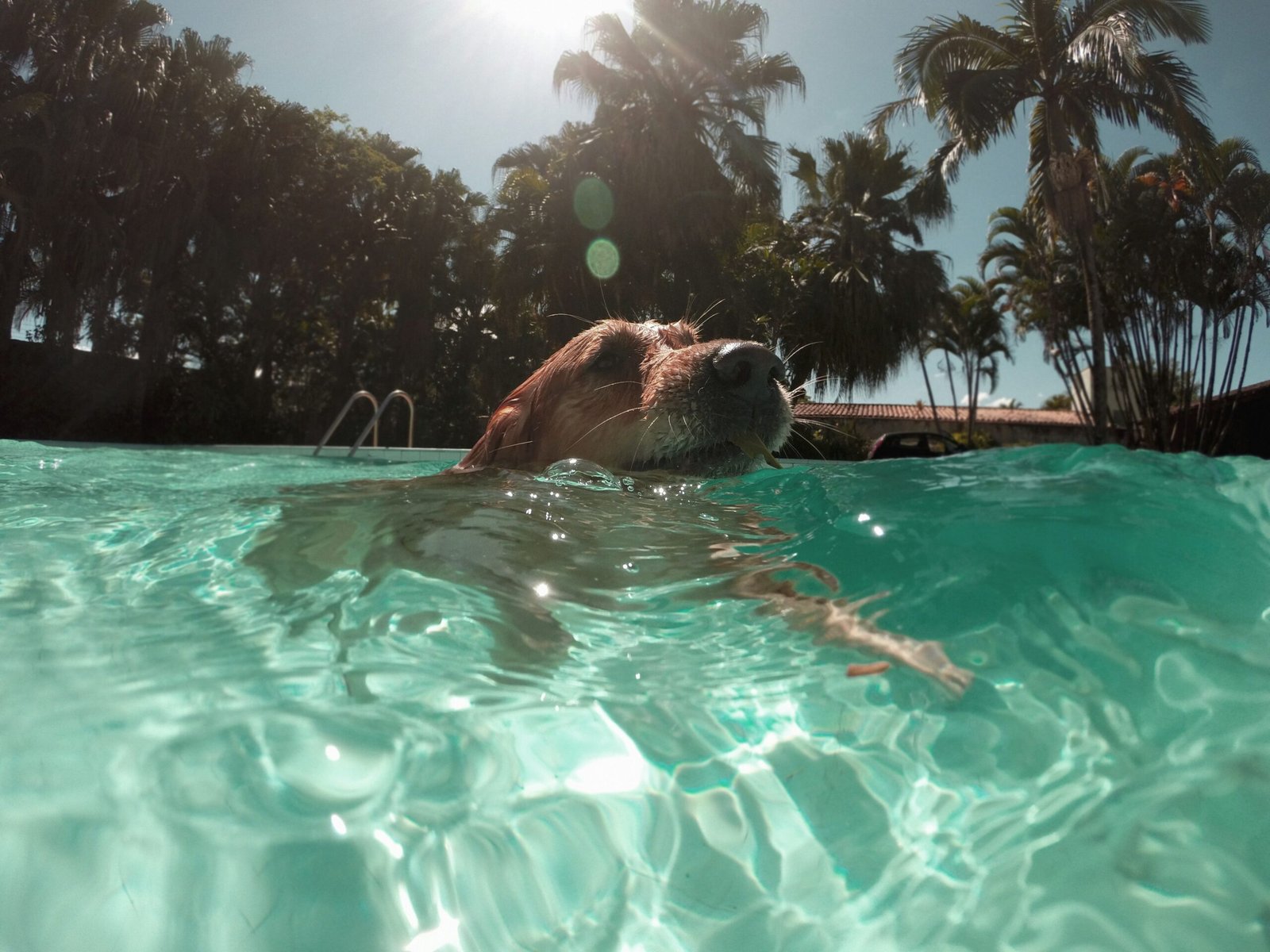
A paddling pool with a shallow water level is something many older dogs take to naturally. Standing in cool water draws heat away from the body efficiently and requires almost no physical effort from the dog. The depth should be low enough that the dog can stand comfortably without any risk of losing balance, which matters more for senior dogs with weakened hindquarters.
Cooling mats work on a similar principle to elevated beds but add an active cooling element. A good cooling mat absorbs body heat and dissipates it without requiring refrigeration, which makes them practical for both indoor and outdoor use. If you want to know which options hold up well for senior dogs specifically, this guide to the best cooling mats for senior dogs covers the key differences.
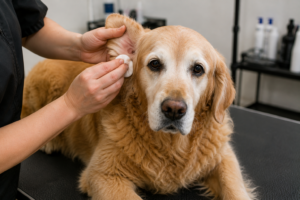
Grooming plays a role that is often underestimated. A coat that is matted or excessively long traps heat. Regular brushing removes dead undercoat and allows better airflow to the skin. For single-coated breeds, a shorter summer trim can help. For double-coated breeds, shaving is generally not recommended as the double coat also provides insulation against heat. Consult your groomer about the best approach for your specific dog.
What to Do If Your Senior Dog Overheats
If your dog is showing signs of heat exhaustion, move them to a cool environment immediately. Do not wait to see if they recover on their own.
Apply cool water to the neck, armpits, groin and paws. Use a fan to increase evaporation. Offer small amounts of water to drink and do not force large quantities at once. Wet the coat but do not cover the dog with wet towels, as this traps heat against the body rather than releasing it.
Monitor the gums. Pink and moist is normal. Bright red, pale or tacky gums indicate the situation is serious and the dog needs veterinary attention without delay.
If the dog does not begin to show improvement within ten minutes of cooling measures, or if the signs worsen at any point, contact a vet immediately. Heatstroke in senior dogs can cause kidney failure, neurological damage and cardiac events. The damage is not always visible in the immediate aftermath, which is why a vet check after a serious overheating episode is not optional. It is necessary.
For a complete guide on summer safety for senior dogs: Senior Dog Summer Safety Guide 2026 – seniordog-care
FAQ
At what temperature is it too hot to walk a senior dog?
Once the air temperature exceeds 25 degrees Celsius and the pavement has been in direct sun, the risk for senior dogs rises significantly. The pavement test, holding the back of your hand against the surface for seven seconds, is more reliable than air temperature alone, because paved surfaces absorb and hold far more heat than the surrounding air.
How do I know if my senior dog is just panting normally or is too hot?
Context is the key factor. If the dog has been resting in a shaded, ventilated room and is panting heavily, that is not normal. If the panting is accompanied by reluctance to move, seeking out cool surfaces, or reduced response to you, treat it as an early heat warning and act accordingly.
Can a senior dog sleep outside in summer?
Not unsupervised during the day, and not overnight without reliable shade and ventilation. Senior dogs have reduced ability to self-regulate, which means an outdoor sleeping arrangement that works for a younger dog can become dangerous for an older one much faster than most owners anticipate.
Do cooling mats actually work for dogs?
Yes, for most dogs they produce a measurable comfort improvement. The mechanism, absorbing and dispersing body heat through contact, is effective for dogs that lie still, which most senior dogs do for the majority of the day. The limitation is that a dog that constantly moves or avoids the mat will not benefit from it. Most senior dogs settle onto a cooling surface without much encouragement.
Should I change my senior dog’s diet in summer?
Wet food or adding water to dry food increases fluid intake, which is relevant in summer. Portion sizes can be reduced slightly if the dog is less active during hot periods, as a dog that is resting more requires fewer calories. Any significant dietary changes should be discussed with a vet, particularly for dogs managing a chronic condition.
Final Thoughts
Keeping a senior dog cool in summer is not complicated, but it does require consistency. The dogs that run into serious trouble are rarely those whose owners did not care. They are the dogs whose owners underestimated how quickly the situation could shift.
The practical foundation is this: a cool indoor environment, water available at all times, walks timed to avoid peak heat, and a sleeping surface that allows airflow. Beyond that, knowing the early warning signs and having a cooling response ready before you need it is what separates a difficult summer afternoon from a veterinary emergency.
Your dog cannot tell you when the heat is becoming dangerous. The panting, the stillness, the paws seeking out cool water. Those are the signals. Now that you know what they mean, act on them early.
Pingback: Best Cooling Mats for Dogs (2026 Guide): Tested in Extreme Heat - seniordog-care
Pingback: Senior Dog Summer Safety Guide 2026 - seniordog-care
Pingback: Signs of Overheating in Senior Dogs - seniordog-care
Pingback: Best Cooling Products for Senior Dogs - seniordog-care