Introduction
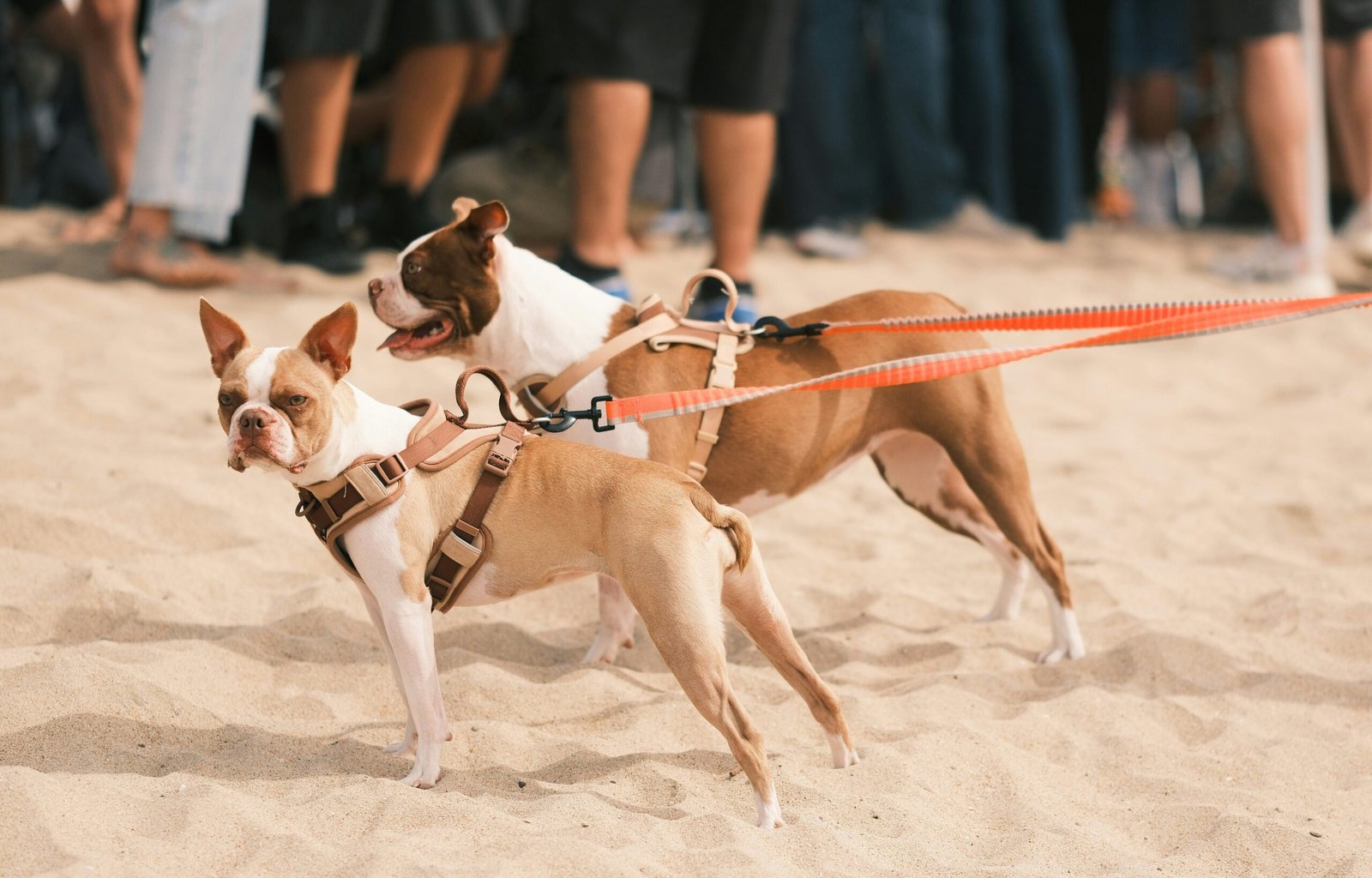
Knowing how to fit a dog support harness correctly can make a world of difference for your senior dog’s comfort, safety, and mobility. As dogs age, they may develop joint pain, arthritis, or hip dysplasia, making everyday movements — like walking, climbing stairs, or getting into the car — more challenging. A well-fitted support harness helps reduce strain, provides stability, and allows you to assist your dog gently and safely.
But finding the right harness is only half the job. The real key lies in proper fitting — ensuring it’s snug enough to offer support, but not so tight that it causes discomfort or restricts movement. In this guide, we’ll walk you through everything you need to know: from measuring your dog and adjusting straps to checking for the perfect fit. You’ll also discover a few of our top recommended harnesses designed specifically for senior and mobility-impaired dogs.
This post may contain affiliate links. If you buy through these links, I may earn a small commission at no extra cost to you. As an Amazon Associate, I earn from qualifying purchases.
Table of Contents
Why Proper Fit Matters for Support Harnesses
A support harness is more than just an accessory — it’s a lifeline for many senior dogs. The right fit can make all the difference between a dog that moves with comfort and confidence, and one that struggles with pain or instability.
When a harness fits properly, it evenly distributes your dog’s weight, reducing pressure on the hips, spine, and joints. This helps minimize pain and prevents further injury, especially for dogs with arthritis, hip dysplasia, or muscle weakness. It also gives you, as the owner, better control when helping your dog move safely up stairs, into vehicles, or across slippery floors.
A poor fit, however, can have the opposite effect. A harness that’s too loose may cause chafing or allow your dog to slip out, while one that’s too tight can restrict movement and cause discomfort around the chest and shoulders. Over time, this can worsen mobility issues or create new pressure points.
Simply put, proper fit equals proper support — both physically and emotionally. When your dog feels secure, pain-free, and stable, their confidence and quality of life improve dramatically.
Step-by-Step: How to Fit a Dog Support Harness
Fitting a dog support harness properly doesn’t need to be complicated — but attention to detail is key. A few extra minutes spent getting the fit right can prevent chafing, discomfort, and even injuries. Here’s how to make sure your senior dog’s harness offers the perfect balance of comfort and control.
Step 1: Measure Your Dog Accurately
Before purchasing or adjusting a harness, measure your dog’s chest girth, neck circumference, and weight.
- Chest Girth: Measure around the widest part of your dog’s ribcage, just behind the front legs.
- Neck: Measure the base of the neck, where the collar naturally rests.
- Weight: Some harnesses are size-graded by weight range, so check your dog’s current weight for accuracy.
Tip: Always refer to the manufacturer’s sizing chart — every brand measures a little differently.
Step 2: Loosen All Straps Before Putting It On
When you first take the harness out of the box, loosen all the straps. This makes it easier to slide over your dog’s head or wrap around their body without resistance. For anxious or older dogs, this small step keeps the process calm and stress-free.
Step 3: Position the Harness Correctly
Depending on the type of support harness:
- Front-lift harnesses should rest comfortably around the chest and shoulders, not pressing into the throat.
- Rear-lift harnesses should cradle the hips without pinching or sagging.
- Full-body harnesses should evenly distribute weight across both sections for balanced support.
Make sure no straps twist or bunch, and that padding covers all pressure points.
Step 4: Adjust for a Snug but Comfortable Fit
Once the harness is in position, tighten each strap gradually. You’re aiming for a snug fit — tight enough that it doesn’t slip, but loose enough that you can slide two fingers between the harness and your dog’s fur.
Check for signs of pinching around the armpits, shoulders, or hips. If your dog shows discomfort or resists walking, loosen slightly and readjust.
Step 5: Test the Fit During Movement
Take your dog for a short walk indoors or on grass. Watch how the harness moves with their body. It should stay secure without shifting or rubbing. If you notice any slipping or pulling, readjust again.
Remember — every dog’s shape is unique, and small tweaks often make a big difference in comfort and support.
Read more on why a Good Harness Mattters Here
Recommended Support Harnesses for Senior Dogs (Top 5)
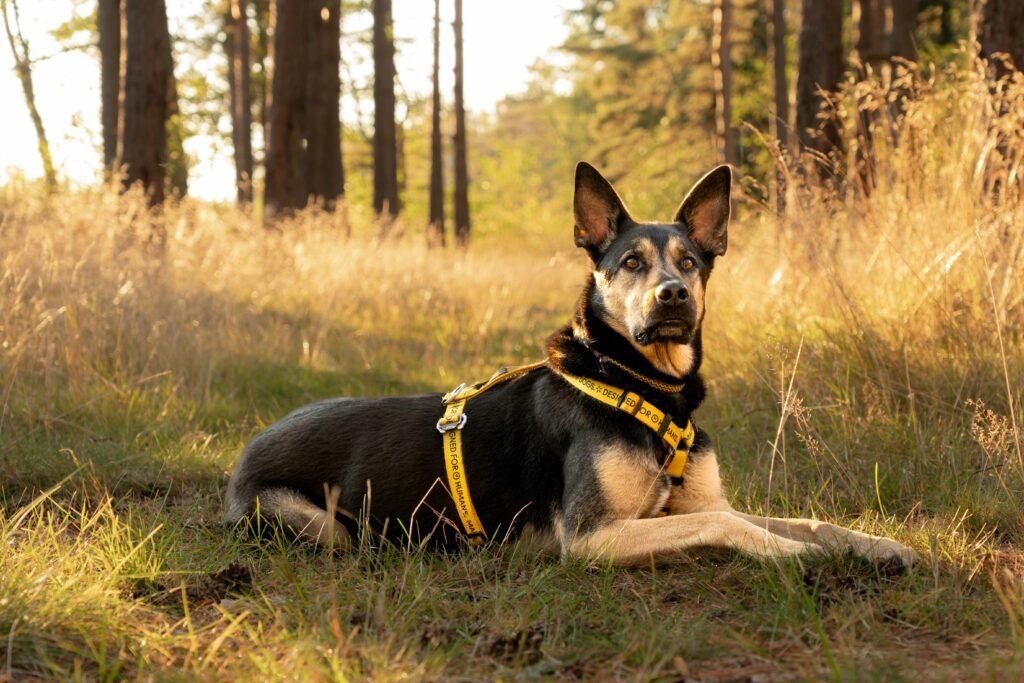
Finding the right support harness for your senior dog can transform their daily comfort and mobility. The right harness should be easy to use, supportive where it matters most, and gentle on aging joints. Below, you’ll find our Top 5 recommended harnesses, carefully selected for quality, comfort, and long-term durability — all available through trusted retailers like Amazon and EntirelyPets.
1. PetSafe CareLift Full-Body Lifting Harness
The PetSafe CareLift Harness is one of the most reliable options for senior dogs needing full-body support. With a padded design that reduces pressure on sensitive areas, it’s ideal for dogs recovering from surgery or struggling with arthritis or hip dysplasia.
- Best for: Dogs needing full support for front and rear mobility
- Features: Adjustable straps, removable handles, and padded belly support
- Why we like it: Even weight distribution helps prevent further strain or injury
Where to buy: Available on Amazon
2. GingerLead Dog Support & Rehabilitation Harness
The GingerLead Harness is a vet-approved design used in physical therapy clinics and by pet owners worldwide. Its soft, padded sling provides gentle yet firm support for your dog’s hindquarters, perfect for post-surgery recovery or chronic joint pain.
- Best for: Senior dogs with hind leg weakness or hip dysplasia
- Features: Padded support sling, integrated leash handle, washable material
- Why we like it: Lightweight, easy to use, and veterinarian-endorsed
Where to buy: Available on Amazon
3. FurHaven Lift-to-Assist Dog Mobility Harness
Designed for comfort and functionality, the FurHaven Lift-to-Assist Harness supports your dog’s hips, back, and abdomen. Its ergonomic shape and breathable fabric make it a great choice for older dogs that need help standing, climbing, or walking.
- Best for: Large or heavy senior dogs with arthritis or weak hips
- Features: Adjustable straps, soft inner lining, and machine-washable material
- Why we like it: The combination of stability and comfort makes daily movement safer and easier
Where to buy: Available on EntirelyPets
4. Kurgo Up & About Dog Lifter
The Kurgo Up & About Lifter is built for dogs that still have mobility but need occasional assistance. The supportive chest and belly straps let you help your dog over obstacles without putting pressure on their joints.
- Best for: Active senior dogs needing occasional lift support
- Features: Durable construction, ergonomic handle, and reflective trim for safety
- Why we like it: Lightweight and travel-friendly while still providing excellent stability
Where to buy: Available on Amazon
5. Loobani Portable Dog Sling for Rear Legs
The Loobani Sling is a simple yet effective option for dogs with hind-leg weakness. It’s easy to use, adjustable, and padded for comfort — making it a great choice for quick assistance up stairs or short walks.
- Best for: Senior dogs with mild mobility loss or recovering from injury
- Features: Adjustable length straps, strong support handles, and soft lining
- Why we like it: Affordable, portable, and reliable for short-term mobility help
Where to buy: Available on Amazon
And for even more options, don’t forget to explore the full range of support harnesses on EntirelyPets.com — they offer a wide selection of mobility aids designed specifically for aging and recovering dogs.
Comparison Table
| Product | Type | Best For | Key Features | Why It’s Recommended | Where to Buy |
|---|---|---|---|---|---|
| PetSafe CareLift Full-Body Lifting Harness | Full-body harness | Dogs needing front and rear support | Adjustable straps, removable handles, padded belly support | Provides balanced lift for arthritic or post-surgery dogs | Buy on Amazon |
| GingerLead Dog Support & Rehabilitation Harness | Rear-lift harness | Dogs with hind leg weakness or hip dysplasia | Padded sling, integrated leash handle, washable material | Vet-approved and ideal for rehabilitation use | Buy on Amazon |
| FurHaven Lift-to-Assist Dog Mobility Harness | Full-body harness | Large or heavy senior dogs | Breathable fabric, adjustable straps, ergonomic design | Excellent comfort and full-body stability | Buy on EntirelyPets |
| Kurgo Up & About Dog Lifter | Chest and belly support harness | Active seniors needing occasional help | Durable design, ergonomic handle, reflective trim | Lightweight and travel-friendly with strong lift control | Buy on Amazon |
| Loobani Portable Dog Sling for Rear Legs | Rear-lift sling | Dogs with mild mobility loss | Adjustable handles, soft lining, compact design | Affordable and easy to use for short-term support | Buy on Amazon |
FAQ — How to Fit a Dog Support Harness
1. How tight should a dog support harness be?
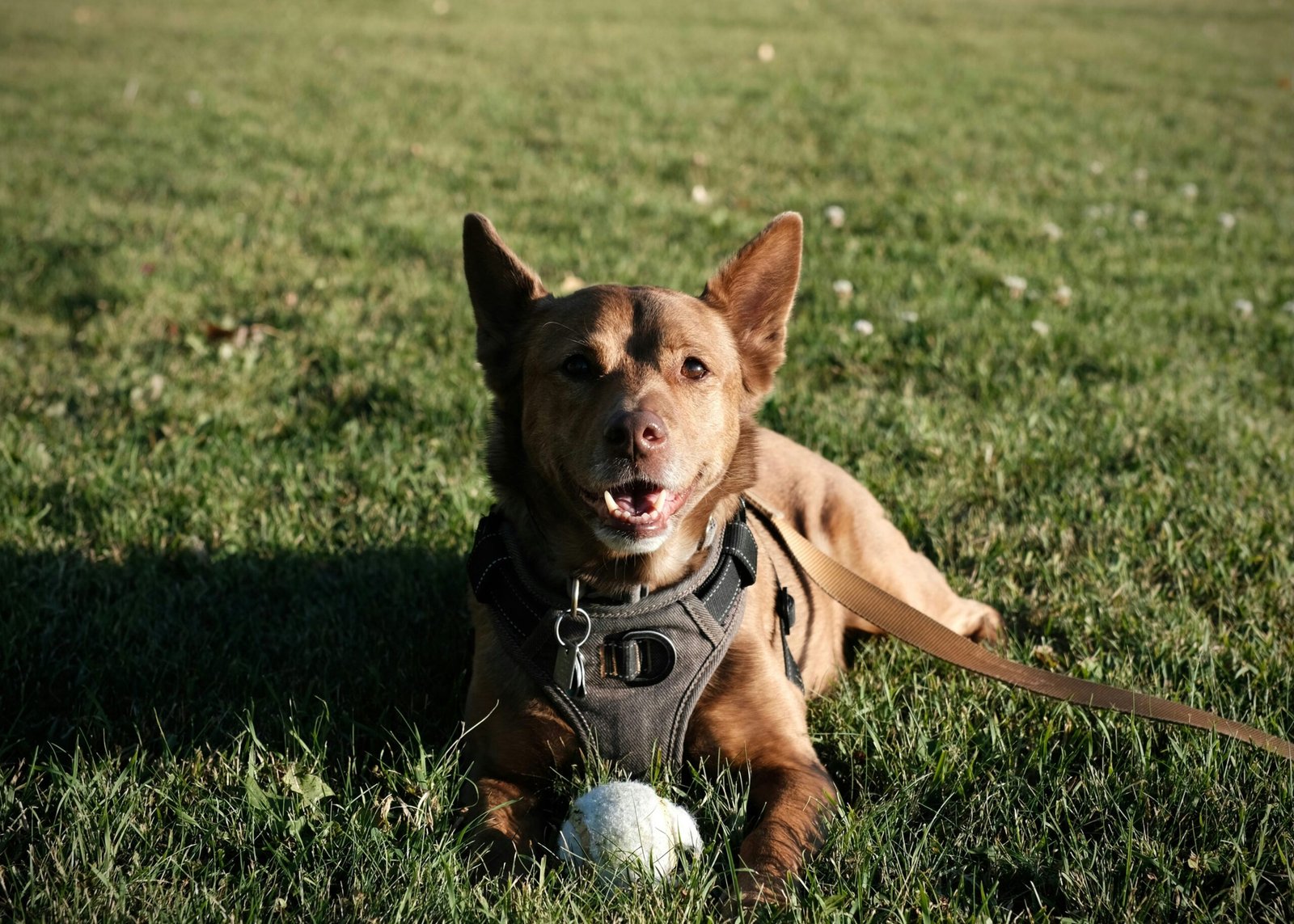
A support harness should be snug but not restrictive. You should be able to slide two fingers between the harness and your dog’s body. If it’s too tight, it can cause chafing or restrict breathing.
2. Can my dog wear a support harness all day?
It’s best to use the harness only when needed — for walks, stairs, or mobility support. Extended wear can cause skin irritation or pressure points, especially on older dogs with sensitive skin.
3. What if my dog resists wearing the harness?
Introduce the harness gradually. Let your dog smell and inspect it first, then use treats and calm encouragement while putting it on. Make sure it’s not too tight or rubbing — discomfort often causes resistance.
4. How often should I adjust or check the fit?
Check the fit every few weeks or if your dog gains or loses weight. Aging dogs can change shape slightly, and straps may loosen over time with use.
5. What type of harness is best for senior dogs?
For most seniors, a full-body or rear-lift harness offers the best support. These help relieve pressure from the joints and make it easier to assist your dog without strain on their back or hips.
Final Thoughts
Fitting a dog support harness correctly can make a world of difference in your senior dog’s comfort, mobility, and confidence. The right fit ensures that your dog gets the help they need — without discomfort, slipping, or strain.
Whether your pup is recovering from an injury, struggling with arthritis, or simply needs a bit of extra lift, a well-fitted harness can restore their sense of independence and keep daily walks safe and enjoyable.
Take your time to measure, adjust, and test the fit. A few minutes of attention now can add months — even years — of easier movement and happier moments for your dog.
And if you’re ready to find the perfect harness for your senior companion, explore our top picks above or visit Amazon and EntirelyPets to discover more trusted mobility aids for aging dogs.
Looking for more expert advice on senior dog care?
Check out our other guides on SeniorDog-Care.com for tips on nutrition, mobility, and comfort to help your furry friend live their best golden years.
Sources
- PetMD – Senior Dog Mobility Issues
- American Kennel Club – Choosing the Right Harness for Senior Dogs
- Whole Dog Journal – Dog Harness Buying Guide
- PetSafe CareLift Full-Body Lifting Harness – Amazon
- GingerLead Dog Support & Rehabilitation Harness – Amazon
- FurHaven Lift-to-Assist Dog Mobility Harness – EntirelyPets
- Kurgo Up & About Dog Lifter – Amazon
- Loobani Portable Dog Sling for Rear Legs – Amazon



Pingback: Best Support Harness For Senior Dogs (best of 2025)