Introduction
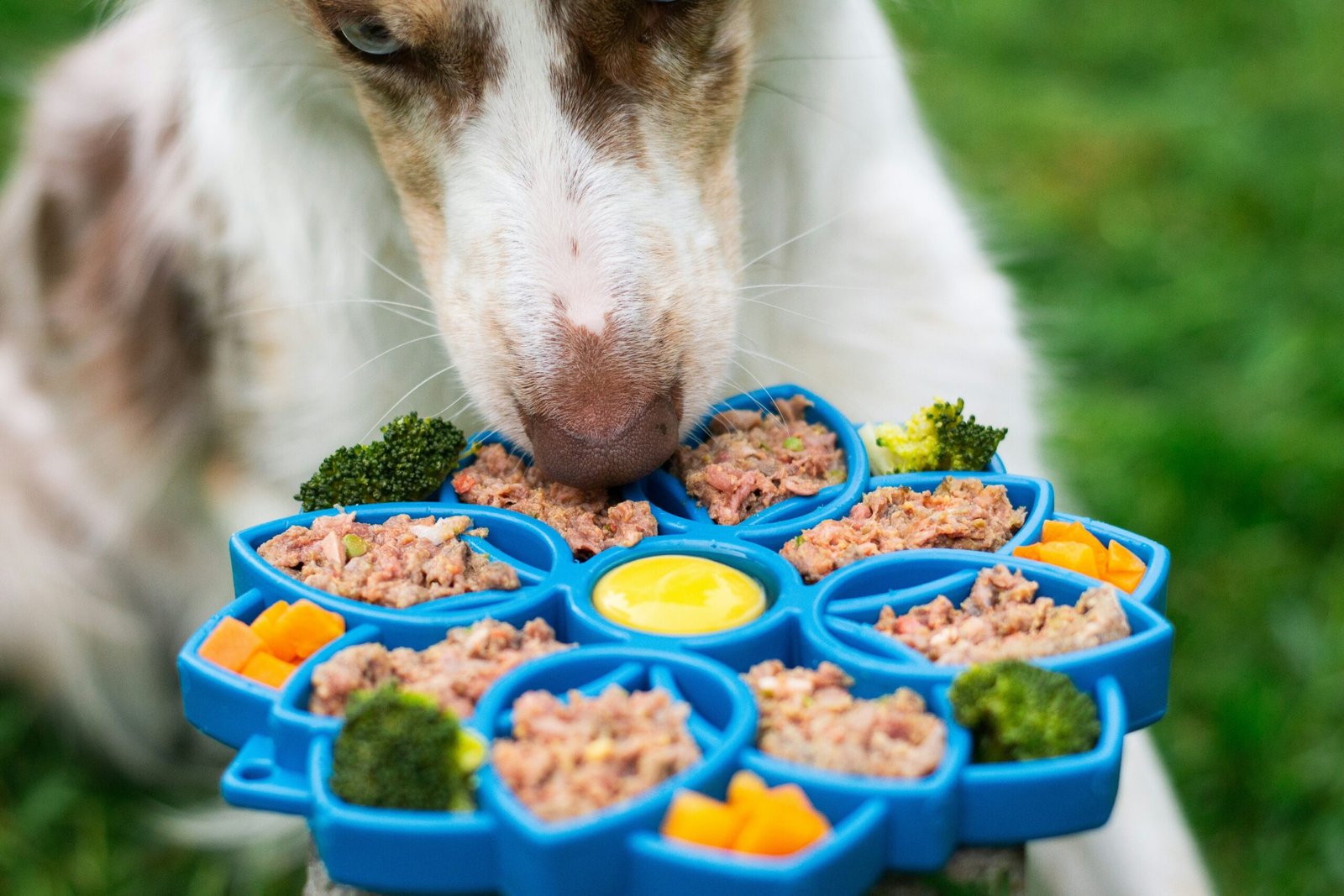
Finding the best senior dog food isn’t just about keeping your dog full — it’s about helping them stay active, healthy, and happy as they age. Just like people, dogs experience changes in metabolism, energy levels, and digestion over time. Their bodies need the right balance of nutrients to support joints, maintain muscle, and keep their minds sharp.
As your loyal companion grows older, you might notice subtle shifts — they nap a little longer, walk a bit slower, or have a more sensitive stomach. These are all normal signs of aging, but with proper nutrition, your dog can continue to thrive.
The right senior dog food can make all the difference. High-quality proteins support lean muscle, omega fatty acids reduce inflammation, and added antioxidants strengthen the immune system. In this guide, we’ll explore what makes a food truly senior-friendly, how to choose the best formula, and review some of the top-rated options trusted by dog owners and veterinarians alike.
By Seniordog-care..
This post may contain affiliate links. If you buy through these links, I may earn a small commission at no extra cost to you. As an Amazon Associate, I earn from qualifying purchases.
Table of Contents
Why Senior Dogs Need Special Nutrition
As dogs grow older, their bodies change in ways that affect how they digest and use food. Metabolism slows down, muscle mass begins to decline, and joints become less flexible. This means that the same food your dog thrived on as a young adult may no longer meet their nutritional needs.
Senior dogs require fewer calories but more targeted nutrients. High-quality protein becomes essential for maintaining lean muscle, while healthy fats like omega-3s support joint flexibility and coat health. Fiber and prebiotics help improve digestion, which can slow down as dogs age, and antioxidants strengthen the immune system to help fight inflammation and disease.
Another key difference is mobility and weight management. Older dogs often move less, which can lead to weight gain and increased pressure on their joints. Choosing the right food with balanced calories and added joint support — like glucosamine and chondroitin — helps maintain a healthy body condition while easing stiffness.
Simply put, senior dogs benefit most from a diet designed for aging — one that provides energy, supports mobility, and keeps them feeling youthful inside and out.
Check out our other article about the Best Dry Dog Food for Senior Dogs HERE.
How to Choose the Best Senior Dog Food
Every dog is unique, but when it comes to choosing the best senior dog food, a few core principles always apply. The goal is to give your dog the nutrition they need to stay active, strong, and comfortable as they age — without unnecessary fillers or excess calories.
Protein Quality
Senior dogs still need plenty of protein — just the right kind. Look for foods with real meat or fish as the first ingredient. High-quality protein helps maintain muscle mass and supports tissue repair, especially for older dogs who may not be as active as they once were. Avoid vague labels like “meat by-products” and instead look for clear sources such as chicken, salmon, or lamb.
Healthy Fats & Omega Fatty Acids
Healthy fats play a major role in keeping your senior dog’s joints flexible and their coat shiny. Omega-3 and omega-6 fatty acids (often from fish oil or flaxseed) also reduce inflammation that contributes to arthritis and stiffness.
Digestive Support
As dogs age, their digestive systems become more sensitive. Look for senior formulas with added fiber, prebiotics, or probiotics to keep gut health balanced and nutrient absorption strong. These ingredients help prevent constipation and improve overall digestion.
Joint & Immune Support
Senior dogs benefit greatly from foods fortified with glucosamine, chondroitin, and antioxidants. These nutrients support joint lubrication, protect cartilage, and reduce inflammation. Antioxidants like vitamin E and beta-carotene strengthen the immune system and help your dog recover from everyday stress.
Calorie Control
Older dogs tend to move less, which means they burn fewer calories. Overfeeding can lead to weight gain, which puts more strain on aging joints. Choose a senior food that’s lower in calories but still nutrient-dense, ensuring your dog gets everything they need without excess fat.
Want to know more about the best Hypoallergenic dog food? read it in our other article HERE.
Best Senior Dog Food 2025
Feeding your senior dog the right diet can make a dramatic difference in their energy, comfort, and longevity. As dogs age, their metabolism slows, muscle tone changes, and joint health becomes more fragile — meaning nutrition must adapt. Below are the five key nutritional focuses every senior dog diet should include, plus trusted products known for delivering those benefits.
1. Protein Quality
Senior dogs still need strong, digestible protein to maintain lean muscle and support overall vitality. Look for foods that list real meat or fish as the first ingredient and avoid filler grains or by-products. High-quality protein also supports immune function and keeps your dog active and alert well into their golden years.
Check options on Amazon or We Feed Raw.
2. Healthy Fats & Omega Fatty Acids
Omega-3 and omega-6 fatty acids play a critical role in joint health, brain function, and a shiny coat. For older dogs, these healthy fats also help manage inflammation, support heart health, and maintain cognitive sharpness. Foods rich in fish oil, flaxseed, or salmon are ideal choices.
Explore products on Amazon or Raw Paws Pet Food.
3. Digestive Support
Aging often slows digestion and can cause sensitivities. Senior-specific foods fortified with probiotics, prebiotics, and gentle fiber sources (like pumpkin or brown rice) help regulate the gut, improve nutrient absorption, and reduce stomach upset. The goal is easy digestion without compromising nutritional density.
Check senior-friendly formulas on Amazon or EntirelyPets.
4. Joint & Immune Support
Mobility becomes one of the biggest challenges in older dogs. Diets that include glucosamine, chondroitin, antioxidants, and vitamins E and C can make a big difference. These nutrients reduce inflammation, protect cartilage, and help your dog stay active. Foods that pair joint-supportive ingredients with immune-boosting antioxidants are the most effective long-term choices.
Find premium joint-support dog foods on Amazon or EntirelyPets
5. Calorie Control
As your dog’s metabolism slows, excess calories can lead to weight gain and joint strain. A well-balanced senior food should offer controlled calories while maintaining essential protein, vitamins, and minerals. Look for labels that emphasize “senior,” “weight management,” or “reduced fat” to match your dog’s energy needs without cutting crucial nutrients.
See low-calorie senior dog food on Amazon or EntirelyPets.
How to Transition Your Dog to Senior Food
Switching your dog’s diet isn’t something to rush. Senior dogs often have more sensitive stomachs, and an abrupt change can cause digestive upset. The goal is to make the transition gradual, gentle, and stress-free.
Start by mixing a small amount of the new senior food with your dog’s current food — about 25% new to 75% old for the first few days. Observe your dog’s stool, appetite, and energy levels closely. If everything looks normal, increase the ratio to 50/50 by day five, and then 75% new food after a week. Most dogs do best with a 10- to 14-day transition period.
During this process, consistency is key. Feed at the same times daily, avoid adding too many new treats or supplements, and make sure your dog always has access to fresh water. For picky eaters or dogs with sensitive stomachs, slightly warming the food or adding a spoonful of pumpkin purée can make it more appealing and easier to digest.
It’s also smart to introduce senior foods that are similar in flavor and texture to what your dog already enjoys. That way, the switch feels familiar rather than sudden.
Learn more about: How to transition your senior dog to a new diet Here
How the Right Senior Dog Food Transformed Buddy’s Golden Years
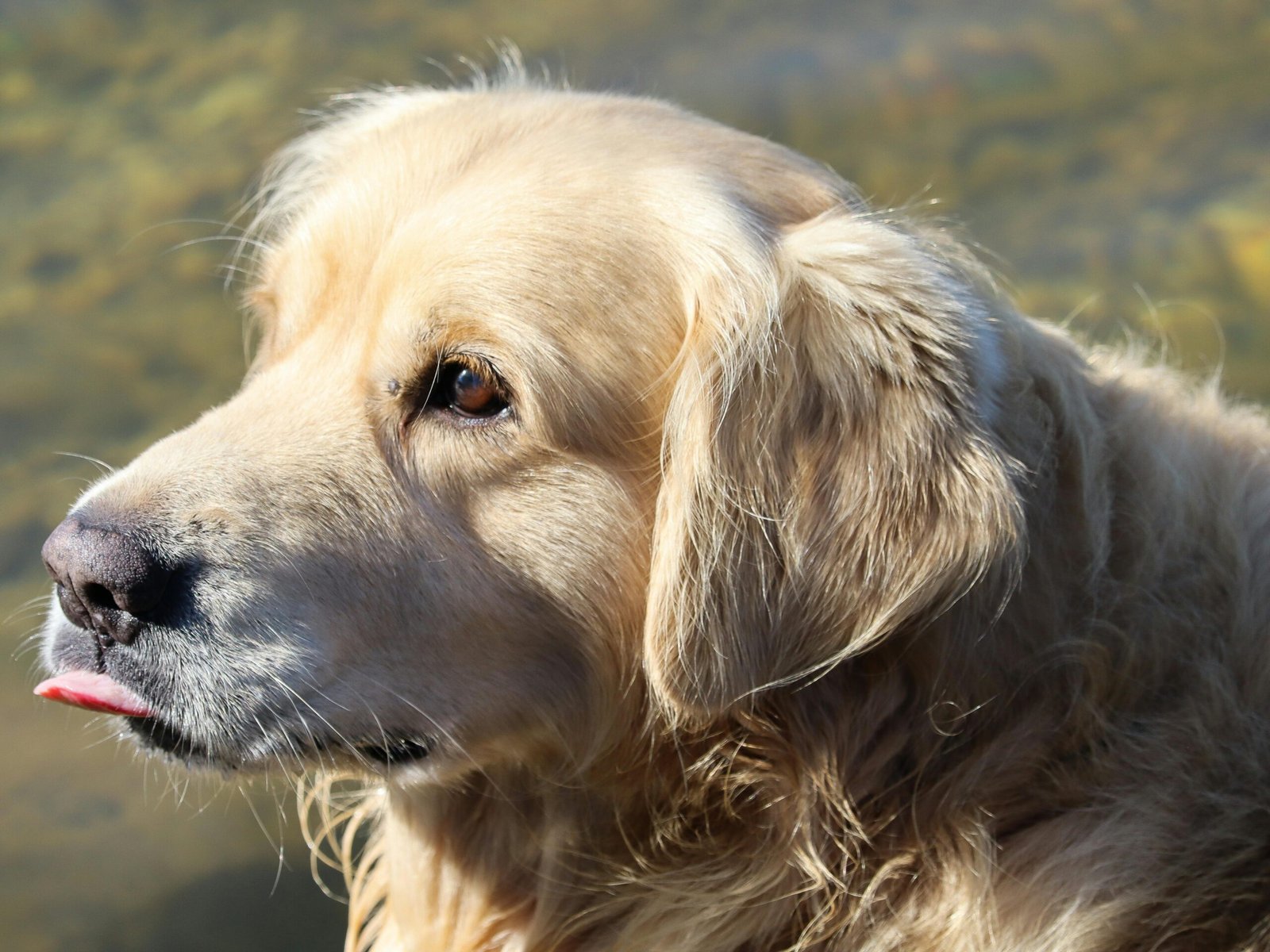
Meet Buddy, a devoted Golden Retriever who was beginning to slow down by age 10. His owner, Samantha, shared a heartfelt journey that many senior dog parents can relate to:
“Buddy had become stiff, his movements slowed, and he seemed to lose his spark. His favorite walks turned into joint discomfort—and he’d lag behind, panting more than usual. It was heartbreaking to see.”
Concerned for Buddy’s well-being, Samantha consulted her vet and decided to switch Buddy to Royal Canin Aging 12+ Senior Formula, a diet specifically designed for older dogs with joint support and digestibility in mind.
Within just a few weeks, Samantha noticed remarkable improvements:
- Buddy’s mobility improved visibly—he climbed stairs again without hesitation.
- His coat became shinier and softer.
- Most importantly, his appetite leveled up; he started eating with enthusiasm after months of pickiness.
“I was skeptical at first,” Samantha admits, “but after two weeks, Buddy’s tail wagged like he was a puppy again. This dog food truly gave him his life back—his mobility, his coat, his joy. I recommend it to every dog owner facing senior struggles.”
Read our other article for a complete guide on Senior dog Nutrition.
Signs Your Dog Might Need Senior Food
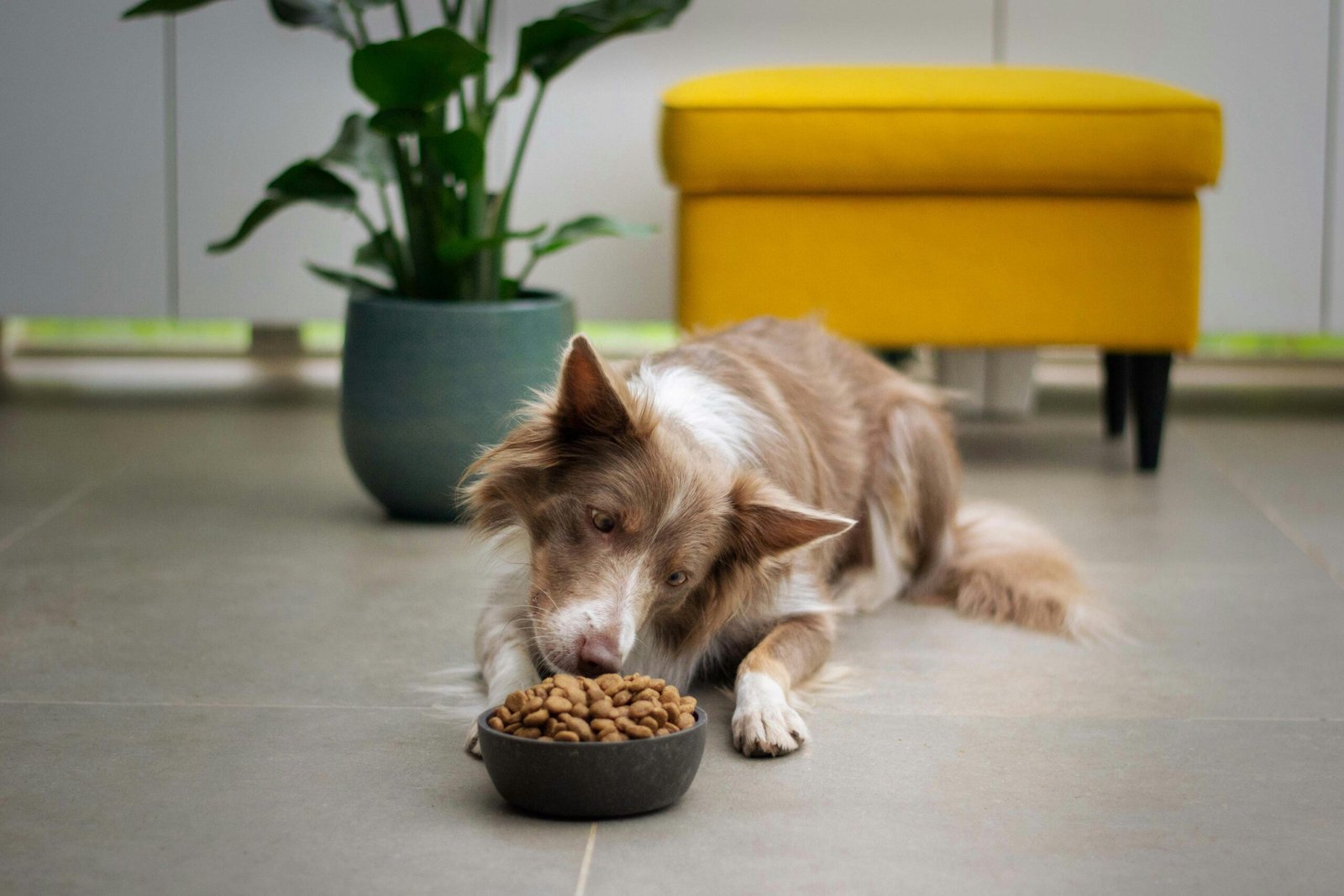
Every dog ages differently, but there are clear signs that it’s time to consider switching to a senior-specific diet. Noticing these changes early can help prevent long-term issues and keep your dog feeling energetic and comfortable.
1. Slower Metabolism and Weight Gain
If your dog seems to gain weight more easily despite eating the same portions, it’s likely their metabolism has slowed down. Senior foods are designed with fewer calories and balanced nutrients to prevent excess fat while maintaining muscle mass.
2. Stiffness or Mobility Issues
Difficulty getting up, reluctance to climb stairs, or a noticeable decrease in playtime can all signal joint discomfort. Senior foods that include glucosamine, chondroitin, or omega-3 fatty acids help reduce inflammation and improve mobility.
3. Dull Coat or Dry Skin
A healthy coat is a reflection of internal health. As dogs age, they may lose skin moisture and coat shine. Diets rich in fish oil, flaxseed, or added omega-3s support skin hydration and keep fur soft and glossy.
4. Digestive Upset or Changes in Stool
Older dogs often experience sensitive stomachs or irregular digestion. If you notice loose stools, constipation, or frequent gas, it may be time to switch to a formula with prebiotics, probiotics, and easier-to-digest proteins. Check the best food for sensitive stomachs here.
5. Lower Energy or Lethargy
A decline in energy doesn’t always mean illness—it can simply be that your dog’s body isn’t absorbing nutrients efficiently anymore. Senior-specific formulas contain adjusted vitamin and mineral levels that help sustain energy and alertness.
6. Visible Muscle Loss or Thinning Around the Hind Legs
Protein absorption decreases with age. If you start to notice your dog’s hindquarters getting thinner or weaker, a diet rich in high-quality animal protein can help rebuild and maintain lean muscle.
Feeding Tips for Senior Dogs
Feeding your senior dog isn’t just about choosing the right food — it’s also about how and when you serve it. Small adjustments can make a big difference in digestion, energy, and overall health.
1. Stick to a Routine
Older dogs benefit from consistency. Feeding at the same times every day helps regulate digestion and prevents overeating. Most senior dogs do well with two meals a day, which also reduces the strain on their digestive system.
2. Monitor Portion Sizes
As metabolism slows, portion control becomes crucial. Use the feeding guidelines on the packaging as a starting point, but adjust based on your dog’s weight, activity level, and overall health. Measuring cups or a kitchen scale can help you be precise.
3. Consider Texture and Palatability
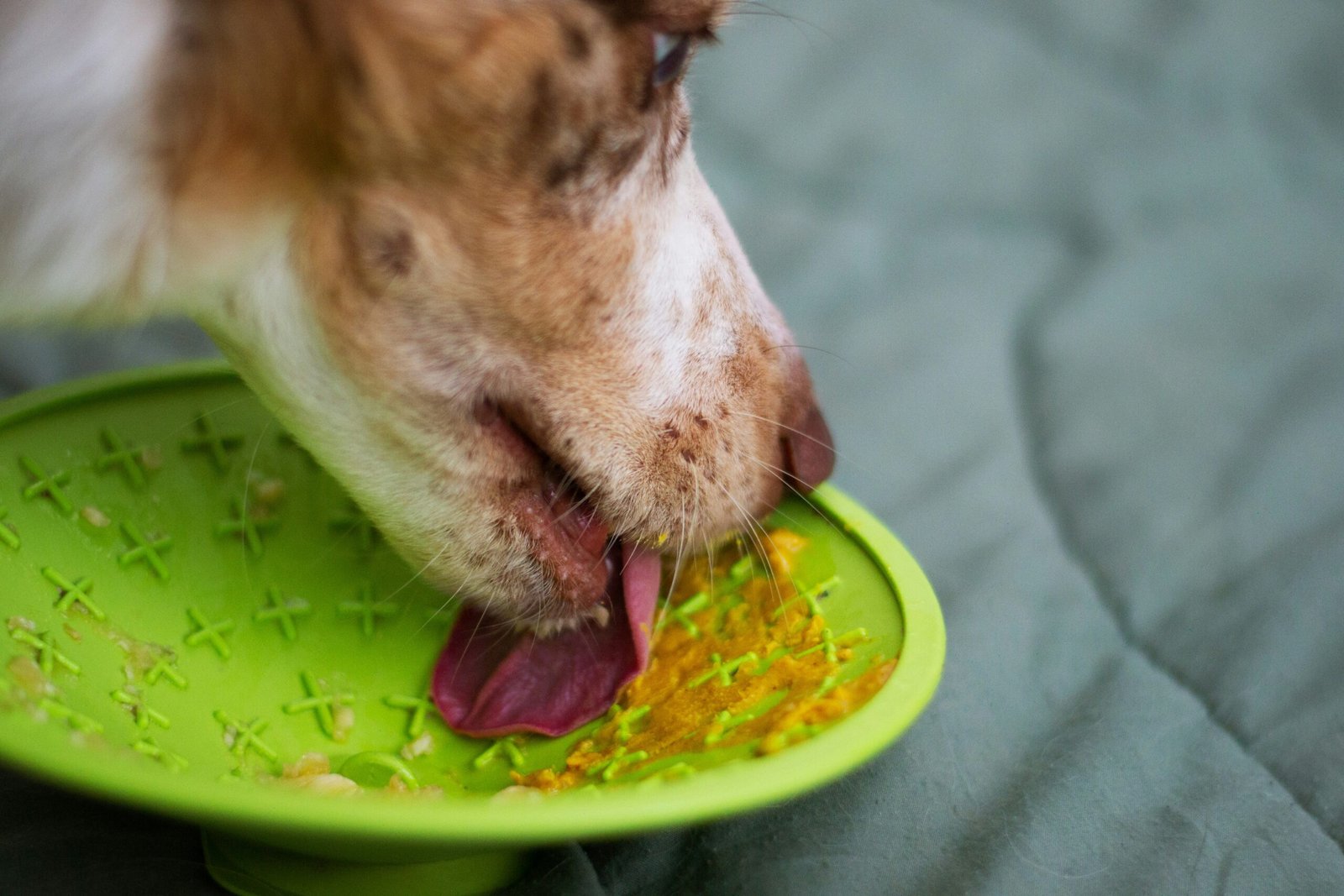
Senior dogs may develop dental issues or lose some sense of taste. Wet food, moistened kibble, or slightly warmed meals can make eating easier and more enjoyable. Mixing in a small amount of low-sodium broth or pumpkin purée can also improve palatability.
4. Pair with Supplements When Needed
Some senior dogs benefit from joint or digestive supplements in addition to their food. Glucosamine, fish oil, or probiotics can enhance the benefits of a high-quality senior diet. Always introduce supplements gradually and consult your veterinarian for guidance.
5. Keep Fresh Water Available
Hydration is key, especially for older dogs. Place water bowls in accessible areas and refresh frequently. Wet foods can help increase water intake, but dogs still need a dedicated water source.
6. Observe and Adjust
Regularly monitor your dog’s weight, coat condition, energy level, and stool quality. Adjust food type, portions, or supplement use accordingly. Early intervention ensures your senior dog stays healthy and active longer.
Read more about Weight Management Dog Food Here.
FAQs
1. At what age should I switch my dog to senior food?
Most dogs are considered seniors between 7 and 10 years, depending on breed and size. Smaller breeds may show signs later, while larger breeds often benefit from senior food earlier. Always watch for weight gain, mobility changes, or coat dullness as signals.
2. Can I mix senior food with my dog’s regular adult food?
Yes, but do it gradually over 7–10 days to avoid digestive upset. Start with 25% senior food mixed with 75% adult food, then slowly increase the ratio until your dog is fully transitioned.
3. Should I feed wet or dry senior dog food?
Both can be good. Dry kibble supports dental health and is easy to store, while wet food can be easier for dogs with dental issues or picky eaters. Many owners combine the two for variety and palatability.
4. How do I know if my senior dog is getting enough nutrients?
Signs of good nutrition include healthy coat and skin, stable weight, strong muscles, regular bowel movements, and consistent energy levels. Consult your veterinarian for blood tests if you’re unsure.
5. Are grain-free senior dog foods better for older dogs?
Not necessarily. Grain-free diets can be helpful for dogs with specific allergies or sensitivities, but high-quality grains like brown rice or oats are often well tolerated and provide essential fiber. Focus on overall ingredient quality and digestibility rather than eliminating grains by default.
6. Can supplements replace senior dog food?
No, supplements are meant to enhance, not replace, a complete diet. They work best alongside a nutrient-rich senior formula to support joints, digestion, and overall health.
Final Thoughts
Choosing the best senior dog food is one of the most important steps you can take to support your dog’s health as they age. Proper nutrition helps maintain muscle mass, supports joint health, improves digestion, and keeps energy levels steady — all critical for a happy, active senior dog.
Remember, it’s not just about picking any “senior” label. Look for high-quality protein, healthy fats, digestive support, joint-friendly ingredients, and controlled calories. Pairing a premium diet with supplements like glucosamine, omega-3s, or probiotics can further enhance your dog’s comfort and mobility.
Recommended Senior Dog Foods:
- Amazon – Wide selection of senior formulas, including high-protein and joint-support options. Check them out here.
- EntirelyPets – Offers vet-approved and specialty senior dog foods for sensitive stomachs. See options here.
- We Feed Raw – Raw, nutrient-dense diets perfect for older dogs who thrive on natural ingredients. Explore their senior lineup.
- Raw Paws Pet Food – Focused on fresh, balanced meals tailored for joint support and digestion. Learn more here.
Investing in the right senior food today can help your dog enjoy many more healthy, happy years. With careful selection and attentive care, you’ll give your furry companion the nutrition they deserve for a long, vibrant life.
Sources
- American Kennel Club – Senior Dog Nutrition
- PetMD – Choosing the Right Food for Senior Dogs
- VCA Hospitals – Senior Dog Health and Diet
- ASPCA – Senior Dog Care
- Whole Dog Journal – Best Senior Dog Foods


Pingback: Hypoallergenic Dog Treats Your Dog Will Actually Love - seniordog-care
Pingback: Why the Best Dog Food for Senior Dogs Is Crucial for Their Health
Pingback: How to Transition Your Senior Dog to a New Diet Safely (Vet-Approved Tips)
Pingback: Best Wet Food For Senior Dogs in 2025 - seniordog-care
Pingback: Best Hypoallergenic Dog Food for Senior Dogs with Allergies (2025 Update)
Pingback: Top 6 Best Grain Free Senior Dog Food - seniordog-care
Pingback: Best Dry Dog Food for Senior Dogs - seniordog-care
Pingback: Best Weight Management Dog Food for Senior Dogs - seniordog-care
Pingback: Senior Dog Nutrition 101: The Ultimate Feeding Guide for Older Dogs
Pingback: Best Dog Food for Senior Dogs With Sensitive Stomachs - seniordog-care
Pingback: Top 8 Dog Food for Sensitive Stomachs - seniordog-care
Pingback: The 7 Best Dog Foods for Small Senior Dogs - seniordog-care