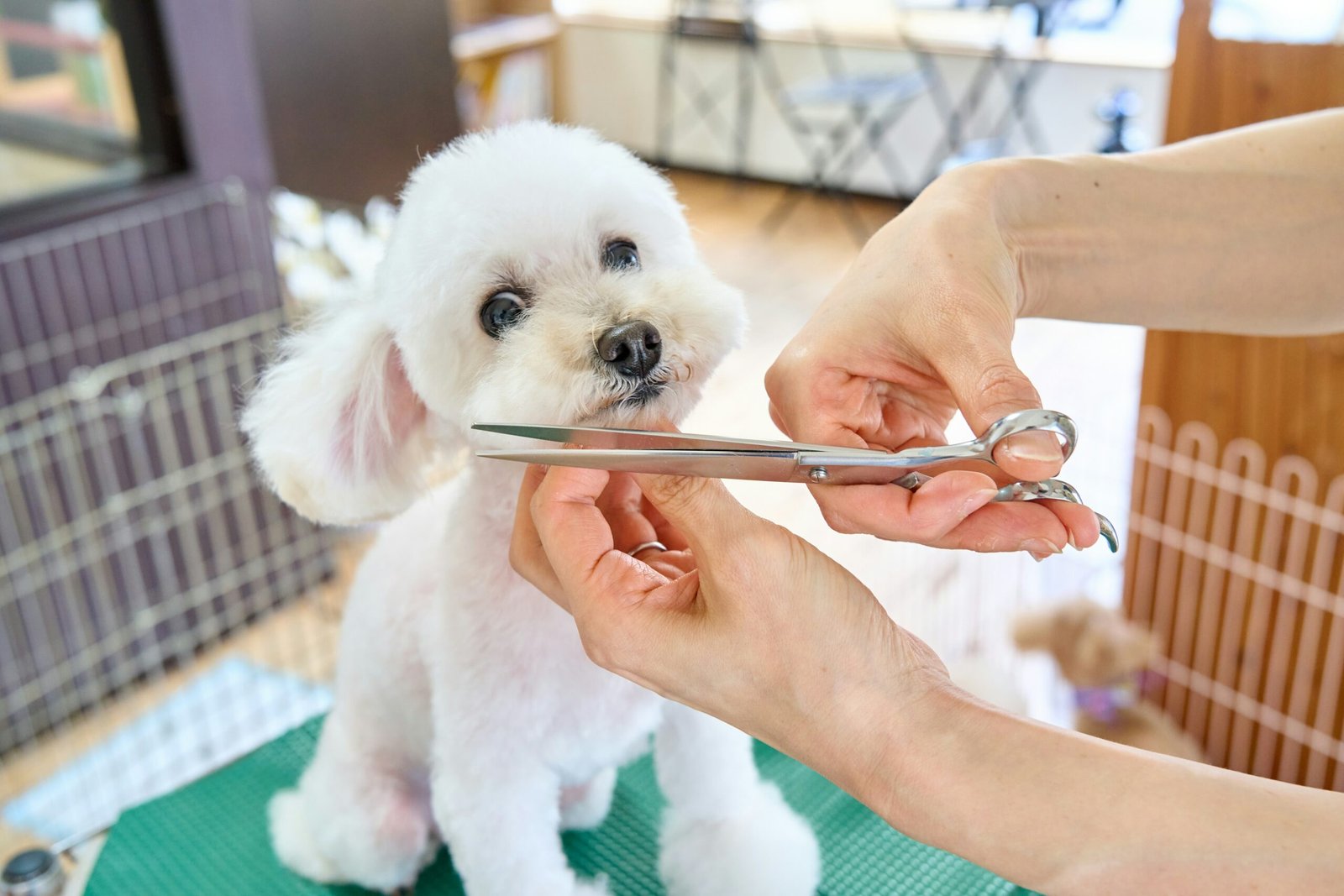
Senior dog grooming is one of those areas where most owners keep doing exactly what they have always done, without realising that an older dog’s skin, coat and body have changed enough to require a different approach. What worked without issue at three years old can cause discomfort, irritation or even pain at ten. The grooming session that your dog once tolerated easily can become a source of stress when joints are stiff, skin is thinner and certain areas have become sensitive in ways they never were before.
This guide covers every aspect of grooming for an older dog, from coat and bathing to nails, teeth and ears, with the specific changes that age brings in mind throughout.
Table of Contents
Why Grooming Changes as Dogs Age
The physical changes that come with age affect every part of the grooming process. Understanding them is what allows you to adapt rather than push through the way you always have.
Skin becomes thinner and more fragile with age. The protective barrier that keeps moisture in and irritants out weakens over time, which means older skin is more prone to dryness, irritation and minor injuries from tools that were previously fine to use. A brush or clipper that caused no issues on a younger dog can leave a senior dog’s skin red and uncomfortable if used with the same pressure or frequency.
The coat changes in texture and density. Many older dogs develop a coarser, drier coat as the sebaceous glands produce less natural oil. Double-coated breeds often see changes in the ratio between undercoat and guard hairs. Some dogs develop thinner patches, particularly over the back and hindquarters. These changes affect how often brushing is needed and which tools are appropriate.
Sensitivity increases in specific areas. Joints that are stiff or painful react differently to being handled during grooming. An area that your dog once allowed you to brush without complaint may now cause a flinch or a shift away because the pressure transmits to an underlying joint. This is not stubbornness. It is the body communicating that something hurts.
Stamina for grooming sessions decreases. An older dog that could stand for a long grooming session may now need to lie down or take breaks. Forcing a session to continue when the dog is clearly uncomfortable does not produce better results. It produces a dog that begins to associate grooming with stress.
The practical response to all of this is to slow down, use lighter pressure, work in shorter sessions and pay attention to how your dog is responding at every stage rather than working through a fixed routine regardless of feedback.
What are the Best grooming tools? Check it in our article: Best Grooming Tools for Senior Dogs – seniordog-care
Coat Care for Senior Dogs
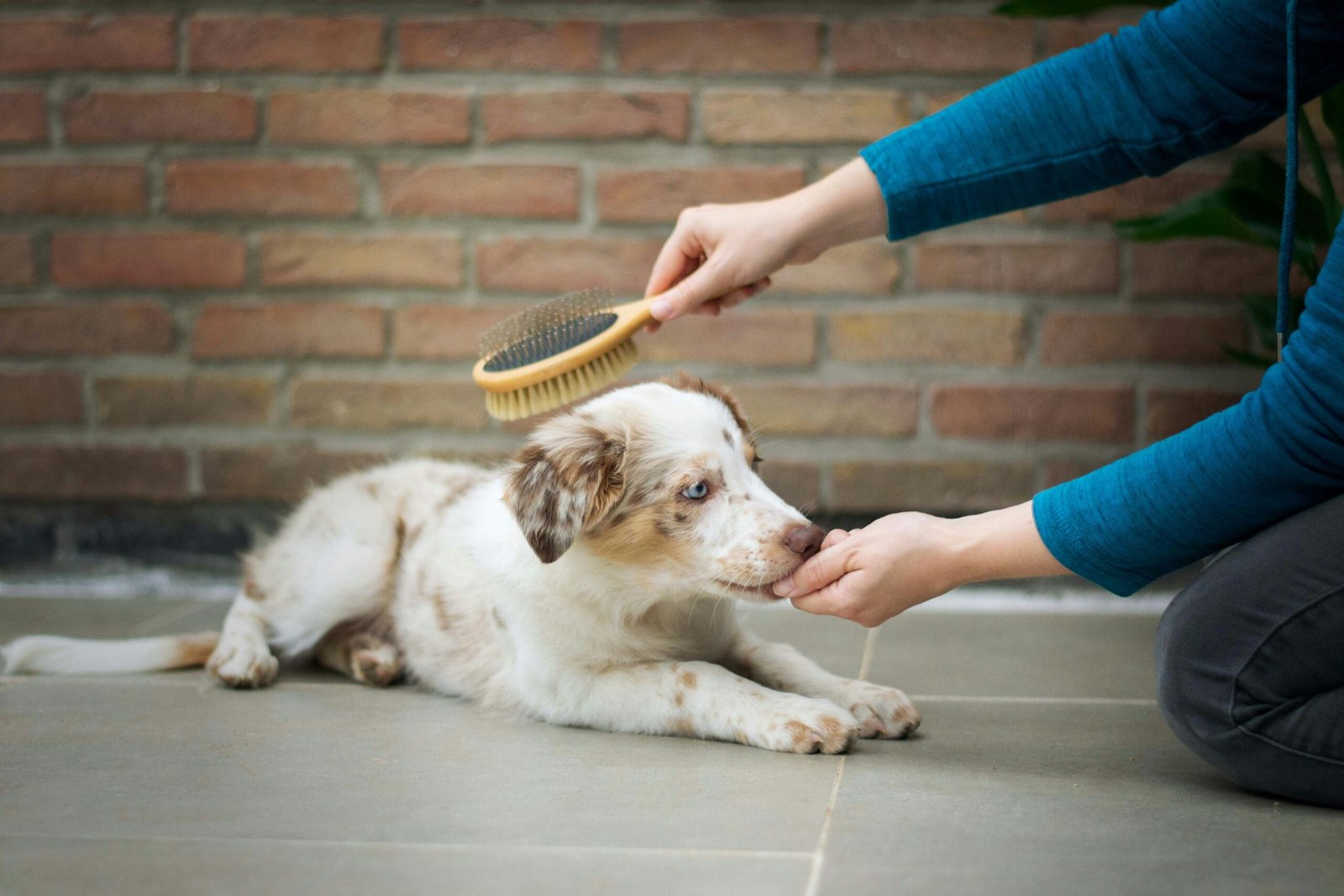
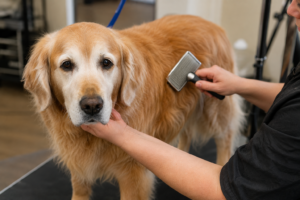
Brushing is the foundation of coat care and it becomes more important, not less, as a dog ages. A coat that is not brushed regularly develops mats, and mats on an older dog are a more serious problem than on a younger one. They pull on fragile skin, trap moisture, and conceal underlying skin issues that need attention. In severe cases, mats over arthritic joints create constant tension on already painful areas.
The frequency of brushing depends on coat type. Long-coated and double-coated breeds need brushing several times per week at minimum. Short-coated breeds need it less often but still benefit from weekly brushing that removes dead hair and stimulates circulation in the skin.
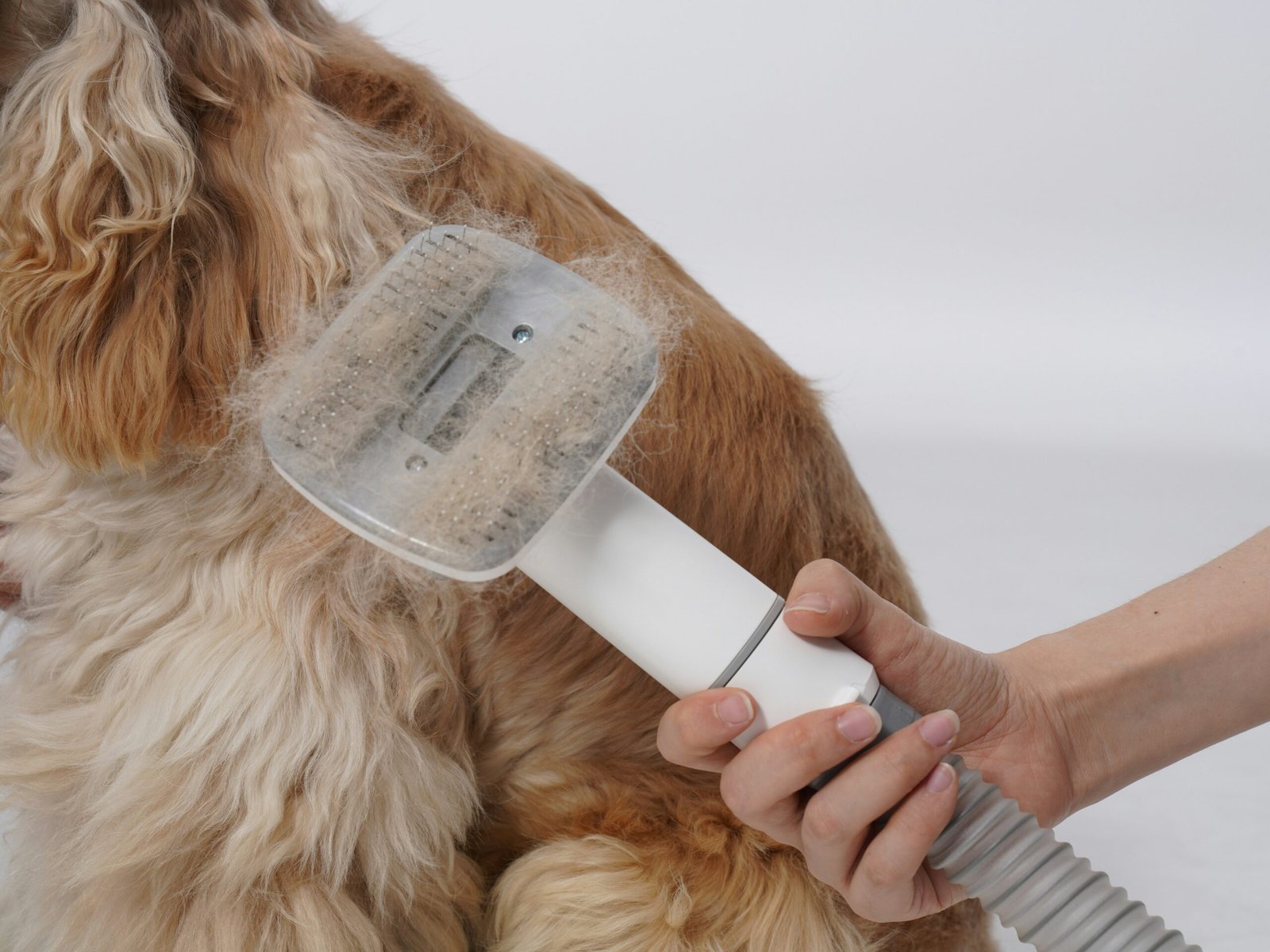
The tool matters more than most owners realise. A slicker brush with stiff metal pins can cause brush burn on thin senior skin if used with the same pressure appropriate for a younger dog. A softer bristle brush or a brush with coated pin tips is less aggressive on the skin surface. For double-coated breeds, an undercoat rake removes dead undercoat effectively without the need to drag repeatedly across the same area.
The technique that worked naturally with your dog lying down is worth continuing. Brushing in sections while the dog is resting removes the demand on joints that standing requires. Work with the direction of coat growth rather than against it, use lighter strokes than you think are necessary, and pay particular attention to the areas behind the ears, under the armpits, around the collar and at the base of the tail, where mats form most readily.
When you encounter a sensitive area, do not push through. Work around it and come back with a lighter touch. If an area is consistently reactive, check whether there is a joint or skin issue underneath that warrants veterinary attention.
Bathing a Senior Dog Safely
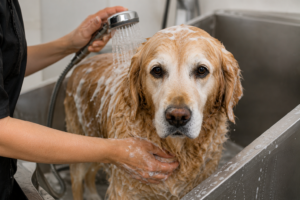
Most senior dogs do not need to be bathed frequently. Every four to six weeks is appropriate for most dogs, and over-bathing strips the natural oils from already dry senior skin and makes dryness worse. The right shampoo at the right frequency, followed by thorough rinsing, keeps the coat and skin in better condition than frequent bathing with a poor product.
Shampoo selection matters significantly for older dogs. Look for formulations that are pH balanced for dogs and free from alcohol, artificial fragrances and sulphates. Oatmeal-based shampoos are well suited to dry or sensitive senior skin because they soothe rather than strip. Medicated shampoos for specific skin conditions should only be used on veterinary advice.
The physical setup of the bath is where most problems with senior dogs arise. A dog with stiff joints and reduced confidence cannot be expected to stand on a slippery surface in a bath or shower without difficulty. A non-slip mat in the bath is not optional for a senior dog. It is the difference between a manageable experience and one that terrifies the dog and potentially causes injury.
Water temperature should be warm but not hot. Senior dogs are less able to regulate their body temperature, and hot water raises the body temperature faster than a younger dog would tolerate. Lukewarm water that feels comfortable on the inside of your wrist is the correct target.
Support the dog throughout. If your dog is large or has significant mobility limitations, bathing with a second person helps enormously. One person handles the washing while the other provides physical support and reassurance. For dogs that find bathing highly stressful, dry shampoo or grooming wipes between full baths reduce the frequency of full bathing sessions without allowing the coat to deteriorate.
After bathing, dry the coat thoroughly. A damp coat on a senior dog in a cool environment contributes to joint stiffness. Use a towel first, then a low-heat hairdryer at a distance if the dog tolerates it. Never apply direct heat to senior skin.
For a deeper guide to bathing frequency and technique for older dogs, this spoke on how often should you bathe a senior dog covers the full picture.
Nail Care for Senior Dogs
Nail care is the grooming task that owners most commonly neglect and that has the most direct impact on a senior dog’s physical comfort and mobility.
When nails are too long, the dog cannot place the paw flat on the ground in the way the body expects. The foot tilts backward to accommodate the length of the nail, which changes the angle of the leg and places abnormal load on already strained joints from the paw upward. In a dog already managing arthritis or hip problems, long nails amplify the discomfort of every step. This is not a minor issue. It is a compounding source of pain that is entirely preventable.
The frequency of nail trimming depends on how much the dog walks on hard surfaces. A dog that walks regularly on pavements naturally wears nails down faster than one that primarily walks on grass or soft ground. Most senior dogs, who tend to walk less and on softer terrain, need trimming every three to four weeks.
The challenge with senior dogs is that nail trimming often becomes more difficult as dogs age. A dog that tolerated it without complaint when younger may now resist more strongly, not because of the trimming itself but because of the handling required. Being held or having the leg extended in a particular direction can be uncomfortable for stiff joints. The solution is to work with the dog in whatever position is most comfortable, which for many senior dogs means lying on their side, and to do fewer nails per session if a full session causes distress. Four nails done calmly is better than all nails done under stress.
The quick, the blood vessel inside the nail, grows longer in nails that have been left too long without trimming. This means there is less room to cut without causing bleeding in a dog with overgrown nails. Trim small amounts more frequently rather than attempting to cut back to the correct length in a single session.
For tool recommendations suited to older dogs, including options for dogs with thicker nails that are common in some senior breeds, this guide to the best nail clippers for senior dogs covers the key differences.
Dental Care for Senior Dogs
Dental disease is present in the majority of dogs over seven years of age. It is not a cosmetic problem. Bacteria from periodontal disease enter the bloodstream and place additional strain on the heart, kidneys and liver, all of which are already under greater demand in an older dog. The gums and teeth deserve the same consistent attention as the coat.
Daily toothbrushing is the most effective preventive measure. The goal is to disrupt the bacterial biofilm on the tooth surface before it hardens into tartar. Once tartar forms, it cannot be removed by brushing and requires a veterinary dental cleaning under anaesthesia. Preventing tartar from forming is far simpler than removing it after the fact.
Use a toothbrush designed for dogs and a toothpaste formulated for dogs. Human toothpaste contains fluoride and other compounds that are toxic when swallowed, and a dog cannot rinse and spit. Dog toothpastes come in flavours that most dogs accept readily, which makes the difference between a session the dog tolerates and one it actively resists.
Introduce or reintroduce brushing gradually. A dog that has never had its teeth brushed will not accept a full brushing session immediately. Start by letting the dog taste the toothpaste from your finger, then progress to running a finger along the gum line, then introduce the brush over several sessions. Senior dogs can learn new routines. They simply need the introduction to happen at their pace.
Dental chews and water additives provide supplementary support but are not substitutes for brushing. They reduce bacterial load and freshen breath but do not remove tartar from areas the chew does not reach.
Signs that a veterinary dental check is needed include visible brown or yellow deposits on the teeth, red or swollen gumlines, persistent bad breath that is worse than normal, reluctance to eat hard food, dropping food while eating, or pawing at the mouth. These signs in a senior dog should not be monitored and waited on. They warrant prompt attention.
Ear Care for Senior Dogs
The ear canal of an older dog produces more wax in some individuals, while others develop drier, flakier debris as glandular activity changes with age. Either way, regular checking is more important in senior dogs than younger ones because underlying issues, including infections and polyps, are more common and can develop more quickly.
Check the ears weekly. Healthy ears smell neutral and have a light coating of pale wax. Any dark discharge, strong odour, redness in the visible canal, or frequent head shaking and scratching at the ears indicates a problem that needs veterinary attention before any home cleaning takes place. Cleaning an infected ear at home without addressing the underlying infection drives debris further into the canal and makes the situation worse.
For ears that are healthy but accumulating normal wax, use a veterinary-approved ear cleaning solution applied to a cotton pad. Never insert cotton buds or any implement into the canal itself. Clean only what is visible, working gently from the outer edge inward. The dog will shake its head after cleaning, which is normal and helps dislodge any loosened debris from deeper in the canal.
Dogs with floppy ears that restrict airflow, such as Spaniels, Basset Hounds and Retrievers, are more prone to ear infections because the warm, moist environment inside the ear favours bacterial and yeast growth. These dogs need more frequent checking than upright-eared breeds. In senior dogs of these breeds, ear checks should be part of every grooming session without exception.
For a full guide to cleaning and maintaining senior dog ears, including the signs that distinguish normal wax from infection, this spoke on how to clean a senior dog’s ears goes into the detail this section does not cover.
Grooming a Senior Dog with Arthritis or Mobility Issues
Grooming a dog with joint pain requires adapting every part of the process to the dog’s physical limitations. The standard approach of having the dog stand on a grooming table or in a bath is often not appropriate for a dog that cannot bear weight comfortably or hold a position without pain.
The floor is often the most accessible grooming surface for an arthritic senior dog. A non-slip mat gives the dog secure footing if it needs to stand, and most of the grooming process can be completed with the dog lying on its side. Work around the dog rather than repositioning the dog to suit the task.
Extend and handle legs slowly and with awareness of the range of motion the joint allows. A joint with reduced mobility has a hard stop that is lower than in a healthy joint. Pushing past that point causes pain. When lifting a paw for nail trimming, support the leg from underneath and bring it only as far as it goes without resistance.
Keep sessions shorter than you might otherwise. A dog that is managing pain has less tolerance for the additional physical demand of a grooming session. Twenty minutes of calm, focused grooming is more valuable than an hour of a dog that is uncomfortable and trying to end the session.
Pay attention to body language throughout. Lip licking, yawning, turning the head away, shifting weight or standing up when lying down are all signals that the dog is uncomfortable. These signals precede a snap or a growl. Responding to them before they escalate keeps both you and the dog safe, and it keeps grooming a tolerable rather than aversive experience.
For dogs with significant mobility limitations, a professional groomer experienced with senior dogs is worth considering for the tasks that are most physically demanding. For everything in between, this guide to how to groom a senior dog at home provides a practical step by step approach that accounts for mobility limitations throughout.
The right sleeping and resting surface also affects how a dog tolerates grooming. A dog that is well rested on a supportive bed moves into and out of grooming positions more easily than one sleeping on an inadequate surface. This guide to the best orthopedic dog beds for senior dogs covers what to look for. For dogs that need additional support during movement, this overview of senior dog mobility aids is worth reading alongside this guide.
How Often Should You Groom a Senior Dog
The honest answer is more often than most owners do, but in shorter sessions than they are used to.
Brushing should happen at least twice a week for most coat types, and daily for long-coated breeds. The goal is to prevent mats from forming and to catch skin changes early. Nails should be checked every two to three weeks and trimmed when they contact the ground on a flat surface. Teeth should be brushed daily, or at minimum four to five times per week. Ears should be checked weekly and cleaned when needed.
The shift for senior dogs is not the frequency but the duration and pressure. Shorter, more frequent sessions with lighter handling produce better outcomes than infrequent long sessions that exhaust or stress an older dog.
For a complete breakdown of bathing frequency and how coat type and lifestyle affect the schedule, this guide to how often should you bathe a senior dog covers the decision making in full.
FAQ
At what age should I change my dog’s grooming routine?
There is no fixed age because dogs age at different rates depending on breed and health. Larger breeds age faster and may need grooming adaptations from six or seven years onwards. Smaller breeds often remain physically robust into their early tens. The trigger is not the number on the birthday but the physical changes you observe: increased sensitivity, reduced stamina for sessions, changes in coat texture, or stiffness when being handled.
Can I still take my senior dog to a professional groomer?
Yes, and for many tasks it is the most practical option. Inform the groomer about any health conditions, joint problems or sensitive areas before the appointment. A good groomer adjusts their approach accordingly. Ask whether they have experience with senior dogs specifically, because the handling techniques required are different from those used with younger dogs.
My senior dog has always hated nail trimming. Is there anything I can do?
Start smaller than you think is necessary. Trim one nail per session, reward immediately, and stop. Over time, the association between trimming and reward builds enough that the dog tolerates more nails per session. The alternative, restraining a resistant dog and cutting all nails at once, produces a dog that is increasingly difficult to handle at each subsequent session. Patience over a longer period produces better results than force over a shorter one.
Should I change the shampoo I use as my dog gets older?
[likely] Yes for most dogs. If you are currently using a standard or medicated shampoo that was appropriate for a younger dog, moving to a gentle, moisturising formulation without harsh detergents or fragrances is appropriate for most senior dogs. Dry, itchy or flaky skin after bathing is a clear signal that the current shampoo is too stripping for the dog’s current skin condition.
How do I know if a skin change I find during grooming is serious?
Any lump, bump, thickening of skin, lesion, or area of hair loss that was not there at the previous grooming session warrants a veterinary check. Senior dogs develop skin changes more readily than younger dogs, and while many are benign, some are not. Finding them early during regular grooming gives you the best possible window for intervention.
Final Thoughts
Senior dog grooming is not a task to maintain on autopilot as your dog ages. The dog that lies calmly while you brush, tolerates nail trimming without complaint and accepts bathing without stress when young has not changed its preferences. Its body has changed underneath that same exterior, and the grooming routine needs to keep pace with those changes.
Shorter sessions, lighter pressure, more attention to feedback and a willingness to adapt the approach to the dog’s physical reality on any given day. That is what grooming an older dog well looks like. It takes more attentiveness than it used to. It also gives you regular, close contact with your dog’s body, which means you are the first to notice when something has changed.
That matters more than most owners realise until the day they find something early enough to do something about it.
Pingback: Best Nail Clippers for Senior Dogs - seniordog-care
Pingback: Best Grooming Tools for Senior Dogs - seniordog-care
Pingback: How to Groom a Senior Dog at Home - seniordog-care
Pingback: Best Dog Toothbrush for Senior Dogs - seniordog-care
Pingback: Bathing a Senior Dog: What You Need to Know - seniordog-care