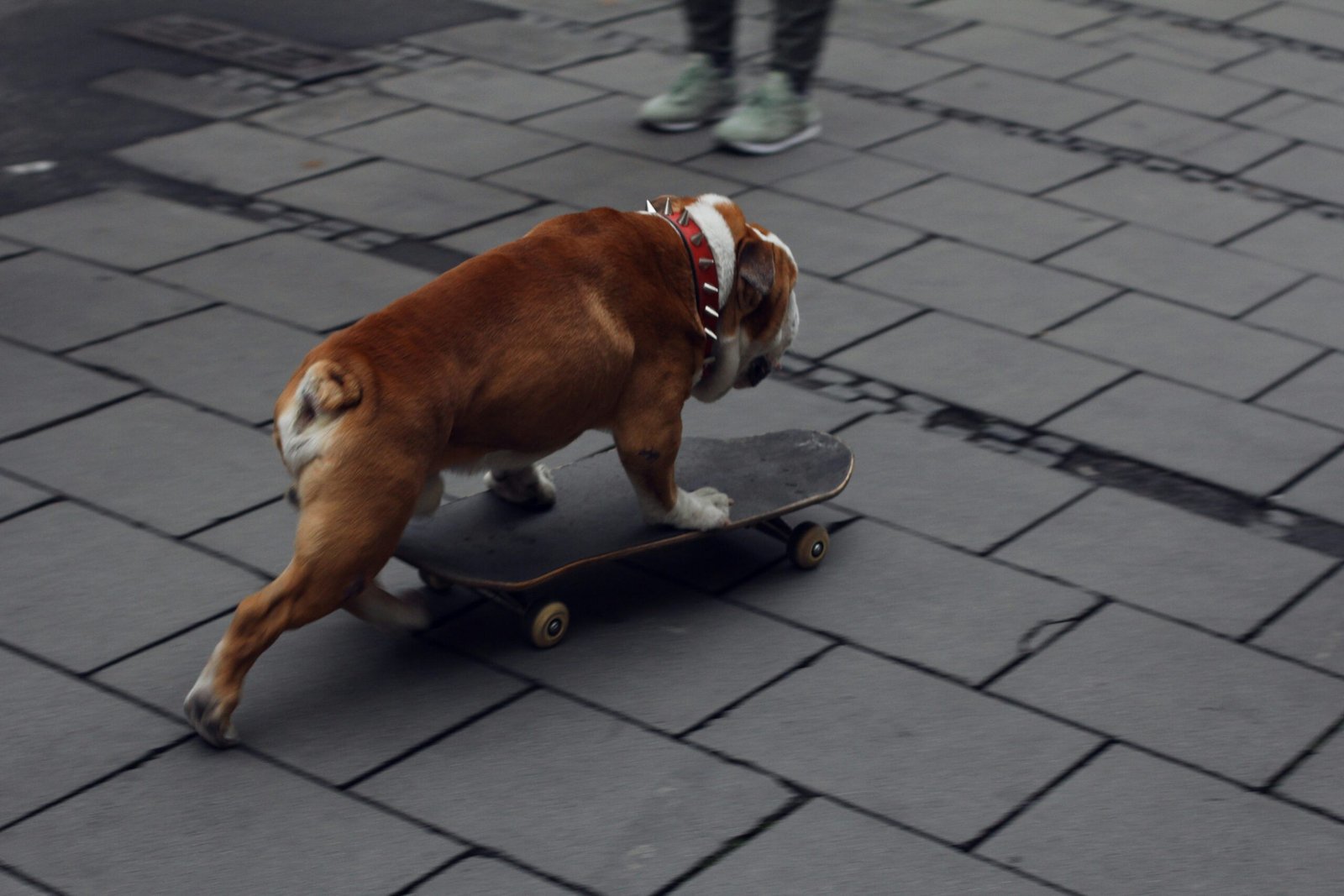
The best gadgets for senior dogs are not the ones with the most reviews on Amazon. They are the ones most owners never thought to look for. A dog ramp. A support harness. A GPS tracker for a dog with cognitive decline. A heated pad that takes the edge off stiff joints on a cold morning. These things exist, they work, and most people only find out about them after their dog has already been struggling for months.
Aging changes a dog in ways that happen gradually enough to miss. The hesitation before jumping into the car. The slower start after a nap. The confusion on a familiar walk. None of these things are dramatic on their own, but together they tell you that the dog’s daily environment needs to catch up with where the dog actually is.
This guide covers the main categories of gadgets that make a real practical difference for senior dogs. Each section explains what the gadget does, why it matters for an aging dog specifically, and links to the dedicated article where you can compare products and find the right option for your dog’s size and situation.
This post may contain affiliate links. If you buy through these links, I may earn a small commission at no extra cost to you. As an Amazon Associate, I earn from qualifying purchases.
Table of Contents
Mobility Gadgets: Reducing the Physical Cost of Daily Movement
Mobility is where most senior dogs start to struggle first, and it is also where the right gadget makes the most immediate difference. The underlying issue is joint stress. Every time a dog jumps onto a bed, climbs into a car, or navigates stairs, the impact travels through the hips, elbows, and spine. In a young dog with healthy cartilage, that is not a problem. In an older dog with worn joints, it adds up fast.
The two most practical mobility gadgets are ramps and support harnesses.
A ramp eliminates the jump entirely. Instead of a dog launching itself onto a surface and absorbing the landing through already-compromised joints, it walks up a gentle incline. This is most useful for cars, beds, and sofas, the surfaces dogs access multiple times a day. The difference in joint stress is significant, and most dogs adapt to a ramp within a few days. Non-slip surfaces matter here. A ramp a dog does not trust is a ramp a dog will not use. Best Dog Ramps for Senior Dogs (Top 6)
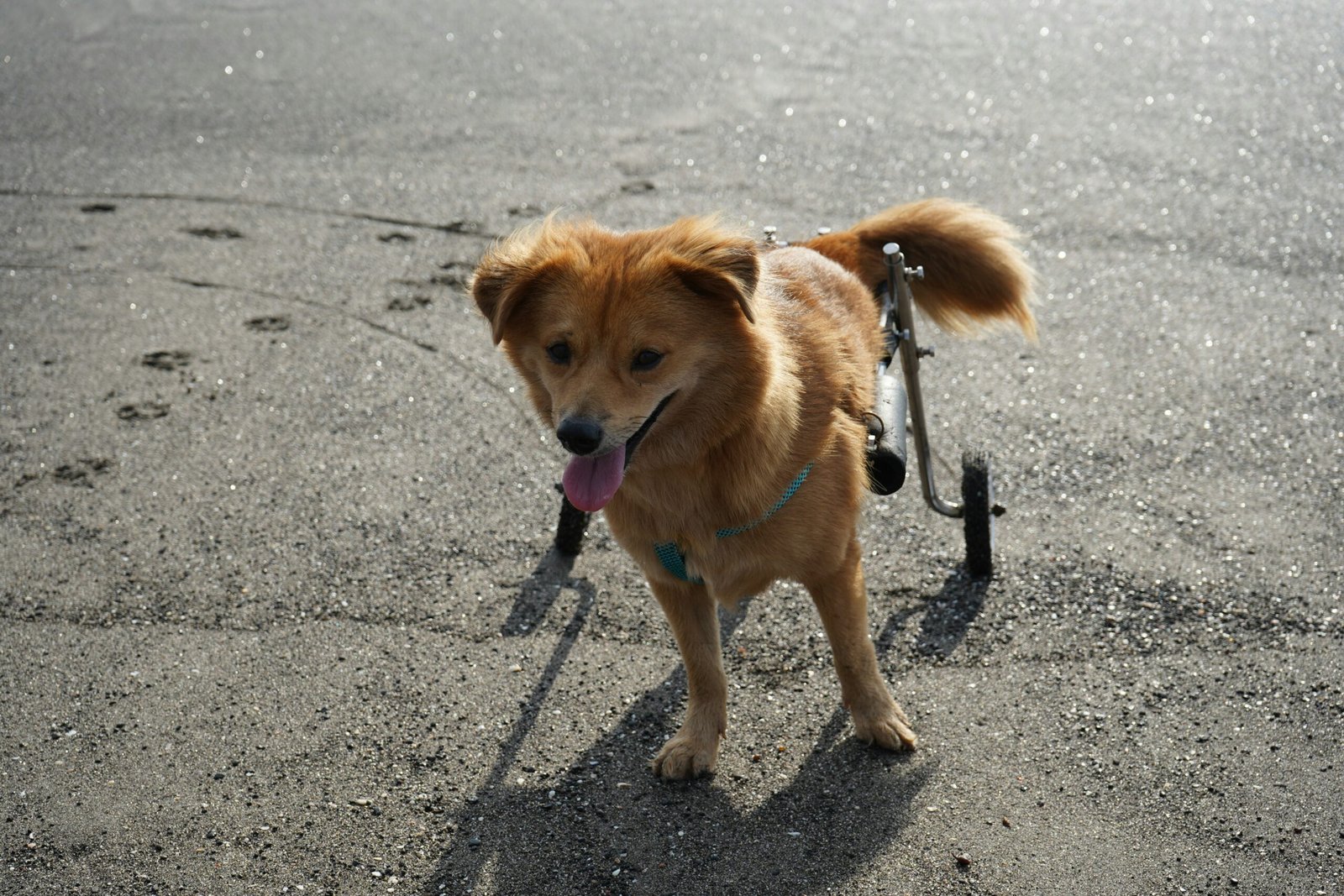
A support harness serves a different function. It gives the owner a handle to assist the dog with standing, climbing stairs, or getting into the car without putting strain on either the dog’s back or the owner’s back. For dogs that have lost strength in their hind legs, a rear-support harness can extend the period of comfortable independent movement by months or longer. Best Senior Dog Harness: 6 Picks by Mobility Need
Non-slip floor coverings belong in this category too, even though they are rarely discussed as gadgets. Older dogs lose grip strength in their paws, and smooth floors become a genuine hazard. Runners, yoga mats, or paw grip socks placed on the routes a dog uses most often prevent slipping and restore confidence. A dog that has slipped once on a hard floor will often become hesitant about moving through the house at all.
Comfort and Sleep Gadgets: Supporting the Body During Rest
Sleep is when a dog’s body repairs itself. For a senior dog dealing with joint inflammation or muscle stiffness, the quality of that rest directly affects how they move and feel the next day. A dog that sleeps on a flat, thin surface wakes up with more stiffness than one that slept on foam that distributed their weight properly. This compounds over time.
The most important comfort gadget is an orthopedic bed with sufficient foam density. The key word is density. A lot of beds marketed as orthopedic use thin or low-density foam that collapses under a dog’s weight within months. What actually matters is foam that holds its shape under sustained pressure and spreads the load away from pressure points at the hips, elbows, and shoulders. For large or heavy dogs, thickness matters too. Under five inches and the foam will bottom out. Best Orthopedic Dog Beds for Senior Dogs (2026 Guide)
Heated pads are the second most useful comfort gadget, particularly for dogs with arthritis or dogs that live in cooler climates. Gentle, consistent warmth reduces the stiffness that builds overnight in inflamed joints. The important safety specification is low wattage with an automatic shutoff. These are not electric blankets. They provide mild background warmth, enough to make a meaningful difference to a dog waking up on a cold morning. Recommended heated pads: Best Heating Pad for Dogs with Arthritis: 5 Options Compared
Cooling mats serve the opposite purpose in warmer months. Senior dogs regulate body temperature less efficiently than younger dogs, which makes heat stress a real risk. A cooling mat provides a surface that draws heat away from the body without requiring electricity or refrigeration. For older dogs that spend time indoors during summer, this is one of the more overlooked practical purchases. Check out this list of reccomended cooling mats Best Cooling Mats for Dogs: Tested in Extreme Heat
Safety and Monitoring Gadgets: Knowing Where Your Dog Is and How They Are
Senior dogs face safety risks that younger dogs do not. Vision deteriorates. Hearing fades. Cognitive function declines in a condition called canine cognitive dysfunction, which causes dogs to become disoriented, wander, and lose track of familiar spaces. A dog that has navigated the same neighborhood for ten years can genuinely get lost on a routine walk when cognitive decline sets in.
A GPS tracker is the most direct response to this. Modern trackers are lightweight enough to attach to a collar without bothering the dog, and they allow real-time location monitoring through a smartphone. For any dog showing signs of cognitive decline, this is not an optional extra. It is the kind of thing owners wish they had installed before the first time their dog wandered.
Night lights serve a related purpose indoors. As a dog’s vision weakens, low-light navigation through the house becomes genuinely difficult. Motion-activated lights placed near stairs, in hallways, and around food and water bowls let an older dog move through their own home without risk. This is a small and inexpensive change that makes a meaningful difference to a dog that is otherwise hesitant to move at night.
Health monitoring wearables for dogs have improved significantly. Current devices can track activity levels, sleep quality, and resting heart rate over time. The value is not in any single reading but in the trend. A gradual drop in daily activity or a change in sleep patterns can indicate the early stages of pain or illness before any obvious symptoms appear. For owners who want data rather than guesswork, a health monitor provides an early warning system. If you are weighing whether a smart, app-connected device is worth the extra cost over a simpler option for your specific situation, our guide on smart versus basic dog gadgets covers that decision directly.
For product recommendations: Best Health Monitor for Senior Dogs
Feeding and Hydration Gadgets: Reducing the Physical Effort of Eating
Eating and drinking become physically harder for senior dogs in ways that owners often attribute to appetite changes or finickiness. The real issue is often structural. A dog with neck or shoulder arthritis finds bending down to floor-level bowls uncomfortable. Over time they eat less not because they want less food but because the act of eating hurts.
Elevated feeders address this directly. Raising the bowl to roughly shoulder height removes the need to bend the neck and reduces strain on the spine and front joints. For dogs with arthritis in the neck, shoulders, or elbows, this single change often improves appetite and eating consistency within days. The right height is specific to the dog. A bowl set too high creates a different strain. The general guideline is that the bowl rim should sit at or just below the dog’s lower chest.
Automatic feeders serve a different function. Senior dogs often do better on smaller, more frequent meals than the standard two-meal schedule. An automatic feeder dispenses set portions at set times without requiring the owner to be present, which is useful for dogs on medication schedules or dogs whose appetite is more variable than it used to be.
Water fountains are underused for senior dogs. Older dogs drink less water than they should, partly because standing still over a bowl takes effort when joints are stiff, and partly because stagnant water is less appealing. A circulating fountain keeps water oxygenated and fresher, which encourages more frequent drinking. Chronic mild dehydration in senior dogs contributes to kidney stress and worsens joint inflammation, so this is not a trivial issue.
For more on feeding setup: Best Elevated Dog Bowls
Enrichment Gadgets: Keeping the Brain Active When the Body Slows Down
Physical slowing does not mean cognitive slowing, at least not at first. Senior dogs still want mental engagement. They still have working noses, problem-solving instincts, and a drive to interact with their environment. The difference is that the enrichment needs to match the body’s current capacity.
Puzzle feeders make meals into a low-impact mental exercise. Instead of eating from a bowl in thirty seconds, the dog works through a series of compartments or mechanisms to access food. This slows eating, which improves digestion, and provides cognitive engagement without requiring physical exertion. For dogs with reduced mobility, a puzzle feeder can be one of the more consistent sources of daily stimulation.
Snuffle mats work on the same principle but engage scent rather than problem-solving. Hiding food in the fibres of a snuffle mat triggers the dog’s foraging instinct. Nose work of this kind is genuinely tiring in a good way. A dog that spends twenty minutes working through a snuffle mat has used its brain in a way that is as satisfying as a much longer walk would have been when they were younger.
Slow feed bowls occupy a middle position. They are simpler than puzzle feeders but still require the dog to work for food in a way that engages attention and slows consumption. For dogs that are not yet ready for the complexity of a full puzzle feeder, a slow bowl is a useful starting point.
The underlying point for all enrichment gadgets is the same: a senior dog that has nothing to engage with mentally deteriorates faster. Cognitive decline accelerates in dogs that are understimulated. Enrichment tools are not toys. They are a meaningful part of keeping the brain functional for longer.
How to Introduce Gadgets to a Senior Dog
The most common reason a gadget does not work is the introduction. Senior dogs are more set in their habits than younger ones. A ramp placed next to the bed will be ignored if the dog has not been shown that it leads somewhere familiar. A puzzle feeder introduced at full complexity will frustrate a dog that has never worked for food before.
The practical approach is to introduce one thing at a time and build positive association before expecting the dog to use it independently. For a ramp, this means placing treats along the surface and guiding the dog up and down several times over several days before relying on it. For a puzzle feeder, start with the easiest setting even if your dog could probably handle harder, and let success build confidence.
Senior dogs also respond to scent. Placing a worn item of the owner’s clothing on a new bed helps the dog accept it faster. Rubbing a treat on a ramp surface makes it more interesting. These are small adjustments that reduce the time between introducing a gadget and the dog actually using it willingly.
FAQ
What gadgets do senior dogs actually need?
The answer depends on the dog. Start by looking at what your dog struggles with. If they hesitate before jumping, a ramp is the priority. If they wake up stiff, the bed is the priority. If they are losing weight or eating inconsistently, look at the feeding setup first. There is no single list that applies to every senior dog, but mobility aids, an orthopedic bed, and an elevated feeder cover the most common problems across most dogs.
At what age should I start using gadgets for my dog?
Most large breeds start showing the early signs of joint wear at seven or eight years old. Smaller breeds tend to stay mobile longer, often until nine or ten. The better question is not about age but about what you are observing. Hesitation, stiffness after rest, and reluctance to jump are the practical signals. Starting before the problem becomes severe is always more effective than responding after mobility has already declined significantly.
Are ramps or stairs better for senior dogs?
Ramps are generally better. Stairs require the dog to lift each leg to a set height repeatedly, which still loads the joints with each step. A ramp allows a continuous, lower-impact movement up a gentle incline. For dogs with significant arthritis or hip dysplasia, the difference in joint stress is meaningful. Stairs work for some dogs in some situations, but when in doubt a ramp is the safer choice.
Can enrichment gadgets slow cognitive decline in senior dogs?
Consistent mental stimulation is associated with slower cognitive decline in aging dogs, in the same way that cognitive engagement supports brain health in aging humans. Puzzle feeders, snuffle mats, and nose work activities keep neural pathways active. They do not reverse decline, but they can slow the rate at which it progresses when used consistently over time.
How do I know if my senior dog needs a support harness?
The clearest signs are difficulty standing from a lying position, weakness or wobbling in the hind legs, and hesitation or inability to manage stairs independently. A harness is appropriate when the dog needs physical assistance to complete movements that were previously independent. It is not a sign of failure. It is a tool that extends the period of comfortable movement and reduces the risk of falls.
Final Thoughts
The best gadgets for senior dogs solve specific problems that most owners did not know had solutions. A dog that struggles to get into the car does not have to struggle. A dog that wakes up stiff does not have to wake up stiff. A dog with cognitive decline does not have to wander unsupervised. The right tools exist for all of these situations, and they make a practical difference to how a senior dog experiences daily life.
These gadgets work best as the finishing touch, not the starting point. Start with the basics in this senior dog daily care guide if you have not already.
Sources
- https://www.akc.org/expert-advice/health/caring-for-your-older-dog/
- https://vcahospitals.com/know-your-pet/arthritis-in-dogs
- https://www.ncbi.nlm.nih.gov/pmc/articles/PMC6523606/
- https://www.frontiersin.org/journals/veterinary-science/articles/10.3389/fvets.2023.1009279/full
- https://www.petmd.com/dog/general-health/canine-cognitive-dysfunction

Pingback: 10 Practical Gadgets That Help Senior Dogs Live Better - seniordog-care
Pingback: Best Orthopedic Dog Beds for Senior Dogs & Large Breeds (2025 Review)
Pingback: Best Support Harness For Senior Dogs (best of 2025)
Pingback: Best Dog Ramps for Senior Dogs (Top 6) - seniordog-care
Pingback: Top 8 Dog Ramps for Aging Dogs – Support Their Joints & Independence
Pingback: Best Health Monitor for Senior Dogs - seniordog-care
Pingback: Best Elevated Dog Bowls: Improve Eating Posture and Digestion for Dogs - seniordog-care
Pingback: Best Orthopedic Dog Bed for Small Dogs (Top-Rated) - seniordog-care