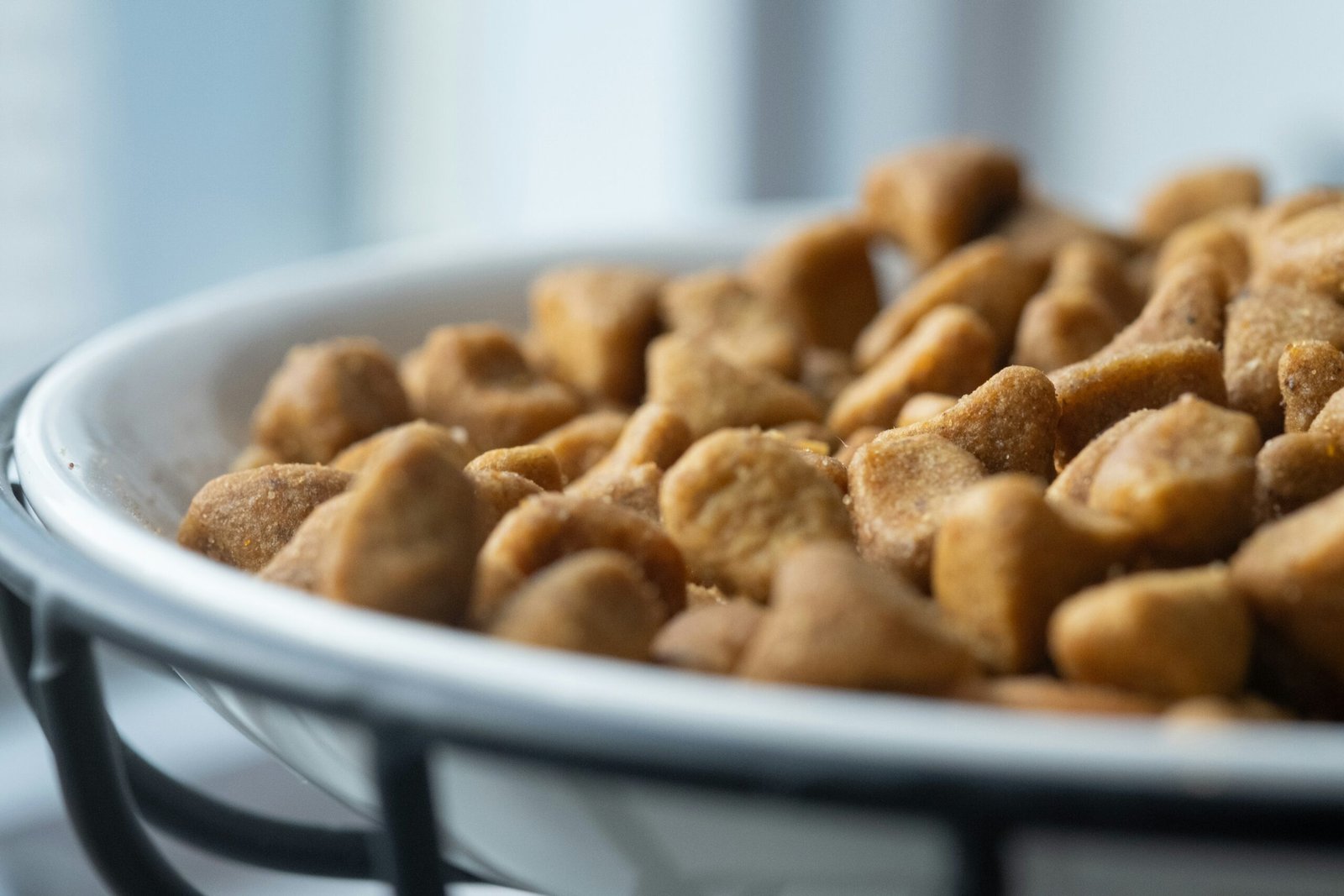
Senior dog nutrition is not simply adult dog food with fewer calories. As dogs age, their metabolism slows, muscle mass declines, digestion becomes less efficient, and joints carry more strain, and each of these changes calls for a genuinely different approach to feeding, not a smaller portion of the same bowl.
This guide covers what actually changes in an ageing dog’s body, the nutrients that matter most as a result, and how to work out which specific situation applies to your dog, since a lean, healthy ten-year-old and an overweight nine-year-old with joint stiffness need different things from their food. Once you know what your dog actually needs, the rest of this site’s guides on allergies, digestion, weight and food format go into the specific products worth considering.
This post may contain affiliate links. If you buy through these links, I may earn a small commission at no extra cost to you. As an Amazon Associate, I earn from qualifying purchases.
Table of Contents
What Changes in a Dog’s Body as They Age
Most dogs are considered senior from around age seven, though large and giant breeds often reach this stage earlier, sometimes from five or six. What happens biologically matters more than the number itself.
Metabolism slows, which means a senior dog burns fewer calories doing the same activities it always did. Muscle mass declines through a natural process called sarcopenia, making protein quality more important, not less, despite the outdated advice that older dogs need less protein. Joint cartilage thins, increasing the risk of stiffness and discomfort. Digestive efficiency drops, so nutrient absorption from the same food becomes less complete than it used to be. Thirst drive often decreases as well, which affects hydration and kidney function over time.
None of these changes happen on a fixed schedule. A lean, active senior with no joint issues has different priorities from an overweight senior with early arthritis, which is exactly why matching food to your dog’s specific situation produces better outcomes than following a generic senior ranking.
Key Nutrients Every Senior Dog Needs
Protein. Senior dogs need adequate, high-quality protein to maintain muscle mass, not less of it. Look for a named animal protein such as chicken, salmon, lamb or turkey as the first ingredient, with crude protein above roughly twenty five percent on the guaranteed analysis. The advice to reduce protein applies only to dogs with diagnosed kidney disease, not to healthy ageing dogs.
Healthy fats. Omega-3 fatty acids, typically from fish oil or flaxseed, reduce the systemic inflammation that drives joint deterioration, support cognitive function, and keep the coat healthy. These should appear explicitly on the ingredient list rather than as a vague reference to healthy fats.
Fibre. Digestive efficiency drops with age, and fibre from sources such as pumpkin, beet pulp or sweet potato supports regular digestion and helps maintain a healthy weight without leaving your dog feeling hungry.
Vitamins, minerals and joint support. Antioxidants such as vitamin E support a less resilient immune system. Glucosamine and chondroitin, whether added directly or occurring naturally in the formula, support joint comfort as cartilage thins.
Hydration. This matters more than most owners realise. A reduced thirst drive combined with declining kidney function makes total water intake genuinely important, not a minor detail. Food format plays a real role here, since dry kibble delivers a fraction of the moisture that wet food does. Our full comparison of wet dog food versus dry dog food for senior dogs covers exactly when the extra hydration from wet food matters most. and once you have decided which format suits your dog, our guide to the best dry dog food for senior dogs covers specific picks if kibble is the right choice.
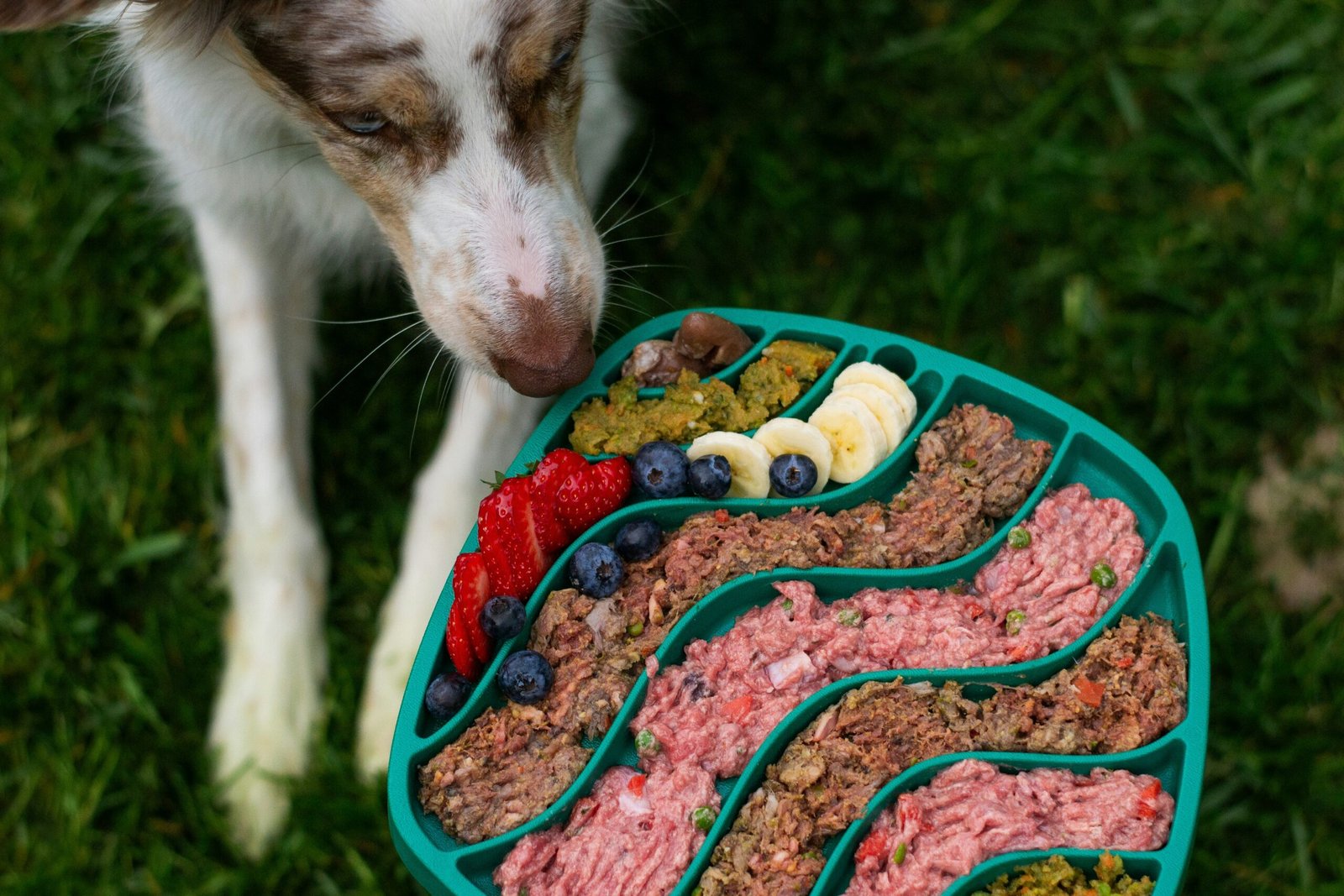
Matching Nutrition to Your Dog’s Specific Situation
Once you understand the nutrients above, the next step is working out which situation actually applies to your dog, since the right food depends far more on that than on any generic senior ranking.
If your dog shows signs of a food allergy, such as chronic itching, recurring ear infections, or skin issues that have not resolved with a standard diet, the mechanism matters more than the brand. Our guide to the best dog food for senior dogs with allergies covers named products and a full food trial protocol you can run before involving a vet.
If your dog struggles with digestion, showing loose stools, gas, or general digestive discomfort without the skin and ear symptoms that point to an allergy, the fix usually involves gentler ingredients and added digestive support rather than a full protein overhaul. Our guide to the best dog food for senior dogs with sensitive stomachs walks through the right approach.
If your dog is gaining weight despite eating the same portions, which is one of the most common consequences of a slowing metabolism, calorie density and protein-to-fat ratio become the priority. Our guide to the best weight management dog food for senior dogs covers formulas built specifically for this trade-off, reducing fat without sacrificing the muscle-supporting protein your dog still needs.
If your dog has a genuine grain sensitivity, rather than a broader allergy, our guide to the best grain free senior dog food covers the DCM research and which formulas actually make sense.
If none of the above applies, and your dog is a generally healthy senior with no specific condition to manage, our guide to the best senior dog food by health need is the right starting point, since it sorts recommendations by exactly the situations covered here rather than offering one generic ranking.
How to Read Past the Senior Label
The word senior on a bag of food carries no regulated meaning. AAFCO, the body that sets nutrient standards in the United States, recognises only two official life stages, growth and reproduction, and adult maintenance. There is no legally defined senior category, which means a senior label reflects a manufacturer’s own choices, not a guaranteed standard.
This is why the guaranteed analysis and ingredient list matter more than the word senior itself. Two products can both carry the label and differ meaningfully in protein quality, calorie density, and joint support. Checking these details yourself, rather than trusting the packaging, is the only reliable way to know what you are actually feeding.
How to Transition Your Senior Dog to a New Diet Safely
Switching a senior dog’s food too quickly is one of the most common causes of digestive upset, since an older dog’s gut microbiome adapts more slowly than a younger dog’s. The safe approach is a gradual switch over ten to fourteen days rather than changing food overnight.
For the full step-by-step schedule, including what to do if your dog shows loose stools or refuses the new food, our guide on how to transition your senior dog to a new diet covers every stage in detail.
Signs Your Current Diet May No Longer Be Working
A handful of changes are worth watching for, since they often signal that your dog’s current food no longer matches what their body needs. Weight gain despite stable portions usually points to a slowing metabolism outpacing the calorie density of the current food. Stiffness or reluctance to climb stairs points toward a need for stronger joint support. A duller coat or drier skin often reflects insufficient omega-3 intake. Changes in stool quality or frequency point toward digestive support needs. A decline in energy that is not explained by an obvious illness can also reflect nutrients no longer being absorbed as efficiently as before.
None of these signs demand an immediate switch on their own, but together, or persisting for more than a few weeks, they are a reasonable trigger to reassess the current diet against what is covered in this guide.

FAQ
At what age should I switch my dog to senior food?
Most dogs benefit from a senior-specific approach from around age seven, though large and giant breeds often benefit earlier, from five or six. The appearance of age-related changes, such as weight gain, reduced activity, or stiffness, is a more reliable trigger than age alone.
Do senior dogs need less protein?
No. Senior dogs need adequate, high-quality protein to maintain muscle mass. Reduced protein applies only to dogs with diagnosed kidney disease, not to healthy ageing dogs.
How do I know if my senior dog’s current food is working?
Look for stable weight, a shiny coat, consistent stools and steady energy over four to six weeks. If none of these improve after switching, the formula may not match what your dog actually needs, and revisiting the best senior dog food by health need guide is a reasonable next step.
Is grain-free food necessary for senior dogs?
Not automatically. Grain-free helps dogs with a genuine grain sensitivity. A dog without one can do well on a quality formula that includes grains such as brown rice or oats.
How often should I feed my senior dog?
Two smaller meals a day generally suit senior dogs better than one large meal, supporting steadier digestion and energy throughout the day.
Should I add supplements alongside a good senior food?
Often, yes. Joint supplements, omega-3s and probiotics can add support beyond what food alone provides, particularly for a dog with existing joint or digestive concerns. Our guide on supplements for senior dogs covers which ones have genuine research behind them. Always introduce new supplements gradually.
Final Thoughts
Senior dog nutrition comes down to matching real biological changes, slower metabolism, declining muscle mass, thinning joints, and reduced digestive efficiency, to what your specific dog needs right now, rather than trusting a generic senior label to have done that work for you.
Once you know whether your dog’s main issue is allergies, digestion, weight, or nothing specific at all, the right guide on this site will take you the rest of the way to an actual product decision.
Sources
https://www.avma.org/resources-tools/pet-owners/petcare/nutrition-your-pet
https://www.aafco.org/Regulatory/Feed-Ingredients/Nutrient-Profiles
https://www.akc.org/expert-advice/nutrition/nutritional-needs-for-senior-dogs/
https://vcahospitals.com/know-your-pet/feeding-mature-and-senior-dogs


Pingback: Best Senior Dog Food 2025 - seniordog-care
Pingback: Why Does My Senior Dog Eat Grass? What It Really Means
Pingback: What Supplements Do Senior Dogs Need? (2026 Guide)
Pingback: Bladder Control in Senior Dogs: Why It Happens and What to Do
Pingback: How Much to Feed a Senior Dog: For Big and Small
Pingback: Hypoallergenic Dog Food for Senior Dogs Explained - seniordog-care
Pingback: How to Read Dog Food Labels for Senior Dogs - seniordog-care
Pingback: Best Dry Dog Food for Senior Dogs 2026 - seniordog-care
Pingback: Wet Dog Food vs Dry Dog Food for Senior Dogs - seniordog-care
Pingback: Best Dog Food for Senior Dogs With Sensitive Stomachs - seniordog-care
Pingback: The 7 Best Dog Foods for Small Senior Dogs - seniordog-care
Pingback: Senior Dog Weight Gain: Why It Happens and What to Do
Pingback: Best Weight Management Dog Food for Senior Dogs 2026
Pingback: How to Transition Your Senior Dog to a New Diet
Pingback: How to Help a Senior Dog with a Slow Metabolism
Pingback: How to Mix Wet and Dry Dog Food for Senior Dogs
Pingback: Best Dog Food for Big Senior Dogs (2026 Picks) - seniordog-care