Introduction
When it comes to feeding your dog, one of the most common questions owners ask is: “Wet dog food vs dry dog food — which is better?” It sounds simple, but the answer depends on your dog’s age, health, and lifestyle.
Many pet parents assume all dog foods are created equal — yet the differences between wet and dry food go far beyond texture. From nutrient density and hydration to dental health and convenience, both options offer unique benefits (and drawbacks) that can significantly impact your dog’s well-being.
For senior dogs, the choice becomes even more important. Aging often brings changes in digestion, teeth strength, and appetite, making the right type of food essential for maintaining weight, comfort, and long-term health.
In this guide, we’ll break down everything you need to know about wet vs dry dog food — including their pros and cons, nutritional differences, and how to choose what’s truly best for your senior companion.
This post may contain affiliate links. If you buy through these links, I may earn a small commission at no extra cost to you. As an Amazon Associate, I earn from qualifying purchases.
Table of Contents
Understanding Wet and Dry Dog Food
Before deciding which type of food is best for your dog, it’s important to understand what truly sets wet dog food and dry dog food apart — not just in texture, but in nutritional profile, storage, and feeding practicality.
Wet Dog Food
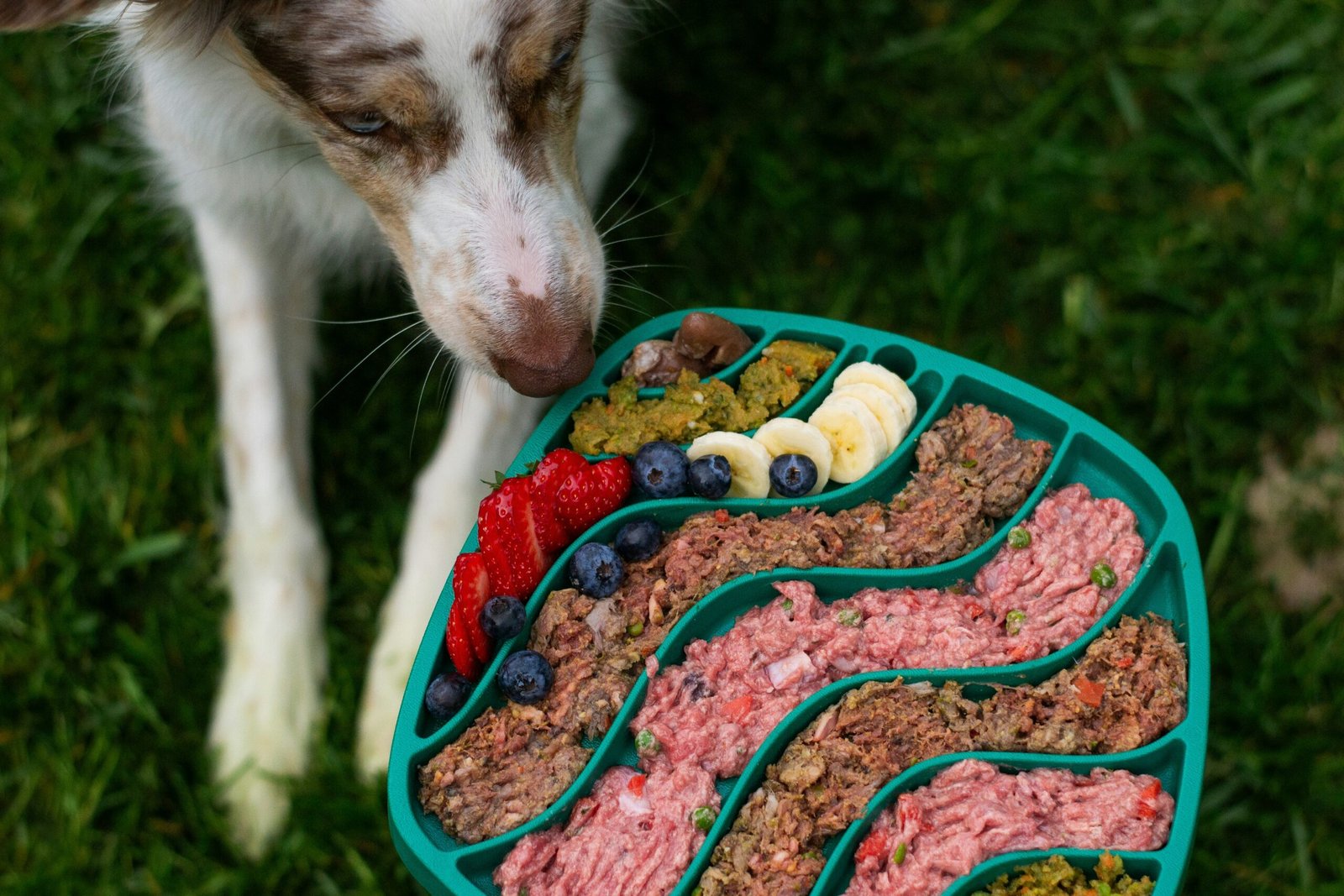
Wet food, often sold in cans or pouches, typically contains around 70–80% moisture, making it softer and easier to chew. It’s usually made from fresh meat, organs, and added nutrients, giving it a rich aroma and flavor that appeals to even the pickiest eaters.
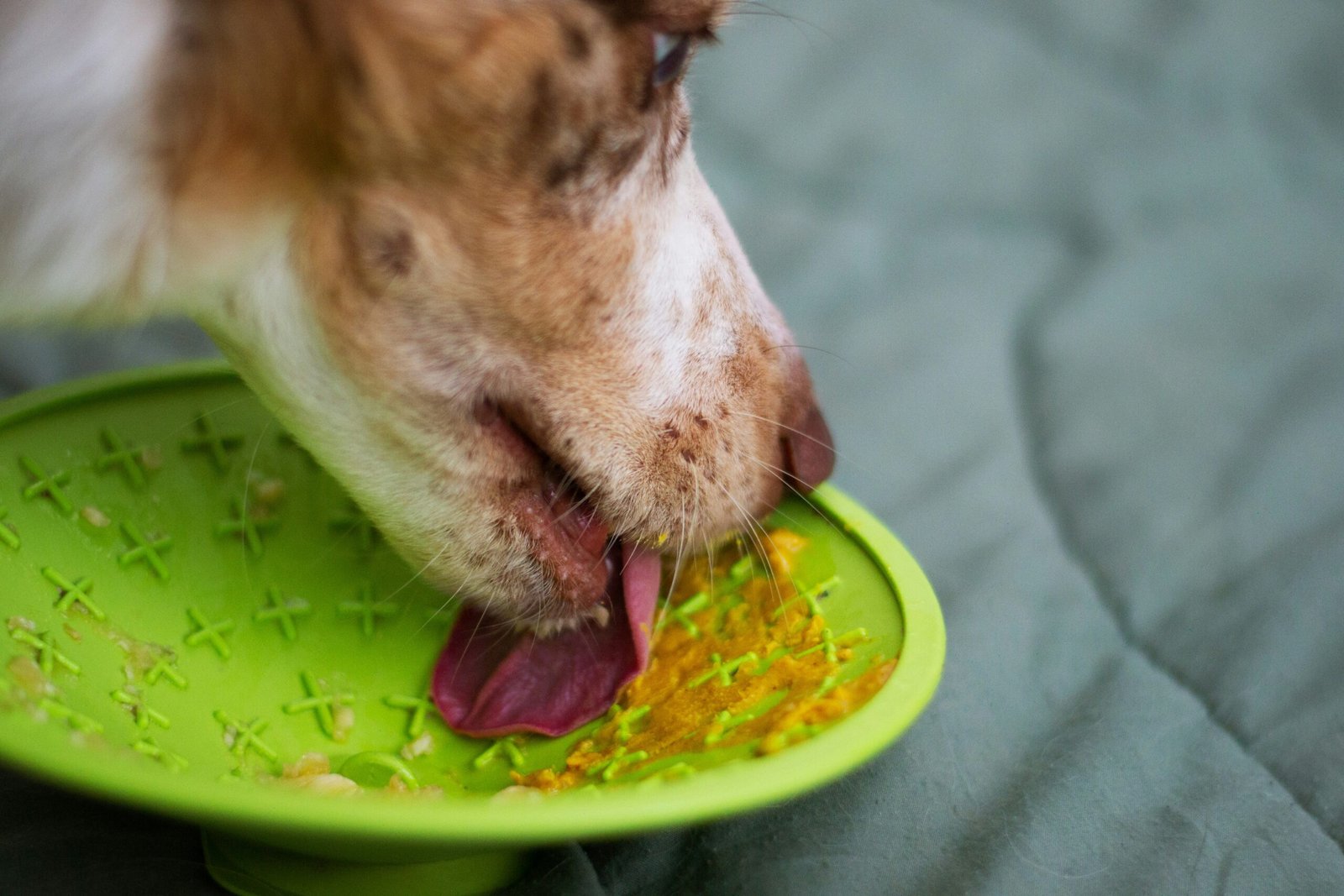
For senior dogs, wet food can be especially beneficial — it’s gentle on teeth, provides extra hydration, and is ideal for dogs with reduced appetite or dental problems.
However, wet food also tends to spoil faster, can be messier, and is generally more expensive per serving compared to dry kibble.
Want to know the Best Wet Dog Food? Check it in our Article Here.
Dry Dog Food (Kibble)
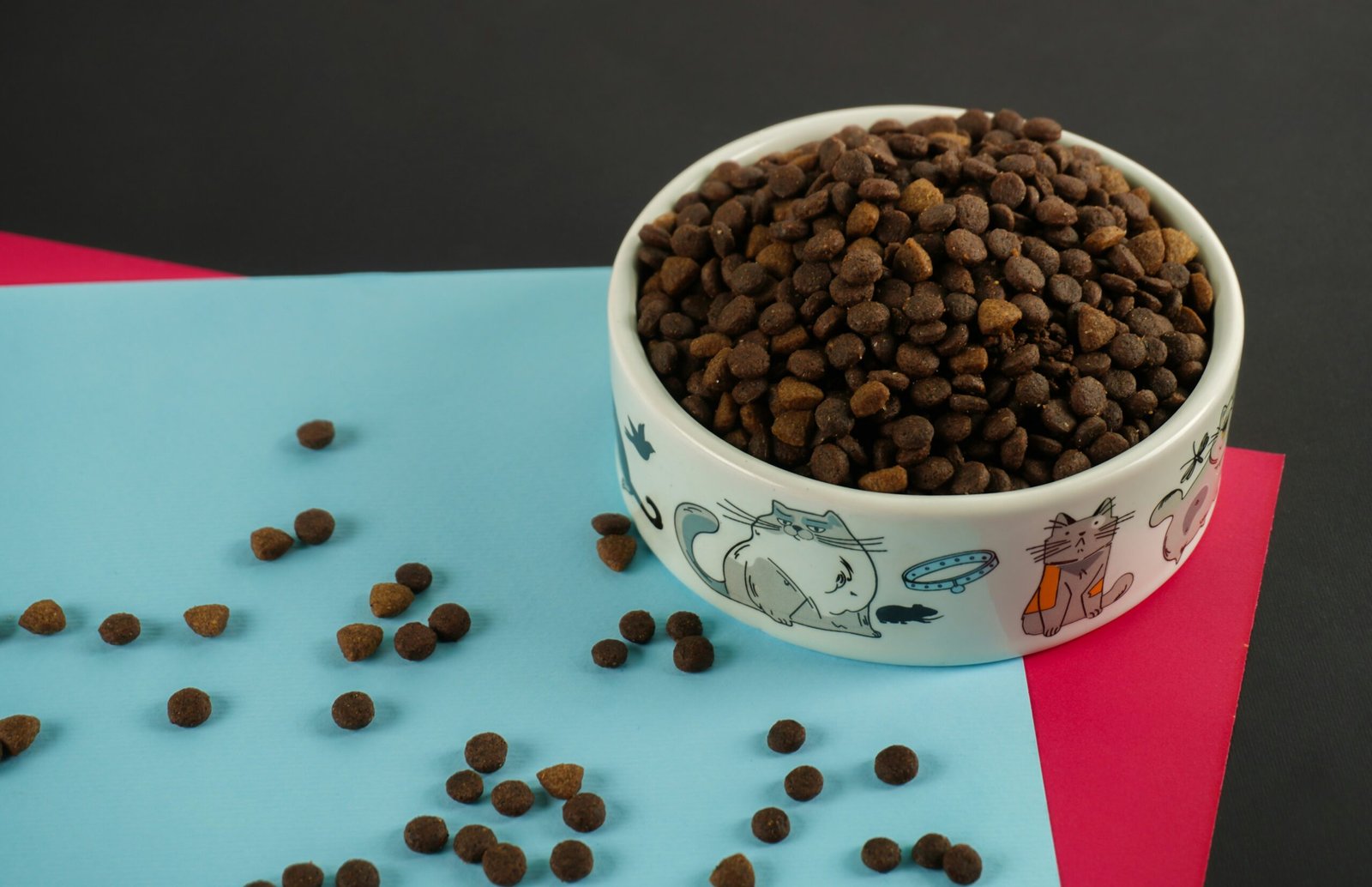
Dry food, or kibble, is the most common type of dog food. It has about 10% moisture and a long shelf life, making it convenient and cost-effective for daily feeding. It’s often formulated to help with dental health, as the crunchy texture can reduce plaque buildup.
High-quality dry dog foods are dense in nutrients and easy to store, but they can be harder for older dogs to chew and less palatable for picky eaters.
In short:
- Wet food excels in hydration and palatability.
- Dry food wins on convenience, storage, and cost.
Knowing these basics helps you make an informed decision before we dive deeper into the nutritional comparison between both.
Want to know what the Best Dry dog food? Check our Article Here.
Nutritional Comparison: Wet vs Dry Dog Food
When comparing wet dog food vs dry dog food, it’s not just about texture — it’s about what your dog actually gets from each bite. Nutrition plays the biggest role in determining which option truly supports your dog’s long-term health, especially for seniors.
Protein and Calories
Dry dog food generally contains a higher concentration of calories and nutrients per gram, since it has little water content. This means your dog can eat less but still meet their energy needs — ideal for larger breeds or active dogs.
Wet dog food, on the other hand, has a lower calorie density due to its high moisture content. It’s perfect for dogs who need to maintain or lose weight without feeling hungry, and it often features higher-quality animal proteins with fewer fillers.
Hydration and Digestibility
Wet food naturally provides hydration support, which is especially beneficial for older dogs or those who drink less water. The moisture content helps prevent dehydration and supports kidney function — a common concern in aging pets.
Dry kibble can be harder to digest for some dogs, especially seniors with sensitive stomachs or dental problems, though soaking it in warm water can make it easier to chew and digest.
Ingredients and Additives
While both food types can vary widely in quality, wet dog foods often use fewer preservatives because of their sealed packaging. Dry foods require stabilizers to maintain freshness, though many premium brands now use natural preservatives and high-quality ingredients to balance convenience and nutrition.
Dental Health
Kibble has a mild abrasive effect that helps reduce tartar buildup, giving it an edge in dental maintenance. However, it’s not a substitute for brushing — and for dogs with missing or sensitive teeth, wet food is clearly the better choice.
In summary, wet dog food offers hydration and palatability, while dry food provides convenience and concentrated nutrition. The best choice depends on your dog’s specific needs, age, and health condition.
Pros and Cons of Wet Dog Food
When evaluating wet dog food vs dry dog food, wet food often gets attention for its soft texture and rich flavor — but like anything, it has both strengths and weaknesses.
Pros of Wet Dog Food
1. High Moisture Content
Wet dog food typically contains 70–80% water, making it ideal for dogs that don’t drink enough. This extra hydration supports kidney health and helps prevent urinary issues, especially in senior dogs.
2. Easier to Chew and Swallow
The soft consistency makes wet food perfect for dogs with dental problems, missing teeth, or difficulty chewing kibble.
3. Highly Palatable
Most dogs find wet food irresistible thanks to its meaty aroma and texture. It’s a great option for picky eaters or dogs recovering from illness.
4. Fewer Fillers and Preservatives
High-quality wet foods tend to contain fewer artificial additives, focusing instead on fresh meat and natural ingredients.
5. Gentle on Digestion
Because it’s rich in moisture and protein, wet food is often easier on the stomach, especially for older dogs or those with digestive sensitivities.
Cons of Wet Dog Food
1. Shorter Shelf Life
Once opened, canned or pouch food spoils quickly — usually within 48 hours. You’ll need to refrigerate leftovers and plan feeding carefully.
2. More Expensive
Wet food generally costs more per serving than kibble, which can add up over time for larger dogs or multi-pet households.
3. Messier Feeding
Wet food can be messy to serve, and cleaning bowls afterward takes more effort than with dry kibble.
4. Can Lead to Weight Gain
Some wet foods contain added fats or gravies that make them tasty but calorie-dense. Always check labels, especially for senior dogs that are less active.
Overall, wet dog food is a great choice for hydration, palatability, and digestive comfort, particularly for senior or picky dogs. But if convenience, cost, or storage are concerns, dry food might fit better — which we’ll explore next.
Pros and Cons of Dry Dog Food
Dry dog food, or kibble, remains the most popular choice for dog owners — and for good reason. It’s convenient, cost-effective, and nutritionally balanced when you choose a quality brand. But like wet food, it has its trade-offs.
Pros of Dry Dog Food
1. Convenient and Easy to Store
Kibble has a long shelf life, doesn’t need refrigeration, and is easy to measure for portion control. It’s ideal for busy owners or multi-dog households.
2. Supports Dental Health
The crunchy texture of dry dog food helps reduce plaque and tartar buildup, promoting healthier gums and fresher breath — a key advantage in the wet dog food vs dry dog food debate.
3. Cost-Effective
Dry food is typically more affordable than canned food and can be bought in bulk without spoilage concerns.
4. Nutrient-Dense
Because it contains little water, kibble packs more calories and nutrients per cup, making it a practical choice for larger or highly active dogs.
5. Easy to Mix with Other Foods
You can easily mix kibble with wet food, bone broth, or supplements, offering variety without fully switching diets.
Cons of Dry Dog Food
1. Low Moisture Content
Dry food contains only about 10% moisture, which can contribute to dehydration — especially in older dogs or those with kidney issues.
2. Harder to Chew for Seniors
For dogs with dental problems or missing teeth, kibble can be tough to eat comfortably. Soaking it in warm water can help.
3. May Include More Fillers
Cheaper brands often rely on corn, soy, or wheat fillers instead of high-quality proteins, which can reduce digestibility and nutritional value.
4. Less Palatable for Picky Eaters
Some dogs simply don’t enjoy dry food, especially as they age and lose appetite or smell sensitivity.
In short, dry dog food excels in convenience, cost, and dental benefits, but falls short in hydration and palatability. For many pet owners, the best solution lies somewhere in between — which we’ll explore next.
Comparison Table
| Feature | Wet Dog Food | Dry Dog Food (Kibble) |
|---|---|---|
| Moisture Content | High (70–80%) – supports hydration and kidney health | Low (around 10%) – may require extra water intake |
| Ease of Chewing | Soft and gentle – ideal for senior dogs or dental issues | Crunchy texture – promotes dental health but harder to chew |
| Palatability | Very tasty and aromatic – great for picky eaters | Less palatable, but can be improved with toppings or broth |
| Calorie Density | Lower calories per gram – good for weight management | Higher calories per gram – ideal for active or large dogs |
| Storage & Shelf Life | Short shelf life once opened – requires refrigeration | Long shelf life – easy to store and portion |
| Cost | Generally more expensive per serving | More budget-friendly and available in bulk |
| Messiness | Can be messy to serve and clean up | Cleaner, easier feeding with less waste |
| Preservatives | Fewer preservatives (sealed packaging) | May contain natural stabilizers to extend freshness |
| Best For | Senior dogs, picky eaters, or dogs needing hydration | Active dogs, multi-pet homes, and owners prioritizing convenience |
Which Is Better for Senior Dogs?
When comparing wet dog food vs dry dog food for senior dogs, the best choice ultimately depends on your dog’s dental health, hydration levels, and appetite. But generally, as dogs age, wet or fresh foods tend to better meet their changing nutritional needs.
Why Wet (or Fresh) Food Often Wins for Seniors
Senior dogs often face dental discomfort, lower energy, and reduced thirst. That’s why foods with higher moisture content can make a major difference. Wet and fresh options — such as We Feed Raw’s Senior Dog Meal Plans or Raw Paws Pet Food Complete Chicken Blend — are soft, hydrating, and packed with nutrients that support joint health and digestion.
Key benefits:
- Easier to chew for dogs with sensitive teeth or gums.
- Helps maintain hydration, supporting kidney and bladder health.
- Rich in flavor, encouraging picky seniors to eat consistently.
If your senior dog has lost enthusiasm for dry kibble, these options can help bring back their appetite — naturally and nutritiously.
When Dry Food Still Makes Sense
For some seniors, high-quality dry food still has a place — especially when paired with supplements or fresh toppers. Dry kibble remains convenient, budget-friendly, and easy to store.
Look for premium senior formulas such as Hill’s Science Diet Adult 7+ Senior Dry Food or Purina Pro Plan Bright Mind Senior. These formulas are enriched with antioxidants, omega-3 fatty acids, and glucosamine to support joint flexibility and overall mobility.
A smart approach many pet parents take is mixing wet and dry food — blending the hydration and palatability of wet or fresh meals with the nutrient-dense crunch of kibble.
Pro Tip:
If you’re transitioning from kibble to a fresh or wet diet, do it slowly over 5–7 days. Start with 25% new food and increase the ratio each day to avoid digestive upset.
In summary:
- Fresh or wet food (like from We Feed Raw or Raw Paws Pet Food) is ideal for seniors needing hydration and easy digestion.
- Dry food is great for cost efficiency and maintaining weight.
- A balanced mix often provides the best nutrition and long-term comfort.
Ready to support your senior dog’s health?
Explore the best senior dog food options from We Feed Raw, Raw Paws Pet Food, Amazon, and EntirelyPets.
How to Transition Between Wet and Dry Food Safely
Switching your senior dog’s diet might sound simple — but a sudden change can lead to upset stomachs, gas, or diarrhea. Older dogs have more sensitive digestive systems, so it’s crucial to make the transition gradually and carefully.
Step-by-Step Guide to a Smooth Transition
1. Start with a 25/75 mix
Begin by mixing 25% of the new food with 75% of your dog’s current food. This allows your dog’s digestive system to slowly adjust to the new texture and nutrients.
2. Increase gradually over 7–10 days
Every two days, increase the new food portion by 25%. By the end of the week, your dog should be eating the new food entirely.
3. Support digestion
Senior dogs may benefit from probiotics or digestive enzyme supplements during a diet change. These can help reduce gas and improve nutrient absorption.
4. Keep hydration high
If you’re introducing dry food, ensure fresh water is always available — or mix in a small amount of wet food to add moisture.
5. Monitor stool and appetite
A healthy transition means your dog’s stool remains firm and their appetite stays consistent. If you notice loose stools or refusal to eat, slow the transition or revert to the previous food temporarily.
Bonus Tip: Mix for Balance
Many dog owners find success in combining wet and dry meals. This approach:
- Keeps feeding time interesting
- Improves hydration naturally
- Helps control calories
- Supports joint and overall health with varied nutrients
In short: transitioning slowly and thoughtfully ensures your senior dog’s digestion, comfort, and long-term health remain on track.
FAQ
1. Can I feed my dog both wet and dry food?
Yes! Many pet owners mix wet and dry food to get the hydration benefits of wet food and the dental and calorie advantages of dry food. It’s often ideal for senior dogs.
2. Is wet food better for senior dogs?
Wet food is generally easier to chew and digest, making it excellent for seniors with dental issues or decreased appetite, but dry food still works well for maintaining weight and convenience.
3. How do I switch my dog from dry to wet food?
Transition gradually over 5–10 days by mixing small amounts of the new food with the old food. Increase the new food portion slowly to prevent digestive upset.
4. Does dry dog food help clean teeth?
Dry kibble can help reduce tartar buildup due to its crunchy texture, but it’s not a substitute for regular brushing or dental care.
5. Can I feed my dog only wet food?
Yes, as long as it meets your dog’s nutritional requirements. Make sure it contains balanced protein, fats, vitamins, and minerals suitable for your dog’s age, size, and health needs.
Final Thoughts
Choosing between wet dog food vs dry dog food doesn’t have to be overwhelming. Both options have clear benefits: wet food provides hydration, palatability, and ease of chewing, while dry food offers convenience, dental support, and concentrated nutrition.
For senior dogs, the choice often comes down to dental health, appetite, and overall digestion. Many pet owners find success in combining wet and dry meals, giving their dogs the best of both worlds — improved hydration, nutrient variety, and dental benefits.
Ultimately, the key is to observe your dog, consider their individual needs, and transition foods gradually to ensure a smooth adjustment.
Ready to learn more?
Explore the rest of our blogs for expert guidance on senior dog nutrition, joint health, and overall care to help your furry companion live a happy, healthy life: SeniorDog-Care.com.
Sources
- American Kennel Club – Wet vs Dry Dog Food: What You Should Know
- PetMD – Wet vs Dry Dog Food: Pros and Cons
- Whole Dog Journal – Choosing the Best Dog Food
- Hill’s Science Diet Adult 7+ Senior Wet Food – Amazon
- Blue Buffalo Homestyle Recipe Senior Wet Food – EntirelyPets
- Purina Pro Plan Bright Mind Senior Dry Food – EntirelyPets
- Wellness Complete Health Senior Formula – Amazon



Pingback: Best Wet Food For Senior Dogs in 2025 - seniordog-care
Pingback: Best Dry Dog Food for Senior Dogs - seniordog-care