Introduction
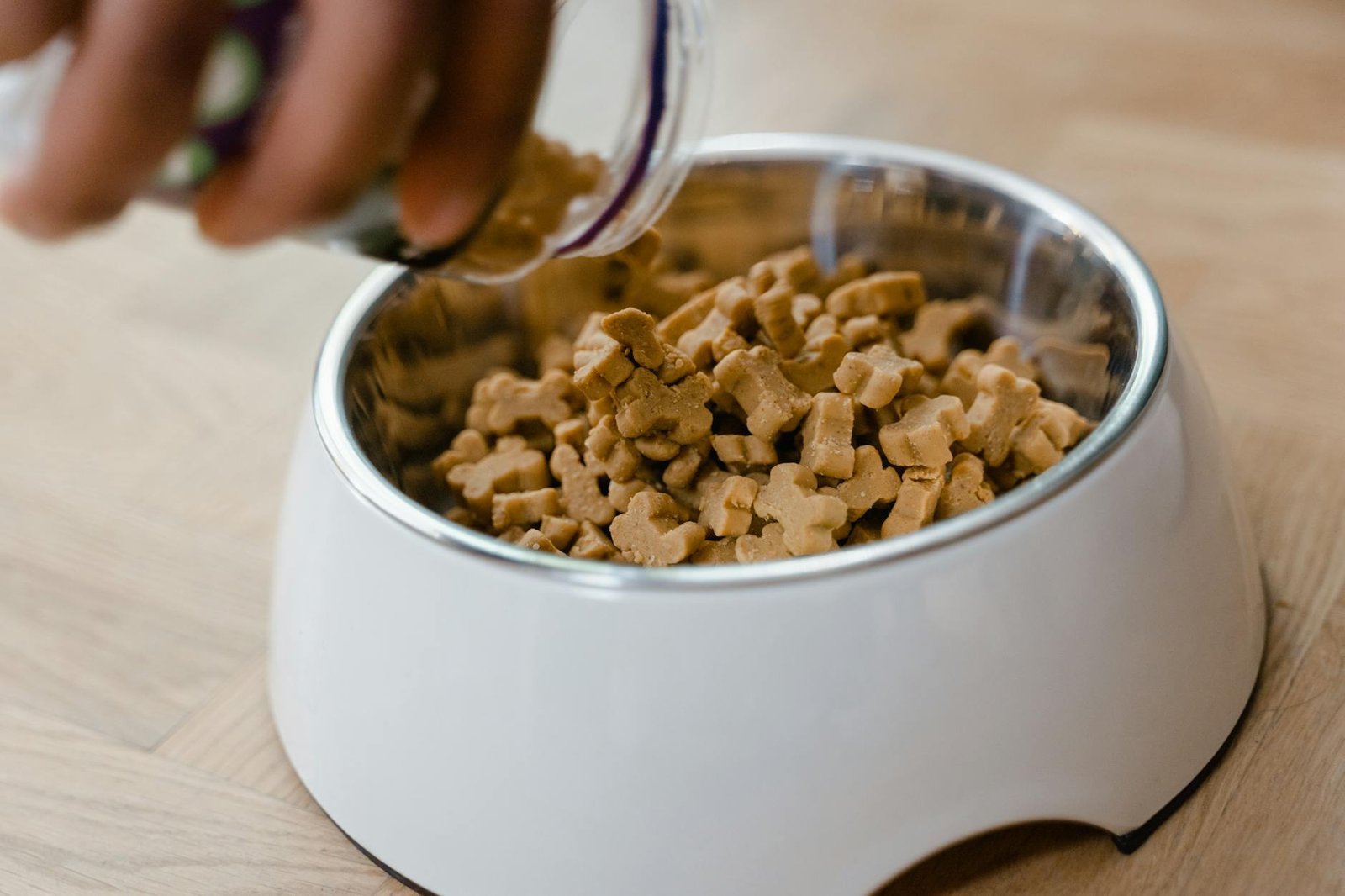
Learning how to combine your dogs diet with supplements can make a real difference in their health, energy, and overall well-being. While high-quality dog food provides essential nutrients, supplements can fill gaps, support joints, boost immunity, and enhance coat and skin health. The key is to use them wisely — as a complement to a balanced diet, not a replacement.
Many dog owners wonder whether adding vitamins, probiotics, or joint-support supplements is really necessary. The truth is, dogs of all ages can benefit when supplements are paired with proper nutrition, especially senior dogs or those with specific health concerns. With the right approach, you can help your dog thrive, prevent common deficiencies, and even improve their quality of life.
In this guide, we’ll cover why supplements matter, how to safely integrate them with your dog’s meals, which products provide the best results, and tips for keeping your dog motivated to take them. Whether you’re feeding a small breed, a large active dog, or a senior companion, this article will help you create a nutrition plan that supports long-term health.
This post may contain affiliate links. If you buy through these links, I may earn a small commission at no extra cost to you. As an Amazon Associate, I earn from qualifying purchases.
Table of Contents
How to Safely Combine Supplements with Your Dog’s Diet
Adding supplements to your dog’s meals can be highly beneficial, but it’s important to do it safely. Done correctly, supplements support nutrition without creating imbalances or side effects.
1. Consult Your Veterinarian
Before adding any supplement, check with your vet. Dogs have different needs based on age, size, breed, and health conditions. Your vet can recommend the right type and dosage, and alert you to any potential interactions with medications your dog may be taking.
2. Follow Recommended Dosages
More isn’t always better. Giving too much of a supplement can cause digestive upset or, in some cases, more serious health issues. Always follow the manufacturer’s instructions and your veterinarian’s advice. Measure carefully, whether it’s a powder, liquid, or chewable.
3. Timing Matters
Some supplements are best given with food, while others may be more effective on an empty stomach. For instance, fat-soluble vitamins (like vitamin E) are absorbed better with meals containing some fat, whereas probiotics often work best when administered before or after a meal depending on the product.
4. Introduce Supplements Gradually
If your dog is new to supplements, introduce them slowly. Start with small amounts to ensure your dog tolerates them well. Watch for any digestive upset, such as loose stools or vomiting, and adjust accordingly.
5. Keep a Routine
Consistency is key. Adding supplements at the same time each day helps your dog adjust and ensures they receive the full benefit. Using a regular feeding schedule makes it easier to remember and monitor their intake.
When combined thoughtfully with a balanced diet, supplements can provide meaningful benefits without disrupting your dog’s nutrition.
Popular Supplements and What They Do
When combined with a balanced diet, supplements can target specific health areas, fill nutritional gaps, and enhance your dog’s overall well-being. Here’s a breakdown of the most common types and how they help.
1. Omega-3 / Fish Oil
Omega-3 fatty acids are essential fats that support multiple aspects of your dog’s health. They help maintain a shiny coat and healthy skin, reduce inflammation in joints, and support heart and brain function. Dogs with allergies, sensitive skin, or arthritis often benefit the most from omega-3 supplementation. You can add them in liquid form, capsules, or flavored soft chews depending on what your dog prefers.
Check these out: Bark&Spark Omega 3 Supplement or King Kanine Strong Plus
2. Glucosamine & Chondroitin
Glucosamine and chondroitin are among the most widely recommended supplements for joint health and mobility. They help maintain cartilage, support joint function, and reduce stiffness or discomfort, particularly in senior dogs or large breeds prone to arthritis. These supplements are often available as chews, capsules, or powders, making them easy to add to food. Regular use can help your dog move more comfortably and enjoy daily activities longer.
Check these out: Innovet Pet Mobility Chews or VetriScience GlycoFlex Plus Ultimate Strength
3. Probiotics
Probiotics support healthy digestion, nutrient absorption, and gut balance. Dogs with sensitive stomachs, irregular bowel movements, or those switching foods can benefit greatly. Probiotics also play a role in supporting the immune system, helping your dog stay healthy and energetic. They’re available as powders, capsules, or chews, and can be sprinkled directly on food for easier administration.
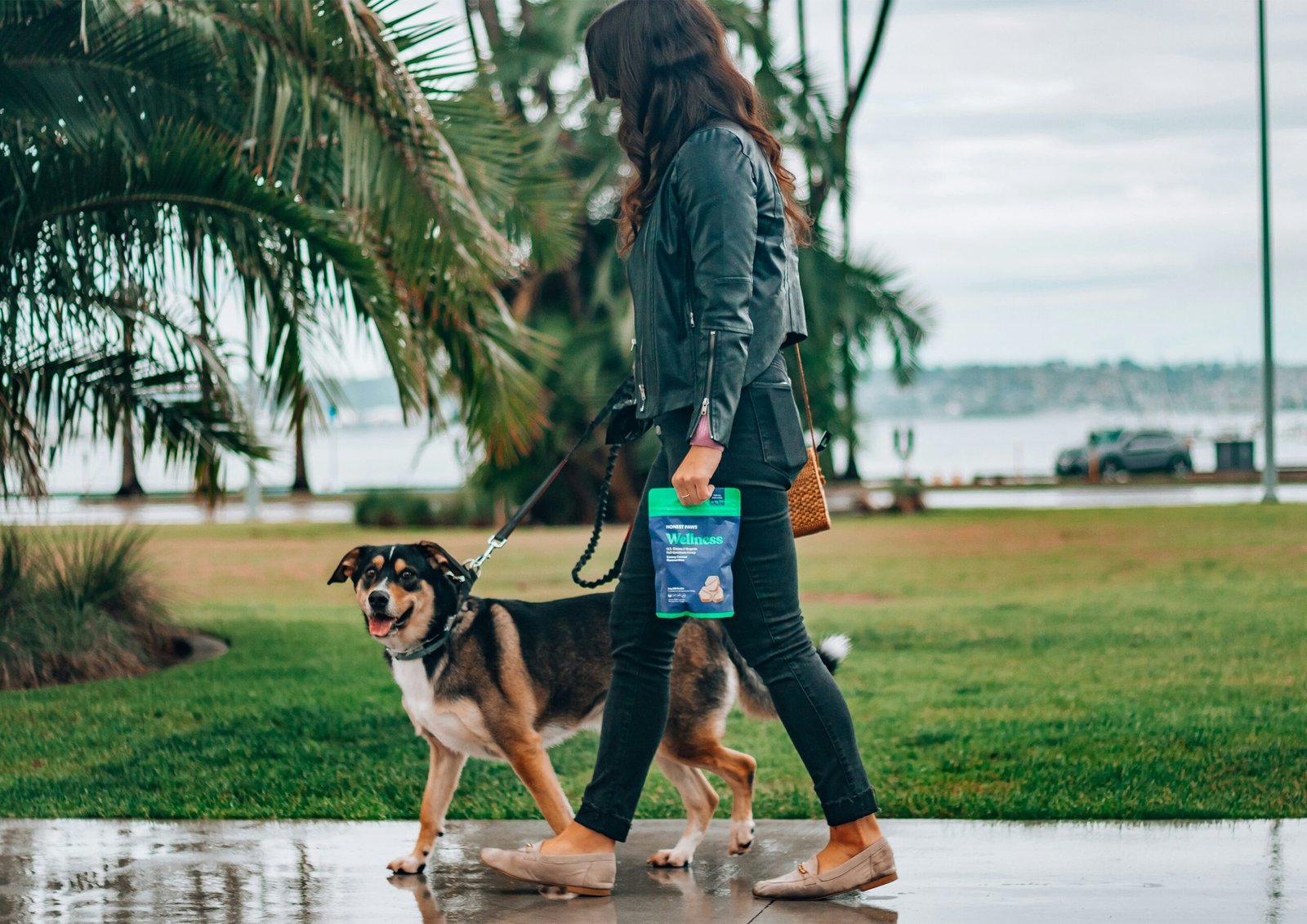
Check these out: Honest Paws Probiotics for Dogs or Innovet Pet Probiotics Chews
4. Vitamins and Minerals
Even high-quality dog food may not always cover every vitamin and mineral your dog needs. A multivitamin can fill gaps in the diet, boost the immune system, support healthy energy levels, and maintain overall vitality. It’s especially useful for dogs with dietary restrictions, picky eaters, or those recovering from illness. Multivitamins are usually available as chewables, powders, or soft chews.
Check these out: King Kanine Green Immune Plus or Zesty Paws Advanced 11-in-1 Bites for Dogs
5. Specialty Supplements
Some dogs may need targeted support beyond general vitamins. Examples include:
- CBD or calming supplements – for anxiety or stress (Nuleaf Naturals, Honest Paws).
- Antioxidants – support cellular health and longevity.
- Joint or mobility blends – may include turmeric, MSM, or boswellia for inflammation and flexibility.
Specialty supplements can be particularly useful for senior dogs, high-energy breeds, or pets with specific health challenges. Choosing high-quality, vet-recommended products ensures safety and effectiveness.
Check these out: Nuleaf Natural CBD Oil or Honest Paws CBD for Dogs
Some Great Other Supplements are: Innovet Pet Advanced Skin & Coat Soft Chews / Honest Paws Mobility / Nutramax Cosequin for Dogs Joint Health / Zesty Paws Dog Allergy Relief
Why Consider Supplements for Your Dog
Even the best dog food might not cover every nutritional need. Supplements can help fill small gaps and support areas that are particularly important for your dog’s health.
1. Aging and Joint Support
As dogs get older, their joints can start to ache, and mobility can decline. Supplements like glucosamine and chondroitin are commonly recommended to maintain healthy cartilage and reduce stiffness, helping dogs move more comfortably and stay active longer.
2. Skin and Coat Health
A shiny coat and healthy skin aren’t just about looks—they reflect your dog’s overall well-being. Omega-3 fatty acids, found in fish oil, can support a healthy coat, reduce shedding, and even help with mild skin irritations.
3. Digestive Health
Probiotics and digestive enzymes can help maintain a healthy gut, improve nutrient absorption, and prevent occasional upset stomachs. Dogs with sensitive digestion or those switching foods can benefit from this support.
4. Immune System Support
Certain vitamins and minerals, such as vitamin E, zinc, and antioxidants, can help bolster the immune system. This is particularly valuable for senior dogs, puppies, or dogs recovering from illness, as it helps their body fight off infections and maintain energy levels.
5. Targeted Health Needs
Some dogs may have specific needs that diet alone cannot fully address. For example, a dog recovering from surgery or dealing with arthritis may benefit from joint supplements, while a dog with a dull coat might benefit from additional fatty acids.
Comparison Table
| Supplement Type | Key Benefits | Forms Available | Best For | Example Products |
|---|---|---|---|---|
| Omega-3 / Fish Oil | Supports shiny coat, healthy skin, reduces inflammation, supports heart & brain function | Liquid, capsules, flavored soft chews | Dogs with allergies, sensitive skin, arthritis | Bark&Spark Omega 3 Supplement , King Kanine Strong Plus |
| Glucosamine & Chondroitin | Maintains cartilage, supports joint function, reduces stiffness | Chews, capsules, powders | Senior dogs, large breeds, dogs with mobility issues | Innovet Pet Mobility Chews, VetriScience GlycoFlex Plus Ultimate Strength |
| Probiotics | Promotes digestion, nutrient absorption, gut balance, supports immune system | Powders, capsules, chews | Dogs with sensitive stomachs, digestive issues, food transitions | Honest Paws Probiotics for Dogs, Innovet Pet Probiotics Chews |
| Vitamins & Minerals | Fills dietary gaps, boosts immune system, supports energy & overall vitality | Chewables, powders, soft chews | Picky eaters, dogs with dietary restrictions, recovery dogs | King Kanine Green Immune Plus, Zesty Paws Advanced 11-in-1 Bites for Dogs |
| Specialty Supplements | Targeted support for anxiety, inflammation, cellular health, joint mobility | Oils, chews, powders | Senior dogs, high-energy breeds, dogs with specific health challenges | Nuleaf Natural CBD Oil, Honest Paws CBD for Dogs |
| Some Other Great Options | Additional support for skin, joints, mobility, and allergies | Chews, powders, oils | Dogs needing supplemental support beyond core types | Innovet Pet Advanced Skin & Coat Soft Chews, Honest Paws Mobility, Nutramax Cosequin for Dogs Joint Health, Zesty Paws Dog Allergy Relief |
Tips for Administering Supplements
Giving your dog supplements can be simple if you approach it thoughtfully. Here are practical strategies to make the process easier and more effective.
1. Mix Supplements with Food
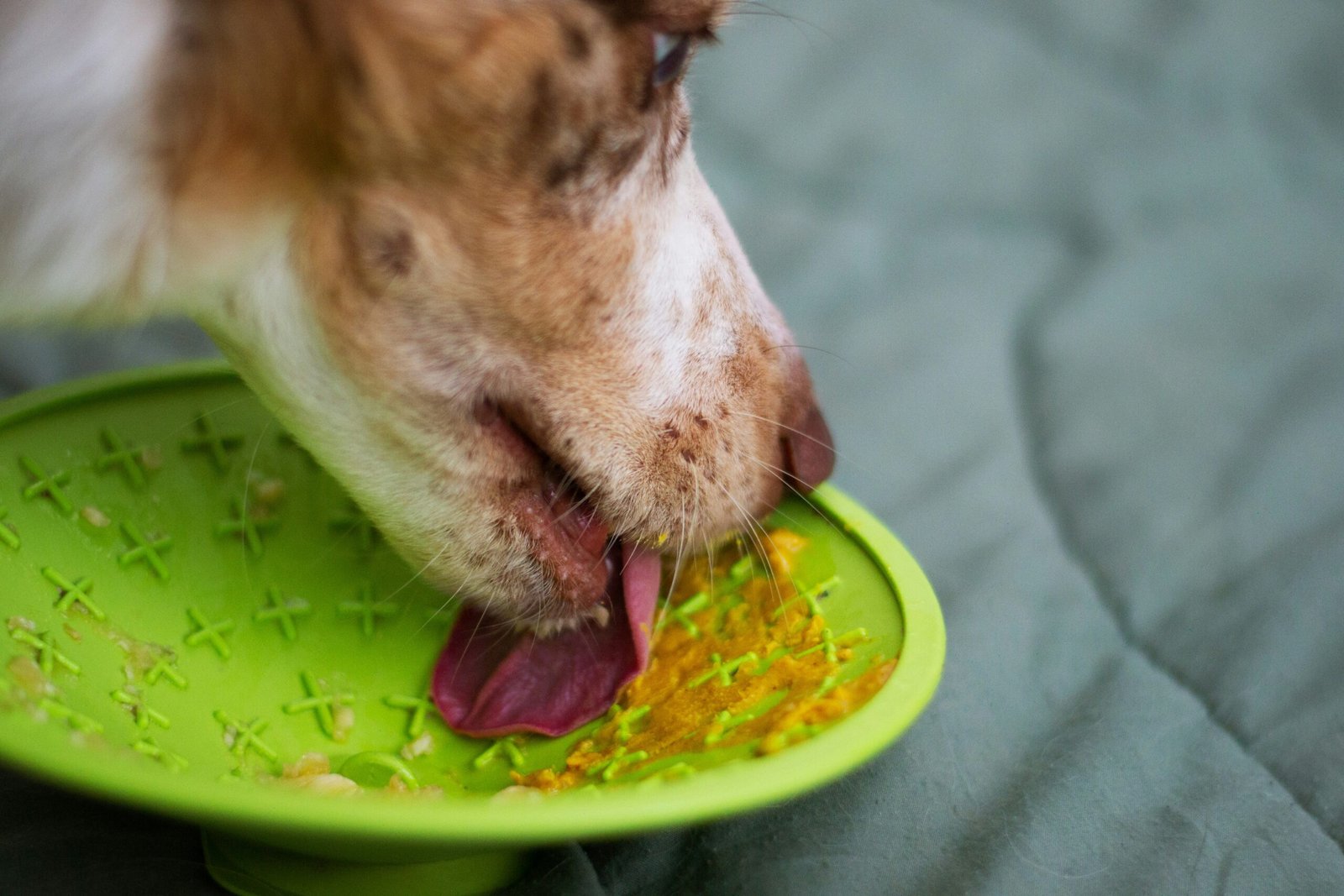
One of the easiest ways to give supplements is by mixing them into your dog’s regular meals. Powders, capsules, or crushed tablets can often be sprinkled or stirred into kibble or wet food. Mixing with food not only masks flavors that some dogs dislike but also ensures they take the supplement consistently.
2. Use Treats or Pill Pockets
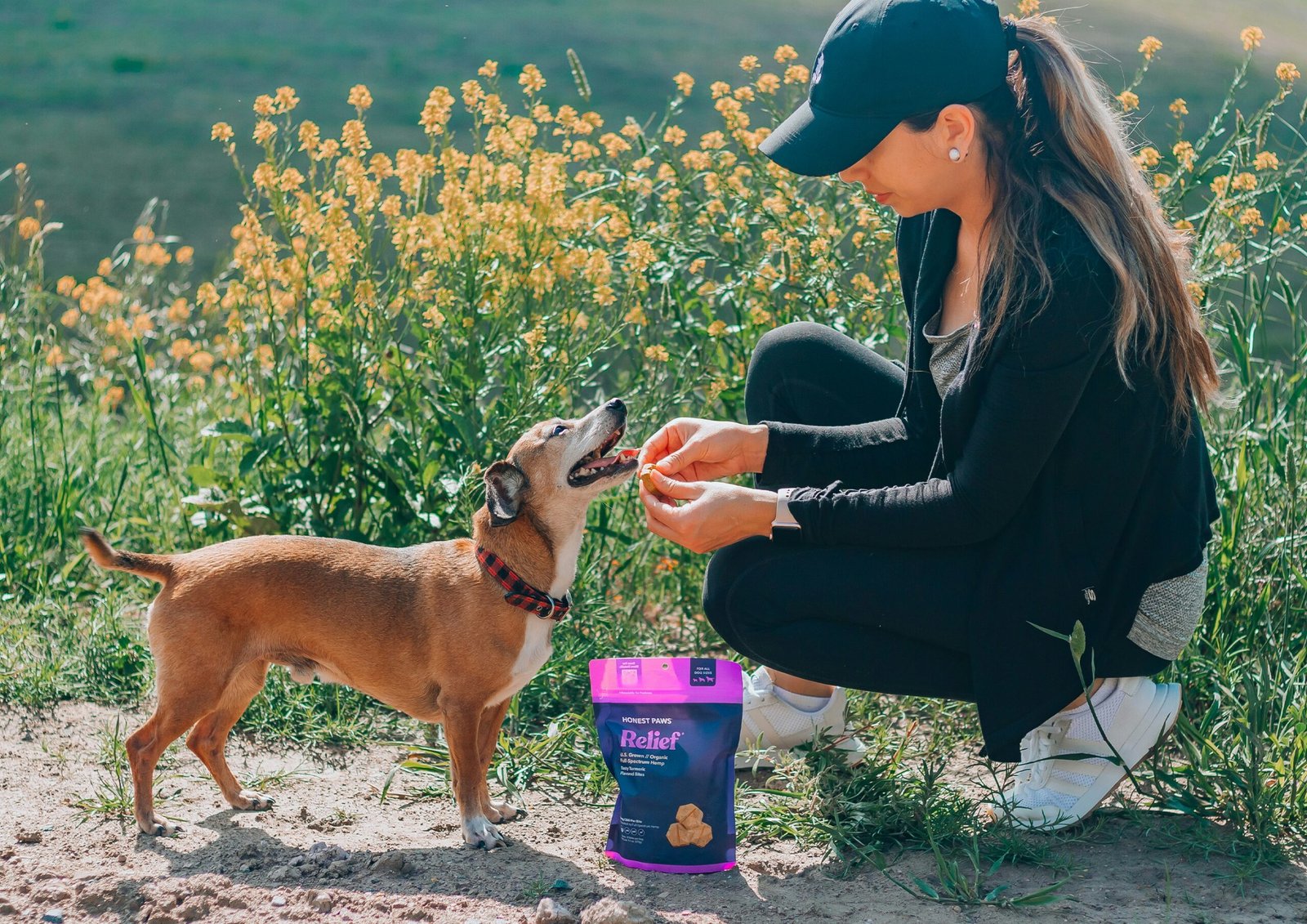
For dogs that are reluctant to eat supplements, special treats or pill pockets can help. These are soft, flavorful treats with a hidden space for a pill or chewable supplement. They make the experience positive, turning supplement time into a treat time rather than a chore.
3. Introduce Supplements Gradually
Start slowly when introducing a new supplement. Giving a small amount at first allows your dog’s digestive system to adjust and helps you monitor for any sensitivities or adverse reactions. Gradually increase to the recommended dose over several days if necessary.
4. Timing Matters
Some supplements work best at certain times of the day. Fat-soluble vitamins like vitamin E or fish oil are absorbed more effectively with meals containing fat, whereas probiotics may be more effective on an empty stomach or before a meal. Follow the product instructions and consider your dog’s daily routine for consistent results.
5. Positive Reinforcement
Always make supplement time a positive experience. Praise your dog, offer a favorite treat afterward, or pair the supplement with playtime. This builds trust and reduces resistance, helping your dog accept supplements as part of their routine.
6. Monitor Your Dog
Observe your dog for changes in appetite, digestion, energy, or overall behavior after starting supplements. Adjust doses or consult a veterinarian if you notice anything unusual. Tracking progress ensures the supplements are having the intended benefits safely.
These tips help make supplement administration easy, stress-free, and effective, ensuring your dog gets the full benefit of their added nutrition without any negative experiences.
Common Mistakes to Avoid
Even well-intentioned dog owners can make mistakes when combining supplements with a diet. Avoiding these common pitfalls ensures your dog benefits safely and effectively.
1. Over-Supplementing
Giving more than the recommended dose can be harmful. Excess vitamins or minerals may cause digestive upset, kidney stress, or toxicity. Always follow manufacturer instructions and your veterinarian’s guidance, and avoid combining multiple products with overlapping ingredients unless approved by your vet.
2. Using Supplements as a Food Replacement
Supplements are meant to complement a balanced diet, not replace it. A dog’s primary nutrition should come from high-quality food. Relying solely on supplements can lead to deficiencies and imbalance, so make sure your dog continues to eat a complete and balanced diet.
3. Ignoring Veterinary Advice
Every dog has unique nutritional needs. Ignoring your veterinarian’s recommendations can result in ineffective or even dangerous supplementation. Check with your vet before adding new products, especially if your dog is taking medication or has underlying health conditions.
4. Introducing Too Many Supplements at Once
Starting multiple supplements simultaneously makes it hard to monitor tolerance and effectiveness. Introduce one product at a time, giving your dog’s system a chance to adjust. This also helps you identify which supplement is producing positive results.
5. Inconsistent Administration
Skipping doses or giving supplements sporadically reduces effectiveness. Consistency is key — establish a routine so your dog receives the supplement at the same time every day. Tracking usage ensures they get the full benefit over time.
By avoiding these mistakes, dog owners can ensure supplements provide real benefits while keeping their pets safe and healthy.
Maintaining a Healthy Routine
Adding supplements to your dog’s diet can deliver real benefits, but only if they are used consistently and thoughtfully. Here’s how to maintain a healthy routine that maximizes effectiveness and keeps your dog safe.
1. Establish a Consistent Schedule
Consistency is key for supplements to work effectively. Give supplements at the same time every day—ideally with meals—to help your dog absorb nutrients properly and make the process predictable. This also makes it easier for you to monitor their intake and avoid missed doses.
2. Monitor Your Dog’s Response
Keep an eye on your dog’s behavior, energy levels, coat condition, and digestion. Tracking changes helps you determine if a supplement is beneficial or if adjustments are needed. If you notice any adverse reactions, stop the supplement and consult your veterinarian.
3. Integrate Supplements with Meals
Mixing supplements with food makes administration easier and improves absorption, especially for fat-soluble vitamins like omega-3s. For picky eaters, try hiding supplements in soft treats or wet food, but avoid letting this replace regular meals.
4. Periodic Vet Check-Ins
Schedule regular veterinary visits to review your dog’s nutrition plan, supplement use, and overall health. Your vet can recommend adjustments, help avoid over-supplementation, and ensure that supplements remain appropriate as your dog ages or their needs change.
5. Keep Supplements Accessible and Organized
Store supplements in a safe, consistent location and follow proper storage instructions. Using labeled containers or pill organizers can help prevent missed doses and confusion, especially if you’re giving multiple types of supplements.
FAQs
1. Can all dogs take supplements?
Not every supplement is suitable for every dog. Age, size, breed, and existing health conditions all influence which supplements are safe and effective. Always consult your veterinarian before adding new products to your dog’s diet.
2. How do I know which supplement my dog needs?
Your dog’s diet, lifestyle, and health history determine which supplements are appropriate. For example, senior dogs may benefit most from joint support, while puppies may need multivitamins for growth. A vet can help create a personalized plan.
3. Can supplements interfere with medication?
Some supplements can interact with medications or medical conditions. Always check with your veterinarian before starting a new supplement, especially if your dog is on prescription medications.
4. How long until I see results?
The timeframe varies by supplement and the dog’s individual needs. Digestive improvements from probiotics may appear in days, while coat, joint, or energy improvements may take several weeks of consistent use.
5. Are natural supplements better than synthetic ones?
Natural supplements often contain fewer fillers and can be gentler on your dog’s system, but synthetic supplements can be formulated to precise doses. The best choice depends on your dog’s needs and the quality of the product.
6. Can I give multiple supplements at the same time?
It’s best to introduce one supplement at a time. This allows you to monitor your dog’s tolerance and effectiveness. Combining too many at once can increase the risk of overdose or adverse reactions.
Final Thoughts
Combining your dog’s diet with carefully chosen supplements can make a significant difference in their overall health, energy, and quality of life. Supplements are not a replacement for a balanced diet, but when used wisely, they can fill nutritional gaps, support joints, improve digestion, and enhance skin, coat, and immune health.
The key to success is balance, consistency, and monitoring. Introduce supplements gradually, give them at consistent times, and keep a close eye on your dog’s response. Regular check-ins with your veterinarian ensure that the supplements continue to meet your dog’s evolving needs.
Every dog is unique, and what works for one may not work for another. Patience and careful observation will help you find the right combination of diet and supplements to support your dog’s health long-term.
If you’re ready to explore high-quality supplements for your dog, consider trusted brands like Innovet Pets, Honest Paws, Nuleaf Naturals, King Kanine, EntirelyPets, or Amazon’s selection to help you create a safe and effective nutrition plan. A well-chosen supplement routine is an investment in your dog’s longevity, comfort, and happiness.
Sources
- American Kennel Club – Dog Nutrition
- PetMD – Dog Supplements & Nutrition
- ASPCA – Dog Care & Diet
- VCA Hospitals – Dog Health & Nutrition
- Honest Paws – Pet Supplement Resources
- Innovet Pet – Dog Health Products
- Nuleaf Naturals – CBD for Pets
- King Kanine – Pet Supplements
- EntirelyPets – Dog Supplements
- Amazon – Dog Supplements



Pingback: Best Digestive Supplements for Senior Dogs (Top 5)