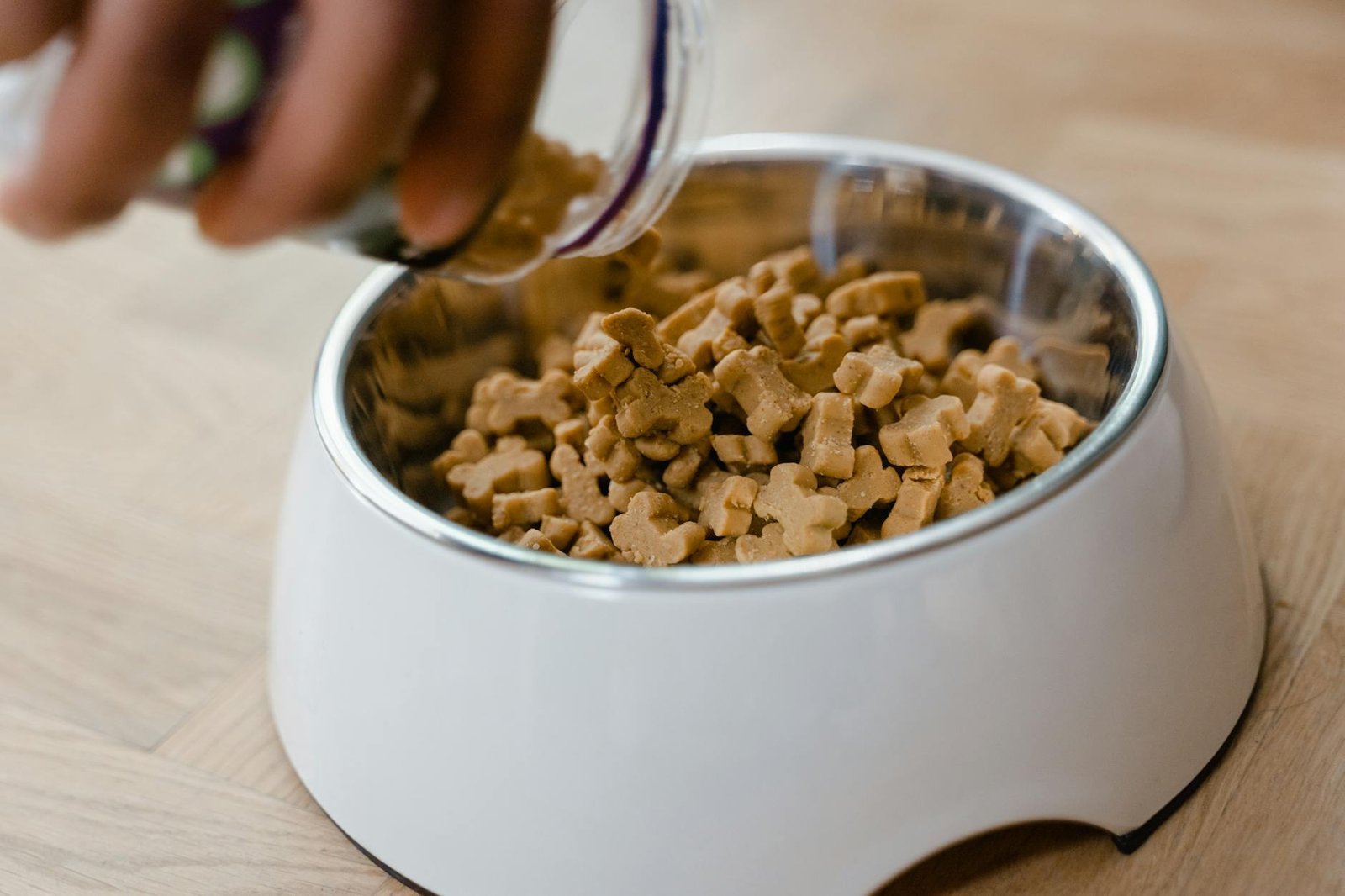
How to combine your senior dog’s diet with supplements is a genuinely different question from which supplements to buy, and it is a question most guides skip entirely. Plenty of articles will tell you what glucosamine does, or which probiotic brand has the strongest evidence behind it. Very few explain how to check whether your dog actually needs that product on top of the food they are already eating, or whether you are simply paying twice for the same nutrient.
A senior dog’s food and any supplements added on top are not two independent decisions, even though most owners treat them that way. A genuinely high-quality senior formula often already includes a meaningful dose of glucosamine, omega-3 fatty acids, or antioxidants, built into the food specifically because the manufacturer knows ageing dogs need that support. Adding a separate supplement on top without checking for this overlap means one of two things happens. Either you are wasting money on a duplicated nutrient your dog already receives in adequate amounts, or, in the more serious case of fat-soluble vitamins, you are genuinely risking an excess of the same compound arriving from two or three directions at once without anyone adding up the total.
This guide covers how to check for that overlap properly, when adding a supplement on top of good food is actually worth doing, and how to introduce it correctly once you have made that decision. For which supplement categories matter for an ageing dog in the first place, our guide on what supplements senior dogs need covers that groundwork before you get to the combination question at all. For specific products once you know what you are looking for, our best supplements for senior dogs guide covers every category worth considering.
This post may contain affiliate links. If you buy through these links, I may earn a small commission at no extra cost to you. As an Amazon Associate, I earn from qualifying purchases.
Table of Contents
Why Food and Supplements Need to Be Checked Together, Not Separately
Most owners choose a senior food and a supplement as two entirely separate decisions, often made months apart, reading each label on its own terms without ever placing them side by side. This is understandable. The two purchases usually happen at different times, in different contexts, often prompted by different concerns. But treating them as unrelated misses something that matters considerably more for senior dogs than it would for a healthy young adult.
Many senior-specific dog foods are formulated with joint support already built directly into the formula, typically glucosamine, chondroitin, or omega-3s at a genuinely meaningful dose rather than a token gesture. If you then add a separate joint supplement at its own full recommended dose on top of that, you are not necessarily doubling the benefit your dog receives. In many cases, you are simply paying twice for a nutrient your dog is already getting in adequate amounts from the food alone. This is not usually dangerous in itself, but it is a real, ongoing cost with limited additional benefit, and it also makes it considerably harder to identify what is actually helping if you ever want to isolate one variable, adjust a dose, or troubleshoot a change in your dog’s condition.
The more serious version of this problem involves fat-soluble vitamins specifically, meaning vitamins A, D, E, and K. Unlike water-soluble vitamins, which the body simply excretes when there is a surplus, fat-soluble vitamins are stored in fatty tissue and the liver, and they can accumulate to genuinely harmful levels over weeks or months if a dog is consistently receiving more than needed from several sources at once without anyone noticing. A fortified senior food, combined with a daily multivitamin, combined with a separate skin and coat supplement, is a completely plausible combination for a well-intentioned owner to land on, each individually reasonable, each contributing its own dose of the same vitamin, with the combined total never checked against what the dog actually needs.
How to Check for Nutrient Overlap Before Adding a Supplement
Read the guaranteed analysis on your current food first, before you buy anything new. Before adding any supplement, check whether your dog’s current food already lists glucosamine, chondroitin, omega-3s, or specific vitamins at a clearly stated amount, rather than a vague mention on the front of the packaging. A senior formula proudly marketed with “joint support” printed across the bag sometimes means a genuinely therapeutic amount, and sometimes means a token quantity included mainly for the marketing claim. The guaranteed analysis on the back is the only place that actually tells you which one you are dealing with.
Compare that stated amount against what the new supplement would add. If your current food already provides a meaningful glucosamine dose and you are considering an additional joint supplement, work out whether the combined total from both sources would meaningfully exceed what your dog actually needs for their weight, or whether the supplement is really just adding a second, smaller dose on top of an already adequate one from the food.
Pay particular attention to fat-soluble vitamins across every single product your dog takes, not just the newest one. If your dog eats a fortified senior food, takes a daily multivitamin, and also takes a separate skin and coat supplement, check the vitamin A, D, and E content listed on all three labels together, side by side, rather than looking at each one in isolation. It is entirely possible, and more common than most owners assume, for each individual product to look perfectly reasonable on its own label while the combined total across all three quietly exceeds a genuinely safe range for a dog of that size.
When in doubt, involve your vet rather than guessing based on label reading alone. A quick question about whether your specific combination of food and supplements makes sense together, ideally with the actual product labels in hand or photographed on your phone, is a far better use of five minutes at your next appointment than assuming everything is fine simply because each product’s own packaging looks safe in isolation.
Worked Examples: Spotting Overlap in Practice
Reading advice about nutrient overlap in the abstract is one thing. Recognising it on your own dog’s actual products is another, and a few worked examples make the difference concrete.
Example one: the joint supplement that is mostly redundant. Imagine a senior dog eating a premium senior kibble that lists glucosamine at 500 milligrams per cup on the guaranteed analysis, alongside a stated chondroitin amount as well. The owner, concerned about early stiffness, adds a popular joint chew providing an additional 500 milligrams of glucosamine per serving. On paper this looks like proactive care. In practice, if the dog is already eating two cups of that food daily, it is already receiving 1,000 milligrams of glucosamine from food alone, likely already within or near the clinically referenced range for that dog’s weight. The added chew is not necessarily harmful, but it may be delivering considerably less additional benefit than its price suggests, since the dog was not actually short on glucosamine to begin with.
Example two: the fat-soluble vitamin stack that nobody added up. Consider a senior dog eating a vitamin-E-fortified food, taking a daily multivitamin that also contains vitamin E for immune support, and additionally taking a fish oil supplement that lists vitamin E as a preservative in its own ingredient panel. None of these three products, viewed individually, looks concerning. Fortified food is normal. A multivitamin containing vitamin E is standard formulation. Fish oil preserved with vitamin E is common practice. But add the three vitamin E contributions together, and the total may sit meaningfully above what that specific dog needs, an overlap that only becomes visible when someone actually places all three labels side by side rather than reviewing them one at a time as they were purchased.
Example three: the genuine gap worth filling. Now consider a senior dog eating a good-quality food with no meaningful joint support listed anywhere on the label, no glucosamine, no chondroitin, nothing beyond standard vitamins and minerals. This dog has started showing early stiffness after resting. Here, adding a dedicated joint supplement is filling a real, previously unaddressed gap rather than duplicating something the food was already providing. This is precisely the situation where supplementation on top of a good diet earns its cost.
These three examples share the same underlying lesson. The question is never simply “does this supplement have good ingredients.” It is “does my dog’s current food already provide this, and if so, how much more does the supplement actually add.”
When Adding a Supplement on Top of Good Food Actually Makes Sense
Not every senior dog eating a high-quality diet needs additional supplementation, but there are genuine situations where it clearly does, even alongside an already well-formulated food.
Your dog has an active, diagnosed condition such as confirmed arthritis or a specific digestive issue that needs a therapeutic dose meaningfully higher than what any food, however well formulated, is realistically designed to provide. Food-level glucosamine is calibrated as a maintenance dose for a broad population of dogs, not a treatment dose for a dog with genuine, diagnosed joint disease, and a dog in that situation usually needs considerably more than the food alone delivers.
Your current food does not address a specific gap at all. If your dog’s food has no meaningful joint support whatsoever and your dog is showing early stiffness, adding a dedicated supplement fills a genuine gap rather than duplicating something already present, exactly as in the third worked example above.
Your dog’s needs have changed since you originally chose the current food. A food selected two or three years ago for a healthy, active senior with no particular concerns may not address needs that have emerged more recently, even if the food itself remains perfectly good for what it was originally chosen to do. Ageing does not stop, and neither should the periodic reassessment of whether the current combination of food and supplements still matches what your dog actually needs today.
In each of these cases, the supplement is adding something the food genuinely does not already provide, rather than quietly repeating something it does.
Introducing a New Supplement Alongside Existing Food
Once you have identified a genuine gap through the process above and chosen the right supplement to fill it, how you introduce that supplement matters almost as much as the choice itself. Adding a new supplement suddenly, even a well-chosen and correctly justified one, can cause digestive upset in a senior dog whose system adapts more slowly to any dietary change than a younger dog’s would.
Start at a reduced dose, generally around a quarter of the full recommended amount, and increase gradually over the first week, watching stool consistency and appetite closely as you go rather than assuming everything is fine by default. Introduce only one new product at a time, even if you eventually plan to add more than one supplement to your dog’s routine, so that any reaction, or any genuine improvement, can be traced back to a specific, identifiable cause rather than left ambiguous among several simultaneous changes. Our guide on how to introduce dog supplements safely covers this entire process in full detail, including exactly what a normal, temporary adjustment period looks like versus a genuine reaction that warrants stopping and speaking to your vet.

Choosing the Right Supplement Once You Know You Need One
After confirming a genuine gap actually exists and carefully checking for overlap with your dog’s current food, the specific product choice still matters considerably. Not every product marketed at the gap you have identified is formulated to the same standard, and price alone is not a reliable guide to which one is actually worth buying.
Look for disclosed ingredient amounts stated clearly in milligrams rather than a vague, unquantified blend, third-party testing or certification where the category has a relevant independent standard available, and a format your dog will actually accept and take consistently day after day, since the best-formulated supplement in the world delivers no benefit if it ends up spat out on the kitchen floor. Our guide on how to choose dog supplements the right way covers this entire evaluation process in depth, including the specific red flags that reliably separate a genuinely well-formulated product from one relying mainly on packaging and marketing spend rather than substance.
FAQ
Can I give my senior dog supplements alongside their regular food?
Yes, and for many senior dogs this is exactly the right approach. The important step is checking whether your dog’s current food already provides a meaningful amount of the same nutrient before adding a separate product, rather than assuming the two will simply and harmlessly add together without any need to check.
How do I know if my dog’s food already has enough of a nutrient?
Check the guaranteed analysis on the food label for a clearly stated amount, not just a general marketing claim printed on the front of the bag. If the label does not disclose a specific quantity for the ingredient you are considering supplementing, it becomes genuinely difficult to judge with any confidence whether your dog is already receiving enough from the food alone.
Is it dangerous to combine multiple supplements with fortified food?
It can be, specifically with fat-soluble vitamins such as A, D, E, and K, which the body stores rather than simply excreting when there is a surplus. Adding a fortified food, a daily multivitamin, and a separate specialty supplement without ever checking their combined vitamin content across all three labels together is the most common and easiest way this kind of overlap goes unnoticed for months.
Should I stop giving my dog a supplement if their food already contains the same ingredient?
Not necessarily, since a food-level amount is often calibrated as a maintenance dose rather than a therapeutic one for a dog with an active, diagnosed condition. The right decision depends on whether your dog has a genuine, ongoing need beyond what the food’s baseline amount is designed to provide, which is worth discussing directly with your vet if you are at all unsure rather than guessing either way.
How long should I wait between introducing a new supplement and adding another?
Generally two to three weeks at a stable, full dose with no adverse reaction before introducing anything else, which allows you to properly and confidently attribute any change, whether positive or negative, to a specific product rather than to an unclear and untraceable combination of several new things at once.
Does this overlap concern apply to healthy young dogs too, or mainly seniors?
The underlying principle applies at any age, but the consequences matter considerably more for senior dogs specifically. A younger dog’s body generally has more resilience to a modest, temporary excess of a given nutrient. A senior dog’s organs, particularly the kidneys and liver, are often already working with less reserve capacity, which is exactly why checking combined totals matters more once a dog has reached its senior years than it did at three or four.
Final Thoughts
Combining your senior dog’s diet with supplements works best when the two are checked together, deliberately and side by side, rather than chosen as two entirely separate decisions made months apart. Read your dog’s current food label carefully for what it already provides, add a supplement only where a genuine, identifiable gap actually exists, and pay particular, ongoing attention to fat-soluble vitamins across every single product your dog takes rather than assuming each individual label is automatically safe simply because it looks reasonable in isolation.
Done this way, supplementation adds real, measurable value on top of an already good diet instead of quietly duplicating what the food was providing all along, or, in the more serious case of fat-soluble vitamins, slowly accumulating to a level genuinely worth avoiding. A few minutes spent comparing labels side by side, ideally before a new product is even purchased, is a far better investment of your time than discovering the overlap months later.
Sources
https://vcahospitals.com/know-your-pet/nutrition
https://www.akc.org/expert-advice/nutrition/



Pingback: Best Digestive Supplements for Senior Dogs (Top 5)
Pingback: Best Supplements For Senior Dogs (2026 Guide) seniordog-care
Pingback: How to Choose Dog Supplements the Right way (2026 guide) - seniordog-care
Pingback: How to Introduce Dog Supplements Safely - seniordog-care