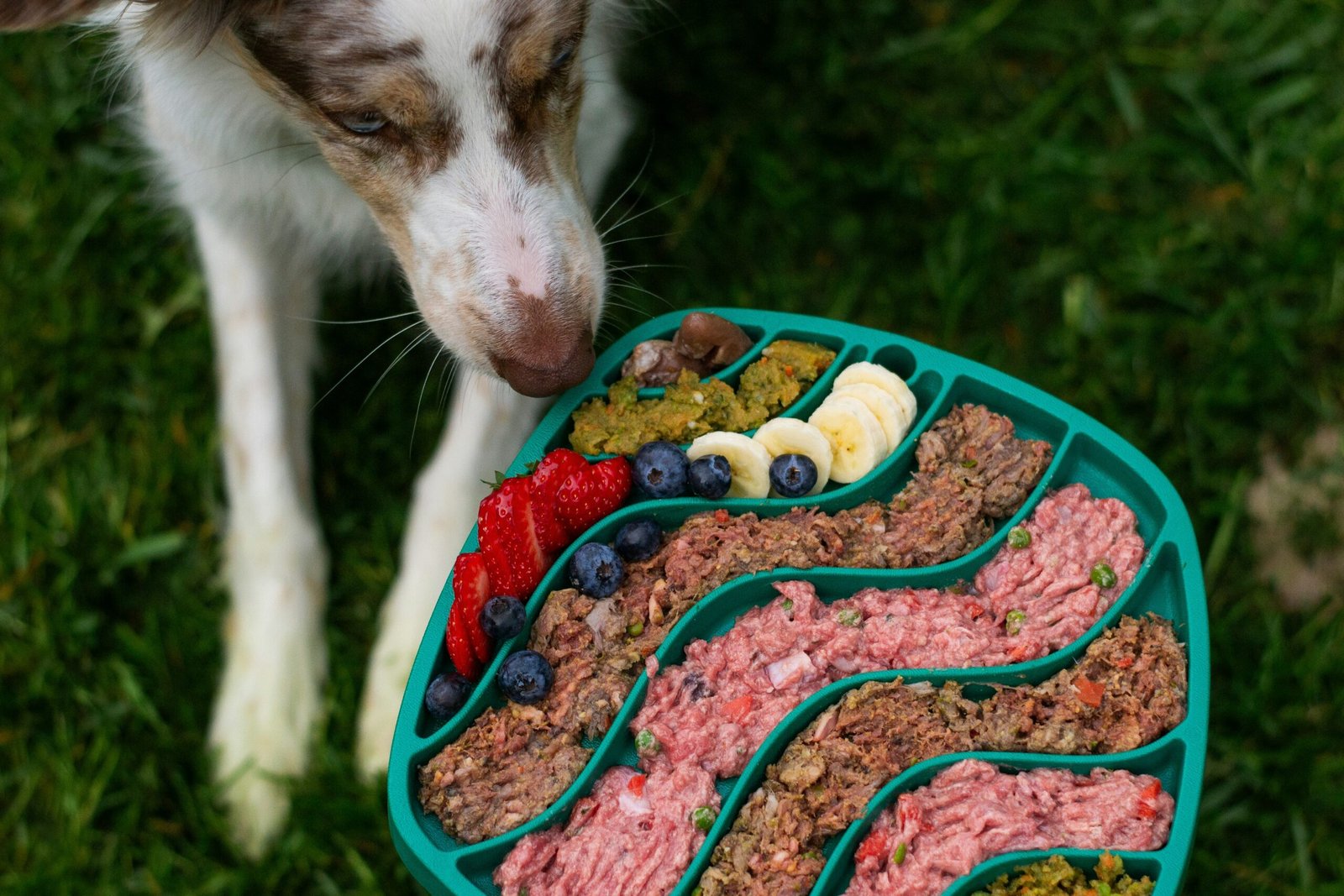
Wet dog food vs dry dog food is a question that matters more once your dog reaches its senior years, not less. Both formats can support a healthy diet, but the trade-offs that were minor when your dog was younger, hydration, dental wear, digestion, become genuinely important as your dog ages.
Neither format is universally correct. The right choice depends on your dog’s teeth, thirst habits, weight, and appetite, not on which one sounds healthier on a bag or a can. This guide compares both formats specifically for what changes in an older dog, so you can make the decision based on your dog’s actual situation. For the wider nutritional picture, our senior dog nutrition basics guide is worth reading alongside this one.
This post may contain affiliate links. If you buy through these links, I may earn a small commission at no extra cost to you. As an Amazon Associate, I earn from qualifying purchases.
Table of Contents
What Wet Dog Food Actually Offers
Wet food, sold in cans or pouches, typically contains around seventy to eighty percent moisture. That single figure explains most of its advantages and disadvantages.
The high moisture content makes it soft and easy to chew, which matters directly for a senior dog with dental wear, missing teeth, or general discomfort while eating. It also adds meaningful water intake to the diet, which becomes more relevant as many older dogs drink less than they should on their own. The strong aroma tends to appeal to dogs whose appetite or sense of smell has faded with age.
The trade-offs are practical rather than nutritional. Wet food spoils quickly once opened, usually within forty eight hours, so it needs refrigeration and cannot be left out. It costs more per serving than kibble, and it can be messier to serve and clean up. For a full breakdown of specific products, our guide to the best wet food for senior dogs covers the strongest options by need.
What Dry Dog Food Actually Offers
Dry food, or kibble, contains around ten percent moisture and a long shelf life, which makes it the more practical option for daily feeding over months and years. The concentrated nutrient density means a smaller volume delivers the same calories, and the crunching action provides a mild mechanical cleaning effect against plaque.
The trade-offs move in the opposite direction from wet food. Dry kibble delivers far less moisture, which matters more for a senior dog with a lower thirst drive or early kidney changes. It can also be genuinely difficult for a dog with dental wear to chew comfortably, and less appealing to a dog that has grown pickier with age. For specific product recommendations matched to kibble size, ingredient quality and cost, our guide to the best dry dog food for senior dogs covers this in depth.
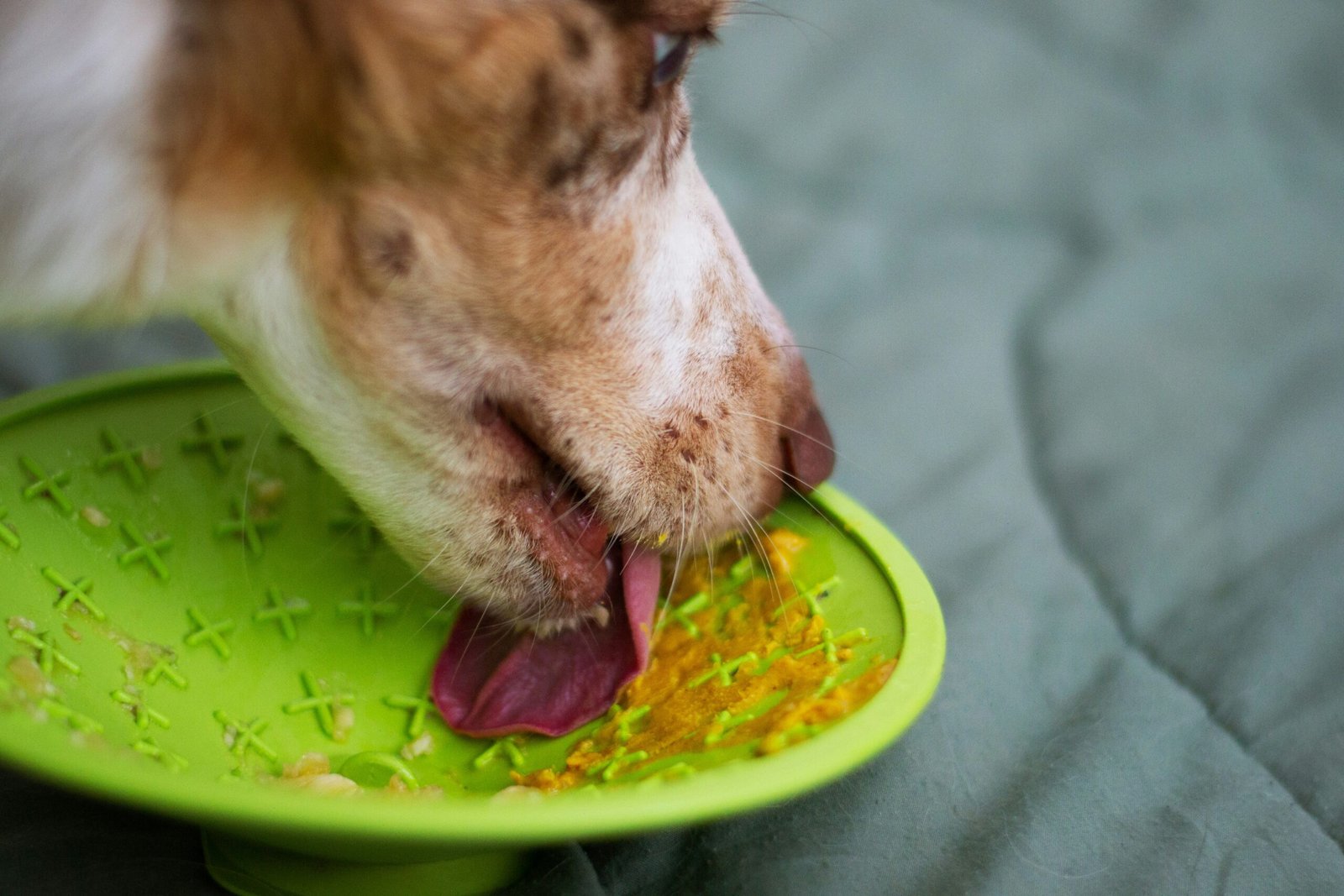
Nutritional Differences That Actually Matter for a Senior Dog
Calorie density is the clearest difference. Dry food packs more calories into a smaller volume because it contains so little water, which suits a larger or more active dog. Wet food’s lower calorie density per gram can help a less active senior avoid excess weight gain without the dog feeling like it is eating less.
Protein quality varies more by brand than by format, so neither wet nor dry food is inherently superior on this point. What differs consistently is digestibility. The added moisture in wet food tends to make it gentler on a senior digestive system, particularly for dogs with reduced digestive efficiency or general sensitivity, though a high-quality dry formula with the right fibre and protein profile can still digest well.
Preservative load also differs by necessity rather than quality. Wet food’s sealed packaging needs fewer preservatives to stay stable, while dry food requires stabilisers to prevent spoilage over its longer shelf life. Reputable brands in both formats now favour natural preservatives such as tocopherols over synthetic ones.
Dental Health: What the Crunch Really Does and Does Not Do
Dry kibble’s texture does provide a mild abrasive effect that helps reduce plaque compared with soft food alone. This is a genuine, if modest, benefit, and it explains why dry food is often recommended for dental support.
It is not a substitute for actual dental care. Kibble alone does not clean below the gumline or prevent tartar in the way brushing or dental chews do, and for a senior dog with existing dental disease, forcing kibble for the sake of this mild benefit is the wrong trade-off. A dog with painful teeth needs a texture it can actually eat comfortably, which is often wet food, softened kibble, or a mix of both, rather than dry food alone for the sake of a marginal cleaning effect.
Hydration and Kidney Health in Older Dogs
This is where the format decision carries the most weight for an ageing dog specifically. Senior dogs are more prone to reduced thirst drive and early kidney function decline, both of which make total water intake more important than it was at a younger age.
Wet food’s moisture content contributes meaningfully to daily hydration without relying on the dog to drink enough on its own. For a senior dog already showing signs of reduced water intake, or one with any degree of kidney concern flagged by a vet, this is a genuine, measurable advantage rather than a marketing claim.
Dry food can still work well for a senior dog with normal thirst and no kidney concerns, provided fresh water is always genuinely accessible and the dog is actually drinking enough of it. If you are unsure whether your dog is drinking adequately, that uncertainty itself is a reason to lean toward wet food or a mixed approach rather than dry food alone.
Cost and Practicality Over the Long Term
Dry food remains the more economical and practical option for most households, particularly for larger dogs or multi-dog homes. It stores easily, does not spoil once opened, and can be bought in bulk without waste.
Wet food costs more per serving and requires more careful handling once opened. For an owner managing a tight budget or feeding multiple large dogs, dry food’s practicality is a legitimate factor, not a lesser choice. The right answer is not always the ideal one on paper. It is the one you can sustain consistently over years.
Comparison Table
| Factor | Wet Dog Food | Dry Dog Food |
|---|---|---|
| Moisture content | 70 to 80 percent | Around 10 percent |
| Chewing ease | Soft, easier for dental issues | Firmer, harder with dental wear |
| Hydration support | Meaningful daily contribution | Relies on separate water intake |
| Dental effect | None | Mild plaque reduction |
| Shelf life once opened | Around 48 hours, refrigeration needed | Weeks to months |
| Cost per serving | Higher | Lower |
| Calorie density | Lower per gram | Higher per gram |
| Best suited to | Dental issues, low thirst drive, picky appetite | Normal dental health, good water intake, cost sensitivity |
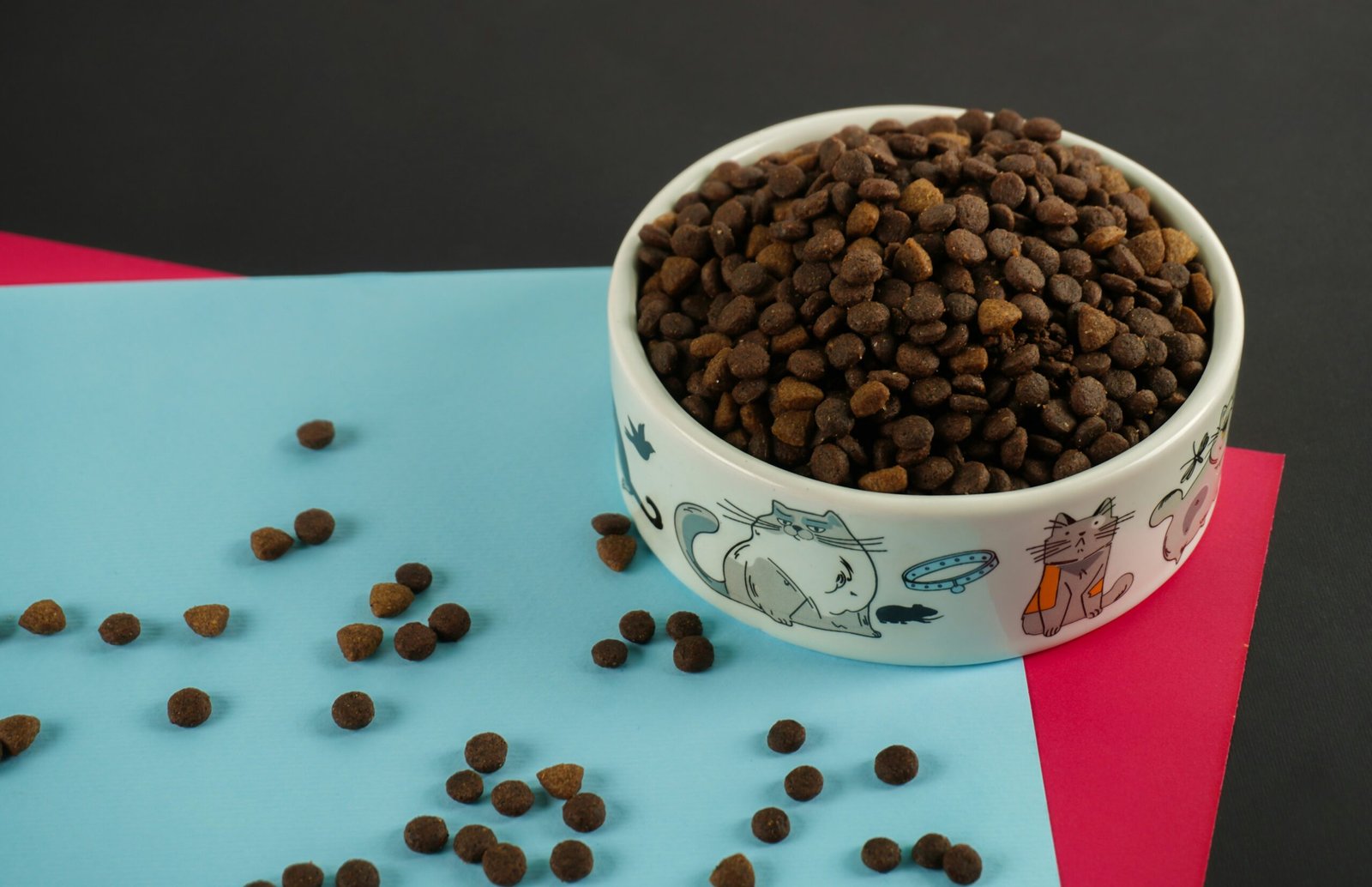
Which Is Right for Your Senior Dog
If your dog shows dental discomfort, drinks noticeably less water than before, or has become a pickier eater with age, wet food addresses all three issues directly. If your dog has healthy teeth, drinks well on its own, and you are managing cost or convenience across a larger or multi-dog household, dry food remains a sound choice.
Many senior dogs do best on a combination of both, gaining the hydration and palatability of wet food alongside the cost efficiency and shelf stability of dry. Calculating total daily calories across both formats matters here, since combining full portions of each can lead to overfeeding rather than balance.
How to Transition Between Formats Safely
Move gradually over seven to ten days rather than switching all at once, since a sudden change in moisture and texture can cause loose stools or digestive upset in a senior dog. Start with roughly a quarter of the new format mixed into the current diet, increasing the proportion every two to three days until the transition is complete.
Watch stool consistency and appetite throughout. Some mild loosening in the first few days is normal as the gut adjusts. If it persists beyond five days or becomes severe, slow the transition down rather than pushing through it.
FAQ
Is wet food better than dry food for senior dogs?
Neither is universally better. Wet food supports hydration and is easier to chew for dogs with dental issues. Dry food is more economical and provides a mild dental benefit. The right choice depends on your dog’s teeth, thirst habits, and budget.
Can I feed my senior dog only wet food?
Yes, provided it is a complete and balanced formula meeting your dog’s nutritional needs for its age and size, not a topper or treat product.
Does dry food really clean a dog’s teeth?
It provides a mild abrasive effect that reduces some plaque buildup, but it does not replace brushing or dental care, and it does not clean below the gumline.
How do I know if my senior dog needs more hydration from food?
Signs include drinking noticeably less water than before, concentrated or infrequent urination, or a vet-flagged concern about kidney function. Any of these are reasons to lean toward wet food or a mixed approach.
Can I mix wet and dry food every day?
Yes, and many owners do this long-term rather than only during a transition. Calculate the combined calories from both to avoid overfeeding, particularly for a less active senior dog.
Final Thoughts
Wet dog food vs dry dog food is not a question with one correct answer. Wet food supports hydration, dental comfort and appetite in dogs that need it. Dry food supports cost, convenience and a mild dental benefit for dogs with no specific issue working against it.
The right choice comes down to your dog’s teeth, thirst, and appetite right now, not a general rule about which format is healthier. For many senior dogs, the best answer is not choosing one over the other, but combining both in the right proportion.
Pingback: Best Wet Food For Senior Dogs in 2025 - seniordog-care
Pingback: Best Dry Dog Food for Senior Dogs - seniordog-care
Pingback: Senior Dog Nutrition 101: The Complete Feeding Guide for Older Dogs
Pingback: How to Mix Wet and Dry Dog Food for Senior Dogs