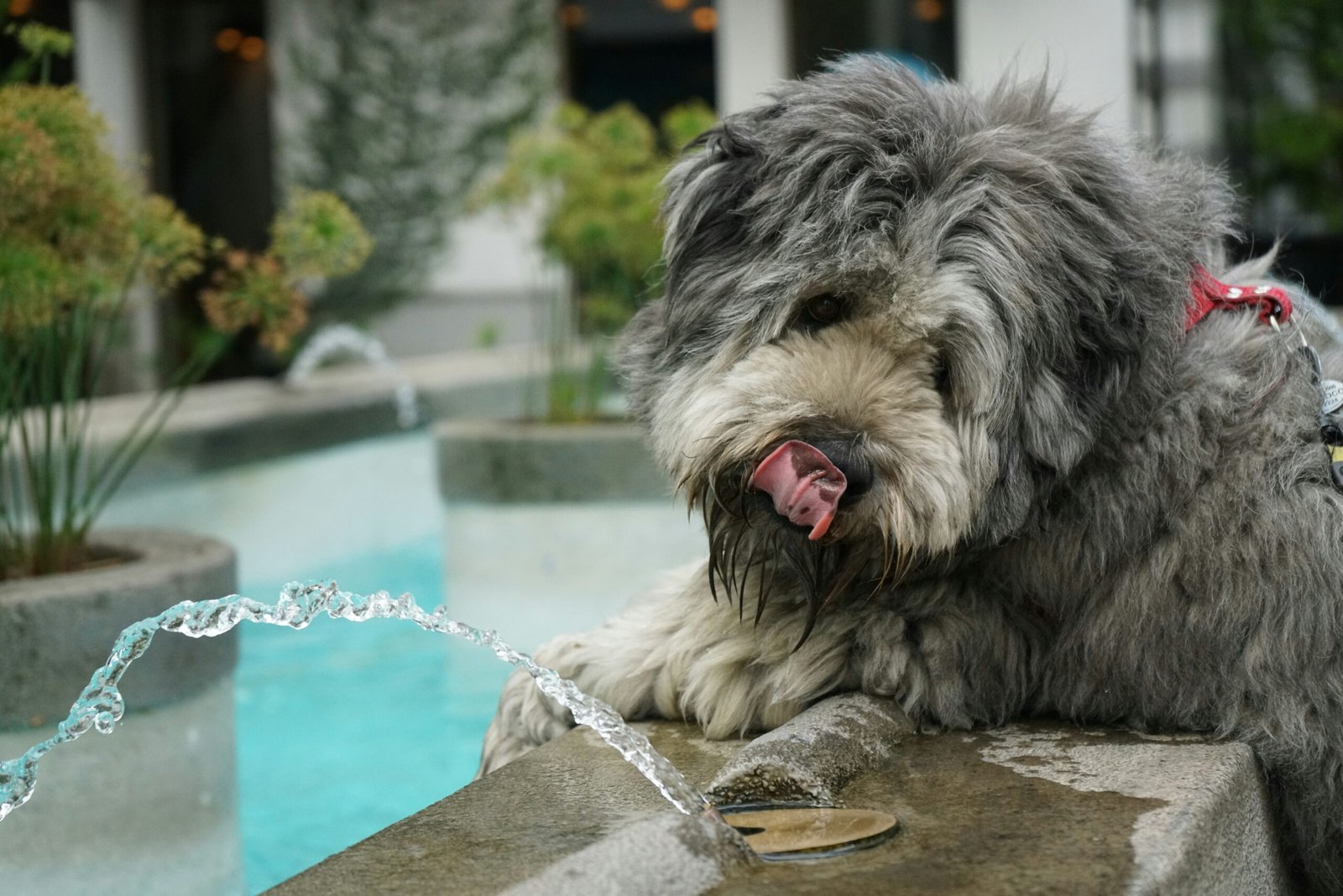
Few owners realise just how much hydration affects a senior dog’s health, and why it matters more with age than it did a few years earlier. As dogs grow older, their natural thirst drive decreases, which means they often drink less water than their bodies actually need. This hidden dehydration can slowly affect energy, digestion, kidney health, and even mobility, often without an owner noticing until the effects have been building for weeks.
Water supports joint lubrication and organ function in a senior dog the same way it does in an ageing person. Without enough moisture in the diet or water in the daily routine, small issues compound into bigger ones. This guide covers why senior dogs specifically struggle with hydration, how food choices affect it, and what genuinely helps, along with when hydration issues need a vet rather than a home fix.
By Seniordog-care.
This post may contain affiliate links. If you buy through these links, I may earn a small commission at no extra cost to you. As an Amazon Associate, I earn from qualifying purchases.
Table of Contents
Why Senior Dogs Struggle With Hydration
Senior dog dehydration is genuinely common, and it develops for reasons that go beyond simply forgetting to drink.
Reduced thirst drive. Just as in elderly humans, senior dogs often do not feel thirsty as frequently as they used to. This makes it easy to become mildly dehydrated without any obvious warning sign, and the effect on energy and overall health builds gradually rather than announcing itself.
Medication side effects. Many senior dogs take medication for arthritis, heart disease, or other age-related conditions, and certain drugs act as diuretics, increasing urination and fluid loss. Without compensating with more water or moisture-rich food, this accelerates dehydration.
Underlying health conditions. Kidney disease, diabetes, and Cushing’s disease are all more common in senior dogs and directly affect hydration. Kidney disease in particular often causes more frequent urination, making it harder for the body to maintain fluid balance.
Mobility challenges. A dog with stiff joints or arthritis may find it genuinely harder to get up and walk to the water bowl throughout the day, especially in a larger home or a multi-storey house. In these cases, dehydration is about accessibility as much as thirst.
Environmental factors. Warmer temperatures, indoor heating, or long walks all increase fluid loss, and senior dogs are less efficient at regulating body temperature than younger ones, which makes hydration more critical during exactly the conditions that increase the need for it.
The Role of Hydration in Senior Dog Health
Proper hydration supports almost every system in an ageing dog’s body, not just thirst.
Digestion. Adequate water intake helps break down food and absorb nutrients efficiently. Dehydrated dogs often experience constipation or irregular bowel movements, which adds discomfort on top of whatever else is already affecting them.
Kidney and urinary tract health. Senior dogs are more prone to kidney disease, a condition that worsens with dehydration. Proper hydration helps flush toxins from the kidneys and reduces the risk of urinary tract infections. Our guide on bladder control supplements for senior dogs covers this connection in more depth.
Joint lubrication and mobility. Water supports the fluid that lubricates joints, and a well-hydrated dog with arthritis or stiffness often moves more comfortably than a dehydrated one, more willing to attempt stairs or a longer walk.
Skin and coat. Dehydration often shows up as dry skin, dandruff, or a duller coat. Proper hydration helps skin retain elasticity and keeps a coat looking genuinely healthier.
Digestive comfort. Chronic mild dehydration slows digestion and can make an already slower senior digestive system work harder than it needs to. Our guide on how aging affects digestion in senior dogs covers this mechanism directly.
Keeping a senior dog hydrated is not just about preventing thirst. It protects organs, joints, and long-term wellbeing together.
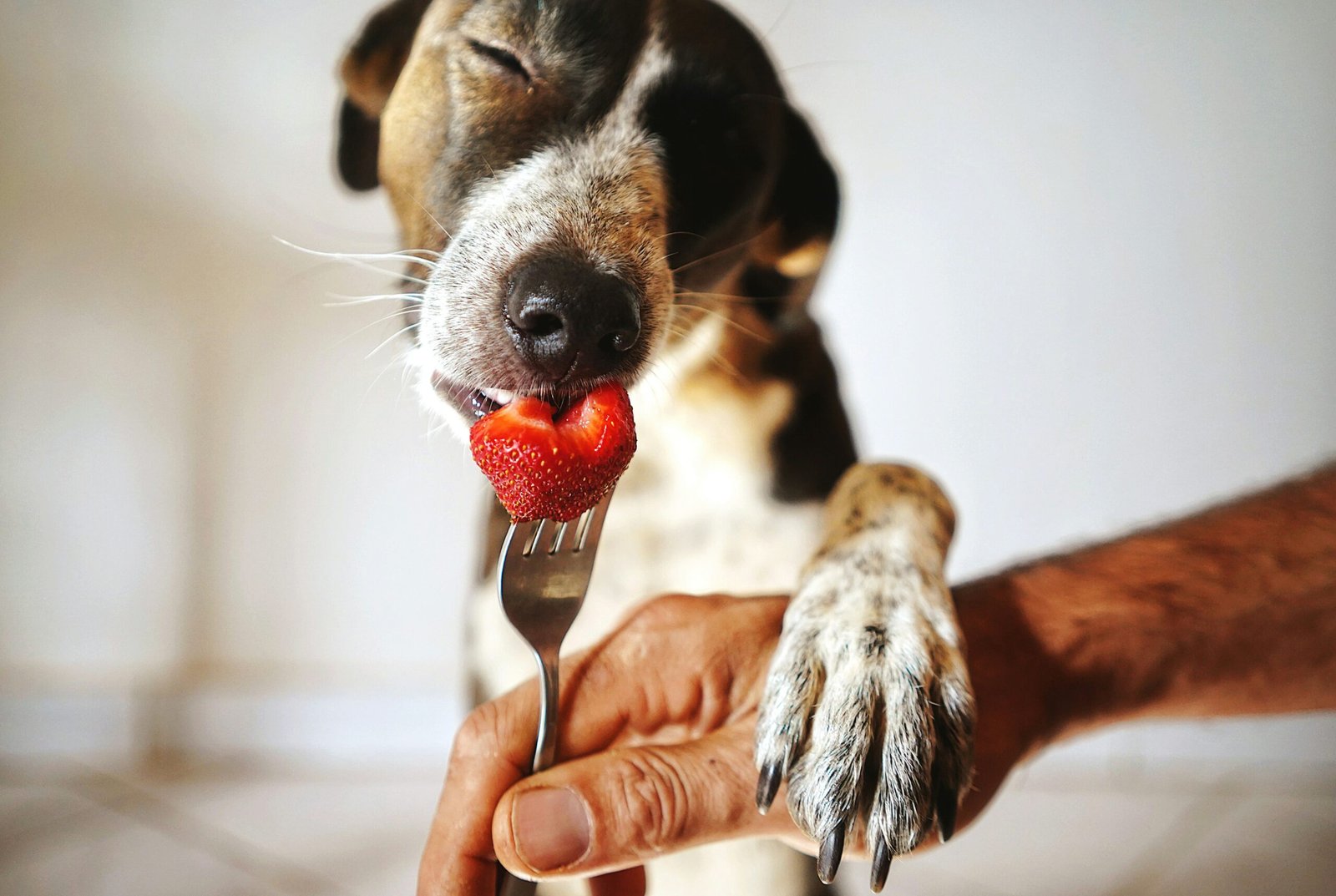
Hydration is key for Senior Dog Food: Wet vs Dry
What a senior dog eats affects fluid intake just as much as how much they drink directly.
Wet food typically contains around 70 to 80 percent moisture, making it a genuinely effective way to increase water intake for a dog that does not drink enough on its own. It is also softer, which helps with sensitive teeth and gums, a common benefit for dogs eating for hydration and dental comfort at the same time.
Dry food (kibble) contains only around 10 to 12 percent moisture. It offers dental benefits and is often more affordable, but it does not meaningfully contribute to hydration on its own, which means a dog eating only dry food may need additional water built into the routine.
Mixing wet and dry food gives many senior dogs the best of both, dental and cost benefits from the dry portion, hydration from the wet. Most dogs also find the combination more palatable, which helps with a picky senior appetite. Our guide on wet dog food versus dry dog food for senior dogs covers this comparison directly, and our guide on how to mix wet and dry dog food covers the correct ratio without accidentally overfeeding.
Adding water to dry food. Soaking kibble in warm water or low-sodium broth increases fluid intake and softens the food, useful for a dog with dental discomfort as well as one that needs more moisture.
Wet food clearly wins for hydration specifically, but a mixed approach often balances hydration, dental health, and cost better than either extreme. For specific wet food recommendations, our guide to the best wet food for senior dogs covers the strongest options.
How to Encourage Better Hydration at Home
Even with the right food, some senior dogs still do not drink enough on their own. A few practical adjustments make a genuine difference.
Offer multiple water bowls, placed in different rooms, so your dog never has to walk far, particularly helpful for a dog with mobility issues that might otherwise avoid crossing a large space or climbing stairs for a drink.
Try a pet water fountain. Many senior dogs respond more to moving water than a still bowl, and a fountain keeps water fresh, cool, and appealing.
Add flavour to water, with a splash of low-sodium chicken or beef broth, free from onions, garlic, or added salt, which can make water noticeably more enticing for a picky senior drinker.
Mix water into meals. Adding warm water or broth to kibble or wet food increases moisture intake and softens the food for easier chewing.
Offer frozen hydration treats. Freezing broth, plain yoghurt, or water with small treats inside gives hydration alongside mental engagement on a warm day.
Monitor water intake daily. A sudden drop in drinking can be an early sign of kidney disease or arthritis-related pain that makes moving to the bowl uncomfortable, worth noting rather than dismissing.
Supplements and Special Diets That Support Hydration
Sometimes wet food and at-home tricks are not quite enough, and a few targeted additions can help.
Electrolyte powders help replace lost fluids and minerals, particularly useful after exercise or during hot weather, mixed directly with water or food.
Bone broth toppers increase fluid intake while adding nutrients. Choose low-sodium or unsalted versions specifically to avoid unnecessary kidney strain.
Moisture-rich wet food blends are formulated with extra moisture for a dog that drinks little on its own, offering balanced nutrition alongside the added hydration.
Always keep fresh water available in multiple locations regardless of which supplement you use, and continue monitoring intake. Supplements support hydration, they do not replace drinking water.
When to Consult a Veterinarian
At-home strategies help considerably, but certain signs call for professional attention rather than continued home management.
Persistent dehydration, shown through dry gums, sunken eyes, lethargy, or excessive panting despite increased water intake, may indicate kidney issues, diabetes, or another underlying condition needing immediate attention.
A sudden drop in water intake can signal discomfort, oral pain, or illness, particularly if dental pain or mobility challenges are making it harder to reach the water bowl.
Vomiting or diarrhoea cause fluid loss that escalates faster in a senior dog than a younger one, so prompt evaluation matters even for seemingly mild symptoms.
Chronic health conditions, including kidney disease, heart issues, or diabetes, need close hydration monitoring, and a vet may recommend a specialised diet or other medical intervention to maintain fluid balance.
Changes in behaviour or energy, including lethargy, confusion, or unusual irritability, can be subtle signs of dehydration or another age-related issue worth catching early through regular check-ups.
FAQ
How much water should a senior dog drink daily?
A reasonable guideline is roughly one ounce of water per pound of body weight per day, though wet food, broth, and other hydration boosters all count toward total fluid intake.
Can I mix water into my senior dog’s kibble?
Yes. Adding warm water or low-sodium broth softens the food and increases moisture intake, a simple way to help a dog that does not drink enough on its own.
Are hydration supplements safe for senior dogs?
Most, including electrolyte powders and bone broth toppers, are safe when used as directed. Check labels for ingredients and consult your vet if your dog has a chronic health condition.
What signs of dehydration should I watch for?
Lethargy, dry gums, sunken eyes, constipation, or reduced skin elasticity. Early detection helps prevent more serious issues and supports steady energy and comfort.
How can I encourage a senior dog to drink more?
Multiple water bowls, a pet fountain, flavoured water, and wet or moisture-rich food all help. Combining a few of these tends to work better than relying on just one.
Is hydration really linked to longevity?
Yes. Proper hydration supports kidney function, joint health, digestion, and energy together, and consistently meeting a senior dog’s hydration needs genuinely contributes to a longer, more comfortable life.
Final Thoughts
Hydration is one of the most overlooked aspects of senior dog health, yet it affects energy, digestion, joint function, and kidney health all at once. Keeping a senior dog properly hydrated does not need to be complicated. Small changes in diet, water access, and the occasional supplement make a genuine, cumulative difference.
Monitor water intake daily, use wet food or broth to increase fluid consumption naturally, and involve your vet if you notice persistent dehydration or unusual symptoms rather than managing it at home indefinitely.

Pingback: How to Mix Wet and Dry Dog Food: Vet-Approved Feeding Guide (2025)
Pingback: How Aging Affects Digestion in Senior Dogs - seniordog-care