Joint supplements for senior dogs work best when you understand what they are actually doing. Most owners start looking for one after noticing the early signs: a dog that takes longer to get up in the morning, hesitates before climbing stairs, or cuts walks short. Those signs are worth taking seriously. They usually mean that cartilage is wearing down and inflammation is building, and that process does not slow down on its own.
The supplement market for dog joints is large and inconsistently labeled. Products with identical-sounding names use very different ingredient concentrations, and the difference between a formula that works and one that does not often comes down to the amount of active ingredient per dose rather than anything visible on the front of the packaging.
This guide explains how joint supplements work, which ingredients actually matter, when to start, how long to expect before seeing results, and what separates a useful product from an expensive placebo. Best Joint Supplements for Senior Dogs (Top 6) For the broader picture of supplements beyond joints specifically, our guide on best supplements for senior dogs covers every category.
This post may contain affiliate links. If you buy through these links, I may earn a small commission at no extra cost to you. As an Amazon Associate, I earn from qualifying purchases.
Table of Contents
Why Joint Health Declines in Aging Dogs
The joint problems that appear in senior dogs are not random. They follow a predictable pattern driven by the way cartilage behaves under sustained wear.
Cartilage is the cushioning tissue that sits between bones in a joint. It absorbs impact, allows smooth movement, and protects bone surfaces from grinding against each other. In a young dog, cartilage repairs itself at a rate that keeps pace with daily wear. As a dog ages, that repair rate slows. The cartilage becomes thinner, less elastic, and less effective at absorbing shock. Once it wears past a certain point, bones begin to make contact, which causes the inflammation and pain associated with osteoarthritis.
The second factor is synovial fluid. Healthy joints contain this fluid as a lubricant and nutrient source for cartilage. In older dogs, the composition of synovial fluid changes and its lubricating quality decreases. This worsens the friction inside the joint and accelerates cartilage breakdown.
The third factor is muscle loss. Senior dogs that reduce activity because of joint discomfort lose the muscle mass that would otherwise support and stabilize their joints. Less muscle means the joint bears more direct load with each step, which speeds up the wear further.
These three processes reinforce each other, which is why joint decline in senior dogs tends to accelerate once it starts. Supplements address the first two directly. They cannot reverse existing cartilage damage, but they can slow the rate at which it progresses and reduce the inflammation that makes movement painful.
The Ingredients That Actually Matter
The label on a joint supplement tells you what is in the formula. The guaranteed analysis tells you how much. Both matter, but the amounts matter more than most owners realise.
Glucosamine is the most established ingredient in canine joint supplements. It is a building block for glycosaminoglycans, the structural components of cartilage. Supplementing glucosamine gives the body more raw material for cartilage maintenance and repair. The clinically studied dose for dogs is roughly 20 mg per kilogram of body weight per day. Products that list glucosamine without disclosing the milligrams per serving cannot be evaluated properly and are worth treating with scepticism.
Chondroitin works alongside glucosamine. It inhibits the enzymes that break down cartilage and helps cartilage retain water, which keeps it resilient under compression. It is most effective in combination with glucosamine rather than as a standalone ingredient, which is why most reputable formulas include both.
MSM (methylsulfonylmethane) is an organic sulfur compound that reduces joint inflammation and supports connective tissue integrity. It does not build cartilage directly but reduces the inflammatory process that accelerates cartilage breakdown. For dogs with visible stiffness or diagnosed arthritis, MSM is the ingredient that most often produces the noticeable short-term improvement owners report in the first few weeks. If your dog already has a formal arthritis diagnosis, our guide to supplements for dogs with arthritis covers what to give specifically after that diagnosis.
Omega-3 fatty acids, specifically EPA and DHA from fish oil or krill oil, reduce systemic inflammation through a different pathway than MSM. They also support cardiovascular function and cognitive health, which makes them a practical addition to a senior dog’s routine regardless of joint status. The anti-inflammatory benefit for joints is real and well-documented. Plant-based omega-3 sources using ALA convert poorly in dogs and are not a useful substitute.
Green-lipped mussel extract is a less common but well-supported ingredient. It contains a unique combination of omega-3s and glycosaminoglycans that support both cartilage structure and joint lubrication. It appears in better formulas alongside glucosamine and chondroitin rather than as a standalone.
Hyaluronic acid supports the quality of synovial fluid, addressing the lubrication problem directly rather than the cartilage problem. It is less common in over-the-counter supplements but appears in some of the more complete senior formulas.
Ingredients to avoid or treat with caution include artificial colours, vague preservatives, and filler carbohydrates used to bulk up chew volume. These do not harm joint health but indicate a formula that prioritises palatability and margins over efficacy.

When to Start Joint Supplements
Earlier is more effective than later, but the right timing depends on the dog’s size and breed.
Large and giant breeds carry more weight through their joints from a younger age and experience earlier cartilage wear as a result. For breeds like Labradors, German Shepherds, Golden Retrievers, Rottweilers, and similar dogs, starting a glucosamine and chondroitin supplement between seven and eight years old is a reasonable preventive measure, before visible stiffness appears.
Small and medium breeds typically maintain joint health longer. Starting at nine or ten years is more appropriate for most smaller dogs unless they have a history of injury, hip dysplasia, or a breed predisposition to joint problems.
The most practical signal is behavioural. A dog that hesitates before jumping, takes extra time to stand after rest, moves stiffly for the first ten to fifteen minutes after waking, or shortens walks without any other obvious cause is showing the early signs of joint discomfort. Starting supplementation at that stage is effective. Waiting until the dog is clearly in pain delays benefit unnecessarily and means more cartilage damage has already occurred.
How Long Before Results Are Visible
Joint supplements are not pain medication. They do not block pain signals directly. Their effects are structural and anti-inflammatory, which means the timeline is longer than owners often expect.
Glucosamine and chondroitin typically take four to eight weeks of consistent daily dosing before noticeable improvement in mobility appears. The body needs time to incorporate the extra building blocks into cartilage maintenance, and the inflammatory process takes time to reduce. Owners who stop supplementation after two weeks because they see no change are stopping before the effect has had time to develop.
MSM and omega-3s tend to produce more noticeable short-term improvement because their anti-inflammatory effects work faster than the structural effects of glucosamine and chondroitin. Some owners report visible changes in three to four weeks when MSM is part of the formula.
The practical approach is to commit to a consistent daily dose for eight weeks before evaluating whether the supplement is making a difference. Measuring improvement means observing specific behaviours: how quickly the dog stands from lying, how it moves in the first few minutes after waking, whether it initiates activity it previously avoided. These concrete observations are more reliable than a general sense of whether the dog seems better.
Choosing Between Formats: Chews, Tablets, and Oils
The format matters less than the ingredient quality, but it matters for compliance. A supplement that a dog refuses to eat has zero effect regardless of how good the formula is.
Soft chews are the most widely accepted format. Most are flavoured and dogs treat them as a treat, which makes daily dosing simple. The tradeoff is that soft chew formulas sometimes include more filler ingredients to achieve the right texture and palatability. Reading the guaranteed analysis rather than trusting the front label is important here. For chew-specific picks focused on pain relief rather than general joint support, our guide to the best pain relief chews for senior dogs covers that category directly.
Tablets are less palatable but easier to dose precisely. They work well for dogs that are not picky about taking medication and for owners who want to verify the exact amount being given. Many can be hidden in food or wrapped in a small amount of wet food.
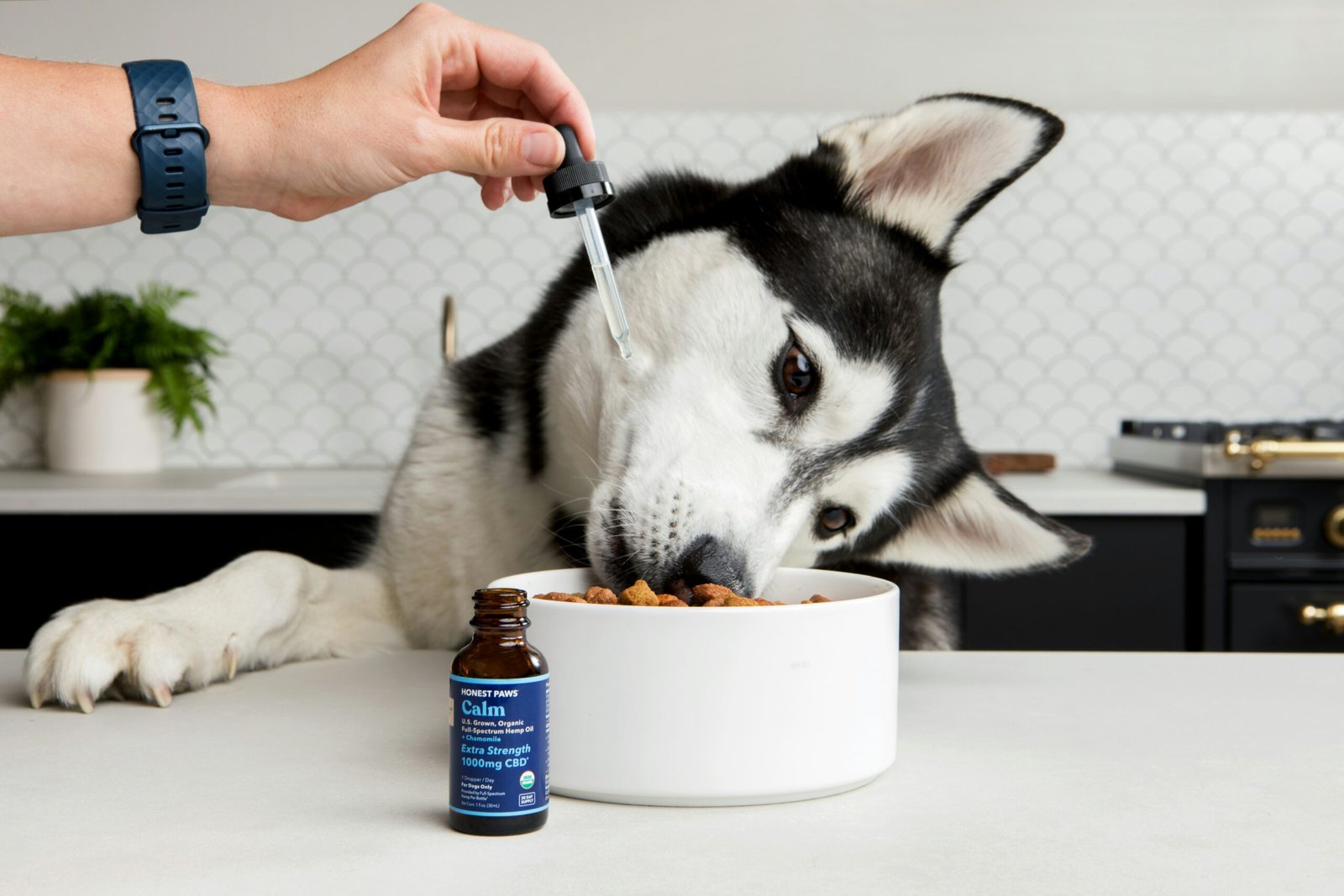
Oils are the most flexible format for dosing and are often the easiest for dogs that refuse both chews and tablets. Fish oil and krill oil are the most practical omega-3 delivery formats. CBD oil used for its anti-inflammatory properties also falls in this category and can be added directly to food.
Powders exist but are less common. They work well for dogs that are suspicious of new treats but will eat anything mixed into their regular food.
What Separates Useful Products from Marketing
The joint supplement market has a quality range that is wider than most product categories. At one end are well-formulated products with published ingredient amounts, third-party testing, and manufacturing transparency. At the other end are products with attractive packaging, vague ingredient listings, and doses too low to have any measurable effect.
Three things distinguish the better products. First, they disclose the milligrams of each active ingredient per serving. Second, they are manufactured in GMP-certified facilities and ideally carry NASC (National Animal Supplement Council) approval. Third, the glucosamine dose is appropriate for the dog’s size at the recommended serving amount, not theoretical.
Brands that consistently meet these standards include Nutramax (makers of Cosequin and Dasuquin), Innovet Pets, PetHonesty, and Zesty Paws. These are not the only options worth considering, but they are the ones with the most consistent transparency about what is in their products. For product picks matched to your dog’s specific situation, hip support, a formal arthritis diagnosis, or chew-format preference, see the three guides below.
Combining Supplements with Other Joint Support
Supplements work best as part of a broader approach to joint health rather than as a standalone solution.
Weight management is the single most impactful factor in slowing joint degeneration. Every kilogram of excess weight adds roughly three to four kilograms of additional force through the hip joints with each step. A dog that is overweight and arthritic will benefit more from reaching a healthy weight than from any supplement available. Supplements and weight management together produce better outcomes than either alone.
Exercise quality matters more than exercise quantity for senior dogs with joint issues. Shorter, consistent, low-impact activity such as leash walks on soft surfaces maintains joint mobility and muscle support without the impact stress of running or jumping. Swimming is the most joint-friendly exercise option for dogs that have access to it.
Orthopedic sleeping surfaces reduce overnight joint stress and improve recovery during rest. The difference in morning stiffness between a dog sleeping on a thin bed and one sleeping on proper high-density foam is measurable in how quickly the dog moves after waking.
For more on the physical side of joint support: best orthopedic dog beds for senior dogs and best support harness for senior dogs.

FAQ
At what age should I start giving my dog joint supplements?
For large breeds, between seven and eight years old as a preventive measure. For small breeds, around nine to ten years unless there is a specific reason to start earlier. The practical trigger is the first behavioural signs of joint discomfort: hesitation before jumping, extended stiffness after rest, or shortened walks without another explanation.
How do I know if a joint supplement is working?
Track specific behaviours rather than general impressions. Does the dog stand from lying more quickly than before? Does the post-rest stiffness last shorter? Does the dog initiate movement or activity it was previously avoiding? Give the supplement consistently for eight weeks before drawing a conclusion.
Can I give my dog joint supplements alongside other medications?
Most joint supplements are compatible with common medications, but it is worth checking with a vet before combining anything with blood thinners or NSAIDs. Omega-3 fatty acids in particular have mild blood-thinning properties that can interact with certain medications at high doses.
Is glucosamine enough on its own, or does my dog need a full formula?
Glucosamine alone addresses one part of the problem. A formula that combines glucosamine, chondroitin, and MSM addresses cartilage structure, cartilage breakdown prevention, and inflammation reduction simultaneously. For a dog already showing signs of joint discomfort, a combination formula will produce better results than glucosamine alone.
Are joint supplements a replacement for vet care?
No. Supplements manage symptoms and slow progression. They do not treat underlying conditions or replace a veterinary diagnosis. If a dog is showing significant mobility decline, a vet visit should come before or alongside starting a supplement, not instead of one.
Do joint supplements work for hip dysplasia specifically?
They help manage the symptoms and slow secondary osteoarthritis development, but hip dysplasia is a structural problem that supplements cannot correct. For dogs with hip dysplasia, the combination of appropriate supplementation, weight management, low-impact exercise, and veterinary guidance typically produces the best outcome. For product-specific picks aimed at hip support, our guide to the best hip supplements for senior dogs covers that ground directly.
Final Thoughts
Joint supplements for senior dogs are most effective when started before significant damage has occurred, used consistently at appropriate doses, and combined with the other practical factors that reduce joint stress. They are not a cure and they are not instant, but the right formula given consistently over months makes a measurable difference to how a senior dog moves and feels.
The ingredient quality and dose are what determine whether a supplement works. Start with a formula that discloses its active ingredient amounts, uses a meaningful glucosamine dose for your dog’s weight, and includes chondroitin and MSM alongside glucosamine. For product-specific picks matched to your dog’s situation, our guides on best hip supplements, supplements for dogs with arthritis, and best pain relief chews for senior dogs cover the specific options by need.
Sources
- https://www.petmd.com/dog/nutrition/glucosamine-for-dogs
- https://www.akc.org/expert-advice/health/glucosamine-for-dogs/
- https://vcahospitals.com/know-your-pet/arthritis-in-dogs
- https://www.ncbi.nlm.nih.gov/pmc/articles/PMC6523606/
- https://www.frontiersin.org/journals/veterinary-science/articles/10.3389/fvets.2022.906521/full

Pingback: Best Supplements For Senior Dogs - seniordog-care
Pingback: Top 10 Best Joint Supplements for Senior Dogs (Vet Recommended 2025)
Pingback: Best Hip Supplements for Senior Dogs (Top 6)
Pingback: What Supplements Do Senior Dogs Need? - seniordog-care
Pingback: Best Supplements for Senior Dog's with Arthritis: After a Diagnosis - seniordog-care