Introduction
When it comes to your dog’s health, few things are as important as getting their dog food portion size right. It sounds simple — just fill the bowl, right? But the truth is, most dog owners either overfeed or underfeed without realizing it. The result can be everything from stubborn weight gain to low energy or even long-term health issues like joint strain and digestive trouble.
Think about it: if your dog eats just a little too much every day, those extra calories can add up quickly — the same way they do for us. And when your dog’s meals are too small, they may not get the nutrients and energy their body needs to stay active and strong. The right portion isn’t just about avoiding obesity; it’s about balance, longevity, and keeping your dog feeling their best at every stage of life.
In this guide, we’ll break down how to calculate your dog’s ideal portion size, what factors to consider, and how to adjust over time as their needs change. You’ll also learn simple, proven ways to make feeding more consistent — so you can feel confident every time you scoop their food.
This post may contain affiliate links. If you buy through these links, I may earn a small commission at no extra cost to you. As an Amazon Associate, I earn from qualifying purchases.
Table of Contents
Why Portion Size Matters for Your Dog’s Health
Feeding your dog the right portion size isn’t just about preventing them from gaining or losing weight — it’s about supporting their entire body from the inside out. When your dog eats the right amount, their energy levels stay steady, their joints carry less strain, and their digestive system runs smoothly.
Overfeeding, even by a small margin, can lead to problems like obesity, diabetes, joint pain, and reduced mobility. These issues don’t happen overnight; they build up slowly, often disguised as a little extra fluff or laziness. On the other hand, underfeeding can leave your dog lacking essential nutrients, making them tired, irritable, or more vulnerable to illness.
Getting portions right creates balance. Your dog’s muscles, bones, and organs all depend on consistent nutrition. It’s the simplest way to help them live longer, stay active, and avoid costly vet visits down the road.
If you struggle with consistency, consider using a measuring scoop or digital pet food scale — they make accuracy easy and feeding stress-free.
Factors That Determine the Right Portion Size
No two dogs are the same — which means their ideal dog food portion size isn’t either. To feed your dog correctly, you need to consider several key factors that affect how much fuel their body really needs.
1. Breed and Size
A small dog like a Yorkie burns calories much faster per pound than a large dog like a Labrador. Toy breeds often need smaller but more calorie-dense meals, while big dogs do better with larger portions spread across fewer feedings. Always tailor the portion to your dog’s body size, not just their appetite.
2. Age and Life Stage
Puppies are little energy machines — they need frequent meals packed with protein and calories for growth. Adult dogs require maintenance feeding, focused on steady weight and balanced nutrients. Seniors, on the other hand, slow down and may need fewer calories to prevent extra weight from stressing their joints.
3. Activity Level
A dog that hikes, runs, or plays daily burns far more calories than one that lounges on the couch. Active breeds or working dogs need larger portions or higher-calorie food, while less active dogs thrive on moderate feeding to maintain lean muscle without gaining fat.
4. Health Conditions
If your dog has allergies, arthritis, or is on a weight management plan, their feeding needs can change drastically. Dogs recovering from illness or surgery may need more calories for healing, while those with certain conditions (like hypothyroidism or kidney issues) may need portion adjustments based on vet advice.
5. Type of Food
Kibble, wet food, and raw diets all have different calorie densities. A cup of dry food isn’t equal to a cup of canned or fresh food. Always read the feeding chart on your chosen brand and adjust portions according to calorie content — not just volume.
To simplify this, you can use digital food scales or portion-control feeding containers, which help ensure consistency no matter what type of diet your dog eats.
How to Calculate the Perfect Dog Food Portion
Finding the perfect dog food portion size for your dog might sound complicated, but it’s easier than most owners think. The key is to use a methodical, consistent approach — not guesswork. Here’s how to get it right every time.
Step 1: Start with the Feeding Chart
Every quality dog food brand provides a feeding chart on the bag or website. It’s a good baseline, offering suggested portions based on your dog’s weight. However, treat it as a starting point, not a rule — because most dogs don’t fit the “average” model perfectly.
Step 2: Adjust for Activity Level
If your dog gets more or less exercise than average, tweak the amount accordingly. Active, high-energy breeds may need up to 20% more food, while low-activity or indoor dogs might need 10–20% less. You’ll find your dog’s “sweet spot” through observation — steady weight, good energy, and no bloating are all good signs.
Step 3: Measure by Calories, Not Cups
Not all dog foods are created equal. Some are calorie-dense, meaning one cup packs far more energy than another brand’s. Check the calorie content (kcal per cup) and calculate your dog’s daily needs using this rule of thumb:
- Small dogs (under 20 lbs): 30–40 calories per pound per day
- Medium dogs (20–50 lbs): 25–30 calories per pound
- Large dogs (50+ lbs): 20–25 calories per pound
This formula gives you a reliable ballpark. You can then adjust slightly up or down based on your dog’s individual metabolism and activity.
Step 4: Weigh or Measure Consistently
Use a digital kitchen scale or a marked measuring cup — and stick with it. Scooping by eye can cause daily variation that adds up over time. Feeding consistently keeps your dog’s digestion stable and prevents weight creep.
Example Calculation
Let’s say you have a 40-pound dog. Multiply by 25 calories per pound = 1,000 calories per day. If your dog food provides 400 kcal per cup, you’ll feed about 2½ cups daily, split between two meals.
It’s simple math that saves years of guesswork — and keeps your dog’s body balanced for the long run.
Adjusting Portions Over Time
Even if you’ve found the right dog food portion size today, it won’t stay perfect forever. Your dog’s needs change with age, lifestyle, and health — which means their portions should, too. Feeding is not a “set it and forget it” routine; it’s something you refine as your dog’s body evolves.
Age and Activity Changes
As puppies grow, their calorie needs skyrocket, then stabilize once they reach adulthood. Senior dogs, on the other hand, burn fewer calories as their metabolism slows. An older dog that still eats like a young one can easily gain excess weight, putting stress on joints and organs. On the flip side, too little food can make them weak or undernourished.
Lifestyle Adjustments
A change in routine — like fewer walks in winter or more outdoor activity in summer — means calorie needs fluctuate. When life changes, feeding should change with it. The goal is steady body condition, not rigid portion rules.
Health and Weight Monitoring
Use your dog’s body, not just the bowl, as your guide. Feel their ribs — you should be able to find them easily without sharp bones sticking out. Check their waistline — visible but not sunken. These simple observations are often more reliable than any chart.
It’s a good habit to weigh your dog monthly, especially if they’re on a new food or feeding plan. Small adjustments — 10% up or down — can make a noticeable difference in maintaining optimal weight and vitality.
And remember: portion control doesn’t mean deprivation. It means feeding intentionally, so your dog thrives — not just survives.
Read here how aging affects digestion.
Tools and Products That Make Feeding Easier
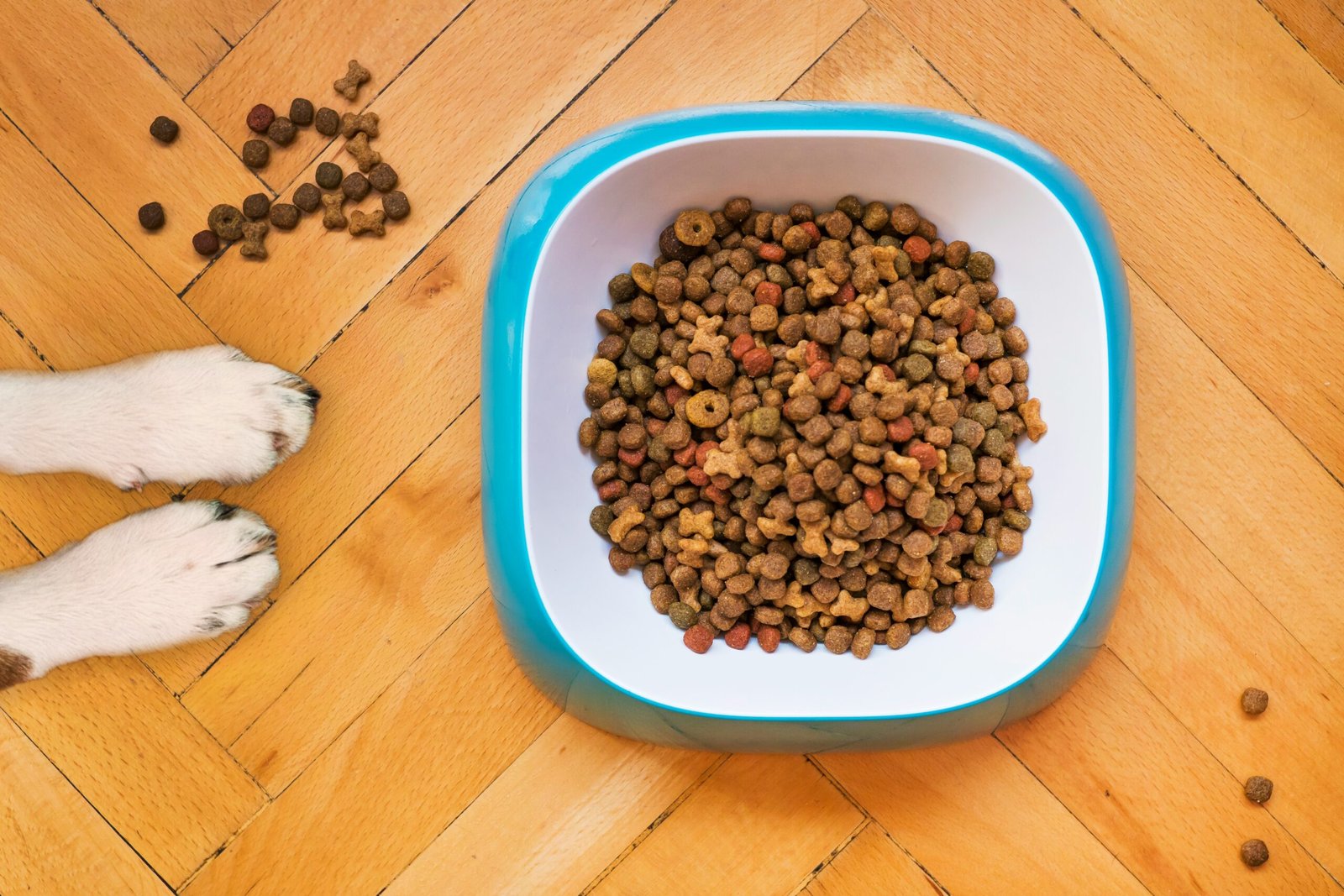
Keeping your dog’s food portion size consistent is much easier with the right tools. From measuring accurately to controlling pace, these products save time and protect your dog’s health. Here’s a breakdown of essential tools — all available on Amazon or EntirelyPets.
Measuring Cups and Scoops
Accurate portions start with a reliable measuring cup or scoop. These simple tools ensure every meal is consistent, preventing accidental overfeeding or underfeeding. Options range from stainless steel to durable plastic, all easy to clean and long-lasting.
Check these out on Amazon: measuring cups for dog food
Digital Pet Food Scales
For precision, a digital food scale takes the guesswork out of feeding. Especially useful for small dogs, calorie-dense diets, or picky eaters, a scale ensures every meal matches your dog’s needs exactly.
Check these out on EntirelyPets: digital pet food scales
Slow Feeders and Portion-Control Bowls
Dogs that eat too quickly can develop bloating, digestive upset, or weight gain. Slow feeders or portion-control bowls make dogs eat more slowly, improving digestion and making smaller portions feel more satisfying.
Check these out on Amazon: slow feeder bowls for dogs
Or explore EntirelyPets for additional feeding accessories.
Smart Feeders and Timed Dispensers
For busy pet parents, automatic or smart feeders keep meals on schedule. You can program exact portion sizes, feeding times, and even monitor via mobile apps. Perfect for maintaining routine and avoiding overfeeding when you’re away.
Check these out on Amazon: automatic pet feeders Or On Entirelypets.com
Storage and Freshness Containers
Keeping food fresh preserves nutrients, flavor, and quality. Airtight dog food containers prevent spoilage, moisture, and pests while making daily feeding easier.
Check these out on Amazon: airtight dog food containers
Using these tools ensures portion consistency, reduces feeding stress, and supports your dog’s overall health. For pet-specific options and additional accessories, you can also browse EntirelyPets’ feeding solutions.
FAQs About Dog Food Portion Size
Feeding your dog the right portion can be confusing, so here are the most common questions answered. These tips help you measure, adjust, and stay consistent while keeping your dog healthy and happy.
How do I know if I’m feeding my dog the right amount?
The easiest way is to monitor your dog’s body condition score (BCS). You should be able to feel the ribs easily without them sticking out, and your dog should have a visible waistline when viewed from above. If your dog is gaining or losing weight unexpectedly, adjust the portions slightly or consult your vet.
Should I measure food by weight or volume?
Weight is more accurate, especially when switching foods or feeding calorie-dense diets. Using a digital pet food scale ensures your dog receives the exact number of calories needed, eliminating guesswork. Check these out on Amazon: digital pet food scales
How often should I feed my dog per day?
Frequency depends on age and lifestyle. Puppies generally require 3–4 meals per day, adult dogs usually thrive on 2 meals, and some senior dogs benefit from smaller, more frequent meals to aid digestion.
Do treats count toward daily calories?
Absolutely. Treats should be included in the total daily calorie intake to prevent unintentional weight gain. Use low-calorie or healthy treats, and consider portioning them with a small scoop or mini measuring cup. Check these out on Amazon: healthy dog treats
How can I tell if my dog needs more or less food?
Look at energy levels, body shape, and stool consistency. A dog that seems lethargic, losing weight, or having frequent digestive issues may need more or a higher-quality food. Conversely, a dog gaining excess weight or showing signs of bloating may need a reduced portion or slower-feeding tools.
Final Thoughts
Managing your dog’s food portion size is one of the simplest yet most powerful ways to support their health, energy, and longevity. By feeding the right amount, monitoring weight, and using consistent tools, you’re helping your dog stay fit, active, and happy for years to come.
Remember, there’s no one-size-fits-all approach. Your dog’s needs change with age, activity level, and health conditions. Regularly reassessing portions, using accurate measuring tools, and adjusting gradually ensures your dog gets exactly what they need — no more, no less.
To make portion control easier, consider investing in digital food scales, measuring cups, slow feeders, or smart automatic dispensers. Trusted options are available on Amazon and EntirelyPets, giving you precise control and peace of mind while making mealtime simple and stress-free.
By combining careful portioning with quality food and mindful feeding routines, you’re giving your dog the foundation for a healthy, happy life — one perfectly measured meal at a time.
Sources
- American Kennel Club – Feeding Your Dog
- PetMD – Dog Food Portion Control
- VCA Animal Hospitals – Feeding Guidelines for Dogs
- ASPCA – Dog Nutrition Tips
- Hill’s Science Diet – Feeding Guide
- Royal Canin – Dog Feeding Calculator
- Blue Buffalo – Dog Food Feeding Recommendations
- Purina Pro Plan – Feeding Guidelines
Pingback: Best Weight Management Dog Food for Senior Dogs - seniordog-care
Pingback: How Aging Affects Digestion in Senior Dogs: Tips to Keep Your Dog Healthy - seniordog-care