Senior dog winter care matters more than most owners realize until the first cold snap hits and the dog that used to bound outside suddenly hesitates at the door. Cold weather does not just make a dog uncomfortable. It slows blood flow to already stiff joints, increases the energy a dog burns just to stay warm, and turns wet, icy ground into a genuine fall risk for a dog with reduced balance. A lot of owners miss how much winter changes for an older dog, so there is no shame in that. But now that you do know, a few adjustments to your routine can make the difference between a hard winter and a manageable one.
This guide covers what actually changes for a senior dog once temperatures drop, from body temperature regulation to arthritis flare-ups to the specific hazards that only show up in cold weather. Treat this as the starting point for a full winter routine, not a single checklist to skim once and forget.
Table of Contents
What Winter Does to an Aging Dog’s Body
A senior dog loses body heat faster than a younger dog for a few concrete reasons. Muscle mass typically decreases with age, and muscle generates heat, so a dog with less muscle has less natural insulation than it did five years earlier. Body fat also tends to redistribute or decrease in many older dogs, removing another layer that used to help retain warmth. On top of that, circulation slows with age, which means the extremities, paws, ears, and tail, cool down faster and take longer to warm back up.
None of this means every senior dog needs to be treated like it is fragile. A healthy senior dog with a thick double coat still tolerates cold reasonably well. But a thin-coated breed, a dog with an existing health condition, or any dog over roughly ten years old needs the owner paying closer attention than they would for a younger, healthier animal. Senior dog winter care starts with recognizing that the same weather your dog handled easily at five years old may not be handled the same way at eleven.
Signs Your Senior Dog Is Too Cold
Dogs cannot say they are cold, so the signals are physical and easy to miss if you are not looking for them. Shivering is the most obvious one, but it is often a later sign, not an early one. Earlier signs include tucking the tail tightly against the body, lifting one or more paws off the ground while standing outside, moving stiffly or reluctantly, and trying to turn back toward the house sooner than usual on a walk. These signals are worth learning in more depth, since the earliest ones are easy to miss. See the full breakdown of the signs your senior dog is cold for what to watch for before shivering even starts.
Indoors, a senior dog that is cold will often seek out heat sources it normally ignores, curling up directly against a radiator, sleeping unusually close to a heating vent, or refusing to leave a sunny patch of floor. A dog that suddenly wants to sleep pressed against you at night, when it did not before, may be doing so partly for warmth. None of these signs are dramatic on their own, but taken together they tell you the dog’s current setup is not doing enough to keep it warm through the season.
Keeping Your Senior Dog Warm Indoors
Indoor warmth matters more for a senior dog than owners tend to assume, because central heating does not always reach floor level evenly, and an older dog spends most of its day at floor level. A bed placed away from drafts, doors, and windows makes a real difference, even in a heated house. Tile and hardwood floors also stay noticeably colder than carpet through winter, so a dog that sleeps or rests on bare floor loses more heat overnight than one on a rug or a padded bed.
A blanket the dog can burrow into, rather than one simply draped over a bed, gives the dog control over how much warmth it wants at any given moment. Some senior dogs, particularly thin-coated breeds or dogs with very little body fat left, benefit from a heated bed or blanket, though these should always be checked for safe, dog-rated heating elements rather than repurposed human electric blankets, which are not designed with a dog’s chewing or overheating risk in mind.
Keeping Your Senior Dog Warm Outdoors
Outdoor time does not need to stop in winter, but it does need to change. Shorter, more frequent walks generally work better than one long walk, since a senior dog loses heat steadily throughout time spent outside, and a shorter walk limits how much heat is lost before the dog gets back to a warm environment. Timing also matters. The middle of the day, when temperatures are at their highest, is usually more comfortable for an older dog than an early morning or late evening walk in the same week. For a closer look at which coats actually hold up in real winter conditions, and which ones fall short, see this comparison of the best winter coats for senior dogs.
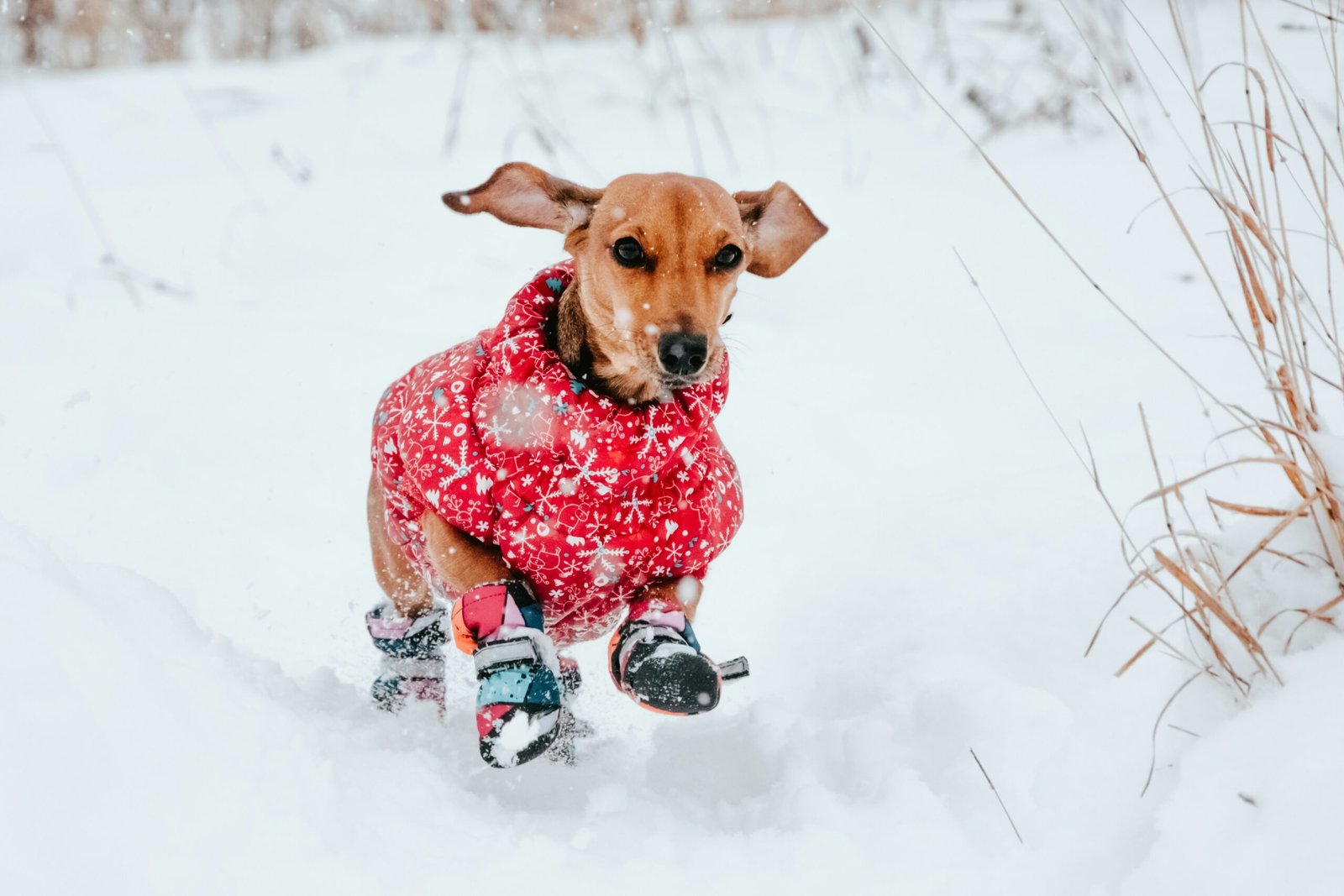
A coat or jacket is not just a convenience item for a senior dog the way it might be treated for a younger one. For a dog with reduced muscle mass and slower circulation, a properly fitted coat reduces how hard the body has to work to maintain temperature during a walk, which matters especially for dogs already managing arthritis or another chronic condition. Paw protection is worth the same attention. Cold pavement, ice, and de-icing salt can all irritate or injure a senior dog’s paws, and paws that already have thinner, less resilient skin due to age are more vulnerable to cracking than a younger dog’s paws would be.
For a deeper dive into keeping your senior dog warm during winter: How to Keep Your Senior Dog Warm This Winter
Arthritis and Joint Pain in Cold Weather
Cold weather does not cause arthritis, but it reliably makes existing joint pain worse. Lower temperatures are associated with increased joint stiffness in dogs with arthritis, likely related to changes in barometric pressure and reduced blood flow to the joints in cold conditions. Owners of senior dogs with any diagnosed or suspected joint issue typically notice this directly, the same dog that moved reasonably well in September starts moving more stiffly by December, without any new injury explaining the change.
A few adjustments help specifically with this. Keeping the dog’s usual routine of movement going, even if walks get shorter, matters more than most owners expect, since a joint that stays completely still through a cold winter often stiffens further, creating a worse cycle than gentle, consistent movement would. Warmth applied directly to sore joints also helps meaningfully for many dogs. For a closer look at whether heat therapy is appropriate for your dog and how to use it safely, see the guide to heating pads for dogs with arthritis, which covers safe use, timing, and what to avoid.
Nutrition and Hydration Changes in Winter
Winter changes a dog’s energy needs in ways that are easy to overlook. A dog that spends more time indoors and gets shorter walks generally burns fewer calories than it did in warmer months, which means the same amount of food that was appropriate in summer can lead to gradual weight gain over winter if the owner does not adjust portions. Extra weight is a particular problem for a senior dog with joint issues, since added weight increases the load those joints carry with every step.
Hydration is the other piece owners tend to forget. Dogs drink less in cold weather simply because they feel less thirst, the same way people do, but the body’s need for water does not actually decrease by the same amount. For a senior dog, adequate hydration supports kidney function, which already tends to decline somewhat with age, so encouraging water intake through winter, using a second water bowl in a different part of the house or adding a small amount of warm water to meals, is worth the minor effort involved.
Winter Hazards to Watch For
A handful of hazards only appear during winter months, and senior dogs are more exposed to their consequences than younger dogs. Ice is the most obvious one. A senior dog with reduced balance and slower reflexes is considerably more likely to slip and injure a joint, tendon, or ligament on an icy surface than a younger, more coordinated dog would be. Sticking to salted or gritted paths where possible, and avoiding known icy patches entirely rather than testing them, reduces this risk directly.
Road salt and de-icing chemicals present a second hazard. These substances can irritate a dog’s paw pads on contact and cause stomach upset if licked off afterward, which matters more for a senior dog since digestive upset tends to hit harder and take longer to resolve in an older dog’s system. Wiping paws down with a damp cloth after every winter walk, rather than only when visibly dirty, catches residue before the dog has a chance to lick it off. Antifreeze is a third, more serious hazard. It has a taste some dogs find appealing, and even a small amount is highly toxic. Any driveway or garage area where antifreeze might have leaked deserves extra caution during a senior dog’s outdoor time.
When to Adjust or Skip Walks Entirely
Not every winter day calls for the same outdoor routine, and knowing when to scale back matters as much as knowing how to dress a dog for the cold. Extreme cold, heavy wind chill, or icy conditions are reasonable reasons to shorten a walk significantly or replace it with indoor activity for that day. A senior dog that shows any of the cold-related signs covered earlier, tail tucking, paw lifting, reluctance to continue, should be brought inside rather than pushed to finish the planned route.
Indoor alternatives keep a senior dog mentally engaged without exposing it to weather it is not equipped to handle that day. Short training refreshers, scent games using treats hidden around a room, or slow, gentle play all provide some of the stimulation a walk normally would, without the physical strain of cold exposure. This is not about avoiding winter walks altogether. It is about reading the specific day and the specific dog rather than following the same routine regardless of conditions.
Building a Winter Routine for Your Senior Dog
The most effective approach to senior dog winter care is not a single big change but a routine made up of several small ones. A warmer, draft-free sleeping area, a properly fitted coat for outdoor time, shorter and better-timed walks, closer attention to joint comfort, and a slight adjustment to food and water habits together cover most of what changes for an aging dog once the season turns. None of these individually solves the whole problem, but combined, they address the real risks winter creates rather than just the obvious one, the temperature itself.
Building this routine before the coldest part of the season arrives, rather than reacting once the dog is already struggling, gives both the dog and the owner time to adjust gradually. A coat introduced in early winter, while temperatures are still mild, gives a dog time to get used to wearing it before it becomes necessary on a genuinely cold day.
FAQ
At what temperature should I stop walking my senior dog outside?
There is no single number that applies to every dog, since coat type, size, and health all affect cold tolerance. As a general guide, most senior dogs should have walks shortened significantly below freezing, and dogs with thin coats or existing joint issues may need to stay indoors well before that point.
Do senior dogs need coats even if they have a thick coat already?
Dogs with thick double coats generally need less additional protection than thin-coated breeds, but a senior dog with reduced muscle mass or an existing health condition may still benefit from a coat regardless of coat type, since the issue is heat retention throughout the body, not just fur density.
Does cold weather actually make arthritis worse, or does it just feel that way to owners?
Cold weather is genuinely associated with increased stiffness and discomfort in dogs with arthritis, likely linked to changes in blood flow and joint pressure in colder conditions, so this is not simply a perception on the owner’s part.
How can I tell if my senior dog is too cold indoors, not just outdoors?
A senior dog that seeks out heat sources it normally ignores, curls into a tighter position than usual, or seems reluctant to leave its bed in the morning may be cold indoors, particularly in a house with drafts or uneven heating.
Is it safe to use a heating pad for a senior dog with joint pain?
Heating pads can help with joint comfort when used correctly, but they carry a burn risk if used incorrectly or for too long at a time. See the full guide on heating pads for dogs with arthritis for safe usage guidelines specific to senior dogs.
Final Thoughts
Senior dog winter care comes down to paying attention to a body that no longer regulates temperature or absorbs impact the way it used to. Keep the sleeping area warm and draft-free, dress your dog appropriately for outdoor time, watch closely for the early signs of cold rather than waiting for shivering, and adjust food, water, and joint care as the season demands. None of these changes are dramatic on their own, but together they turn a hard season into a manageable one for a dog that depends on you to notice what it cannot say out loud.



Pingback: How to Keep Your Senior Dog Warm This Winter - seniordog-care
Pingback: Signs Your Senior Dog Is Cold - seniordog-care
Pingback: Best Winter Coats for Senior Dogs (2026) - seniordog-care