
Best supplements for senior dog’s with arthritis matter more once you have an actual, confirmed diagnosis, because a diagnosis genuinely changes what “the right supplement” means for an ageing dog specifically. Before a vet has confirmed anything, you are managing suspected stiffness in a dog that is simply getting older, working from behavioural signs alone. After a diagnosis, you are managing a confirmed, progressive condition in a body that already has less repair capacity than it did five years ago, and the right response looks considerably more structured than picking whichever joint chew happens to have the most reviews.
This distinction matters more for a senior dog than it would for a younger one showing early joint injury. A senior dog’s cartilage is already repairing more slowly than it used to, its digestive system adapts less readily to new products, and its margin for a poorly matched supplement choice is genuinely smaller. Most generic guides treat “arthritis supplements” as one undifferentiated category regardless of the dog’s age, listing the same ingredients whether the reader has a two-year-old recovering from an injury or a twelve-year-old with confirmed, advanced osteoarthritis. For a senior dog, the approach needs to account for slower healing, reduced tolerance for sudden change, and often the presence of other age-related conditions running alongside the arthritis itself.
This guide covers how to think about supplementation once arthritis is specifically confirmed in a senior dog, which core ingredients matter most at that stage, and how to choose the right format and type for your dog’s exact situation from there. For the underlying mechanism behind why these ingredients actually work inside an ageing dog’s joints, our guide on joint supplements for senior dogs covers that science first. For specific product recommendations depending on your senior dog’s precise need, our best hip supplements, best pain relief chews, and best CBD oil guides cover those specific categories in depth. For supplements beyond arthritis entirely, our best supplements for senior dogs guide covers every type worth knowing about.
This post may contain affiliate links. If you buy through these links, I may earn a small commission at no extra cost to you. As an Amazon Associate, I earn from qualifying purchases.
Table of Contents
How Arthritis Develops and Progresses in an Ageing Dog
Arthritis develops as cartilage, the smooth, resilient tissue cushioning the space between bones inside a joint, wears down faster than an ageing body can repair it. In a younger dog, cartilage regenerates at roughly the same rate it experiences everyday wear. Once a dog reaches its senior years, that repair rate slows considerably, often well before the wear itself slows down at all, which is exactly why arthritis becomes so much more common once dogs pass into their senior life stage. Once cartilage thins past a certain point, bone surfaces begin making direct contact during movement, producing the pain and inflammation that defines osteoarthritis.
This process affects senior dogs of every size, though larger breeds tend to develop it earlier and more severely given the mechanical load their joints have carried across a lifetime. A smaller senior dog is not immune, particularly with a history of joint injury or a breed predisposition, and owners of smaller breeds sometimes dismiss early signs specifically because they associate arthritis mainly with big dogs.
The early signs in a senior dog, before formal diagnosis, tend to be subtle rather than dramatic, and are easy to mistake for “just getting old” rather than something addressable. A dog hesitating slightly before jumping onto a sofa it used to leap onto without a second thought. Getting up from a nap taking a beat longer, with visible stiffness in the first few steps that eases as the dog warms up. Becoming quieter or a little more irritable when touched near a specific joint. None of these signs alone confirms arthritis, but together, or persisting over several weeks in a senior dog, they are exactly the pattern that warrants a vet visit and often imaging to confirm what is actually happening inside the joint, rather than assuming it is simply age catching up.
What Changes Once Arthritis Is Confirmed in a Senior Dog
A formal diagnosis, typically following a physical examination and often X-rays showing joint space narrowing or bone changes consistent with osteoarthritis, shifts the situation from suspected to confirmed, and this matters for supplementation in a senior dog in a few concrete ways.
First, dosing becomes less of a guessing game. During the suspected phase, many owners reasonably start with a standard, moderate dose of glucosamine and chondroitin as a cautious first step. After confirmation, matching the dose more precisely to your senior dog’s weight and the severity noted by your vet becomes worth the extra attention, since underdosing a confirmed condition in a body with less repair capacity delivers even less benefit than it would in a younger dog.
Second, the reassessment timeline shortens. A suspected case can reasonably be monitored loosely over a few months. A confirmed case in a senior dog benefits from a more structured check-in, typically every four to eight weeks initially, to establish whether the current approach is working or whether an adjustment is needed, especially since arthritis in an older dog tends to progress alongside other age-related changes happening at the same time.
Third, the right product category becomes more specific once you know more about your senior dog’s situation. Confirmed hip-specific arthritis, common in larger senior breeds, calls for a different emphasis than arthritis spread across several joints. A senior dog whose arthritis is accompanied by visible anxiety or poor sleep, both increasingly common with age, might benefit from a CBD-inclusive formula in a way a dog with purely mechanical stiffness would not need as urgently.

Core Ingredients That Matter Most for a Senior Dog After a Diagnosis
Glucosamine and chondroitin remain the foundation of post-diagnosis supplementation for a senior dog. Glucosamine supplies the raw material the body uses to maintain and repair cartilage, a process that is already slower in an older dog than a younger one. Chondroitin works alongside it, slowing the breakdown of existing cartilage and helping it retain the water content that keeps it resilient. After confirmation, a clinically referenced dose, generally around 20 milligrams of glucosamine per kilogram of body weight daily, is worth confirming against the label, rather than assuming any product marketed for senior joints automatically meets this threshold.
MSM adds a genuinely distinct anti-inflammatory layer, often producing a more noticeable short-term reduction in stiffness than glucosamine and chondroitin alone, sometimes within three to four weeks. This faster effect matters for a senior dog whose owner is watching closely for signs that something is genuinely helping. Best Joint Supplements for Senior Dogs (Top 6)
Omega-3 fatty acids, from fish oil rather than plant-based sources, reduce inflammation through a separate pathway, and also support the cognitive function that becomes an increasing concern in senior dogs generally, making it a doubly relevant ingredient at this life stage.
Turmeric and curcumin offer additional anti-inflammatory support, though curcumin absorbs poorly without a complementary ingredient such as piperine from black pepper. A turmeric supplement without this addition delivers considerably less benefit than the label suggests, regardless of how it is marketed to senior owners.
Hyaluronic acid supports joint lubrication directly, particularly relevant for a senior dog with more advanced, confirmed arthritis, where the synovial fluid inside the joint has itself deteriorated alongside the cartilage.
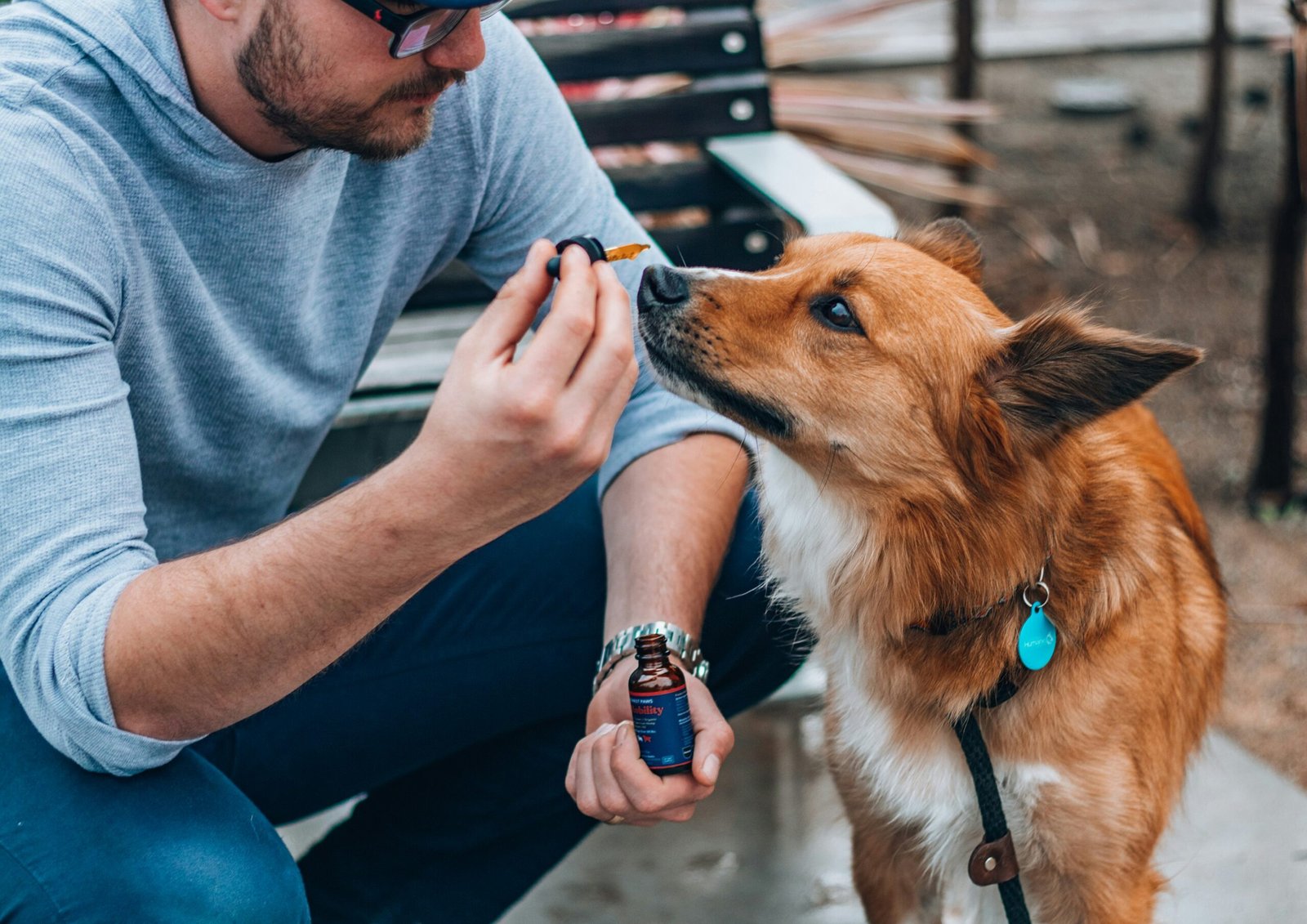
CBD can add a further anti-inflammatory and calming layer, genuinely relevant for a senior dog managing both joint discomfort and the anxiety or disrupted sleep that sometimes accompanies ageing. It works alongside the structural ingredients above, not as a replacement for them.
Choosing the Right Format and Type for Your Senior Dog
Once these core ingredients are confirmed as the right foundation, the decision shifts to format and specific type, matched to your senior dog’s exact situation rather than a generic list.
If your senior dog’s confirmed arthritis is concentrated in the hips, common in larger senior breeds given the mechanical load hips carry, our guide to the best hip supplements for senior dogs covers products calibrated specifically for that joint.
If chew format and simple daily administration matter most, whether because your senior dog has become a pickier eater or dental comfort is a factor, our guide to the best pain relief chews for senior dogs covers the strongest combination chews, including options pairing standard glucosamine and chondroitin with natural analgesics such as white willow bark.
If you are considering CBD as part of your senior dog’s routine, our guide to the best CBD oil for senior dogs covers formulation types, THC compliance, and dosing specifically calibrated for an older, more sensitive body.
How to Safely Introduce Supplements to a Senior Dog After Diagnosis
Start at the recommended label dose, even if it seems modest, and increase gradually over several days. This matters more for a senior dog than a younger one, since an older digestive system adapts more slowly to any new product, and a sudden full dose is more likely to cause loose stools or reduced appetite in an ageing dog than in a younger one.
Pair the supplement with genuinely good nutrition rather than treating it as a standalone fix. Monitor your senior dog closely over the following weeks for improved mobility, willingness to jump or climb stairs, and reduced morning stiffness, and watch for vomiting, diarrhoea, or behavioural change that would warrant stopping and consulting your vet.
Regular veterinary check-ins remain especially important for a senior dog, since arthritis is progressive and often develops alongside other age-related conditions. What worked well at diagnosis may need adjusting as your dog continues to age, not just as the arthritis itself changes.
Supporting an Ageing Dog’s Joints Beyond Supplements
Maintaining a healthy weight matters more for a senior dog than at any earlier life stage, since every extra kilogram adds strain to joints that already have less cartilage cushioning than they did years ago.
Gentle, low-impact exercise, such as short walks or swimming, maintains muscle tone that supports an arthritic joint without the impact stress a senior dog’s body handles less well than it used to.
Supportive bedding and mobility aids reduce everyday strain that compounds over time in an older dog. Our guide to orthopedic dog beds for dogs with arthritis covers this physical side of support directly.
FAQ
How long does it take for arthritis supplements to work in a senior dog?
Most owners notice measurable improvement within four to eight weeks of consistent use, though MSM-containing formulas sometimes show a faster initial effect. A senior dog’s slower metabolism means this timeline is worth respecting rather than judging too early.
Can supplements replace veterinary treatment for a senior dog’s confirmed arthritis?
No. Supplements support joint health and manage symptoms, but they do not replace prescribed medication or ongoing veterinary monitoring, particularly important for a senior dog where arthritis often develops alongside other age-related conditions.
Are some supplements better for large senior breeds than small senior breeds?
Large senior breeds often carry a higher lifetime arthritis risk and may need a correspondingly higher dose relative to their size, always calculated by weight and confirmed with your vet rather than assumed.
Can I combine multiple supplement types for my senior dog after a diagnosis?
Yes. Combining glucosamine and chondroitin with omega-3s is standard, and adding CBD alongside structural support is increasingly common for senior dogs with visible discomfort. Always confirm the specific combination with your vet.
Are there side effects worth watching for in a senior dog specifically?
Most supplements are well tolerated, though senior dogs may show mild digestive upset more readily than younger dogs during introduction. Starting slowly and monitoring closely reduces this risk.
How often should I reassess my senior dog’s supplement routine after a diagnosis?
Generally every four to eight weeks initially, since arthritis is progressive and a senior dog’s overall condition can shift for other age-related reasons alongside the joint disease itself.
Final Thoughts
Best supplements for senior dogs with arthritis after a confirmed diagnosis comes down to two decisions made in sequence. First, confirm the core ingredients are present at a meaningful dose, glucosamine, chondroitin, MSM, and omega-3s at minimum, calibrated for an ageing body with less repair capacity than it used to have. Second, choose the right format and specific type for your senior dog’s exact situation, whether that means a hip-specific formula, a chew-format combination product, or CBD alongside structural support.
Supplements work best paired with a healthy weight, gentle exercise, and supportive bedding, not as a standalone intervention. Regular veterinary check-ins remain especially important for a senior dog, since arthritis continues to progress alongside the broader realities of ageing.
Sources
https://pmc.ncbi.nlm.nih.gov/articles/PMC5356289/
https://www.akc.org/expert-advice/health/arthritis-in-dogs/
https://www.petmd.com/dog/care/best-supplements-dogs-arthritis


Pingback: Best Hip and Joint Supplements for Senior Dogs (Top 10)
Pingback: Best Supplements For Senior Dogs - seniordog-care
Pingback: What Supplements Do Senior Dogs Need?
Pingback: Multivitamin vs Specific Senior Dog Supplements: Which Does Your Dog Actually Need?
Pingback: How to Help Senior Dogs with Arthritis at Home
Pingback: Joint Supplements for Senior Dogs: What Works & Why - seniordog-care
Pingback: Best Joint Supplements for Senior Dogs (Top 6) - seniordog-care