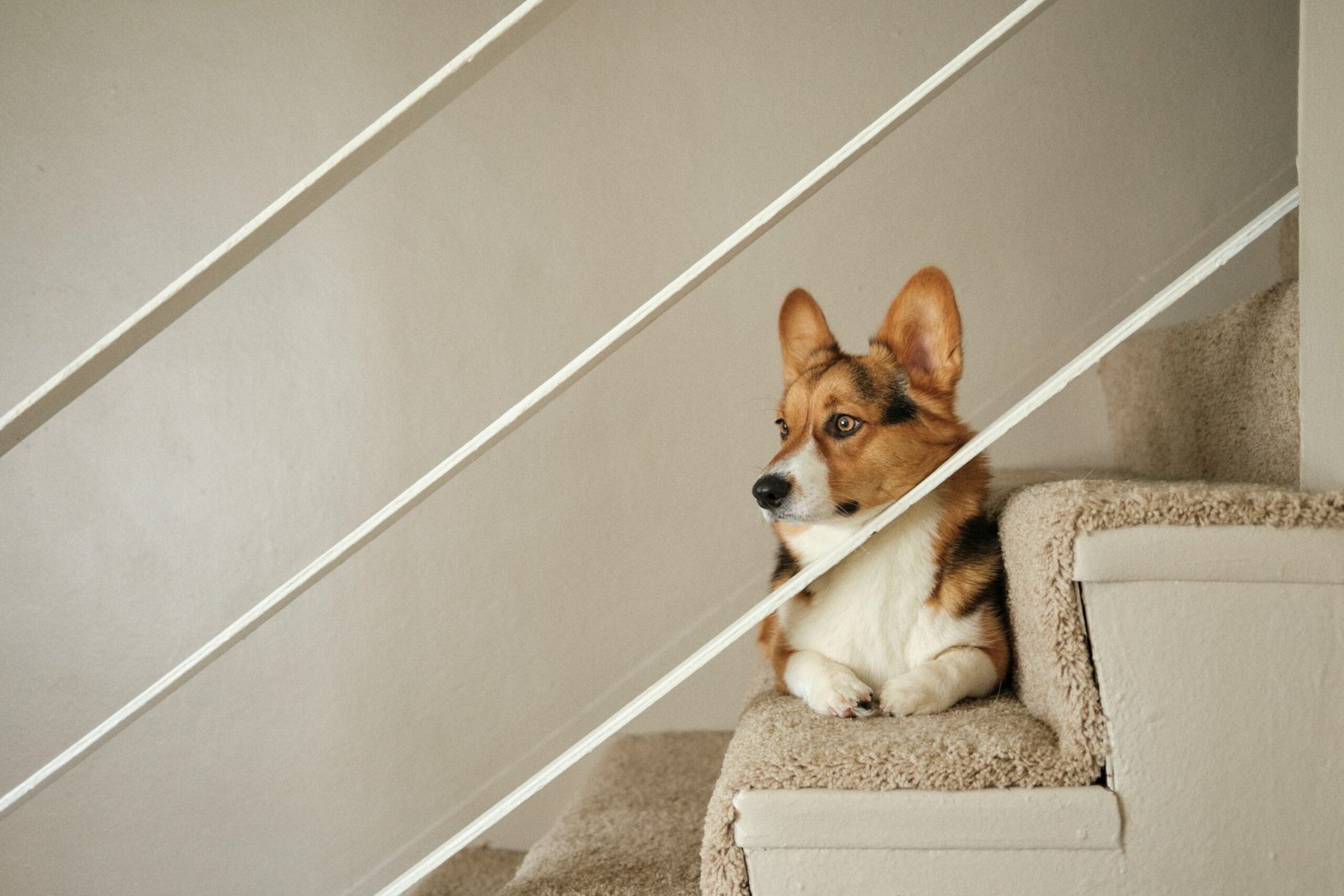
Dog ramp vs dog stairs is a genuine decision for owners of senior dogs, and the right answer depends more on your dog’s specific joints and confidence than on which option looks tidier in the living room. As dogs age, jumping onto a couch, climbing into a car, or reaching a bed can become genuinely difficult, and choosing the wrong mobility aid can mean less support exactly where your dog needs it most.
Both tools solve the same underlying problem, avoiding the sudden impact of a jump, but they do it in meaningfully different ways. A ramp provides one continuous, gentle incline. Stairs provide a series of smaller, discrete steps that many dogs already find familiar from navigating stairs elsewhere in the home. This guide compares the two directly for a senior dog’s specific needs, covers when each genuinely works better, and looks at when combining both makes the most sense. For specific ramp recommendations, our guide to the best dog ramps for senior dogs covers six options by size and use case. Once you have chosen either, our guide on how to train your dog to use a ramp or stairs covers building your dog’s confidence safely.
This post may contain affiliate links. If you buy through these links, I may earn a small commission at no extra cost to you. As an Amazon Associate, I earn from qualifying purchases.
Table of Contents
Why Senior Dogs Need One of These Tools
Senior dogs commonly deal with stiff joints, reduced muscle mass, and conditions such as arthritis or hip dysplasia that make jumping onto a couch or into a car genuinely risky rather than simply less graceful than it used to be. Every jump concentrates real impact through the hips, knees, and spine, and a body with less cartilage cushioning than it had a few years earlier absorbs that impact considerably worse.
A ramp or a set of stairs removes that impact by replacing a single jarring motion with a smoother, controlled climb. Both reduce the risk of sprains, joint strain, and long-term damage, and both let a dog reach favourite spots independently rather than needing to be lifted every time or, worse, quietly avoiding the couch, bed, or car altogether as jumping becomes too uncomfortable to attempt.
How a Ramp Actually Helps
A ramp is a sloped surface that lets a dog climb up or down through one continuous, gentle motion rather than a series of discrete steps. This matters most for a senior dog with arthritis or hip dysplasia, since the incline spreads the effort across the whole climb rather than concentrating it at each individual step edge the way stairs do.
Ramps come in a few main forms. Foldable ramps store easily and suit a dog needing occasional support around the house. Telescoping ramps adjust in length, making them the more practical choice for car access across different vehicle heights. Fixed ramps offer a sturdier, permanent solution for a dog that needs daily support at one specific spot, such as a bed or a favourite chair.
A properly angled ramp, generally between 18 and 25 degrees, tends to work particularly well for a dog that is hesitant or actively fearful of stairs, since the gradual slope feels less demanding than a step edge that requires lifting each paw in turn.
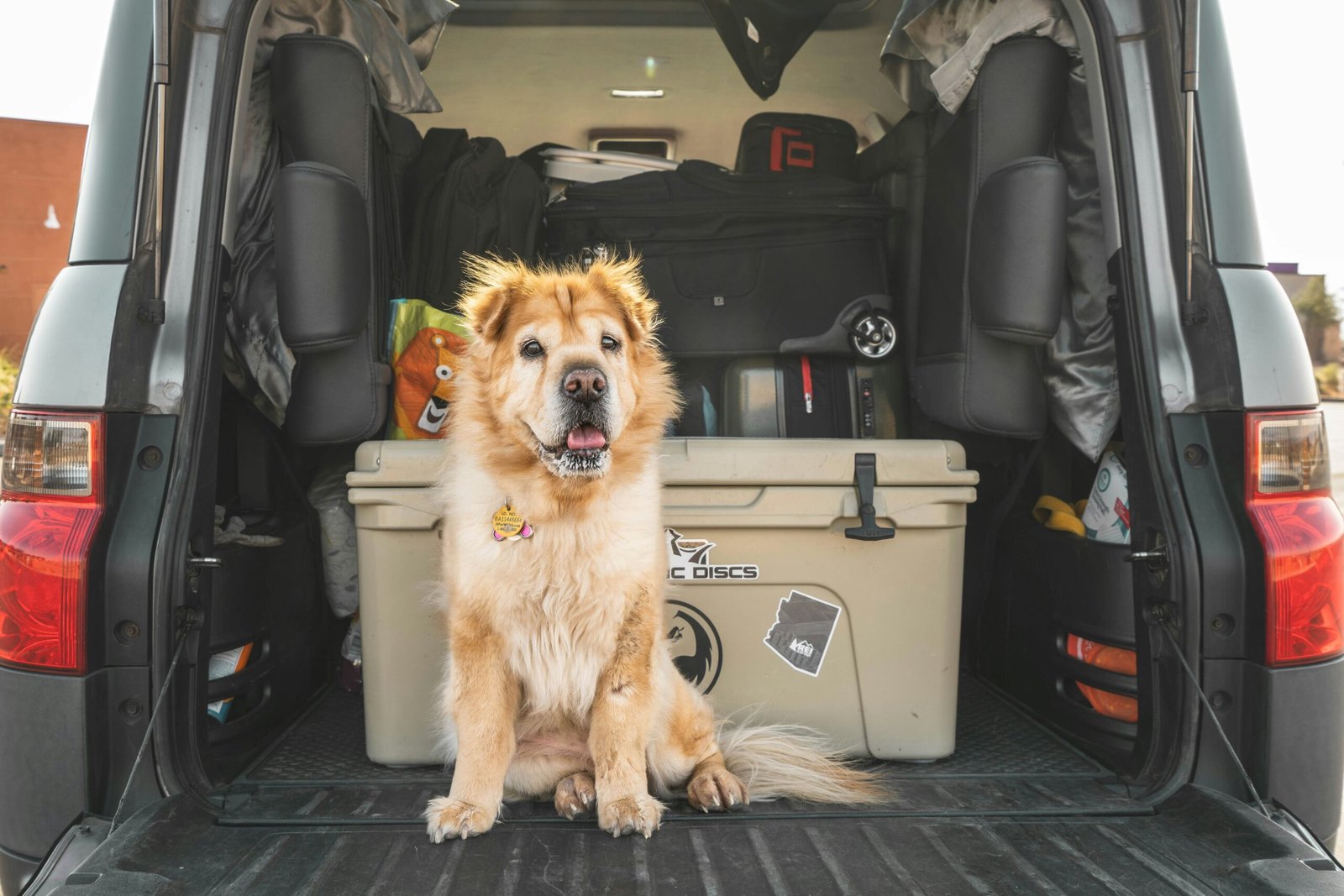
How Stairs Actually Help
Dog stairs work through a series of small, controlled steps rather than one continuous slope, and for many senior dogs this feels immediately familiar, since it closely mirrors the human stairs a dog has likely already navigated countless times in the home.
Stairs tend to suit indoor furniture access particularly well, since they take up considerably less floor space than a ramp long enough to reach a bed or a tall couch comfortably. Softer, cushioned steps reduce paw impact for a dog with sensitive joints, while carpeted or textured steps add genuine traction that a hard, uncushioned surface cannot match. Stairs are generally easier to position precisely next to a specific piece of furniture than a longer ramp would be.
The trade-off is that steeper, taller steps can still strain a senior dog’s joints more than a gentle ramp incline would, and stairs are considerably less practical for very tall climbs such as into an SUV or onto an especially high bed.
Comparing the Two Directly
| Factor | Dog Ramp | Dog Stairs |
|---|---|---|
| Motion | One continuous, gentle incline | Series of discrete steps |
| Best for | Senior dogs, arthritis, hip dysplasia, tall climbs | Familiar, compact indoor access |
| Space required | More floor space, particularly for tall climbs | More compact and easier to position |
| Vehicle access | Well suited, especially telescoping designs | Less practical for most vehicles |
| Joint strain | Lower, spread across the whole climb | Higher per step, though softer materials help |
| Portability | Foldable and telescoping options travel well | Lightweight options exist but less adjustable |
Ramps tend to be the better choice for a senior dog with confirmed arthritis, hip dysplasia, or any diagnosed joint condition, and for tall climbs such as into a car or onto a particularly high bed. Stairs tend to work well for shorter, indoor climbs where floor space is limited and a dog is already confident navigating steps elsewhere in the home.
When to Use Both Together
Many owners of senior dogs eventually use a ramp for the car and a set of stairs for the bed or couch, rather than committing to one tool for every situation. This combination matches each option to the specific climb it handles best, a telescoping ramp for the unpredictable height of a car, compact stairs for a fixed, familiar spot indoors, rather than asking either tool to do a job better suited to the other.
How to Choose Between Them for Your Senior Dog
Consider the specific climb first. A tall climb, into a car or onto a high bed, generally favours a ramp. A short, familiar indoor climb often works fine with stairs.
Consider your dog’s joint condition. A dog with confirmed arthritis or hip dysplasia generally does better with a ramp’s continuous, gentle incline than with the discrete steps of stairs, even a well-cushioned set.
Consider your dog’s existing confidence. A dog that already navigates household stairs without hesitation often adapts to dog stairs quickly. A dog that is fearful of stairs in general may do better starting with a ramp’s gentler, more gradual introduction.
Consider your available space. A ramp long enough for a comfortable incline to a tall surface takes up considerably more floor space than a compact set of stairs positioned against the same piece of furniture.
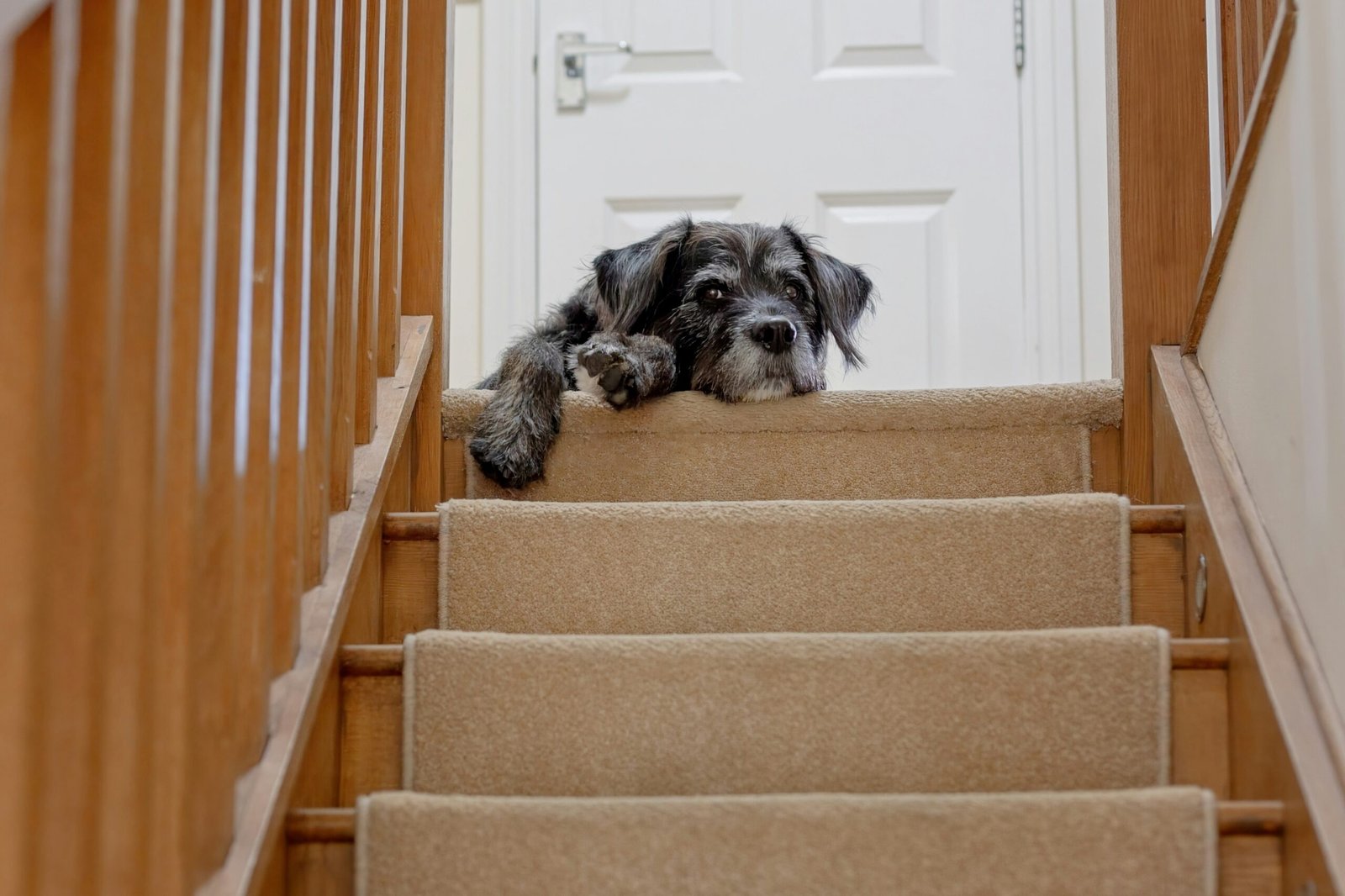
FAQ
Are ramps safer than stairs for senior dogs?
Generally, yes, particularly for dogs with arthritis or hip dysplasia, since a ramp’s continuous incline spreads effort more evenly than the discrete steps of stairs. Stairs can still work well for shorter, indoor climbs with soft, non-slip steps.
How steep should a ramp be for a senior dog?
Somewhere between 18 and 25 degrees is generally considered ideal. A steeper incline strains joints more and can make a hesitant dog refuse to use the ramp altogether.
Can small senior dogs manage stairs instead of a ramp?
Often, yes, provided the steps are low, evenly spaced, and non-slip. A small dog with significant joint pain may still do better with a ramp’s gentler overall demand, even at a shorter distance.
How do I introduce my senior dog to a ramp or stairs?
Start slowly, letting your dog sniff and investigate the tool before attempting to use it, and reward each step or attempt with treats and calm encouragement. Our guide on how to train your dog to use a ramp or stairs covers this process in full detail.
Can I use a ramp for the car and stairs for the couch?
Yes, and this combination works well for many senior dogs, matching each tool to the specific climb it handles best rather than forcing one option to cover every situation in the house.
Final Thoughts
Choosing between a ramp and stairs for a senior dog comes down to the specific climb, your dog’s joint condition, and how confident they already are with each type of motion. A ramp tends to serve dogs with arthritis, hip dysplasia, or tall climbs better, while stairs suit shorter, familiar indoor access where space is limited.
Many senior dogs benefit from both, a ramp for the car, stairs for the bed or couch, rather than one tool trying to do every job in the house. For specific product recommendations by size and situation, our guide to the best dog ramps for senior dogs covers the strongest options, and our guide on how to train your dog to use a ramp or stairs covers building confidence with whichever you choose.


Pingback: Best Dog Ramps for Senior Dogs (Top 6) - seniordog-care
Pingback: How to Train Your Senior Dog to Use a Ramp or Stairs Safely and Confidently - seniordog-care