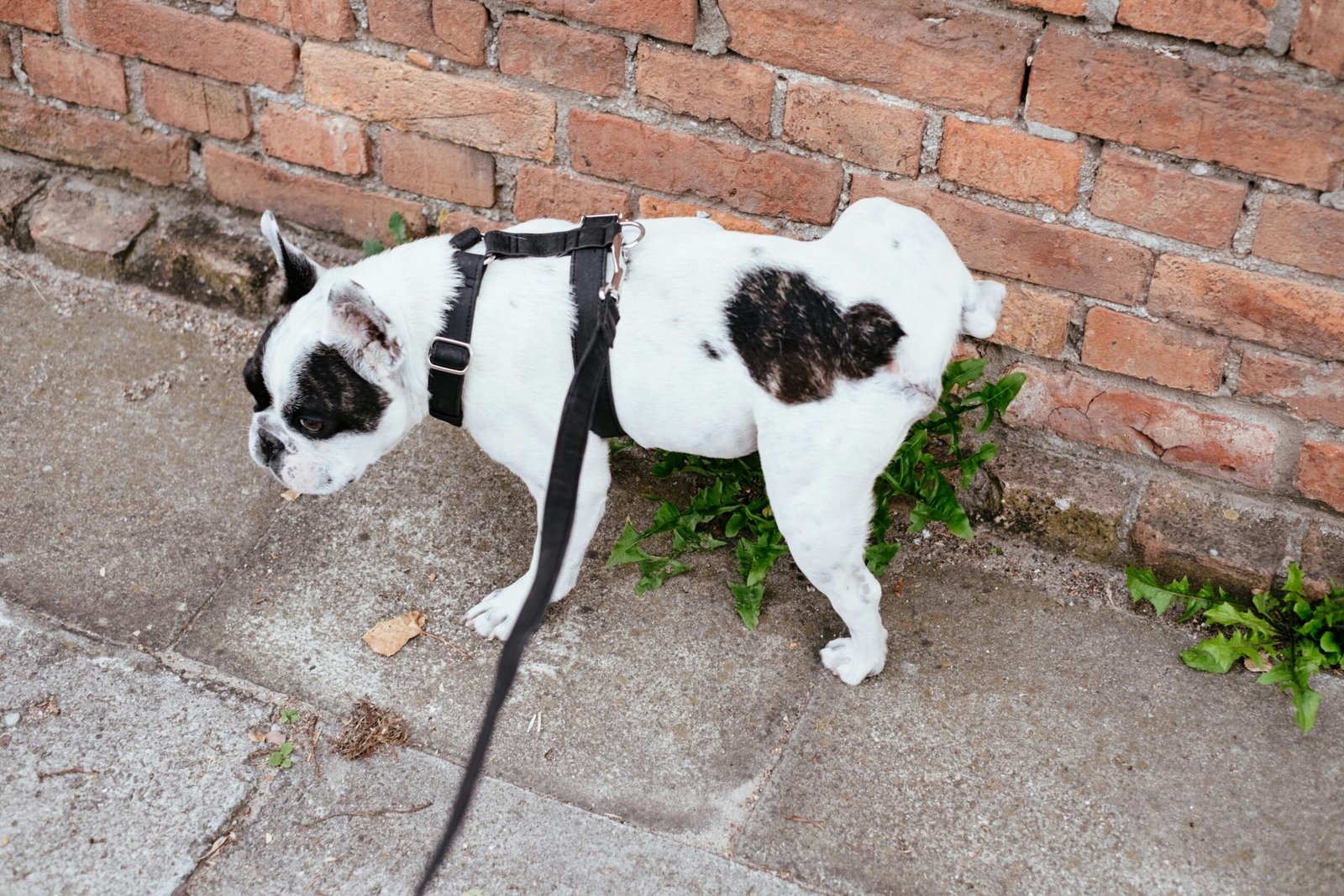
Best bladder control supplements for senior dogs matter for a genuinely common problem that owners often feel embarrassed to talk about. Waking up to damp bedding or noticing more frequent accidents is not a sign your dog is being difficult. It is usually a biological change tied to weakening muscles, hormonal shifts, or reduced kidney efficiency that comes with age.
This guide covers why bladder control weakens in senior dogs, which ingredients have a genuine role in supporting it, and which products are worth considering. For the fuller picture of why this happens and when it signals something that needs a vet’s attention rather than a supplement, our guide on bladder control in senior dogs covers that directly. For supplement categories beyond bladder support specifically, our best supplements for senior dogs guide covers every type.
This post may contain affiliate links. If you buy through these links, I may earn a small commission at no extra cost to you. As an Amazon Associate, I earn from qualifying purchases.
Table of Contents
Why Senior Dogs Struggle with Bladder Control
Bladder control issues in older dogs are biological, not behavioural, and understanding the specific cause helps in choosing the right support rather than guessing.
Weakened bladder muscles. Just as in humans, muscle tone naturally declines with age, including the muscles that help hold urine.
Hormonal changes. In unspayed females, declining oestrogen can affect the strength of the urinary sphincter. In neutered males, testosterone changes can have a smaller but still measurable impact.
Urinary tract infections. Older dogs are more prone to infections, which irritate the bladder and can cause sudden accidents in a dog that was previously fully continent.
Kidney function decline. Ageing kidneys concentrate urine less efficiently, which increases how often a dog needs to urinate.
Mobility issues. Arthritis or joint pain can make it physically harder for a dog to reach the door or signal in time, even when bladder control itself is not the primary problem.
Recognising which of these applies to your dog helps you choose the right supportive measure, rather than assuming every accident calls for the same fix.
Quick Picks
Best overall: Zesty Paws Bladder Bites — cranberry and pumpkin seed extract in a highly palatable chew, a solid starting point for mild to moderate incontinence.
Best for UTI-prone dogs: VetriScience Bladder Support — cranberry extract with bladder-supporting herbs, aimed at dogs with recurring urinary tract concerns.
Best combined bladder and kidney support: NaturVet Senior Bladder & Kidney Support — addresses both systems together for dogs with early signs of incontinence.
Best for active UTI prevention: Vet’s Best Urinary Tract Health — cranberry and D-mannose, aimed at reducing bacterial buildup for UTI-prone dogs.
Best comprehensive formula: K-Plus MAX Urinary Tract Health — cranberry, potassium citrate, and methionine together for dogs with multiple urinary concerns.
Best for kidney-focused support: Azoflora Kidney Support — targets kidney and bladder function together for comprehensive ageing support.
Natural Ingredients That Support Bladder Health
Pumpkin seed extract helps support bladder muscle tone and is rich in zinc, a nutrient linked to urinary tract health.
Cranberry supports urinary tract health by helping prevent bacteria from adhering to the bladder lining, which can reduce the frequency of infections.
Soy isoflavones are plant-based compounds that may support hormonal balance in older dogs, particularly females affected by declining oestrogen.
Rehmannia and related herbs appear in several traditional veterinary formulas for kidney and urinary support, and may help bladder tone as part of a broader formula.
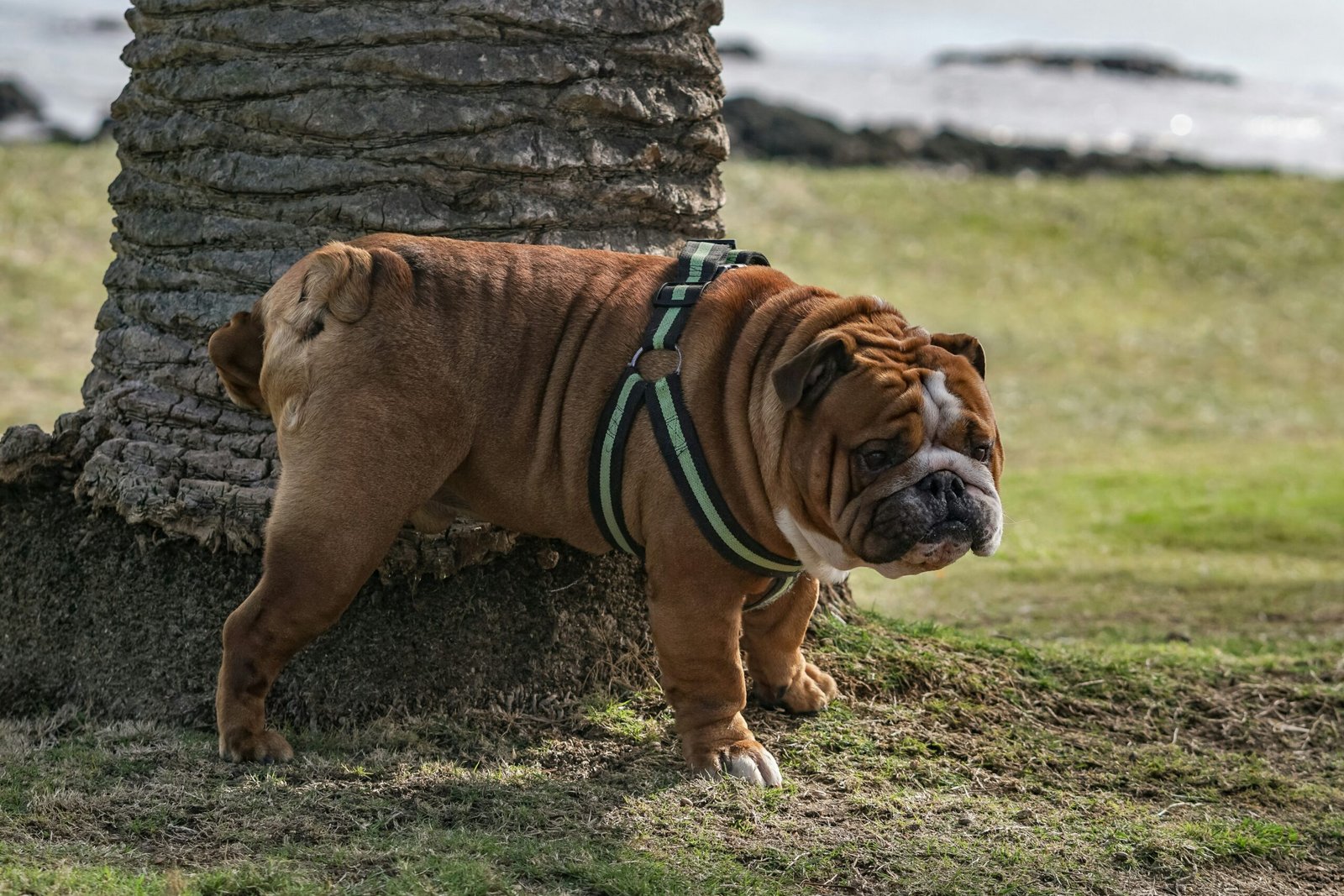
Top Picks in Detail
1. Zesty Paws Bladder Bites
This chew combines cranberry, pumpkin seed extract, and natural herbs aimed at supporting bladder muscle tone and urinary tract health together in a single palatable product.
Pros:
- Combines three complementary bladder-supporting ingredients
- Strong palatability, easy for daily use
- Widely available
Cons:
- Broader formula rather than targeted at one specific cause
- Not suitable as a substitute for treating a diagnosed UTI
- Results vary by individual dog
Who should NOT buy this: dogs with a confirmed, active UTI needing veterinary treatment rather than supportive supplementation alone.
Best for: dogs with mild to moderate incontinence with no diagnosed underlying condition.
2. VetriScience Bladder Support
This formula combines cranberry extract with bladder-supporting herbs, aimed particularly at dogs prone to recurring urinary tract infections or hormone-related bladder weakness.
Pros:
- Established, reputable supplement brand
- Cranberry plus herbal blend targets more than one mechanism
- Suitable for long-term daily use
Cons:
- Not a substitute for antibiotic treatment during an active infection
- Mid-range pricing
- Results typically take several weeks to become noticeable
Who should NOT buy this: dogs with an active, symptomatic UTI needing immediate veterinary treatment.
Best for: senior dogs prone to recurring urinary tract infections or hormone-related bladder weakness.
3. NaturVet Senior Bladder & Kidney Support
This formula addresses bladder tone and kidney function together, aimed at older dogs showing early signs of incontinence alongside general ageing-related kidney changes.
Pros:
- Addresses bladder and kidney health together
- Suitable for long-term daily use
- Reasonable pricing relative to comprehensive formulas
Cons:
- Broader focus rather than a single, targeted mechanism
- Less specific ingredient disclosure than some competitors
- Not a substitute for veterinary kidney disease management
Who should NOT buy this: dogs with diagnosed kidney disease needing veterinary-managed treatment rather than a general supplement.
Best for: senior dogs showing early incontinence alongside general kidney ageing concerns.
4. Vet’s Best Urinary Tract Health
Combining cranberry with D-mannose, a sugar compound that helps prevent bacteria from adhering to the urinary tract lining, this formula is aimed specifically at dogs prone to recurring UTIs.
Pros:
- D-mannose adds a second mechanism alongside cranberry
- Gentle, natural formulation
- Suitable for long-term preventive use
Cons:
- Not effective against an active, established infection
- Narrower focus than a comprehensive bladder and kidney formula
- Requires consistent daily use for preventive benefit
Who should NOT buy this: dogs with an active infection needing antibiotic treatment rather than preventive supplementation.
Best for: senior dogs prone to recurring UTIs needing ongoing preventive support.
5. K-Plus MAX Urinary Tract Health
This formula combines cranberry, potassium citrate, and methionine, aimed at dogs with more than one urinary concern occurring together, such as bladder weakness alongside UTI susceptibility.
Pros:
- Combines three complementary ingredients for broader coverage
- Suitable for dogs with multiple, overlapping urinary concerns
- Widely available
Cons:
- Broader formula may be unnecessary for a dog with one isolated issue
- Mid-range pricing
- Less established brand history than some competitors
Who should NOT buy this: dogs with a single, clearly identified concern, where a more targeted, simpler formula may be sufficient.
Best for: senior dogs dealing with multiple overlapping urinary concerns at once.
6. Azoflora Kidney Support
Formulated to support kidney and urinary function together, this product is aimed at senior dogs needing comprehensive support for both systems as they age together.
Pros:
- Addresses kidney and bladder function together
- Suitable for long-term ageing support
- Straightforward daily dosing
Cons:
- Not a substitute for veterinary-managed kidney disease treatment
- Less ingredient-specific disclosure than some competitors
- Broader focus than a bladder-specific product
Who should NOT buy this: dogs with diagnosed kidney disease requiring a vet-managed treatment plan rather than a general supplement.
Best for: senior dogs needing combined kidney and bladder support as part of general ageing care.
Comparison Table
| Product | Key Ingredients | Best For | Price |
|---|---|---|---|
| Zesty Paws Bladder Bites | Cranberry, pumpkin seed extract | Mild to moderate incontinence | $$ |
| VetriScience Bladder Support | Cranberry, bladder herbs | UTI-prone dogs | $$ |
| NaturVet Senior Bladder & Kidney Support | Herbal extracts, nutrients | Bladder and kidney together | $$ |
| Vet’s Best Urinary Tract Health | Cranberry, D-mannose | UTI prevention | $ |
| K-Plus MAX Urinary Tract Health | Cranberry, potassium citrate, methionine | Multiple urinary concerns | $$ |
| Azoflora Kidney Support | Nutrients, herbal extracts | Combined kidney and bladder support | $$ |
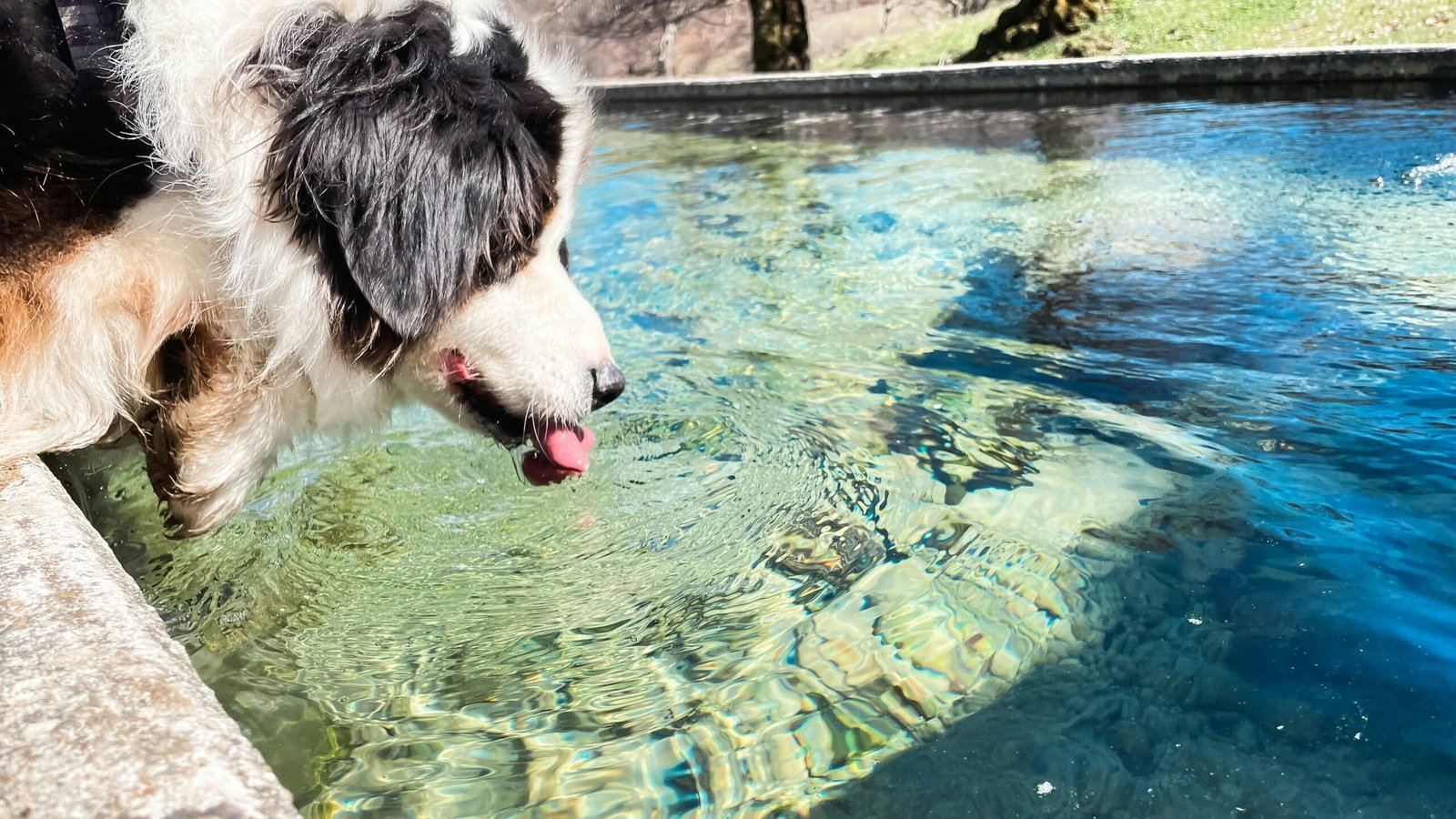
Introducing a Bladder Supplement Safely
As with any new supplement, start at the lower end of the recommended dose and monitor how your dog responds over the first couple of weeks before assuming it is not working. Our guide on how to introduce dog supplements safely covers the correct step-by-step process, including how to dose gradually and what reactions genuinely warrant stopping.
When to Talk to Your Vet
Supplements support bladder health. They do not replace a proper diagnosis, and persistent or worsening incontinence can sometimes signal a condition that genuinely needs veterinary attention.
See a vet if your dog shows any of the following: frequent or sudden accidents that were not previously a problem, blood in the urine or visible discomfort while urinating, increased thirst or a change in appetite, or any other unusual symptom such as lethargy. A vet can rule out infections, kidney disease, Cushing’s disease, or a hormonal imbalance, and help build a full care plan that may include supplements, dietary changes, or medication rather than relying on one alone.
FAQ
What causes bladder control issues in senior dogs?
Weakened bladder muscles, hormonal changes, urinary tract infections, kidney function decline, or mobility issues that make it harder to reach the door in time are the most common underlying causes. It is rarely just one of these in isolation. A senior dog with early arthritis, for instance, may have perfectly normal bladder function but simply cannot get up and reach the door quickly enough, which looks identical to true incontinence from the outside. Identifying which of these actually applies to your dog, rather than assuming the cause, is what determines whether a supplement, a mobility aid, or a vet visit is the right next step.
Are bladder control supplements safe for senior dogs?
Generally, yes, when you choose a reputable product with clearly disclosed ingredients and follow the recommended dose for your dog’s size. These supplements are built around natural ingredients such as cranberry, pumpkin seed extract, and supportive herbs rather than pharmaceutical compounds, which gives them a wider safety margin than many other categories. That said, “safe” does not mean “appropriate for every dog automatically.” Always check with your vet first if your dog has an existing health condition, particularly kidney disease or a hormonal disorder, since a supplement aimed at general bladder support may not be the right approach for a condition that needs direct medical management.
How long does it take for supplements to work?
Results vary meaningfully by dog and by the underlying cause, but most owners who see a genuine improvement notice it within two to six weeks of consistent daily use. This is not an instant fix, and expecting results within the first few days often leads owners to give up on a product that would have worked given proper time. Combining the supplement with proper hydration, a consistent bathroom schedule, and a healthy weight tends to produce faster and more reliable results than the supplement used in isolation. If there is no noticeable change at all after six weeks of consistent use, that is a reasonable point to reassess rather than continuing indefinitely on the same product.
Can supplements replace veterinary care?
No, and this is worth being direct about. Supplements support bladder health in dogs where the underlying cause is age-related muscle or hormonal weakening, but they do not replace a proper veterinary diagnosis. Persistent or worsening incontinence, especially if it appears suddenly rather than gradually, can signal an infection, kidney disease, Cushing’s disease, or a hormonal imbalance, all of which need direct medical treatment rather than supplementation alone. Using a supplement as a first step while ignoring a sudden, marked change in your dog’s urinary habits risks missing a condition that needed earlier attention.
Can diet help improve bladder control?
Yes, and it works alongside a supplement rather than replacing the need for one. A balanced diet, a healthy weight, and proper hydration all support bladder and urinary tract function directly. Excess weight in particular adds pressure on the bladder and surrounding muscles, which can worsen mild incontinence independently of any hormonal or age-related cause. Ensuring your senior dog always has easy access to fresh water, rather than restricting it out of concern about accidents, also supports healthier urine concentration and reduces the irritation that contributes to some bladder issues in the first place.
Final Thoughts
Best bladder control supplements for senior dogs come down to matching the ingredient focus, muscle tone support, UTI prevention, or combined kidney and bladder health, to what your dog is actually experiencing rather than choosing the most heavily marketed option on the shelf. Zesty Paws Bladder Bites remains a strong general starting point for mild to moderate incontinence with no other diagnosed condition, while Vet’s Best and K-Plus MAX serve dogs with more specific UTI-prone or multi-symptom needs that a general formula would not address as directly.
None of these supplements are meant to work in isolation. They perform best as part of a broader routine that includes proper hydration, a healthy weight, consistent bathroom access, and regular veterinary check-ins, particularly for a dog whose accidents are new, sudden, or accompanied by any other unusual symptom such as increased thirst, lethargy, or visible discomfort. Introduce whichever product you choose gradually, give it the full six-week window most owners need to see a genuine result, and treat a lack of any improvement at all as a signal to revisit the underlying cause with your vet rather than simply switching to another product with the same general approach.
Sources
https://www.petmd.com/dog/conditions/urinary/c_dg_urinary_incontinence
https://www.akc.org/expert-advice/health/incontinence-in-senior-dogs/
https://vcahospitals.com/know-your-pet/urinary-incontinence-in-dogs

Pingback: Best Digestive Supplements for Senior Dogs (Top 5)
Pingback: Best Supplements For Senior Dogs (2026 Guide) seniordog-care
Pingback: Bladder Control in Senior Dogs: Why It Happens and What to Do
Pingback: Why Hydration Is Key for Senior Dogs: Food, Health & Longevity - seniordog-care