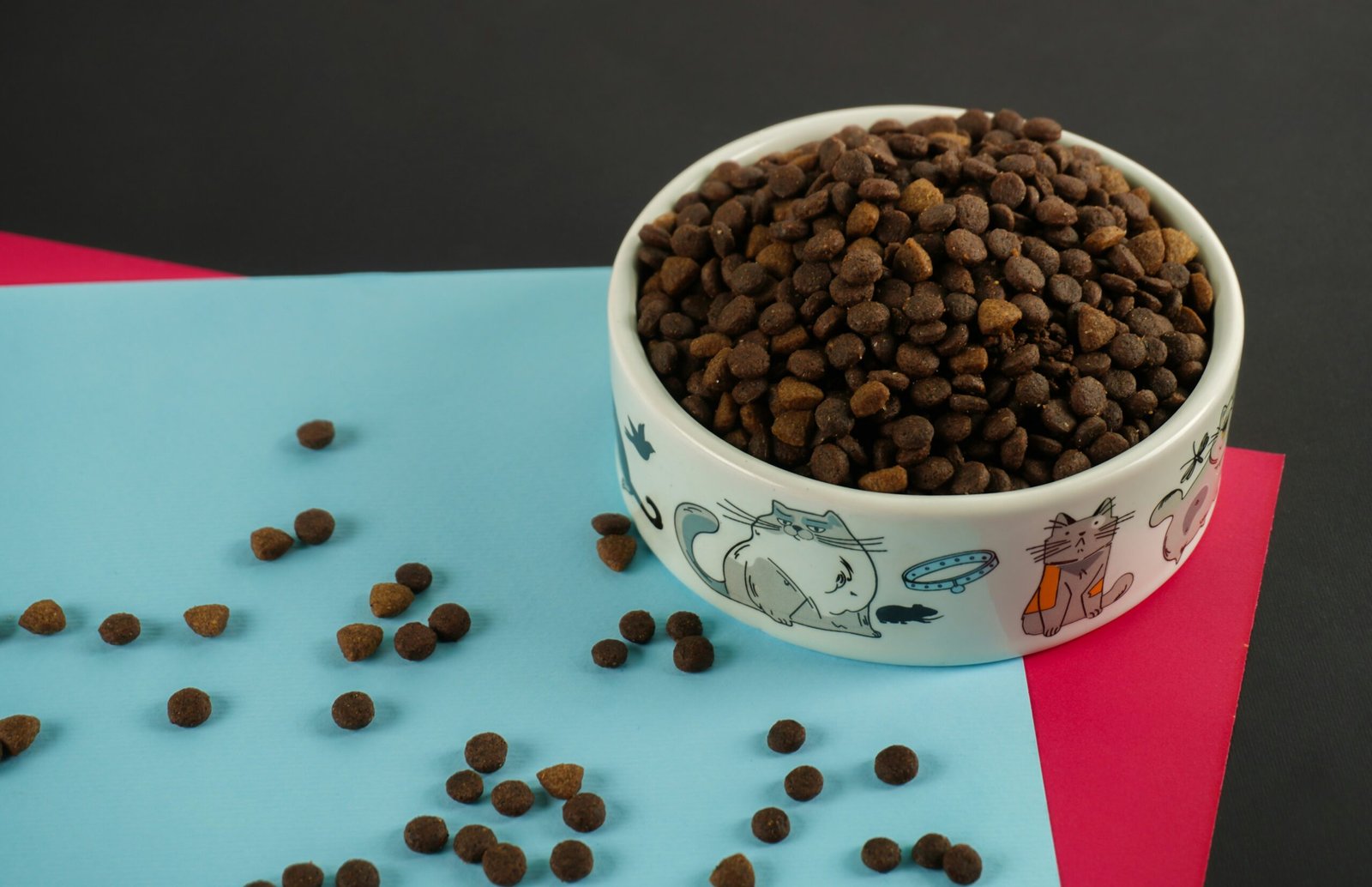
Best dry dog food for senior dogs is a search that usually leads to lists sorted by health condition, which is useful only if your dog already has a diagnosed issue. Most senior dogs do not. What they need is a genuinely good dry formula chosen on the merits that actually apply to kibble specifically: ingredient quality, kibble size and hardness, cost, and how well it holds up over months of storage.
If your dog has a specific condition such as a diagnosed allergy, sensitive digestion, or a weight problem, a general dry food list is not the right starting point. Our guide to the best senior dog food by health need sorts products by exactly that. This guide instead covers the strongest dry, kibble-based options for a senior dog with no specific condition, and what actually separates a good dry formula from a mediocre one. For the broader nutritional picture, our senior dog nutrition basics guide is worth reading alongside this one.
This post may contain affiliate links. If you buy through these links, I may earn a small commission at no extra cost to you. As an Amazon Associate, I earn from qualifying purchases.
Table of Contents
Quick Picks
Best overall: Wellness Complete Health Senior — balanced protein, joint support and coat health with no artificial preservatives.
Best budget: Blue Buffalo Life Protection Senior — real chicken and antioxidant-rich LifeSource Bits at an accessible price.
Best premium ingredient quality: Orijen Senior — biologically appropriate, high animal-protein content.
Best for small breeds: IAMS ProActive Health Mature Adult Small Breed — tailored kibble size at a lower price point.
Best for dogs with reduced dental comfort: Hill’s Science Diet Senior Small & Mini — smaller, easier to chew kibble with clinically researched formulation.
Best lamb-based option: Eukanuba Senior Lamb & Rice — a straightforward alternative for dogs already eating enough chicken elsewhere in their diet.
Best for still-active seniors: Acana Senior — nutrient-dense, closer to an ancestral protein profile.
Best kibble size for medium and large breeds: Royal Canin Medium Ageing 7+ — kibble shape and hardness designed with an ageing jaw in mind.
If your dog has a diagnosed health condition rather than a general senior need, our best senior dog food by health need guide covers joint issues, digestion, weight and allergies directly.
Why the Dry Format Matters for Senior Dogs Specifically
Dry food and wet food are not simply different textures of the same nutrition. For a senior dog, the format itself carries practical consequences that go beyond taste.
Kibble is easier to store, has a longer shelf life once opened, and costs less per calorie than most wet or raw alternatives, which matters when feeding a larger dog daily over years. The act of chewing dry kibble also provides a small amount of mechanical cleaning against plaque, something wet food does not offer at all.
The trade-off is moisture and palatability. Dry food contains a fraction of the water content of wet food, which matters more for a senior dog with reduced thirst drive or early kidney changes. It can also be harder to chew for a dog with dental wear or missing teeth, and less appealing for a dog whose sense of smell has faded with age.
Neither format is universally correct. Our full comparison of wet dog food versus dry dog food breaks down exactly when each one has the advantage, and many owners land on a combination of the two rather than choosing one exclusively.
What to Look for in Dry Dog Food for Senior Dogs
Named animal protein first. Chicken, turkey, salmon or lamb listed as the first ingredient, not a generic meat meal or by-product.
Kibble size and hardness matched to your dog. A large hard kibble is more difficult for a senior dog with dental wear or a smaller jaw. Several brands specifically design a smaller, less dense kibble for older or smaller dogs.
Joint support built in. Glucosamine and chondroitin, ideally with a stated quantity rather than a vague mention on the front of the bag.
Appropriate calorie density. Senior dogs typically need twenty to thirty percent fewer calories than adult dogs. A dry formula built for younger, more active dogs can quietly cause weight gain over time.
Omega-3 fatty acids. From fish oil or flaxseed, supporting coat, skin and joint comfort.
No unnecessary additives. Artificial preservatives such as BHA, BHT or ethoxyquin add nothing nutritionally.

Top 8 Best Dry Dog Foods for Senior Dogs
1. Wellness Complete Health Senior
Wellness Complete Health Senior pairs real chicken with barley for a balanced, easily digestible formula, backed by added glucosamine, chondroitin and omega fatty acids for joints, skin and coat.
Verdict: the strongest all-round choice for a senior dog without a specific condition to manage.
Pros:
- Real chicken and barley as core ingredients
- Glucosamine, chondroitin and omega fatty acids included
- No artificial preservatives
- Supports weight, energy and digestion together
Cons:
- Contains barley, unsuitable for grain-sensitive dogs
- Mid-range price rather than budget
- Standard kibble size, not tailored to very small dogs
Best for: most senior dogs with no specific health condition needing complete daily nutrition.
2. Blue Buffalo Life Protection Senior
Real chicken leads the ingredient list, paired with Blue Buffalo’s LifeSource Bits, a separate antioxidant and vitamin blend added to the kibble.
Verdict: the best budget pick, delivering most of what the premium options offer at a noticeably lower price.
Pros:
- Real chicken as first ingredient
- LifeSource Bits for antioxidant support
- Widely available
- Strong value for the ingredient quality
Cons:
- Contains brown rice, not grain-free
- LifeSource Bits are a separate kibble piece some dogs pick around
- Not suitable for chicken-sensitive dogs
Best for: budget-conscious owners who still want reliable senior nutrition.
3. Orijen Senior
Orijen builds its senior formula around a high proportion of animal ingredients, including free-run chicken and turkey and wild-caught fish, with vegetables and botanicals making up the remainder.
Verdict: the best choice for owners prioritising ingredient quality above cost.
Pros:
- Very high proportion of animal ingredients
- Freeze-dried coating for palatability
- No synthetic preservatives, colours or flavours
- Strong appeal for picky eaters
Cons:
- Significantly more expensive than other options
- Rich formula, so a slower transition is worth it
- High protein may not suit dogs with kidney issues
Best for: owners who want the highest ingredient quality available in a dry formula.
4. IAMS ProActive Health Mature Adult Small Breed
A value-driven option built specifically around the kibble size and calorie needs of smaller senior dogs.
Verdict: a sensible, affordable choice specifically for small breeds.
Pros:
- Kibble size designed for small mouths
- Affordable relative to premium small-breed options
- Supports heart health and coat condition
Cons:
- Less premium ingredient sourcing than Orijen or Acana
- Not tailored for dogs with dental discomfort specifically
Best for: small senior dogs needing an affordable, appropriately sized kibble.
5. Hill’s Science Diet Senior Small & Mini
Backed by clinical research, this formula uses a smaller kibble specifically shaped for easier chewing in dogs with reduced bite strength or dental wear.
Verdict: the right choice when chewing comfort matters as much as nutrition.
Pros:
- Small, easy-to-chew kibble shape
- Research-backed formulation
- Antioxidant-rich for immune support
Cons:
- Higher price than IAMS for a similar size category
- Contains grains, unsuitable for grain-sensitive dogs
Best for: senior dogs with dental wear or reduced chewing comfort.
6. Eukanuba Senior Lamb & Rice
Built around lamb rather than chicken, offering a straightforward alternative for dogs that already get plenty of chicken elsewhere in their diet or simply do better on a different protein.
Verdict: a solid, no-complications lamb-based option.
Pros:
- Lamb as primary protein
- Glucosamine and chondroitin included
- Gentle, familiar formula
Cons:
- Not a limited ingredient formula
- Contains rice, unsuitable for grain-sensitive dogs
Best for: owners wanting a lamb-based alternative without a symptom-specific need
7. Acana Senior
Acana mirrors an ancestral diet with free-run chicken, wild-caught fish and cage-free eggs, aimed at senior dogs that remain moderately active.
Verdict: a strong nutrient-dense option for seniors that have not slowed down much yet.
Pros:
- High animal ingredient content
- Nutrient-dense for still-active seniors
- No artificial additives
Cons:
- Calorie density may be too high for a less active senior
- Priced above standard mid-range options
Best for: senior dogs that remain moderately active and need denser nutrition.
8. Royal Canin Medium Ageing 7+
Developed through veterinary research, this formula uses a specific kibble shape and hardness suited to a medium or large ageing dog’s jaw, alongside antioxidants and balanced fibre.
Verdict: the best kibble texture choice for medium and large breed seniors.
Pros:
- Kibble shape designed for an ageing jaw
- Antioxidants and fibre for digestion
- Backed by veterinary research
Cons:
- Mid-range price
- Formula is breed-size specific, less suited to small dogs
Best for: medium and large senior dogs where kibble texture and ease of chewing matter.
Comparison Table
| Product | First Ingredient | Best For | Key Feature | Price |
|---|---|---|---|---|
| Wellness Complete Health Senior | Chicken | Overall daily nutrition | Balanced joint and coat support | $$ |
| Blue Buffalo Life Protection Senior | Chicken | Budget | LifeSource Bits | $$ |
| Orijen Senior | Chicken, turkey, fish | Ingredient quality | High animal content | $$$$ |
| IAMS Small Breed | Chicken | Small breeds, budget | Tailored kibble size | $ |
| Hill’s Science Diet Small & Mini | Chicken | Dental comfort | Easy-chew kibble shape | $$ |
| Eukanuba Senior Lamb & Rice | Lamb | Alternative protein | Simple lamb-based formula | $$ |
| Acana Senior | Chicken, fish, eggs | Active seniors | Nutrient-dense | $$$ |
| Royal Canin Medium Ageing 7+ | Chicken | Medium/large breed kibble texture | Jaw-appropriate kibble design | $$ |

Should You Feed Dry Food Only
Dry food alone works well for many senior dogs, particularly those with no dental issues and a normal thirst drive. It is not, however, the only sensible approach. A growing number of owners combine dry kibble with a portion of wet food specifically to increase moisture intake and improve palatability for a dog that has become a pickier eater with age.
If your dog is drinking less water than they used to, showing early dental discomfort, or simply losing interest in dry kibble on its own, mixing formats is worth considering rather than switching entirely. Our guide on how to mix wet and dry dog food for senior dogs covers the correct ratio and how to calculate total calories so the combination does not lead to overfeeding.
How to Switch to a New Dry Food
Move gradually over seven to ten days, replacing around a quarter of the old food with the new food every two to three days until the transition is complete.
Watch for loose stools, reduced appetite or excessive gas during the switch. If any of these appear, slow the transition down rather than pushing through it. Do not judge the new food within the first week. Coat, digestion and energy changes typically take two to four weeks to become clear.
FAQ
Is dry food better than wet food for senior dogs?
Neither is universally better. Dry food supports dental health through chewing and is more economical over time. Wet food supports hydration and is easier to eat for dogs with dental issues. Many senior dogs do well on a combination of both.
How do I choose the right kibble size for my senior dog?
Match the kibble size to your dog’s jaw and any dental wear rather than their overall body size alone. A small dog with healthy teeth can manage a standard kibble, while a larger dog with dental discomfort may need a smaller, softer piece.
Can senior dogs eat regular adult dry food?
Occasionally, without lasting harm, but long-term feeding of adult formula tends to deliver more calories and less joint support than a dog needs at this stage of life.
How much should I feed my senior dog on dry food?
Start with the feeding guidelines on the packaging, then adjust for weight and activity level. Senior dogs typically need twenty to thirty percent fewer calories than adult dogs.
Do senior dogs need grain-free dry food?
Not automatically. Grain-free helps dogs with a genuine grain sensitivity. A dog without one can do well on a quality formula that includes grains such as brown rice or oats.
Final Thoughts
The best dry dog food for senior dogs comes down to matching the format’s specific strengths, ingredient quality, kibble size, and cost, to your dog’s actual situation rather than assuming any senior-labelled bag will do. Wellness Complete Health Senior remains the strongest all-round choice for most dogs. Orijen is the right call for owners prioritising ingredient quality above price, and the small-breed and dental-focused options solve real, specific problems that a generic senior formula does not.
If your dog has a diagnosed condition rather than a general senior need, matching the product to that condition directly, using our best senior dog food by health need guide, will serve your dog better than any general dry food list.
Pingback: Best Food For Senior Dogs: What Really Works In 2025
Pingback: Wet Dog Food vs Dry Dog Food - seniordog-care
Pingback: Senior Dog Nutrition 101: The Complete Feeding Guide - seniordog-care
Pingback: Best Dog Food for Big Senior Dogs (2026 Picks) - seniordog-care