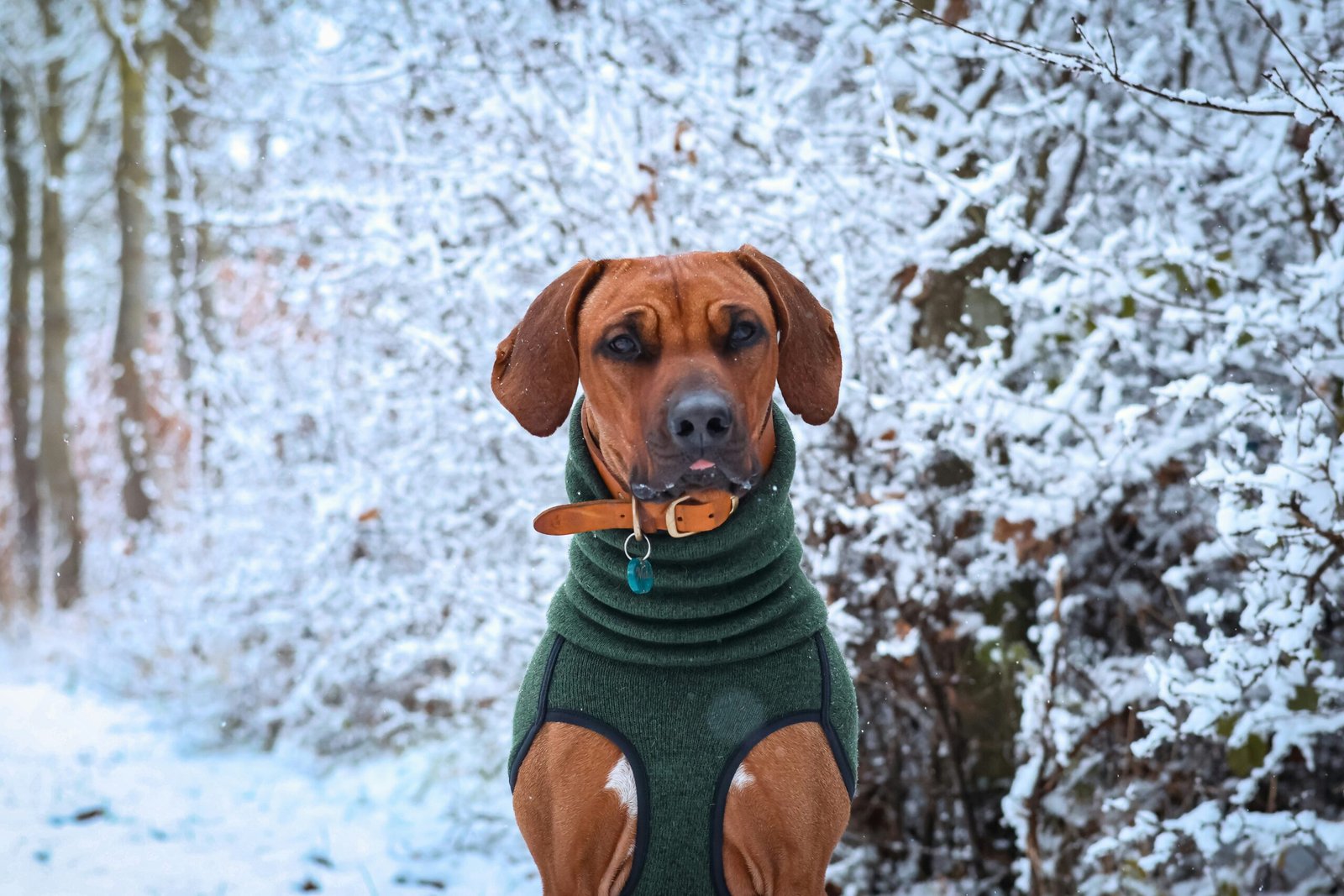
Best winter coats for senior dogs share a few traits that most standard dog coats do not bother with, full torso coverage, easy on and off for a dog that does not want to be wrestled into clothing, and enough warmth to matter without adding bulk that restricts already stiff joints. A coat bought for a five-year-old dog rarely holds up as the right choice once that same dog is ten or eleven, since the body underneath has changed even if the size on the label has not.
This is one of the four Care Essentials sub-pillars in practice, though coats fall specifically under senior dog winter care. If your dog is already showing signs of being cold, or you want the full approach beyond just a coat, see how to keep your senior dog warm.
This guide covers what to look for, our picks for 2026, and the tradeoffs between them, so the choice comes down to your dog’s specific needs rather than whichever coat looks best in a product photo.
Table of Contents
Why a Senior Dog Needs a Different Coat Than a Younger Dog
A senior dog regulates temperature less efficiently than it did years earlier, largely due to reduced muscle mass and slower circulation. This means a coat that was optional for a younger dog on a mildly cold day often becomes necessary at the same temperature once the dog is older. The coat is not a fashion choice at this stage. It is functionally closer to the role a coat plays for an elderly person, reducing how hard the body has to work just to maintain a stable temperature.
Ease of use matters more here than owners expect going in. A senior dog with stiff shoulders or hips does not tolerate being pulled and twisted into a coat the way a younger, more flexible dog might. Coats with a simple step-in design or a wide neck opening reduce the physical strain of getting dressed, which matters twice a day, every day, through the coldest months.
What to Look For Before Buying
Full torso coverage is the first thing worth checking, since a coat that only covers the back and leaves the belly and chest exposed does relatively little for a dog standing or lying on cold ground. The coat should extend from the base of the neck to roughly the base of the tail, without leaving a wide gap at the chest.
Material matters as much as coverage. Fleece lining paired with a water-resistant outer shell handles both dry cold and wet conditions, whereas a coat that only handles dry cold becomes far less useful the moment rain, snow, or slush enters the picture. Closures are worth checking closely too. Velcro and simple clip closures are generally easier for an owner to manage on a dog that does not want to stand still, compared to buttons or complicated harness-style buckles that take longer and require more cooperation from the dog.
Finally, sizing accuracy separates a coat that actually works from one that ends up in a drawer after one use. Measuring your dog’s length from the base of the neck to the base of the tail, and the chest girth at the widest point, before ordering avoids most of the fit problems that lead to returns.
Quick Picks
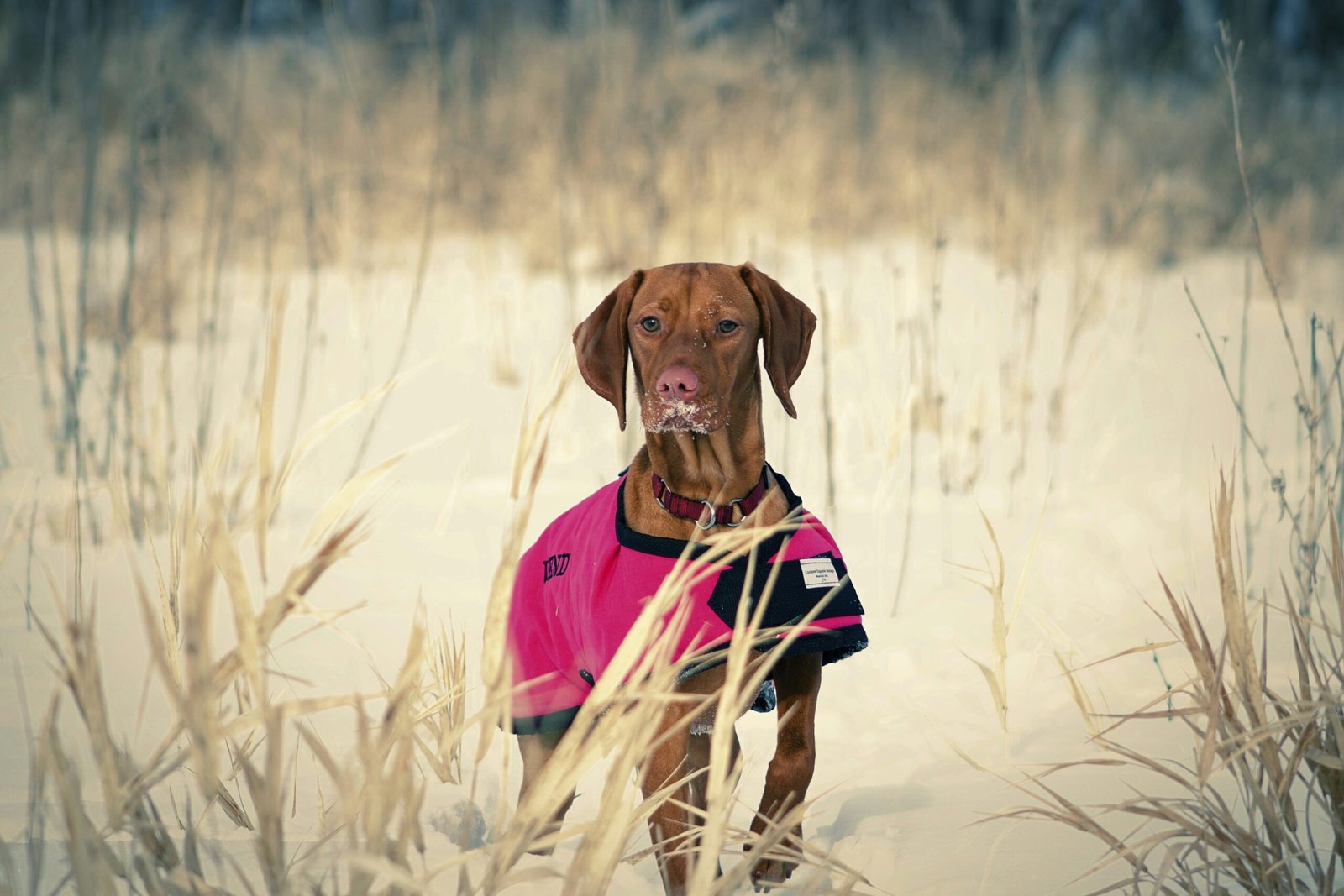
Best overall: Canada Pooch Cold Front Coat — full coverage with a windproof, water-resistant shell and reflective piping for low-light walks.
Best for arthritic dogs: Hurtta Extreme Warmer — wide leg openings and a low-strain step-in design.
Best budget option: Kurgo Loft Jacket — solid coverage and warmth at a lower price point.
Best for small senior breeds: Chilly Dog Cape Cod Sweater — layered under a shell for extra warmth without bulk.
Best water-resistant option: Ruffwear Powder Hound — built for wet and snowy conditions specifically.
Product Reviews
Canada Pooch Cold Front Coat
This coat covers the torso fully from neck to tail base, with a higher back panel and reflective piping built in as standard rather than an add-on. The shell resists wind and light rain, making it a dependable daily option through most of a normal winter.
Pros:
- Full coverage with a snug, secure fit
- Reflective piping for visibility on darker winter walks
- Wide range of sizes, including cuts for longer-backed breeds
Cons:
- Not built for heavy, sustained rain or deep snow
- Some owners report the neck opening runs slightly snug on broader-necked breeds
Verdict: the strongest all-around choice for owners who want one dependable coat for regular winter walks without paying for extreme-weather features most dogs will not need.
Who should NOT buy this: owners in consistently wet or snowy climates who need the stronger weatherproofing of something like the Ruffwear Powder Hound instead.
Hurtta Extreme Warmer
Built with wide leg openings and a low, step-in design, this coat is easier to get onto a dog with stiff shoulders or hip discomfort than most coats on this list. The insulation is substantial without adding excessive bulk around the joints.
Pros:
- Easiest coat on this list to put on a stiff or reluctant dog
- Strong warmth-to-weight ratio
- Reinforced belly panel
Cons:
- Less waterproof than fully shell-based options
- Better suited to cold-dry climates than heavy rain
Verdict: the best choice specifically for dogs with arthritis or reduced mobility, where ease of dressing matters as much as warmth.
Who should NOT buy this: owners in consistently wet climates who need strong water resistance above all else.
Kurgo Loft Jacket
A straightforward, well-insulated jacket that covers the essentials without the premium price tag of some competitors. It handles moderate cold reliably, though it is not built for the harshest conditions.
Pros:
- Good warmth for the price
- Simple closure system
- Machine washable
Cons:
- Less weatherproof than premium options
- Coverage is slightly less complete around the chest
Verdict: a solid choice for owners who want reliable warmth without paying for features they will rarely use.
Who should NOT buy this: owners in extreme cold or heavy snow regions who need a more technical, fully weatherproof shell.
Chilly Dog Cape Cod Sweater
Designed as a layering piece rather than a standalone outer shell, this sweater works best combined with a water-resistant coat on top for outdoor time, or worn alone indoors for dogs that run cold even inside the house.
Pros:
- Soft and comfortable for sensitive senior skin
- Works well as an indoor layer
- Easy to hand wash
Cons:
- Not weatherproof on its own
- Not sufficient as standalone protection in genuinely cold outdoor conditions
Verdict: the right pick as part of a layering system, not as the only piece of cold-weather gear a senior dog owns.
Who should NOT buy this: owners looking for a single all-purpose outdoor coat rather than a layering piece.
Ruffwear Powder Hound
Built specifically with wet, snowy conditions in mind, this jacket includes a higher collar and a fuller cut than most competitors, aimed at dogs that spend real time outside in genuinely difficult winter weather.
Pros:
- Excellent water resistance
- Reinforced high-wear areas
- Good coverage around the neck and chest
Cons:
- Bulkier fit than other options
- May restrict movement slightly for dogs with significant joint stiffness
Verdict: the strongest choice for dogs in consistently wet, snowy climates, though the bulkier fit is worth trying before committing for a dog with limited mobility.
Who should NOT buy this: owners of dogs with significant arthritis or mobility limitations, where a lighter, easier-to-move-in option matters more than maximum weatherproofing.
Comparison Table
| Coat | Best For | Water Resistance | Ease of Dressing |
|---|---|---|---|
| Canada Pooch Cold Front Coat | Overall use | Moderate | Moderate |
| Hurtta Extreme Warmer | Arthritic dogs | Moderate | Easiest |
| Kurgo Loft Jacket | Budget buyers | Moderate | Easy |
| Chilly Dog Cape Cod Sweater | Layering / small breeds | Low | Easy |
| Ruffwear Powder Hound | Wet, snowy climates | Highest | Moderate |
Getting a Reluctant Senior Dog Used to Wearing a Coat
Some senior dogs accept a new coat immediately, but many need a short adjustment period, particularly if the dog has never worn one before. Introducing the coat indoors first, for a few minutes at a time, and pairing it with a treat or calm praise builds a positive association before the coat is ever needed for an actual cold walk. Rushing this step, putting a coat on for the first time right before heading out into genuinely cold weather, tends to backfire into a dog that fights the coat every single time afterward.
Checking the fit after the first few wears matters too. A coat that seemed fine in the store or straight out of the box can shift once the dog moves around in it, riding up over the shoulders or twisting to one side. Watching how the coat sits after a few minutes of normal movement, not just when the dog is standing still, gives a more accurate read on whether the size and cut actually work.
How Long a Senior Dog Should Wear a Coat Each Day
A coat is not meant to stay on all day, even during the coldest stretch of winter. Outdoor time, walks, bathroom breaks, and any time spent outside is when a coat earns its place. Indoors, in a normally heated home, most senior dogs do not need to keep a coat on, and leaving one on too long indoors can lead to overheating, especially if the dog is also resting near a heat source like a vent or radiator.
Checking the dog periodically while a coat is on, indoors or outdoors, for any sign of overheating, panting, restlessness, trying to remove the coat, confirms whether the current coat and duration match what the dog actually needs on that specific day, since conditions and a dog’s tolerance can vary noticeably even within the same week.
FAQ
How do I know what size coat to order for my senior dog?
Measure your dog’s length from the base of the neck to the base of the tail, along with chest girth at the widest point, and compare these numbers directly against the brand’s size chart rather than relying on breed-based sizing alone, since body shape changes with age.
Can a senior dog wear a coat indoors as well as outdoors?
Most senior dogs only need a coat outdoors in a normally heated home, though a lighter sweater can help a dog that runs cold indoors as well, particularly overnight.
What is the easiest type of coat to put on a dog with arthritis?
Step-in designs with wide leg openings and simple Velcro or clip closures are generally the easiest for a dog with joint stiffness, since they require the least twisting or lifting of the legs.
Do small senior dogs need warmer coats than large senior dogs?
Often yes, since smaller dogs lose heat faster relative to their body size and typically have less natural insulation than larger breeds, even accounting for age-related changes.
How often should a senior dog’s winter coat be replaced?
A coat showing reduced loft, a stretched or ill-fitting shape, or a shell that no longer resists water effectively should be replaced, generally every one to two winters with regular use, sooner if the fit no longer matches the dog’s current body shape.
Final Thoughts
The best winter coats for senior dogs balance full coverage, warmth, and ease of dressing, since a coat that provides excellent warmth but fights the dog every time it goes on will end up unused by midwinter. Matching the coat to your dog’s specific needs, mobility level for ease of dressing, climate for water resistance, body type for warmth, matters more than chasing the single highest-rated option across the board.
Pingback: Senior Dog Winter Care: A Complete Guide - seniordog-care
Pingback: How to Keep Your Senior Dog Warm This Winter - seniordog-care
Pingback: Signs Your Senior Dog Is Cold - seniordog-care