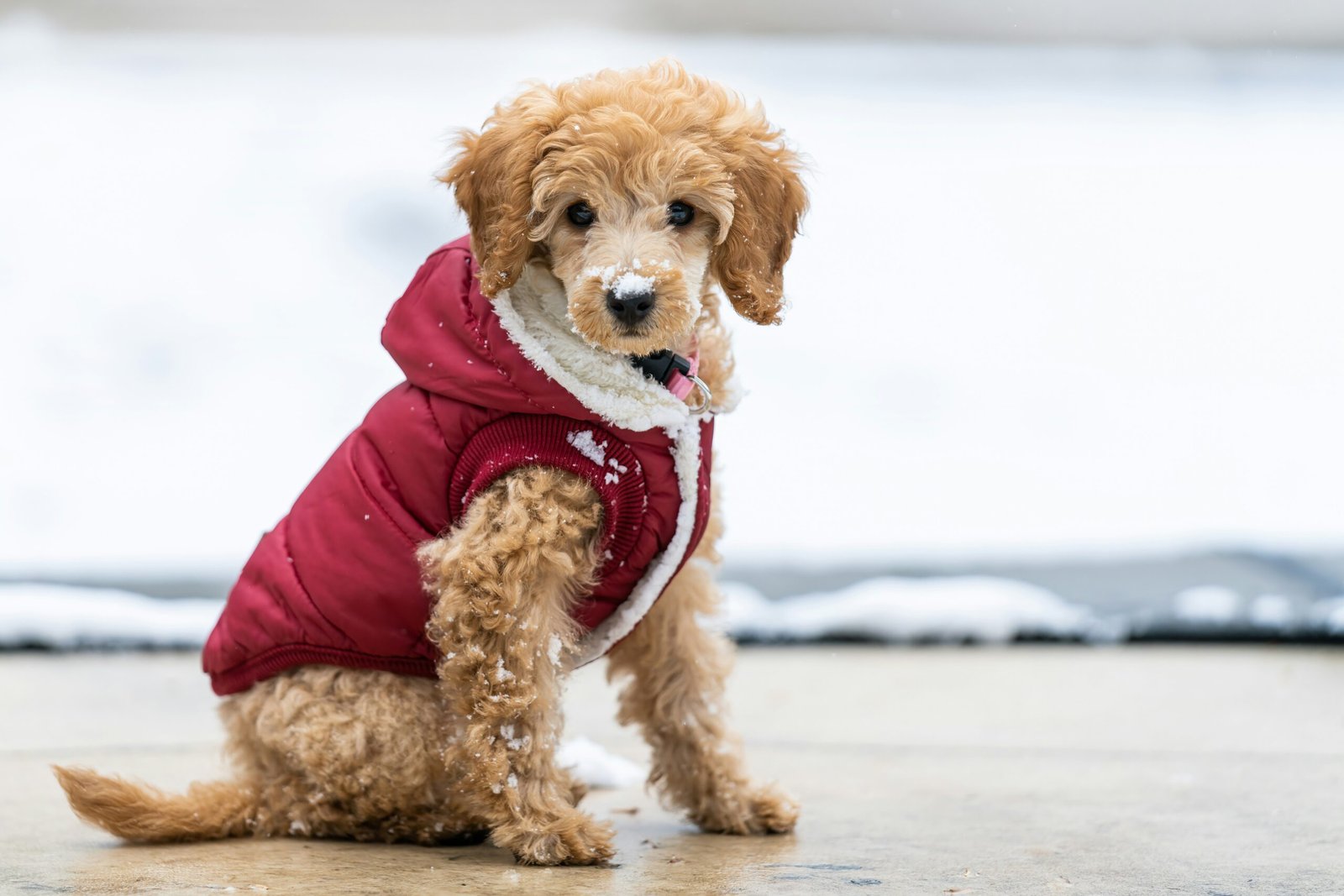
How to keep your senior dog warm becomes a real daily task once cold weather sets in, not just a phrase you type into a search bar once and forget. An older dog loses heat faster than it used to, and the fixes that worked when the dog was younger, a quick walk in a light sweater, a regular bed by the window, often stop being enough. This guide covers the practical side of warming a senior dog properly, from the coat you choose to the setup you build at home. For the bigger picture on why winter affects senior dogs the way it does, see the full senior dog winter care guide, this article goes deeper into the how.
Table of Contents
Why This Needs More Than a Blanket
A single blanket thrown over a bed solves less than most owners assume. A senior dog loses heat through the floor it lies on just as much as through the air around it, so a blanket on top does nothing for the cold radiating up from tile or hardwood underneath. Real warmth comes from addressing both sides at once, insulation below the dog and a warm layer above or around it, not one or the other.
This matters more the older a dog gets, since muscle loss and slower circulation mean the body generates less of its own heat than it did years earlier. A young dog can often compensate for a slightly cold environment without much trouble, shifting position, tucking in tighter, generating enough of its own warmth to stay comfortable through the night. A senior dog frequently cannot do this as effectively, which is why the setup around the dog needs to do more of the work that the dog’s own body used to handle on its own.
There is also a compounding effect worth understanding. A dog that sleeps cold does not just wake up uncomfortable, it wakes up with joints that had less chance to relax and recover overnight, which then affects how the dog moves the next day. Treating warmth as connected to joint comfort, rather than as a separate issue, changes how seriously it is worth taking the details covered in the rest of this guide.
Choosing the Right Coat or Sweater
Not every coat on the market does the same job, and picking one based on appearance alone usually leads to disappointment once the temperature actually drops. A coat meant for a senior dog needs to cover the torso fully, from the base of the neck to the base of the tail, since this is where most of the dog’s core heat is lost. Coats that only cover the back and leave the belly exposed do very little for a dog standing or lying on cold ground, and a surprising number of popular coat designs make exactly this mistake in favor of a more flattering cut.
Material matters as much as coverage. A fleece-lined coat with a water-resistant outer layer handles both cold and damp conditions, which matters since a wet coat loses its insulating ability almost entirely and can actually make a dog colder than wearing nothing at all once the fabric is soaked through. A coat that only handles dry cold is a real limitation in any climate where rain, snow, or slush is common through the season.
Fit is the detail owners get wrong most often. A coat that is too loose lets cold air in around the neck and legs, undermining the entire purpose of wearing one, while a coat that is too tight restricts movement and can rub uncomfortably, especially over a senior dog’s often more sensitive, thinner skin. Measuring the dog’s length from neck to tail base and its chest girth before buying, rather than guessing from a size chart alone, avoids most fit problems and saves an owner from cycling through two or three coats before finding one that actually works.
If you want to skip the guesswork, this breakdown of the top-rated coats for senior dogs covers specific options for different needs, from arthritic dogs to wet-weather climates.
Dogs with thinner coats, smaller body size, or very little body fat generally need a coat sooner and in milder conditions than a large, double-coated breed would. A Chihuahua or a senior Greyhound needs protection well before a senior Labrador does, even on the same walk in the same weather, and owners of small or lean senior breeds should not wait for visibly cold conditions before introducing a coat as a standard part of the routine.
How Many Layers Does Your Dog Actually Need
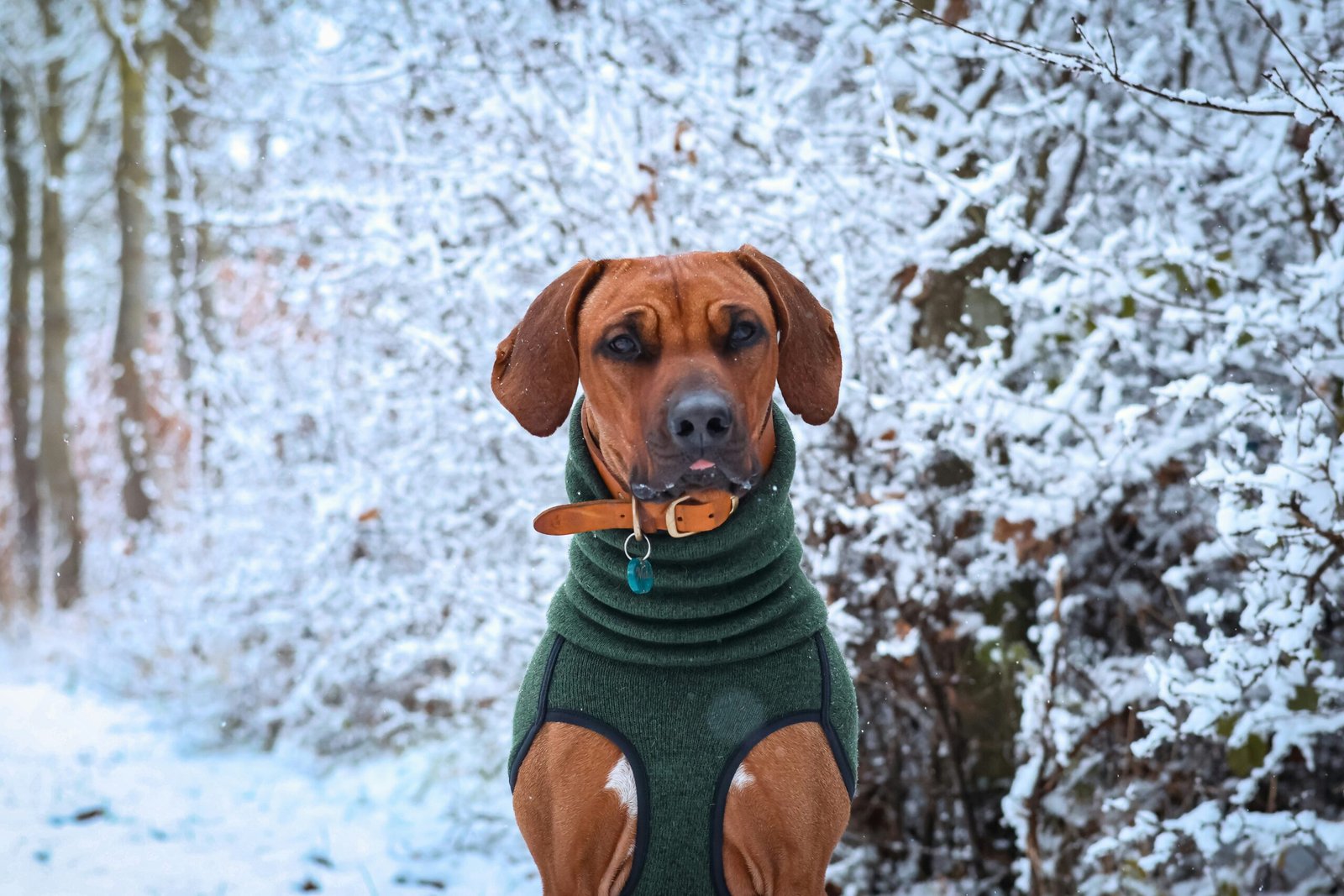
Layering works for dogs the same basic way it works for people, though most owners never think to apply it. A single heavy coat is not always better than two lighter layers, since layered insulation traps warm air between layers more effectively than one thick barrier does, the same principle that makes a base layer and a jacket warmer for a person than one thick coat alone. For a dog spending real time outdoors in cold weather, a base layer, a thin, snug-fitting shirt, under a heavier coat gives more consistent warmth than the coat alone, particularly around the chest and belly where a single coat often leaves gaps.
Indoors, layering looks different. A dog does not need to wear a coat inside a heated house, but a light sweater can help a senior dog that runs cold even indoors, particularly overnight or during the coldest hours before the heating kicks in for the day. This is especially relevant for dogs that sleep on the floor rather than on furniture, since floor-level temperature stays noticeably lower than air temperature measured at chest height in most homes.
The goal is not to overdress the dog, and this is where owners most often overcorrect once they understand the value of layering. A dog that is sweating, panting, or trying to remove a layer is signaling that it has too much on, and overheating indoors creates its own discomfort that undoes the benefit of the extra warmth. Checking in on the dog periodically after adding a layer, rather than assuming more is always better, keeps the balance right.
Building a Warm Sleeping Setup
A senior dog spends more hours resting than almost any other activity, which makes the sleeping area the single highest-impact place to focus warming efforts. Elevating the bed slightly off a cold floor, even by an inch or two, reduces the amount of heat pulled directly out of the dog through contact with tile or concrete. A solid base under the mattress, rather than placing a cushion directly on the floor, makes a noticeable difference here, and this is a low-cost change most owners overlook entirely in favor of buying a thicker bed instead.
Placement matters as much as the bed itself. A bed positioned near a drafty door, an uninsulated exterior wall, or a window loses warmth constantly, even in a heated room, since cold air settles and moves along the floor near these areas regardless of how warm the rest of the room feels to a person standing upright. Moving the bed to an interior wall, away from direct drafts, often improves a dog’s comfort more than upgrading the bed itself would, and it costs nothing beyond rearranging the room.
A burrowing-style blanket, one the dog can push into and cover itself with, gives the dog control over how much warmth it wants, which works better for most senior dogs than a blanket simply laid on top that shifts or falls off during the night. Dogs that already show a preference for digging or nesting into bedding before lying down are usually strong candidates for this style specifically, since it works with an instinct the dog already has rather than against it.
When a Heated Bed or Pad Is Worth It
For some senior dogs, passive warmth from bedding and layering is not quite enough, particularly dogs with diagnosed arthritis or very little remaining body fat. In these cases, a heated bed or a dedicated heating pad designed for pets adds a level of warmth that passive insulation cannot match on its own, since it actively generates heat rather than simply slowing how much the dog loses. The added warmth also tends to ease joint stiffness, since gentle heat improves blood flow to the area it reaches, which is part of why heat therapy is commonly recommended for arthritic dogs specifically, both in veterinary settings and at home.
Safety matters more here than with any other part of a winter setup, since this involves an electrical heat source next to a dog that may not move away from excessive heat on its own, particularly a senior dog with reduced mobility or reduced sensitivity to heat in certain areas. A pad with a thermostat, an automatic shutoff, and a chew-resistant cord reduces the real risks involved, and skipping these features to save money on a cheaper option is one of the more common mistakes owners make when adding heat to a senior dog’s setup for the first time.
For a full breakdown of how to introduce a heating pad safely, how long sessions should last, and which features actually matter, see the guide to heated pads for dogs with arthritis.
Keeping Paws and Ears Warm
Paws and ears lose heat faster than the rest of the body, since both have less insulating tissue and more exposed surface area relative to their size. Booties protect paws from cold pavement, ice, and salt, but most dogs need a gradual introduction rather than being expected to walk normally in them immediately, since the sensation of something on their paws is unfamiliar and can make a dog freeze up or walk oddly at first. Starting indoors, for short periods, and rewarding calm behavior while wearing them builds tolerance before the dog needs them on an actual cold walk, and rushing this step is the main reason booties end up abandoned in a drawer after one failed attempt.
For dogs that will not tolerate booties no matter how gradually they are introduced, a paw balm applied before walks creates a thin protective layer against cold and salt, and wiping paws down with a warm, damp cloth after every walk removes residue before the dog can lick it off, which matters since ingested salt or de-icing chemicals can cause stomach upset. Ears do not need dedicated gear for most breeds, but dogs with thin, low-set ears benefit from limiting how long they stay out in genuinely cold, windy conditions, since ears cool disproportionately fast compared to the rest of the body and take noticeably longer to warm back up once inside.
Warming Up After Outdoor Time
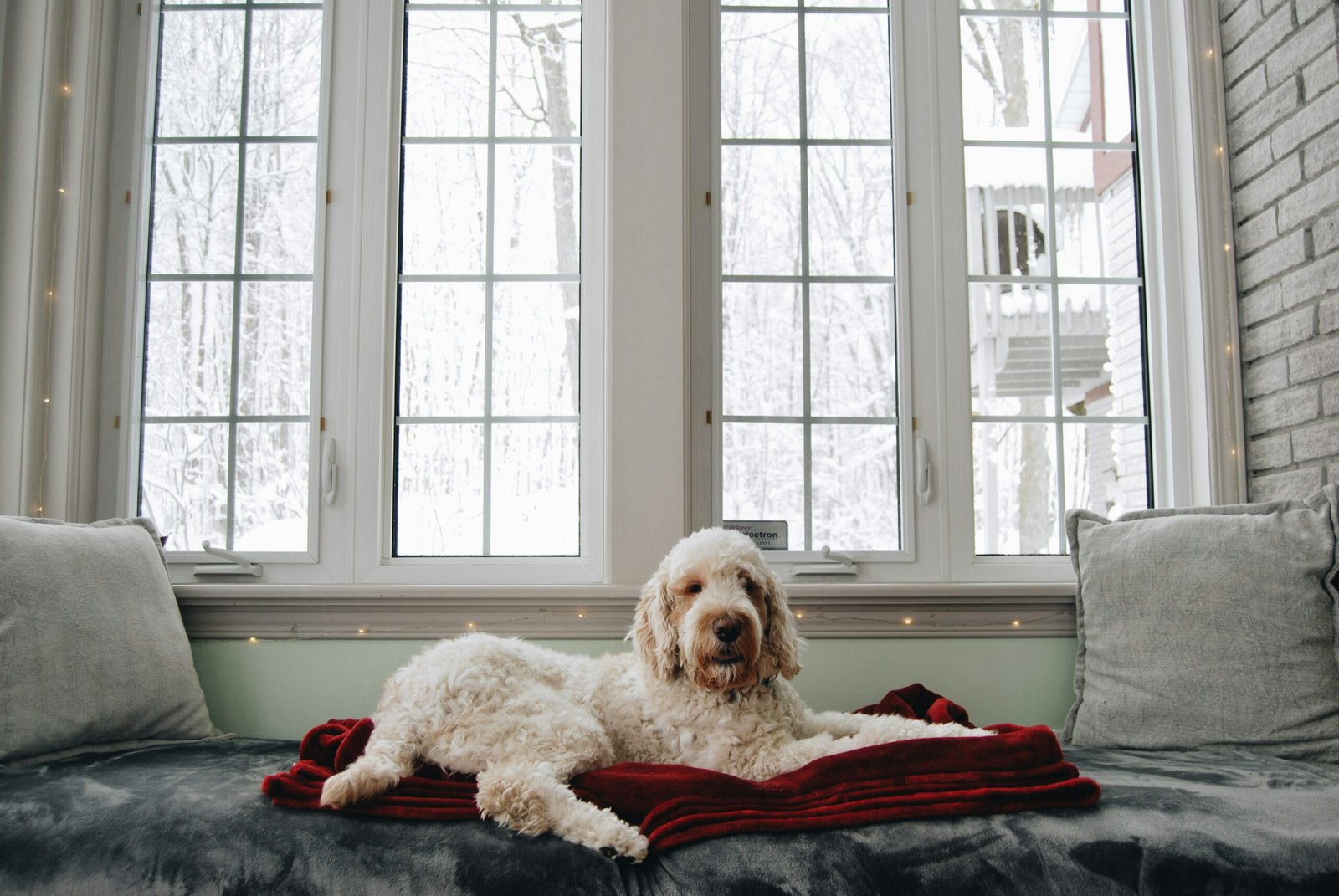
What happens in the minutes right after a walk matters more than most owners realize. A dog that comes inside cold needs help returning to a normal body temperature, not just a warm room to sit in. Drying off any dampness immediately, from rain, snow, or melted ice, prevents the evaporative cooling effect that keeps a dog’s body temperature lower than the room around it for longer than expected, sometimes for a surprising amount of time if the coat underneath the outer layer stayed damp.
A warm towel rub, focused on the torso and legs rather than just a quick pass over the back, speeds this process along, since these are the areas that lost the most heat during time outside. Offering a slightly warm meal or a small amount of warm water after a cold walk also supports the body’s return to a comfortable temperature, particularly for a senior dog whose body takes longer to regulate itself than it did at a younger age. This small routine, dry, rub, offer something warm, takes only a few minutes but noticeably shortens how long a dog stays uncomfortably cold after coming back inside.
Signs Your Warming Strategy Is Not Enough
Even a solid setup does not always keep pace with a particularly cold week or a dog’s changing needs as it ages further. Persistent shivering indoors, even in a heated room, is one of the clearest signs that the current approach is falling short, and it should not be dismissed as the dog simply being dramatic. A dog that keeps seeking out warm spots it did not use to bother with, or one that seems unusually lethargic during cold stretches specifically, compared to how it behaves on milder days, is telling you the current setup needs another look rather than more patience. If you are not sure whether your dog’s current behavior actually points to cold, this guide to recognizing when a senior dog is cold breaks down the early signals in more detail.
Weight loss also affects cold tolerance directly, since body fat contributes meaningfully to insulation. A senior dog that has lost weight recently may need a warmer setup than it did the previous winter, even if nothing else about its routine has changed, and this is worth checking against the dog’s weight from the same time last year rather than assuming the previous winter’s setup is still adequate. When these signs show up despite reasonable effort on coats, bedding, and indoor warmth, it is worth discussing with a vet, since an underlying condition can sometimes make temperature regulation harder than normal aging alone would explain.
FAQ
Should my senior dog wear a coat indoors?
Most senior dogs do not need a coat indoors in a normally heated home, but a light sweater can help a dog that runs cold overnight or in a room that is harder to keep warm, as long as the dog shows no signs of overheating.
How do I know if my senior dog’s coat is warm enough?
A coat that fully covers the torso from neck to tail base, sits snugly without restricting movement, and includes a water-resistant outer layer generally provides enough warmth for most cold-weather walks. If the dog still shivers or lifts its paws while wearing it, the coat is not doing enough on its own.
Can a senior dog get too warm from too many layers?
Yes. Panting, restlessness, or attempts to remove clothing indoors are signs of overheating, and layering should always be adjusted based on how the dog is actually responding, not on a fixed rule.
Is a heated bed necessary or just a nice extra?
For most healthy senior dogs, a well-insulated bed and proper placement away from drafts is enough. For dogs with arthritis or very low body fat, a heated bed or pad often provides a real, noticeable benefit rather than just added comfort.
What is the fastest way to warm up a senior dog after a cold walk?
Drying the dog off completely, especially the legs and belly, and following with a warm towel rub brings body temperature back to normal faster than simply letting the dog sit in a warm room on its own.
Final Thoughts
Keeping a senior dog warm through winter comes down to layering the right protection in the right places, a properly fitted coat outdoors, a draft-free and insulated bed indoors, and close attention to paws, ears, and how the dog responds afterward. None of these steps require significant expense or effort individually, but together they cover the specific ways an older dog’s body has become less able to manage cold on its own. Watching for the signs that the current setup is not enough lets you adjust before the dog is left genuinely uncomfortable through the coldest part of the season.


Pingback: Senior Dog Winter Care: A Complete Guide - seniordog-care
Pingback: Signs Your Senior Dog Is Cold - seniordog-care