
Understanding the difference between smart vs basic dog gadgets matters more than it might first appear, since the right choice affects both your dog’s comfort and how much genuine insight you get into their health as they age. As dogs grow older, energy levels drop, joints stiffen, and senses such as hearing or vision can weaken, but the right tools help them stay active, independent, and comfortable through this transition.
From simple aids like orthopedic beds and ramps to smart collars and automatic feeders, today’s options offer many ways to support a senior dog. The real challenge is knowing which category of gadget genuinely fits your dog’s specific situation, rather than assuming the more advanced option is automatically the better one.
This guide compares smart and basic gadgets directly, covering what each category actually offers, where the extra cost of a smart device genuinely pays off, and where it does not. For specific health monitor recommendations, our guide to the best health monitor for senior dogs covers the strongest smart options available. For the full range of gadgets across every category, our complete guide to gadgets for senior dogs covers mobility, comfort, safety, and enrichment together.
This post may contain affiliate links. If you buy through these links, I may earn a small commission at no extra cost to you. As an Amazon Associate, I earn from qualifying purchases.
Table of Contents
Understanding What Senior Dogs Actually Need
As dogs age, their needs shift in ways that make this comparison genuinely relevant rather than simply a matter of preference. Senior dogs often face reduced mobility, a slower metabolism, weaker joints, and declining senses, changes that can make even simple daily routines, eating, walking, climbing onto furniture, considerably more difficult than they used to be.
Basic accessories such as non-slip mats, orthopedic beds, and ramps support physical comfort and independence directly, addressing the mechanical side of ageing without requiring any setup beyond placing the item where it is needed. Smart gadgets, activity trackers, GPS collars, and automatic feeders, instead offer real-time insight into a dog’s health and behaviour, helping you catch a developing problem before it becomes obvious without any data at all.
A smart collar can flag a gradual decline in your dog’s daily movement long before it would be visible to the eye. A simple ramp can let the same dog get onto the couch safely without needing any data at all to justify its usefulness. Both categories are genuinely valuable. Which one matters more depends on your specific dog’s situation, not on which sounds more impressive.
Basic Dog Gadgets: Reliable and Straightforward
Basic gadgets focus on comfort, accessibility, and safety without requiring an app, a charging cable, or a WiFi connection, making them a genuinely reliable choice for owners who want a solution that simply works without any ongoing setup.
Common examples include orthopedic beds, non-slip mats, ramps, and raised food bowls. These tools support an ageing body directly by reducing strain on joints and improving mobility in a mechanical, immediate way. A properly supportive orthopedic bed relieves pressure on hips and elbows during rest. A ramp removes the jarring impact of a jump onto the couch or into the car entirely.
Basic gadgets also suit a dog that becomes anxious around unfamiliar technology or noise, since they require no setup or ongoing interaction beyond simply being present and used. Most are genuinely affordable, durable, and easy to clean, which matters for daily, repeated use over years rather than months.

Smart Dog Gadgets: Technology That Adds Genuine Insight
Smart gadgets take a different approach, using technology to monitor, support, and help you understand a dog’s health in a way that passive, physical tools cannot. Modern devices track activity, sleep, heart rate, location, and in some cases calorie burn, offering insight that helps catch health changes considerably earlier than relying on visual observation alone.
A smart collar or health monitor can alert you if your dog’s movement decreases or if sleep patterns shift in a way that might signal pain or fatigue building quietly in the background. An automatic smart feeder dispenses precise portions on a schedule, genuinely useful for a senior dog with a slower metabolism or specific dietary needs, and many sync to an app so you can track eating habits from anywhere. GPS trackers provide real peace of mind for an owner whose older dog tends to wander or become disoriented, a genuine and common concern with cognitive decline in ageing dogs.
Smart devices generally cost more than their basic equivalents and require setup, charging, or app connectivity that a basic tool does not. For an owner managing a dog with an active health concern or simply wanting proactive, data-backed insight, that additional cost and complexity is often genuinely worth it.
Comparing the Two Directly
| Category | Smart Gadgets | Basic Gadgets |
|---|---|---|
| Main features | Tracks health, activity, sleep, location via an app | Simple, hands-on tools requiring no setup |
| Examples | Smart collars, GPS trackers, automatic feeders, pet cameras | Orthopedic beds, non-slip mats, raised bowls, ramps |
| Benefits | Real-time data for early detection of health changes | Easy to use, affordable, reliably reduces physical strain |
| Drawbacks | Higher cost, requires charging or app setup | No health tracking or alerts |
| Price range | Typically $60 to $250 | Usually under $100 |
| Ideal for | Dogs with arthritis, diabetes, or reduced activity | Dogs needing comfort, support, or easier furniture access |
Recommended Gadgets by Category
Basic gadgets worth prioritising:
Orthopedic bed pad — a genuinely supportive resting surface that reduces pressure on ageing hips and joints, simple, reliable, and low-maintenance for everyday comfort.
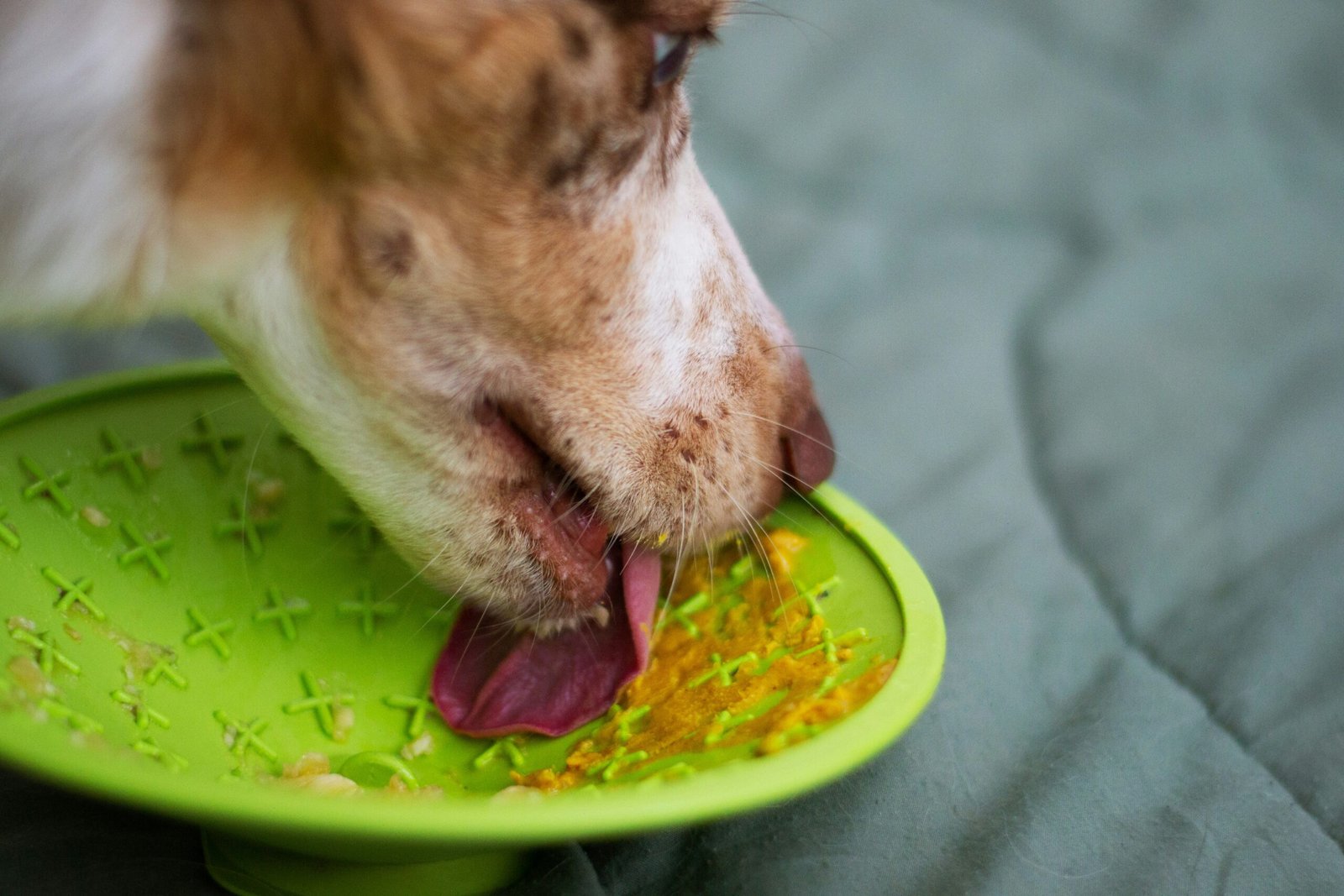
Silicone feeding mat — slows down a fast eater and keeps mealtimes tidier, particularly useful for a dog with sensitive digestion or slower eating habits.
Front-support mobility harness — helps a dog with weak hind legs walk more safely, suited to a dog recovering from injury, managing arthritis, or needing extra assistance on stairs.
Smart gadgets worth prioritising:
GPS and activity tracker — monitors activity, sleep, and location together, particularly valuable for a senior dog whose daily routine may be shifting subtly in ways worth catching early.
Advanced smart collar — tracks steps, health data, and location in more depth, a stronger option for an owner wanting to stay proactively informed about exercise, mobility, and general wellness trends over time.
For specific product recommendations and full comparisons within the health monitoring category specifically, our guide to the best health monitor for senior dogs covers the strongest current options in detail.
Factors to Consider When Choosing Between Them
Your dog’s health and mobility. A dog with arthritis, hip dysplasia, or general mobility issues often benefits more immediately from a ramp, orthopedic bed, or mobility harness than from a data-tracking device, since the physical problem needs a physical solution first.
Comfort and safety. For an older dog, comfort matters more than novelty. Basic accessories such as cushioned beds and non-slip mats reduce stress and prevent injury directly. Any smart device chosen should also be genuinely comfortable to wear and should not interfere with natural movement.
Ease of use for you as the owner. Smart collars and automatic feeders require setup, charging, and connectivity that some owners are simply not interested in maintaining. If you prefer simplicity and low maintenance, a basic gadget is very likely the better fit regardless of the smart option’s features.
Cost and genuine value. Smart gadgets carry a higher price tag but offer data and insight that can support proactive care. Basic gadgets are generally more affordable and provide immediate, tangible comfort without any ongoing cost or maintenance.
Long-term benefit. Ask whether a given gadget genuinely improves your dog’s health, mobility, or quality of life, or whether it mainly offers convenience or reassurance for you as the owner. Both are legitimate reasons to buy something, but being honest about which one applies helps you spend your budget where it actually matters most for your specific dog.
FAQ
Are smart dog gadgets genuinely necessary for older dogs?
Not always. Many senior dogs do perfectly well with basic accessories such as ramps, orthopedic beds, or non-slip mats. Smart gadgets are most valuable for dogs with an active health concern, or for owners who specifically want detailed activity and wellness data over time.
Can basic gadgets meaningfully improve a senior dog’s quality of life?
Yes. Simple tools such as a supportive bed, a feeding mat, or a mobility harness can reduce stress, prevent injury, and help a senior dog stay comfortable and independent. Sometimes a straightforward physical solution is genuinely all a dog needs.
Are smart gadgets difficult to use day to day?
Modern smart devices are generally designed to be user-friendly, but they do require initial setup, ongoing charging, and in most cases app integration. If you prefer a low-maintenance approach, a basic gadget is likely the better fit for your routine.
Can I combine smart and basic gadgets for the same dog?
Yes, and many owners find this combination works best. A ramp for physical mobility alongside a smart activity tracker for health insight covers both the immediate physical need and the longer-term monitoring value at the same time.
How do I know which category is right for my senior dog?
Start by assessing your dog’s actual health, mobility, and daily habits. Decide whether you primarily want data and monitoring or simple, immediate comfort and support. Budget and how much ongoing maintenance you are willing to manage both matter as much as the gadget’s features on paper.
Final Thoughts
Choosing between smart and basic dog gadgets ultimately comes down to your senior dog’s specific needs, your own lifestyle, and any active health condition you are managing. Basic gadgets provide comfort, safety, and independence directly. Smart gadgets provide real-time insight into activity, health, and behaviour patterns that a physical tool alone cannot offer.
For many senior dogs, a combination works best: a genuinely supportive orthopedic bed for rest, a ramp for safe mobility, and a smart activity tracker for ongoing health trends. Gadgets are meant to support your dog’s wellbeing, not replace regular veterinary care or attentive daily observation. Choosing the right combination for your specific dog, rather than defaulting to whichever option seems more impressive, is what actually improves their day-to-day comfort and your ability to catch a problem early.



Pingback: Best Health Monitor for Senior Dogs - seniordog-care
Pingback: Best Gadgets for Senior Dogs: The Complete Guide