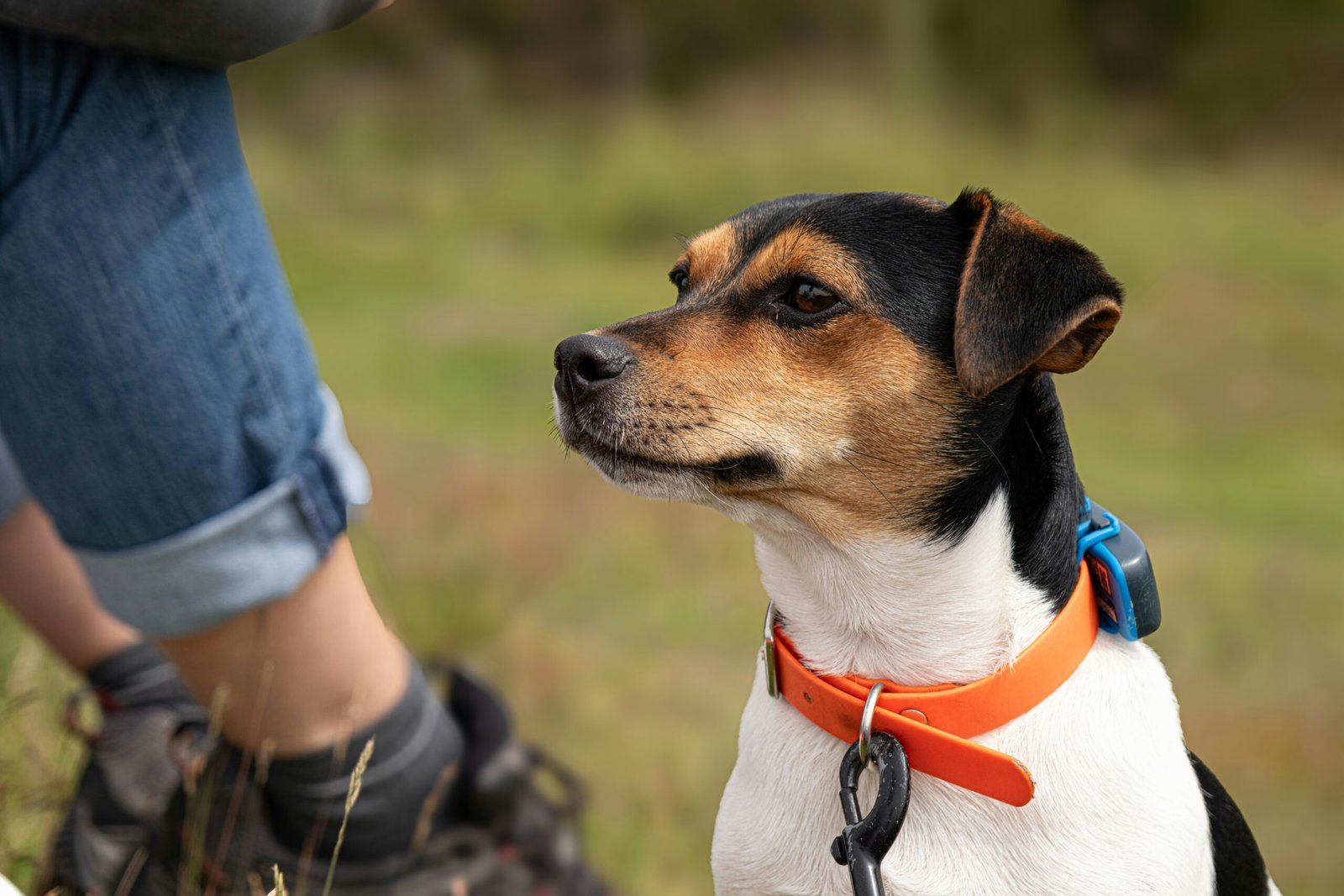
The best health monitor for senior dogs can make a genuine difference in keeping an ageing companion healthy, active, and comfortable for longer. These devices track vital signs, monitor mobility, and detect subtle changes early, giving owners real insight rather than guesswork about how their dog is actually doing day to day.
As dogs grow older, small shifts in energy, appetite, or behaviour can signal underlying health issues long before they become obvious to the naked eye. A reliable health monitor lets you catch these changes before they escalate, maintain a consistent routine, and make more informed decisions about diet, exercise, and veterinary care rather than reacting only once a problem has become visible.
This guide covers the strongest health monitors currently available for senior dogs, the specific features that actually matter for an ageing body, and how to use one effectively once you have chosen it. If you are still deciding whether a smart, connected device is worth the extra cost over a simpler option, our guide on smart versus basic dog gadgets covers that decision directly. For the broader range of gadgets that support a senior dog beyond health monitoring specifically, our complete guide to gadgets for senior dogs covers every category.
This post may contain affiliate links. If you buy through these links, I may earn a small commission at no extra cost to you. As an Amazon Associate, I earn from qualifying purchases.
Table of Contents
Quick Picks
Best overall for large senior dogs: Tractive GPS Dog XL Adventure Edition — combines GPS tracking with activity and rest monitoring, built for a bigger senior dog needing both location safety and wellness insight.
Best all-round tracker: Tractive DOG 6 GPS Tracker — monitors heart rate, activity, and sleep alongside location, suited to most senior dogs regardless of size.
Best lightweight wearable: Link My Pet Wearable Dog GPS Tracker — attaches to an existing collar and tracks steps and general wellness without adding bulk.
Best budget option: Fi GPS/Activity Collar — basic but genuinely useful activity and health tracking at an accessible price.
Best for diabetic or metabolic concerns: iPet Glucose Meter for Dogs and Cats — a specialised monitor for dogs managing diabetes or at risk of metabolic disorders.
Why Senior Dogs Specifically Need Health Monitoring
As dogs age, their bodies go through changes that affect mobility, heart health, digestion, and overall energy levels, and many of these changes happen gradually enough that they are genuinely easy to miss in the course of normal daily life. A dog does not typically announce that its resting heart rate has shifted or that its nightly sleep has become more fragmented. These changes show up quietly, often only becoming obvious once they have been building for weeks or months.
Joint and mobility issues are among the most common age-related changes, with arthritis or hip problems gradually making movement more difficult in ways that are easy to attribute to simple ageing rather than something worth tracking. Heart and respiratory changes become more common too, with older dogs sometimes developing irregular heart rates or reduced stamina that a health monitor can flag well before it becomes a visible symptom during a walk. Weight fluctuations driven by shifting metabolism or appetite can lead to gradual weight gain or loss that is genuinely hard to notice day to day without objective tracking. Behavioural shifts, including lethargy, restlessness, or changed sleep patterns, often signal an underlying issue rather than simply a change in temperament.
A health monitor helps by tracking daily activity, heart rate, and in many cases sleep patterns, giving a genuinely real-time picture of a dog’s wellbeing rather than relying on periodic vet visits alone to catch a developing problem. By spotting trends early, an owner can adjust exercise and diet proactively and bring concerns to a vet’s attention sooner, rather than only after a problem has become serious enough to be obvious without any data at all.
Top Picks in Detail
1. Tractive GPS Dog XL Adventure Edition
Built with larger senior dogs specifically in mind, this device combines GPS tracking with activity, rest, and movement monitoring, giving a genuinely complete picture of both location safety and daily wellness trends rather than covering only one or the other.
Pros:
- Combines GPS location with genuine health and activity tracking
- Built specifically with larger dogs in mind
- Tracks rest and movement patterns over time
- Strong battery life suited to all-day wear
Cons:
- Premium pricing relative to activity-only trackers
- More features than a small or low-activity dog may need
- Requires a subscription for full GPS functionality
Who should NOT buy this: owners of small, low-activity dogs who mainly want basic activity tracking without GPS, where a simpler device is more proportionate.
Best for: larger senior dogs needing both location safety and detailed wellness tracking in one device.
2. Tractive DOG 6 GPS Tracker
A strong all-round tracker suited to dogs of any size, monitoring heart rate, activity, and sleep patterns alongside GPS location, aimed at catching the subtle shifts in routine that often signal an emerging health issue in a senior dog.
Pros:
- Tracks heart rate, activity, and sleep together
- Suitable for dogs of any size
- GPS location included alongside health metrics
- Regularly updated app with trend reporting
Cons:
- Ongoing subscription cost for full features
- Battery life shorter than the XL Adventure Edition
- Some features overlap with cheaper activity-only trackers
Who should NOT buy this: owners wanting a one-time purchase with no ongoing subscription, where a basic activity collar is a better fit.
Best for: senior dogs whose daily routine may be shifting, needing a well-rounded tracker that catches subtle changes.
3. Link My Pet Wearable Dog GPS Tracker
A genuinely lightweight tracker that attaches to an existing collar rather than requiring a bulkier standalone unit, monitoring activity, steps, and general wellness while syncing data to an app for easy review over time.
Pros:
- Very lightweight, easy for a senior dog to wear comfortably
- Attaches to an existing collar rather than replacing it
- Straightforward app syncing
- Reasonable price relative to full GPS-and-health combination devices
Cons:
- Fewer detailed health metrics than premium combination devices
- Less robust GPS accuracy than dedicated location trackers
- Limited advanced alert customisation
Who should NOT buy this: owners specifically prioritising precise GPS tracking for a dog prone to wandering, where a dedicated GPS-first device is stronger.
Best for: senior dogs needing a comfortable, lightweight wearable for general activity and wellness tracking.
4. Fi GPS/Activity Collar
A budget-friendly option providing basic activity and health tracking, suited to owners who want a straightforward way to monitor movement and rest without a significant upfront investment.
Pros:
- Genuinely accessible price point
- Straightforward, easy-to-understand activity data
- Suitable for smaller senior dogs
- Simple app interface without unnecessary complexity
Cons:
- Fewer advanced health metrics than premium trackers
- Less detailed sleep and heart rate data
- GPS accuracy less precise than higher-end options
Who should NOT buy this: owners wanting detailed heart rate and sleep trend data, where a more comprehensive tracker justifies the extra cost.
Best for: budget-conscious owners of smaller senior dogs wanting basic, reliable activity monitoring.
5. iPet Glucose Meter for Dogs and Cats
A specialised monitor built specifically for dogs managing diabetes or at risk of metabolic disorders, tracking glucose levels in a way that provides genuinely actionable data for managing diet and medication rather than general wellness alone.
Pros:
- Purpose-built for glucose monitoring specifically
- Provides data directly relevant to diabetes management
- Straightforward to use consistently at home
- Supports better-informed conversations with your vet
Cons:
- Not useful for dogs without a metabolic concern
- Narrower focus than a general wellness tracker
- Requires consistent, correct technique for accurate readings
Who should NOT buy this: owners of a generally healthy senior dog with no diabetes risk, where a general activity and wellness tracker is more relevant.
Best for: senior dogs with diabetes or a metabolic condition needing specific, ongoing glucose tracking.
Comparison Table
| Product | Type | Key Features | Ideal For | Price |
|---|---|---|---|---|
| Tractive GPS Dog XL Adventure Edition | GPS + health monitor | Activity, rest, movement, GPS | Larger senior dogs | $$$$ |
| Tractive DOG 6 GPS Tracker | GPS + activity tracker | Heart rate, activity, sleep, location | Dogs of all sizes | $$$ |
| Link My Pet Wearable Tracker | Wearable tracker | Steps, activity, wellness syncing | Lightweight, comfortable wear | $$ |
| Fi GPS/Activity Collar | Activity collar | Basic activity and health tracking | Budget-conscious owners | $$ |
| iPet Glucose Meter | Glucose monitor | Painless glucose tracking | Diabetic or metabolic concerns | $$$ |
Key Features to Look For in a Health Monitor
Choosing the right device comes down to a handful of genuinely important features rather than the longest possible list of specifications, most of which matter far less for a senior dog specifically than the ones below.
Heart rate and activity tracking. Monitoring both is genuinely important for spotting early signs of heart strain, fatigue, or mobility issues, and a device that reports these as trends over time is more useful than one giving only a single point-in-time reading.
Sleep and rest monitoring. Older dogs often develop irregular sleep patterns as joint discomfort or anxiety increases, and a device tracking sleep quality and rest periods can flag potential discomfort well before it becomes visible during the day.
Comfort and durability. The device itself needs to be lightweight, comfortable, and safe for genuinely long-term wear, since a monitor a dog resents wearing will simply be removed or ignored regardless of how sophisticated its tracking capability is. Water resistance matters for a dog that spends real time outdoors.
Smartphone connectivity. Most modern monitors sync with an app, letting you review data, receive alerts, and, importantly, share detailed information directly with your vet rather than relying on your own memory of how things have seemed lately.
Alerts and notifications. Some devices can flag when heart rate, activity, or other vitals fall outside a normal range for your specific dog, which matters more than a generic normal range, since a senior dog’s baseline shifts with age in ways a young adult dog’s benchmark data does not reflect.
Types of Health Monitors for Senior Dogs
Understanding the different categories available helps match a device to your specific dog and monitoring needs, rather than assuming every option covers the same ground.
Wearable collars and harnesses attach directly to existing gear, tracking heart rate, activity, and sometimes temperature continuously, generally offering comfortable, lightweight designs suited to long-term daily wear.
Smart tags are smaller devices that clip onto an existing collar, tracking steps, location, or basic activity without the bulk of a full standalone unit, suited to casual monitoring rather than detailed clinical-style data.
App-integrated devices offer more detailed analytics on heart rate, sleep, and activity, syncing that data to a smartphone app for trend review over weeks and months, and for sharing directly with a vet during a consultation.
Specialised health monitors, such as the glucose meter covered above, are built for a specific condition rather than general wellness, and are worth considering specifically once a dog has a diagnosed condition that benefits from focused, ongoing tracking.
How to Use a Health Monitor Effectively
Buying the right device is only the first step. Getting genuine value from it depends on how it is introduced and used day to day.
Start slowly. Introduce a collar or wearable device gradually, letting your dog wear it for short periods initially and rewarding calm acceptance with treats or praise, which helps a senior dog adjust without unnecessary stress around a new piece of equipment.
Set up alerts thoughtfully. Most modern monitors let you set thresholds for heart rate, activity, or sleep. Customise these sensibly so you are notified when something genuinely unusual happens, but avoid obsessing over minor day-to-day fluctuations. Trends over time are considerably more meaningful than any single reading in isolation.
Track trends, not single values. Daily readings are useful context, but the real value comes from patterns over weeks and months, a gradual change in activity, sleep, or heart rate that would be invisible in any single day’s data but becomes clear once tracked consistently.
Integrate the data with your vet. Share what the monitor shows during check-ups rather than relying on memory alone. Real, objective information on activity, rest, or vital signs supports better-informed decisions about diet, exercise, and medical care than a vague verbal impression can.
Keep the device itself comfortable and functional. Check that it fits properly and is not irritating your dog’s skin, and check batteries and connectivity regularly, since a device that has quietly stopped syncing gives you a false sense of monitoring that is actually worse than knowing you have no data at all.
FAQ
Can a health monitor replace regular vet visits?
No. Health monitors are a supplementary tool, providing real-time data on activity, rest, and vitals, but regular veterinary check-ups remain essential for a comprehensive picture of your dog’s health that a wearable device cannot replicate on its own.
Are these devices suitable for all dog sizes?
Most trackers work across small to large dogs, but always check the specific weight limit and physical size of the device. A wearable meant for a small dog should be genuinely lightweight and unobtrusive rather than a scaled-down version of a larger design.
How often should I check the readings?
Daily glances are fine, but the real value comes from reviewing trends over a week or a month rather than reacting to any single day’s numbers, which can fluctuate for entirely benign reasons.
Can health monitors detect illnesses early?
They cannot diagnose a condition, but they can flag genuine changes in activity, sleep, or vitals that may indicate an emerging health issue, giving you a concrete reason to consult your vet sooner rather than waiting for a more obvious symptom to appear.
Are wearable health monitors comfortable for senior dogs?
Generally, yes, provided you choose a genuinely lightweight, well-fitted device introduced gradually. Most modern monitors are designed to minimise discomfort during normal daily activity once a dog has adjusted to wearing it.
Final Thoughts
Choosing the best health monitor for a senior dog comes down to matching the device’s specific strengths, GPS location, activity and heart rate tracking, sleep monitoring, or specialised glucose tracking, to what your dog actually needs rather than buying the most feature-heavy option available. The Tractive GPS Dog XL Adventure Edition remains the strongest all-round choice for a larger senior dog needing both safety and wellness data, while the Fi Activity Collar offers genuine value for an owner wanting straightforward tracking without a significant investment.
A health monitor does not replace regular vet visits. It enhances your ability to notice trends, track progress, and bring concrete, objective information to those visits rather than relying on memory and impression alone. Used consistently, the right device gives a senior dog’s owner exactly what this stage of life calls for: less guesswork, and more genuine insight into how their dog is actually doing.



Pingback: Best Gadgets for Senior Dogs: Mobility, Comfort, Safety & Enrichment
Pingback: Smart vs Basic Dog Gadgets: What’s Best for Older Dogs? - seniordog-care